
As a parent, your top priority is the safety and health of your little one. You might often find yourself wondering about the best way to keep their environment safe and clean.
One question that frequently pops up is, "What is the best way to sanitize baby toys? " These cherished items end up in your baby's mouth, hands, and all around the house, making cleanliness crucial. In a world filled with endless advice and products, finding the most effective and safe method can be overwhelming.
But don't worry! This article is here to guide you through practical and straightforward solutions. By the end, you'll feel confident about keeping your baby's toys spotless and safe, ensuring peace of mind for you and a healthier playtime for your child. Ready to discover the secrets to effective toy sanitization? Keep reading!
Importance Of Sanitizing Baby Toys
Sanitizing baby toys is crucial for your child's health and safety. Babies explore the world by putting things in their mouths. This habit makes them vulnerable to germs and bacteria. Keeping toys clean can prevent infections and illnesses. It is essential for maintaining a healthy environment for your little one.
Importance Of A Germ-free Environment
A germ-free environment reduces the risk of disease. Babies have developing immune systems. They are more susceptible to germs than adults. Cleaning toys regularly helps in reducing exposure to harmful bacteria. This ensures a safer play area for your child.
Preventing The Spread Of Illness
Shared toys can spread illnesses among children. Regular sanitizing breaks this cycle. It helps in stopping the transmission of colds and flu. This practice is especially important in daycare settings. It ensures all children remain healthy and happy.
Peace Of Mind For Parents
Clean toys offer peace of mind. Parents can rest easy knowing their child is protected. A clean toy collection means less worry about germs. It allows more focus on fun and learning. Your child's health is worth the effort.
Extending The Life Of Toys
Regular cleaning can extend a toy's lifespan. Dirt and grime can wear down materials. Sanitizing removes these, keeping toys looking new. This saves money by reducing the need for replacements. Clean toys last longer and stay safer.
Creating Healthy Habits Early
Teaching children about cleanliness starts with toys. Early habits can stick with them for life. Encourage them to help clean their toys. This promotes responsibility and hygiene awareness. It's a valuable lesson in caring for their belongings.

Credit: nurturednoggins.com
Common Germs On Baby Toys
Baby toys often harbor germs like bacteria and viruses. A simple cleaning method involves using mild soap and warm water. Regular sanitization helps keep toys safe and clean for little ones.
Common germs on baby toys are an often overlooked but critical concern for every parent. Toys are not just a source of entertainment; they are also breeding grounds for germs. As your little one explores the world, everything goes into their mouth, including toys. The prospect of harmful microbes lurking on your child's playthings can be unsettling. But don't worry; understanding what germs are commonly found on baby toys can help you take effective steps to sanitize them.
Understanding Bacterial Threats
Bacteria are everywhere, and baby toys are no exception. Staphylococcus and Streptococcus are two common bacterial culprits you might find on toys. These bacteria can cause skin infections or, in severe cases, more serious illnesses. Think about the last time you cleaned your baby's toys. Did you do it thoroughly, or was it just a quick rinse? A little extra effort can make all the difference in keeping those harmful bacteria at bay.
Spotting Viral Invaders
Viruses are another concern. Respiratory syncytial virus (RSV) and rotavirus can linger on surfaces like toys, posing a risk of spreading colds or gastrointestinal issues. Are you prepared to tackle these invisible invaders? Regular sanitization can significantly reduce the risk of viral infections for your baby.
The Role Of Fungi And Yeasts
Did you know that fungi and yeasts can also make a home on toys? Molds can grow on toys left in damp conditions, leading to respiratory issues. Yeasts, while less harmful, can still cause diaper rashes if transferred to your baby's skin. Keep an eye out for any visible signs of mold or unusual odors. Proper storage and cleaning practices can prevent these fungi from becoming a problem.
Why Sanitization Matters
Sanitizing baby toys isn't just about cleanliness; it's about safeguarding your child's health. When you prioritize regular cleaning, you minimize the risk of infections and illnesses. Ask yourself, is your current toy-cleaning routine enough to protect your child? Consistency is key, and a little diligence can go a long way.
Simple Steps You Can Take
What practical steps can you take to tackle these germs effectively? Start with a regular cleaning schedule. Use mild soap and warm water for routine cleans, and a vinegar-water solution for deeper sanitization. Consider using the dishwasher for toys that are dishwasher-safe, and always check the manufacturer's instructions for cleaning guidance. Your commitment to cleanliness can create a safer play environment for your child.
Engage In The Cleanliness Conversation
Are you discussing toy hygiene with other parents? Sharing tips and experiences can be beneficial. You might discover new methods or products that make toy sanitization easier and more effective. Every parent faces the challenge of keeping toys germ-free. By understanding the common germs and taking proactive steps, you can ensure your child has a healthy and happy playtime.
Safe Cleaning Solutions
Sanitizing baby toys safely involves using natural solutions like vinegar and water. Wipe surfaces thoroughly to remove germs. Rinse with clean water after.
When it comes to your baby's well-being, ensuring their toys are sanitized is crucial. Babies explore the world with their mouths, turning toys into potential germ hotspots. The good news? You have several safe cleaning solutions that not only protect your baby but also the environment.
Natural Cleaning Options
Natural cleaning methods are not only effective but also gentle on your baby's toys. One popular choice is a simple mixture of vinegar and water. Mix equal parts of white vinegar and water in a spray bottle. Spritz the solution onto the toys, let it sit for a few minutes, and then wipe clean with a damp cloth. Another option is using baking soda, known for its mild abrasive properties. Create a paste with water and baking soda, apply it to stubborn spots, and scrub gently. This method is particularly handy for plastic toys. You might wonder about essential oils. While they smell great, it's essential to ensure they are safe for your baby's age. Oils like lavender or tea tree can be used sparingly by adding a few drops to your cleaning solution for an extra antimicrobial boost.
Commercial Cleaners
You may prefer the convenience of commercial cleaners designed specifically for baby items. Many products on the market are non-toxic and environmentally friendly. Look for labels that say "free from harsh chemicals" or "plant-based". These cleaners ensure safety without compromising on cleanliness. A real-world example might be the frustration of sticky residue left by certain baby foods. In such cases, commercial wipes designed for toys can be a lifesaver. Keep a pack handy for quick clean-ups on the go. It's vital to avoid cleaners with strong fragrances or harsh chemicals. These can linger on the toys and pose risks. Always read the ingredients list, and when in doubt, rinse the toy with water after using a cleaner. Choosing the right cleaning method for your baby’s toys can seem daunting. However, by considering natural and commercial options, you can maintain a clean play environment. What methods have you tried, and how did they work out for you?

Credit: www.reddit.com
Cleaning Methods For Different Materials
As a parent, ensuring your baby's toys are clean and safe is a top priority. Different toys require different cleaning methods based on their materials. Understanding these methods not only helps maintain the toys but also ensures your little one stays healthy. Let's dive into the best ways to sanitize toys made from various materials.
Plastic Toys
Plastic toys are the easiest to clean. You can simply soak them in warm, soapy water. Adding a splash of white vinegar can enhance the cleaning power. If you're dealing with stubborn grime, use a toothbrush to scrub the crevices.
Have you ever tried using your dishwasher for sanitizing? Many plastic toys are dishwasher safe. Just place them on the top rack and run a regular cycle. It's a time-saver that offers peace of mind. However, double-check that the toys can withstand the dishwasher's heat.
Fabric And Plush Toys
Fabric and plush toys require a gentler touch. Most of these toys can go directly into the washing machine. Use a mild detergent and a gentle cycle to avoid damage. Air drying is preferable to maintain their shape and fluffiness.
Spot cleaning is essential for toys that can't be machine-washed. Use a mixture of warm water and a mild detergent. Dab the solution on the stain with a cloth and gently blot it until clean. Have you ever considered using a vacuum cleaner with a brush attachment for dust removal? It works wonders!
Wooden Toys
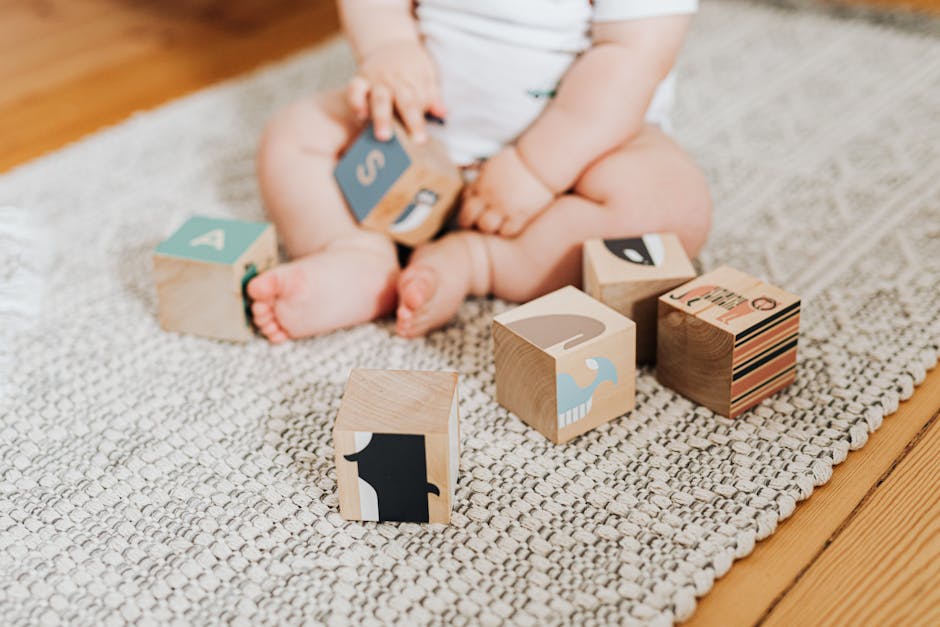
Wooden toys need special care to avoid water damage. Wipe them down with a damp cloth using a mild soap solution. Ensure the cloth isn't too wet to prevent the wood from warping.
A mix of vinegar and water is a great option for sanitizing wooden toys. It’s natural and effective. Dry them immediately with a soft towel to avoid moisture damage. Have you noticed how wooden toys develop a beautiful patina over time with proper care?
Electronic Toys
Electronic toys present a unique challenge. You can't submerge them in water, but they still need to be sanitized. Use a disinfectant wipe to clean the surfaces. This method is quick and effective.
For the smaller parts and buttons, a cotton swab dipped in alcohol works well. It reaches the nooks and crannies without damaging the electronics. Could using a soft brush to remove dust from the speaker grills and screens be your secret weapon?
Remember, the right cleaning method not only ensures hygiene but also extends the life of your baby's toys. What's your go-to technique for keeping toys spotless?
Frequency Of Toy Cleaning
Sanitizing baby toys regularly prevents germ build-up. Use mild soap and warm water for most toys. For deeper cleaning, consider a vinegar solution or a baby-safe disinfectant. Always dry toys thoroughly to avoid mold.
Keeping your baby's toys clean is more important than you might think. Babies tend to put everything in their mouths, making it easy for germs to spread. But how often should you actually clean those toys? The answer may surprise you. It depends on several factors, like how often your baby uses the toy and what it's made of. Here, we break down the frequency of toy cleaning to help you keep your little one safe and healthy.
Regular Cleaning Of High-touch Toys
High-touch toys are those your baby plays with daily. These include teething rings, rattles, and favorite stuffed animals. Aim to clean these toys at least once a week. If your baby is sick, consider cleaning them more frequently to prevent the spread of germs.
Monthly Deep Clean
Some toys don't need frequent cleaning but benefit from a monthly deep clean. Think about larger toys or those stored in toy boxes. A deep clean involves a thorough wash with soap and water, followed by sanitizing. This helps eliminate any lingering dirt or bacteria.
Immediate Cleaning After Outdoor Use
Toys that go outside should be cleaned immediately after play. Dirt and outdoor germs cling to surfaces and can be harmful. Wipe them down with a disinfectant wipe or wash them in hot, soapy water as soon as possible.
Spot Cleaning For Emergencies
Accidents happen—spills, drool, or even the occasional diaper mishap. Spot cleaning is useful for these unexpected events. Keep a small bottle of baby-safe cleaning spray handy for quick clean-ups. This way, you’re always ready to tackle messes.
Consider Material Sensitivity
Different materials require different cleaning methods. Plastic toys can often handle dishwashers, while plush toys may need a gentler touch. Always check the manufacturer's instructions to ensure you’re not damaging the toy. How often do you find yourself cleaning your baby's toys? Is it a task you enjoy or one you dread? By setting a schedule, you can make this essential chore more manageable and less stressful. Prioritizing your baby’s health doesn’t have to be overwhelming. With these tips, you can keep your baby’s playthings both fun and safe.
Drying And Storage Tips
Sanitizing baby toys is essential for health. Use warm, soapy water or a diluted bleach solution. Ensure toys are completely dry before storing to prevent mold.
Drying and storing your baby's toys properly is just as important as the initial cleaning process. After all, a damp toy can become a breeding ground for germs, defeating the purpose of sanitizing in the first place. With a few simple steps, you can ensure your child's playthings remain clean and safe until their next play session.
Proper Drying Techniques
Once you've sanitized the toys, make sure they're completely dry before storing them. Use a clean, dry towel to wipe them down, especially those with intricate surfaces or crevices where water can hide. If the toys are dishwasher-safe, let them air-dry in the machine. The heat from the dishwasher helps kill remaining bacteria and speeds up the drying process. For fabric toys or those with electronic components, a gentle tumble in the dryer on a low setting can work wonders. Just be sure to check the manufacturer's instructions first.
Smart Storage Solutions
Store toys in a dry, well-ventilated area to prevent mold and mildew. Consider using mesh bags or open bins to allow air circulation. This keeps toys fresh and ready for the next playdate. Organize toys by type or size. This not only makes it easier for your little one to find their favorites but also minimizes the handling of other toys, reducing the spread of germs. You might find it helpful to rotate toys in and out of storage. This keeps playtime exciting and gives you a chance to regularly clean and inspect each toy.
Regular Check-ups
Set a routine to regularly inspect toys for damage or wear. Broken toys can harbor dirt and bacteria, posing a risk to your child. Repair or discard any toys that are beyond safe use. Ask yourself, do you remember the last time you cleaned that toy? Keeping a checklist might be a good way to track when each toy was last sanitized. Encourage older kids to help in the cleaning process. This teaches them the importance of hygiene and responsibility, plus it can make the task more enjoyable. With these drying and storage tips, you can maintain a clean and healthy environment for your child. It's all about creating habits that keep those little treasures safe and ready for endless fun. What other methods have you found effective in keeping your child's toys sanitized and organized?
Signs It's Time To Replace Toys
Knowing when to replace your baby's toys is crucial for their safety and development. Toys wear out over time, just like anything else. They can break, lose parts, or become unsafe. But how do you spot the signs that a toy needs to be replaced? Let's explore some clear indicators.
Inspect the toys regularly. Look for any missing or damaged parts. Broken toys can be dangerous, especially if they have sharp edges or small pieces that your baby might swallow. It's better to be safe and replace them sooner rather than later.
Old Age And Wear
Toys that have been around for a long time can show signs of wear. Faded colors, sticky residue, or worn-out fabric are all signals that a toy might be past its prime. A toy that's been loved for years can become less appealing and might not stimulate your baby's interest anymore.
Loss Of Interest
Notice how your baby interacts with their toys. If they consistently ignore a toy, it might be time to replace it. Babies grow quickly, and their interests change just as fast. Introducing new toys that capture their curiosity can enhance their development.
Hygiene Concerns
Some toys can't be sanitized easily. Plush toys or those with intricate designs can harbor germs and bacteria. If a toy becomes consistently dirty and difficult to clean, consider replacing it with something easier to maintain. Hygiene is essential for your baby's health.
Safety Standards
Check if the toys meet current safety standards. Older toys might not comply with updated guidelines. Look for certifications like ASTM or CPSC labels. Ensuring your baby’s toys are safe is non-negotiable.
Do you have a toy that's been around for a while and you're unsure about its condition? Take a moment to evaluate it. Your baby's safety and happiness could depend on it. Replacing toys isn't just about getting new ones; it's about maintaining a safe and engaging play environment.
Expert Advice And Best Practices
Sanitizing baby toys is crucial to keep germs away. Use warm soapy water for a safe cleaning. Rinse well and dry completely.
Sanitizing baby toys is a task every parent faces, yet many are unsure about the best method. With a variety of toys—from plush to plastic—each requires a different approach. The good news is, experts have shared simple, effective practices that ensure your child's toys are germ-free. By following these expert tips, you can keep playtime safe and healthy.
Understanding Toy Materials
Different toys need different cleaning methods. Plastic toys can often be washed with soap and water. Plush toys might need a trip to the washing machine. Consider the toy's material before choosing a cleaning method. If you're unsure, check the toy label for cleaning instructions. It's a small step that can prevent damage and keep the toy usable.
Using Safe Cleaning Products
You want your baby's toys to be clean, but not at the expense of safety. Choose cleaning products that are free from harsh chemicals. Mild soap or vinegar solutions are excellent choices. They are effective without being harmful. Always rinse toys thoroughly after cleaning to remove any residue. This ensures safety when toys end up in tiny mouths.
Regular Cleaning Schedule
Setting a regular cleaning schedule can be a game-changer. Toys are handled frequently and can accumulate germs quickly. Establish a weekly routine to clean toys. You could make it a fun family activity, involving older siblings. This not only keeps toys clean but teaches kids about hygiene. Consistency is key to maintaining a germ-free environment.
Expert Tips For Quick Clean-ups
Sometimes, you need a quick solution. Baby wipes can be handy for a fast clean-up. They are gentle and effective for surface cleaning. Another tip is to use a spray bottle with a mild disinfectant for a quick spritz. This is perfect for toys that can't be submerged. It's all about finding what works best for you and your little one's toys.
Evaluating Toy Usage
Consider how often toys are used. High-use toys need more frequent cleaning. If a toy is often outdoors, it might need special attention. Evaluating usage helps prioritize cleaning tasks. You’ll know which toys need immediate attention, saving time and ensuring safety.
Personal Experience: Learning The Hard Way
I once overlooked a plush toy in the bottom of the toy box. It wasn’t until a sniff test revealed a musty smell that I realized my mistake. After a thorough wash, the toy was back to its soft, cuddly self. This taught me the importance of regular checks. It’s easy to miss a toy, but taking a moment to check can save time and worry later. Sanitizing baby toys might seem overwhelming, but with expert advice, it becomes manageable. What methods have worked for you? Share your experiences and let's make toy cleaning a breeze for every parent!

Credit: www.whattoexpect.com
Frequently Asked Questions
How Often Should Baby Toys Be Sanitized?
Baby toys should be sanitized regularly to ensure safety. Ideally, sanitize toys weekly or whenever they appear dirty. For toys frequently in contact with the mouth, sanitize them daily. This routine helps prevent the spread of germs and keeps your baby healthy.
What Cleaning Solutions Are Safe For Baby Toys?
Use mild, non-toxic cleaning solutions for baby toys. Diluted white vinegar or a mixture of water and baby-safe dish soap works well. These options effectively clean without harmful chemicals. Always rinse toys thoroughly with water after cleaning to ensure no residue remains.
Can I Sanitize Baby Toys In The Dishwasher?
Yes, many baby toys are dishwasher-safe. Check the manufacturer's instructions to confirm. Use a gentle cycle with mild detergent. Ensure the toys are heat-resistant and free from batteries or electronic components. Dishwashing effectively sanitizes toys by removing germs and bacteria.
Are Disinfectant Wipes Safe For Baby Toys?
Disinfectant wipes can be safe, but check the label for child safety. Choose wipes free from harsh chemicals. After wiping, let the toy air dry completely before giving it back to your baby. This ensures any remaining residue evaporates, maintaining safety.
Conclusion
Choosing the best way to sanitize baby toys matters. Clean toys keep babies safe from germs. Simple methods work best. Use mild soap and water. Wipe and dry thoroughly. For deep cleaning, vinegar is effective. Always rinse toys after using cleaners.
Regular cleaning keeps toys fresh. It also ensures they’re safe for play. Consider using natural products. They protect your baby’s health. Always store clean toys properly. This avoids recontamination. Clean toys support healthy development. Make cleaning a routine. It’s crucial for your child's wellbeing.
Keep these tips handy. Your baby deserves safe playtime.