
As a parent, ensuring your baby's safety and health is always a top priority. With little ones constantly exploring the world through touch and taste, it's essential to keep their toys clean and germ-free.
But how do you effectively sanitize baby toys without using harsh chemicals? This question might leave you feeling overwhelmed, especially with the myriad of advice available online. Imagine the peace of mind you'll have, knowing that every toy your baby grabs is not only fun but also safe from harmful germs.
You deserve simple, effective solutions that fit seamlessly into your busy life. Stay with us as we uncover straightforward techniques to sanitize baby toys, ensuring your child's playtime is as safe as it is enjoyable.
Importance Of Sanitizing Baby Toys
As a parent, you want to ensure your baby is safe from germs and bacteria. Baby toys, which often end up in tiny mouths, can be a surprising source of germs. Regular sanitizing of toys is crucial to prevent the spread of illness.
Imagine your baby playing on the floor, surrounded by toys. Each toy, from the cuddly teddy bear to the colorful teething ring, has the potential to carry unwanted guests—germs! These germs can lead to infections or illnesses. Sanitizing toys not only protects your baby but also gives you peace of mind.
Think about how often your baby's toys fall onto the ground or get exchanged between little hands at playdates. It's easy for dirt and bacteria to accumulate without you even realizing. Ensuring toys are clean and safe is an essential part of caregiving.
Why Regular Cleaning Matters
Regular cleaning of baby toys prevents the buildup of bacteria. Toys that aren't sanitized can become breeding grounds for harmful germs. Keeping a routine ensures that these germs don't have a chance to thrive.
Consider this: a simple wipe-down after each play session can significantly reduce the risk of illness. It's a small step with big benefits for your baby's health.
Risks Of Ignoring Toy Hygiene
Ignoring toy hygiene can lead to unexpected visits to the doctor. Toys that aren't sanitized can spread infections. This can be avoided with regular cleaning.
Imagine the discomfort of your baby suffering from a cold or infection. By maintaining toy hygiene, you can reduce the chances of such scenarios. It's a proactive measure to keep your child healthy.
Practical Tips For Sanitizing Toys
Start by checking the material of the toy. Plastic toys can often be wiped clean with a disinfectant wipe. Soft toys might need a gentle cycle in the washing machine.
For wooden toys, a simple mixture of vinegar and water can do wonders. Regularly inspect toys for any signs of damage, as cracks can harbor bacteria.
Did you know that sunlight is a natural sanitizer? Leaving toys outside for a few hours can help disinfect them naturally. It's an easy and eco-friendly method that you can incorporate into your cleaning routine.
Consider setting a schedule for sanitizing your baby's toys. A weekly cleaning routine can keep germs at bay. You might want to involve your baby in the process, turning it into a fun activity.
What's your toy cleaning routine? Have you discovered any unique methods that work for you? Share your experiences and insights in the comments below!
Choosing Safe Cleaning Products
Sanitizing baby toys safely involves choosing gentle cleaning products. Opt for non-toxic solutions to ensure your child's safety. Regularly clean toys with mild soap and water, ensuring thorough rinsing.
Choosing safe cleaning products for baby toys is crucial for their health. Not all cleaning products are suitable for babies. Some contain harmful chemicals. Parents must choose wisely to ensure safety. This section provides guidance on selecting safe cleaning solutions.
Read Labels Carefully
Always check labels before buying cleaning products. Look for non-toxic and hypoallergenic options. Avoid products with harsh chemicals. Babies are sensitive, so gentle solutions are best.
Opt For Natural Ingredients
Select cleaners with natural ingredients. Vinegar and baking soda are safe choices. They clean effectively without harmful residues. Natural ingredients reduce the risk of allergies.
Check For Certifications
Certifications ensure products are safe for children. Look for eco-friendly labels. These products are tested for safety. Certified items are less likely to harm your child.
Avoid Fragrances And Dyes
Fragrances and dyes can irritate sensitive skin. Choose unscented cleaning products. They are less likely to cause rashes or discomfort. Simplicity is key for baby-safe cleaning.
Consider Diy Solutions
Homemade cleaning solutions are often safer. Mix water with mild soap for a gentle cleaner. DIY solutions offer control over ingredients. They are a safe choice for delicate baby toys. Making informed choices about cleaning products protects your baby. Safe cleaning ensures toys remain healthy for play.
Cleaning Methods For Different Materials
When it comes to keeping your baby’s toys clean, understanding the right cleaning methods for different materials is crucial. Each type of toy requires specific care to ensure it's free from germs while staying in great condition. Let's explore how you can effectively sanitize toys made of plastic, rubber, wood, fabric, and electronics, ensuring they remain safe and durable for your little one.
Plastic And Rubber Toys
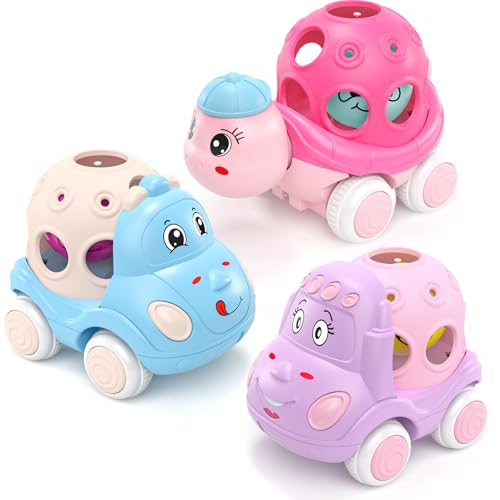
Plastic and rubber toys are quite durable and easy to clean. You can wash these toys with mild soap and warm water. Simply scrub them with a cloth or sponge to remove any dirt. If the toy is dishwasher-safe, toss it in for a thorough wash. Don't forget about toys with small holes or crevices; these can harbor germs. Use a toothpick or small brush to reach those tricky spots. Consider using a mix of water and vinegar for an extra level of sanitation.
Wooden Toys
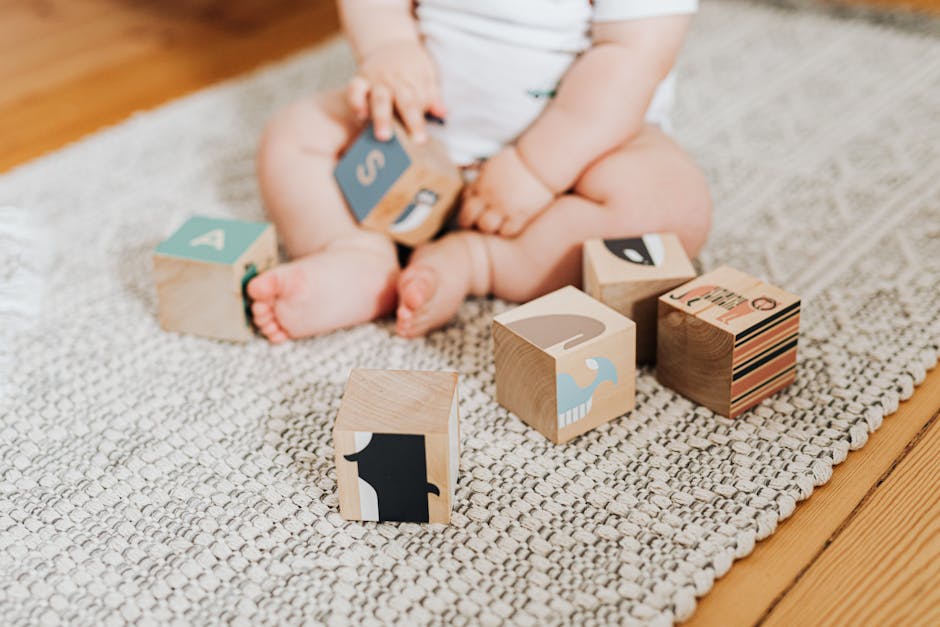
Wooden toys require gentle care to avoid damage. Use a damp cloth with mild soap to wipe them down. Avoid soaking or rinsing them under running water, as this can cause the wood to warp or crack. For stubborn stains, a little baking soda on a damp cloth can work wonders. Keep wooden toys dry and store them in a well-ventilated area to prevent mold. Ever noticed how wooden toys seem to develop a natural shine over time? That's their resilience.
Fabric And Plush Toys
Fabric and plush toys can be a bit trickier to clean. Check the label first for washing instructions. Most can be machine washed on a gentle cycle with mild detergent. For toys that can't be machine washed, spot-clean with a cloth and soapy water. Freshen up plush toys by placing them in the dryer with a clean towel on a low setting. Do you have a beloved plush toy that needs extra care? Consider using a garment bag to protect it during washing.
Electronic Toys
Electronic toys require careful handling due to their delicate components. Use a dry cloth or compressed air to remove dust. For sticky spots, lightly dampen a cloth with water and mild soap, ensuring no moisture seeps into the electronic parts. Regularly check battery compartments for leakage. Are there toys with touchscreens in your collection? Consider using a screen-cleaning solution for clarity and hygiene. Regular maintenance can extend their life significantly.
Cleaning your baby’s toys doesn't have to be a daunting task. With the right methods, each toy can be sanitized effectively without compromising its integrity. What cleaning challenges have you faced with your child's toys, and how did you overcome them? Share your experiences or any tips that work for you!
Natural Cleaning Solutions
Parents often worry about using harsh chemicals on baby toys. Natural cleaning solutions offer a safe alternative. They clean effectively without harmful residues. These solutions are easy to make at home. Let's explore some popular options.
Vinegar And Water Solution
Vinegar is a natural disinfectant. Mix equal parts vinegar and water in a spray bottle. Spray the solution on the toys. Let it sit for a few minutes. Wipe clean with a soft cloth. This method kills many germs. It also removes dirt and grime.
Baking Soda Paste
Baking soda is a great cleaner. Make a paste with water and baking soda. Apply the paste to the toys. Use a soft brush for scrubbing. Rinse thoroughly with water. Baking soda removes stains. It also neutralizes odors.
Essential Oils
Essential oils add a pleasant scent. They also have antibacterial properties. Add a few drops to your cleaning solution. Tea tree and lavender oils work well. Mix with water in a spray bottle. Spray on toys and wipe clean. Essential oils offer a natural fragrance. They also enhance cleaning power.
Using Dishwashers For Toy Sanitization
Sanitizing baby toys is crucial for keeping germs at bay. Dishwashers offer a convenient way to clean and sanitize toys. Not all toys are dishwasher-safe. Knowing which toys can go in the dishwasher is important for effective cleaning.
How Dishwashers Help Sanitize Toys
Dishwashers use hot water and steam to sanitize. This method kills bacteria and germs on toys. The heat helps remove stubborn dirt. It ensures toys are safe for babies.
Choosing Dishwasher-safe Toys
Plastic toys are usually dishwasher-safe. Check the labels for dishwasher compatibility. Avoid putting electronic or plush toys in the dishwasher. These items can get damaged.
Preparing Toys For The Dishwasher
Rinse toys to remove large debris. Place them securely in the dishwasher rack. Use a gentle cycle if available. This prevents damage during washing.
Using The Right Dishwasher Settings
Use a high-temperature setting for effective sanitization. This maximizes germ removal. Choose a cycle without harsh detergents. Mild detergents are safer for baby toys.
Post-wash Care For Sanitized Toys
Dry toys thoroughly after washing. Air drying is recommended. Inspect toys for any damage before giving them to your baby. Safe toys mean happy playtime.

Credit: maggymaid.com
Sanitizing With Boiling Water
Boiling water sanitizes baby toys effectively. It kills germs and bacteria quickly. Place toys in boiling water for five minutes. Ensure toys are heat-resistant and safe for this method.
Sanitizing baby toys is essential to keep your little one safe from germs. One effective method is using boiling water, a straightforward and natural way to ensure cleanliness. It’s a technique that many parents rely on, especially for toys that can withstand high temperatures. But how exactly do you go about it?
Step-by-step Process
Start by inspecting the toy. Ensure it is made of materials that can tolerate boiling water, like hard plastic or silicone. Soft toys or those with electronic components should be sanitized differently. Bring a pot of water to a rolling boil. Place the toys carefully in the boiling water, making sure they're fully submerged. This step is crucial to ensure all surfaces get sanitized. Let the toys boil for at least five minutes. This duration allows the heat to kill most germs effectively. Use a kitchen timer to avoid under or over-boiling, which could damage the toys.
Safety Precautions
Be cautious when handling boiling water. Use tongs to place and remove the toys from the pot. This prevents accidental burns and keeps your hands safe. After boiling, let the toys cool down on a clean towel. This step prevents any residual heat from causing burns when the toys are handled. Inspect the toys for any damage. Sometimes the heat may cause cracks or deformities, especially in toys that are not heat-resistant.
Personal Insights
I once boiled my child's favorite toy without checking its heat tolerance. It was a learning experience, reminding me to always check labels and materials first. This approach also reassured me that my child’s toys were truly clean. Knowing the germs were eliminated gave me peace of mind during playtime.
Final Thoughts
Have you ever tried boiling your baby’s toys? It's a simple yet effective method. As you sanitize, consider the toy's material and any potential damage. What other methods have you found effective? Share your experiences and tips, as they might help another parent navigate the world of toy sanitization.
Uv Light Sanitizers
Sanitizing baby toys becomes simple with UV light sanitizers. These devices use ultraviolet rays to kill germs. Parents can ensure toys are clean without using harsh chemicals, keeping their little ones safe.
Sanitizing baby toys is crucial for maintaining a healthy environment for your little one. Among various methods, UV light sanitizers stand out as a modern and efficient solution. These gadgets use ultraviolet light to kill bacteria and viruses on the surface of toys. They're quick, effective, and don't require any harsh chemicals, making them an attractive option for parents looking to protect their children from germs.
What Are Uv Light Sanitizers?
UV light sanitizers are devices that emit ultraviolet rays to disinfect surfaces. They work by breaking down the DNA of bacteria and viruses, effectively eliminating them. You simply place the toy inside the sanitizer, close the lid, and let the light do its work. It's a simple process that delivers peace of mind.
Benefits Of Uv Light Sanitizers
One of the main advantages of UV sanitizers is their efficiency. They can sanitize toys in minutes, which is especially handy for busy parents. Additionally, they don't leave any residue or smell, unlike cleaning solutions. This means you can trust that your child's toys are safe and clean without any lingering chemicals.
How To Use Uv Light Sanitizers Safely
While UV sanitizers are generally safe, it's important to follow the manufacturer's instructions. Ensure that the toys are placed correctly and the lid is securely closed during operation. Avoid looking directly at the UV light, as it can be harmful to the eyes. Always keep the device out of reach of children.
Choosing The Right Uv Light Sanitizer
There are various models available, from portable versions to larger units for multiple toys. Consider how often you'll need to sanitize and the size of your toys. Some units come with added features like timers and automatic shut-off for convenience. Read reviews and compare different models to find one that best fits your needs.
Personal Experience With Uv Light Sanitizers
When my baby started teething, everything became a chew toy. I needed a fast and reliable way to sanitize toys without using chemicals. That's when I discovered UV light sanitizers. They transformed my cleaning routine and gave me peace of mind. Knowing the toys were germ-free was a relief. Have you ever thought about the invisible germs lurking on your baby's toys? UV light sanitizers offer a hassle-free solution. They’re not just a gadget, but a tool that can make your life easier and safer. Would you consider trying one for your child's toys?
Frequency Of Cleaning
Sanitize baby toys regularly to keep them safe from germs. Use mild soap and warm water for washing. Disinfect with a baby-safe solution to ensure thorough cleaning.
Keeping baby toys clean is essential for your child's health. But how often should you clean them? The frequency of cleaning baby toys depends on several factors, including how often your child uses them and where they play. Regular cleaning not only prevents the spread of germs but also maintains the toys in good condition. Consider how often your child plays with their toys.
How Often Do They Play?
If your child plays with certain toys daily, those toys need frequent cleaning. You might want to clean them weekly or even more often if your child is sick. Toys that are touched less frequently can be cleaned bi-weekly or monthly. Think about where your child plays with these toys.
Where Are The Toys Used?
Are the toys primarily used indoors or outdoors? Indoor toys might accumulate dust and germs from household items, while outdoor toys are exposed to dirt and bacteria from outside. Outdoor toys may need more frequent cleaning to ensure they are safe for your child. Reflect on your child's health and habits.
Your Child's Health And Habits
If your child has been ill, it's crucial to sanitize their toys immediately after recovery. This prevents re-infection and spreads germs to others. Also, if your little one tends to chew on toys, cleaning becomes even more crucial. Ask yourself, how clean is your child's play area?
Cleanliness Of Play Area
A clean play area contributes to less dirty toys. If you maintain a tidy space, you might not need to clean the toys as frequently. However, if the play area is shared with pets or other children, consider increasing the cleaning frequency. Incorporate cleaning into your routine.
Routine Cleaning Schedule
Establishing a cleaning routine can help ensure toys are regularly sanitized. Perhaps every weekend you set aside time to clean all toys, or maybe you choose one day a week for a quick wipe-down of frequently used toys. Ultimately, the frequency of cleaning baby toys varies based on your child’s habits and environment. Regular assessment and adjustments to your cleaning routine can ensure your child's toys remain safe and hygienic. How often do you clean your child's toys, and why?
Storing Clean Toys
Keeping baby toys clean is crucial for your child's health. But, storing them properly is equally important. Clean toys can quickly get dirty if not stored correctly. Proper storage ensures toys remain germ-free and last longer. Let's explore how to store clean toys effectively.
Choose The Right Storage Containers
Opt for containers with lids to keep dust away. Plastic bins are great for easy cleaning. Ensure the containers are large enough for air circulation. Clear bins help you see what’s inside without opening them.
Label And Organize
Label each container for easy identification. Use categories like "soft toys" or "blocks." This method helps in quickly finding what you need. Organized storage saves time and keeps toys clean.
Store In A Dry Area
Avoid storing toys in damp or humid places. Moisture can lead to mold growth on toys. Choose a dry, well-ventilated area for storage. This keeps toys safe and hygienic.
Rotate Toys Regularly
Rotate toys to reduce wear and tear. This keeps the toy collection fresh and exciting. Use one set of toys while storing others. Regular rotation also helps in maintaining cleanliness.

Credit: www.whattoexpect.com
Signs A Toy Needs Replacement
Cracks, fading colors, or missing parts signal a toy's replacement is due. Regular sanitizing helps keep baby toys safe and clean. Look for signs of wear to ensure they remain suitable for play.
As a parent, you want your baby’s toys to be both fun and safe. However, toys don't last forever. They get worn out, lose parts, or simply aren't safe anymore. Recognizing the signs that a toy needs replacement is crucial for your baby's safety and enjoyment. Let's dive into what to look out for and how you can ensure your child’s playthings are always up to standard.
Cracks And Breaks
Tiny cracks might seem harmless, but they can quickly become a bigger problem. They might lead to sharp edges or small parts breaking off, posing a choking hazard. Regularly inspect toys for any visible damage. If you find a crack, consider whether it can be fixed or if it's time to let go of the toy.
Missing Parts
Have you ever noticed a toy looking a little different, only to realize a piece is missing? Missing parts can affect the toy's functionality and safety. Especially for toys with small removable parts, missing pieces can be a choking risk. Always check toys after playtime to ensure all parts are intact.
Color Fading
Over time, a toy’s vibrant colors can fade, indicating wear and tear. While fading itself isn’t always a safety issue, it might suggest the toy has been exposed to elements that could compromise its integrity. Ask yourself if the toy still serves its purpose and if it's worth keeping around.
Odor
A toy shouldn't have a strong smell. If it does, it might be harboring bacteria or mold. An unpleasant odor can be a sign that the toy needs a thorough cleaning or even replacement. Trust your instincts—if a toy smells off, it’s better to be safe and replace it.
Age Appropriateness
As your baby grows, toys that were once suitable might not be anymore. Toys designed for younger babies might not challenge or engage an older child. Check the manufacturer’s age recommendations and consider whether the toy still fits your child's developmental stage.
Sentimental Value Vs. Safety
Sometimes, it’s hard to let go of toys with sentimental value. You might hold onto them for the memories they bring. However, safety should always be the priority. Reflect on whether the toy is still safe for play. If not, it may be time to retire it, despite the emotional attachment. Have you noticed any of these signs in your child's toys? Keeping a vigilant eye on their condition ensures a safe and joyful playtime experience for your little one. So, next time you pick up a toy, take a moment to inspect it—your child's safety is worth it.

Credit: www.reddit.com
Frequently Asked Questions
How Often Should I Clean Baby Toys?
Cleaning frequency depends on usage and exposure. It's best to sanitize toys weekly. If a toy is frequently used or shared, sanitize it more often. Regular cleaning prevents germ buildup and ensures your baby's health.
Can I Use Bleach On Baby Toys?
Bleach can be harsh and isn't recommended for baby toys. Opt for mild soap and water or vinegar solutions instead. These options are safer and effective for sanitizing without harmful residues.
What Is The Safest Way To Sanitize Toys?
The safest method is using warm soapy water. Rinse thoroughly and air dry. For extra germ protection, use a vinegar solution. These methods are gentle, effective, and safe for your baby.
Are Disinfecting Wipes Safe For Toys?
Disinfecting wipes can be safe if used properly. Ensure they're baby-safe and non-toxic. Follow instructions carefully and allow toys to dry completely before use. This ensures toys are safe for your baby.
Conclusion
Keeping baby toys clean ensures your child's safety and health. Regular cleaning prevents the buildup of germs and bacteria. Use mild soap and water for most toys. For more delicate items, consider using vinegar or baking soda solutions. Always check toy labels for cleaning instructions.
Dry toys thoroughly to avoid mold. Remember to sanitize toys after sickness or playdates. A clean toy is a happy toy, and a happy toy means a happier child. Prioritizing cleanliness keeps your baby safe and gives you peace of mind.