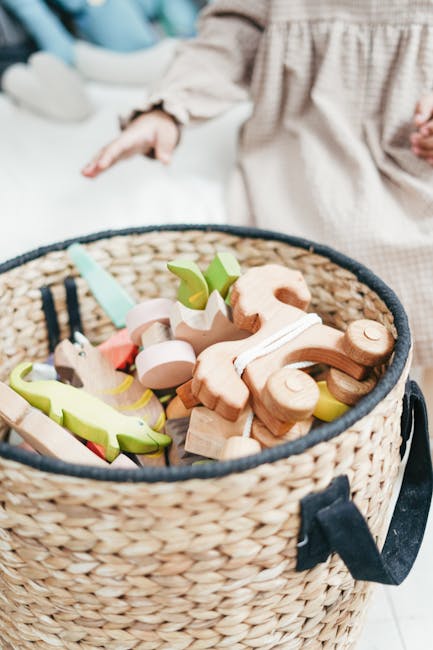
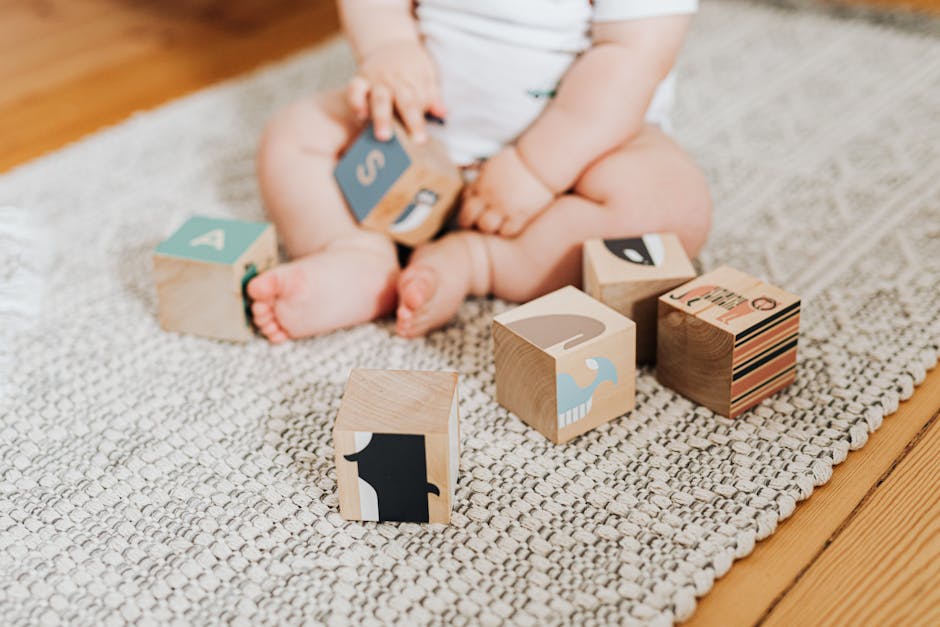
As a parent, nothing is more important than the safety and well-being of your child. You carefully choose every toy, especially those charming wooden ones that are both beautiful and durable.
But have you ever wondered how to keep these toys clean and germ-free without causing damage? You’re not alone. Many parents share this concern, and understanding how to effectively disinfect wooden baby toys can bring peace of mind. Imagine the reassurance of knowing your little one can play safely with toys that have been properly cleaned.
This guide will show you simple, effective methods to disinfect wooden toys, ensuring they remain safe and long-lasting for your child’s enjoyment. Keep reading to discover how you can easily maintain a clean and healthy play environment for your baby.
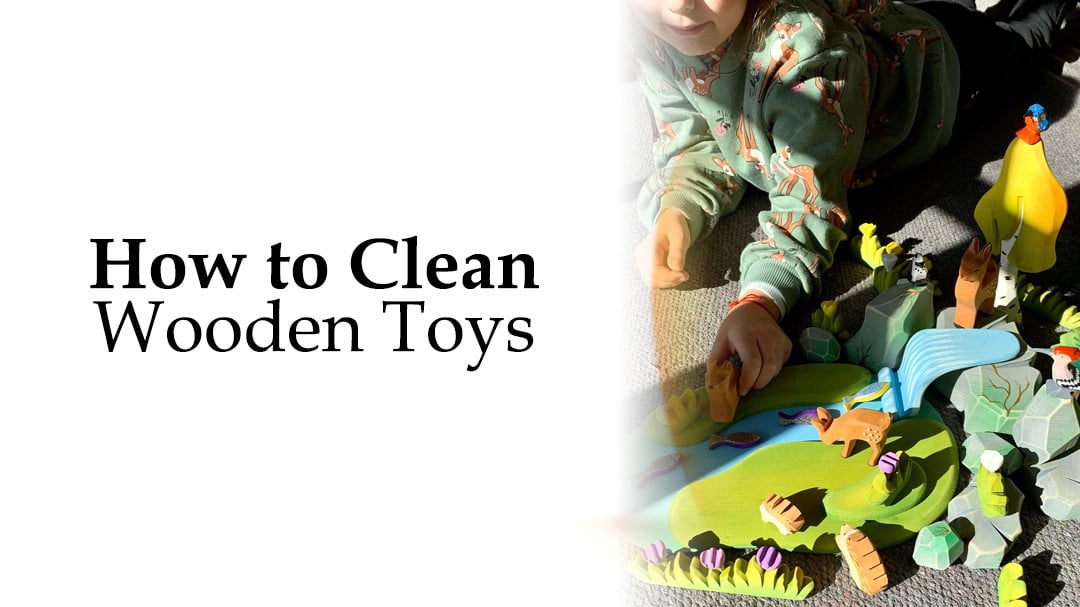
Credit: www.bumbutoys.com
Importance Of Clean Toys
Parents want the best for their children. Clean toys are essential for their health. Germs can hide on toy surfaces. These germs may cause illnesses. Keeping toys clean helps prevent this. Clean toys ensure a safer play environment.
Wooden toys are popular for their durability. They are often chosen for babies. Yet, these toys can collect germs too. Regular cleaning is necessary. It keeps the toys safe for little ones. Disinfecting ensures peace of mind for parents.
Why Clean Wooden Toys?
Wooden toys have natural surfaces. They can absorb dirt and bacteria. Cleaning removes these harmful particles. This prevents germs from spreading. Clean toys support healthy play. Children can enjoy their toys without worry.
Health Benefits Of Clean Toys
Clean toys reduce the risk of infections. Babies often put toys in their mouths. This increases the chance of germ transfer. Regular cleaning limits exposure. It helps maintain a child’s health. It also reduces chances of common colds.
Peace Of Mind For Parents
Parents feel better when toys are clean. They know their children are safer. Clean toys show a commitment to health. It reassures parents of a healthy playtime. This peace of mind is priceless. It allows parents to focus on fun.
Environmental Benefits
Wooden toys are eco-friendly. Proper cleaning extends their life. This reduces waste. Clean toys can be passed down. It supports sustainable practices. It’s a win for the planet and for families. Safe, clean, and long-lasting toys.
Understanding Wooden Toys
Wooden toys hold a special charm and nostalgia for many parents. Their natural texture and durability make them a preferred choice for babies. But to keep them safe for play, understanding their nature is crucial. Wooden toys require specific care to maintain their quality and ensure hygiene. Let's explore what makes these toys unique and how best to care for them.
Understanding The Material
Wooden toys are crafted from various types of wood. Each type has its own characteristics. Common woods include maple, beech, and cherry. These woods are known for their strength and durability. They are often left untreated or finished with natural oils. This keeps them safe for children.
Benefits Of Wooden Toys
Wooden toys are free from harmful chemicals found in plastics. They offer a tactile experience that enhances sensory development. Their weight provides a different feel compared to plastic toys. This helps in developing motor skills. Wooden toys are also environmentally friendly. They are biodegradable and sustainable.
Challenges In Cleaning Wooden Toys
Wood is porous and can absorb moisture. This makes cleaning a bit tricky. You can't just submerge them in water like plastic toys. Excessive moisture can cause warping or mold. So, understanding how to disinfect them properly is important. Proper care ensures they last longer and remain safe for use.
Safe Cleaning Materials
Disinfecting wooden baby toys requires safe cleaning materials. Use a mild soap solution with warm water to gently wipe surfaces. Avoid harsh chemicals to maintain both safety and toy integrity.
Choosing the right cleaning materials for wooden baby toys is crucial for maintaining their longevity and ensuring your child's safety. You want to use products that clean effectively without leaving harmful residues. It's a balancing act—keeping toys hygienic while protecting your little one's health. The key is in selecting safe cleaning materials that are both gentle and effective.
Natural Ingredients
Using natural ingredients is not only better for the environment, but it's safer for your baby. You can use a mixture of vinegar and water for cleaning. This solution is great for disinfecting without harsh chemicals. Lemon juice is another natural cleaner. It's effective at breaking down dirt and smells fresh. Plus, it's safe if ingested in small amounts. You might already have these items in your kitchen, making them an easy and accessible choice. Why spend on expensive cleaners when nature offers safer alternatives?
Avoiding Harmful Chemicals
When cleaning wooden toys, you should steer clear of products with strong chemicals. These can leave residues that are harmful if your baby puts the toys in their mouth. Be wary of cleaners with bleach or ammonia. They might disinfect well, but they pose risks to your child’s health. Instead, opt for mild soap and water. This combination is gentle yet effective in removing dirt. Have you ever checked the labels on cleaning products? Many list ingredients you can't even pronounce. Stick to simple solutions for peace of mind. Choosing safe cleaning materials is about being proactive. You want to protect your child while keeping their toys clean. Wouldn't you agree that safety should always come first?

Credit: us.sportsdirect.com
Step-by-step Cleaning Process
Keeping wooden baby toys clean ensures your child's safety. Toys can accumulate germs and bacteria over time. Regular cleaning helps maintain hygiene. Follow this step-by-step process for effective cleaning.
Preparing The Toys
Begin by gathering all wooden toys. Check for any damaged parts. Remove dirt and debris with a dry cloth. Ensure toys are free of loose parts. Avoid using harsh chemicals. Choose natural cleaning solutions.
Cleaning Techniques
Mix warm water with mild soap. Dip a soft cloth into the solution. Gently wipe each toy's surface. Pay attention to edges and corners. Avoid soaking the toys. Use vinegar for stubborn stains.
Drying Methods
Place toys on a clean towel. Allow air drying to prevent moisture damage. Avoid direct sunlight. Sunlight can cause fading. Ensure toys are completely dry. Store in a cool, dry place.
Frequency Of Cleaning
Wooden baby toys bring joy to little ones. They are durable and safe. But keeping them clean is crucial. Germs and dirt can build up quickly. Regular cleaning is needed to ensure a safe play environment. Parents often ask, how often should these toys be cleaned? Understanding the frequency of cleaning can help maintain hygiene.
Daily Cleaning For Frequently Used Toys
Some toys are used daily. These toys should be cleaned every day. Babies love to chew and drool on toys. Daily cleaning prevents bacteria growth. Simply wiping with a damp cloth can suffice. This keeps toys fresh and safe.
Weekly Cleaning For Less Used Toys
Less used toys need weekly attention. These toys gather dust and dirt over time. A thorough cleaning once a week is ideal. Use warm water and mild soap. This routine ensures toys remain clean and hygienic.
Monthly Deep Cleaning
Monthly deep cleaning is recommended. It involves more thorough cleaning methods. Consider using disinfectants safe for wood. Ensure all residues are washed away. This step helps eliminate stubborn germs. It maintains toy quality for longer.
Seasonal Inspection And Cleaning
Check toys every season. Look for cracks or damage. Damaged toys can harbor bacteria. Replace or repair them if necessary. Seasonal cleaning ensures toys remain in good condition. It is vital for long-term toy safety.
Storing Clean Toys
Wooden baby toys need special care to stay clean and safe. Wipe them with a cloth dipped in vinegar and water. Let them air dry completely before storing to prevent damage.
Storing clean toys is essential for maintaining a safe play environment. Wooden baby toys require special care to keep them in good condition. Proper storage prevents dust and germs from accumulating. Follow these steps to ensure your toys stay clean and ready for play.
Proper Storage Conditions
Store wooden toys in a dry place. Moisture can damage wood and encourage mold growth. Use a clean, dry shelf or container. Ensure toys are not exposed to direct sunlight. This prevents fading and cracking. Keep the storage area at a stable temperature. Avoid extreme heat or cold.
Avoiding Contamination
Separate clean toys from dirty ones. Use labeled bins for organization. This prevents cross-contamination. Regularly check storage containers for cleanliness. Wipe them down if necessary. Keep toys away from food areas. This reduces the risk of germs. Store toys above floor level. Avoid contact with dirt and dust. These practices help maintain the integrity of wooden toys. They also ensure a healthier playtime for your baby.
Handling Special Cases
Disinfecting wooden baby toys requires special attention in certain scenarios. These toys often come with unique features that demand careful handling. Below, we explore specific cases and offer effective cleaning tips.
Painted And Finished Toys
Painted wooden toys need gentle care. Use a soft cloth dampened with a mild soap solution. Avoid soaking the toys, as excess water can damage the paint. Wipe the toys gently, ensuring all surfaces are cleaned. Rinse the cloth and wipe the toys again to remove soap residue. Dry the toys with a clean, dry cloth. Ensure they are completely dry before use.
Toys With Accessories
Toys with accessories require extra attention. Remove any detachable parts before cleaning. Clean each part separately using the appropriate method. For wooden sections, use a mild soap solution. For fabric parts, check the care label for washing instructions. Ensure each piece is thoroughly dried before reassembly. This prevents moisture-related damage and maintains toy safety.
Common Mistakes
Disinfecting wooden baby toys is crucial for your child's health. But many parents make common mistakes while cleaning these toys. These errors can reduce the toy's lifespan or leave germs behind.
Common Mistakes In Using Harsh Chemicals
Harsh chemicals can damage wooden toys. They may strip away natural oils. This can cause the wood to dry out and crack.
Some chemicals are unsafe for children. They may leave harmful residues on the toy's surface. Always read the label before using any product.
Common Mistakes In Over-wetting The Toys
Water can warp wood. Over-wetting toys can lead to permanent damage. Dampness can cause mold to grow in hidden areas.
Use a damp cloth, not a soaked one. Make sure to dry toys completely after cleaning.
Common Mistakes In Ignoring Small Crevices
Small crevices often hide germs. Many parents overlook these areas. Dirt and germs can accumulate over time.
Use a toothbrush or cotton swab for cleaning small spaces. Pay attention to toy joints and corners.
Common Mistakes In Using Improper Tools
Steel wool and abrasive sponges scratch wooden surfaces. Scratches can harbor bacteria and spoil the toy's appearance.
Use soft cloths or gentle brushes instead. They clean effectively without causing damage.
Common Mistakes In Skipping Regular Cleaning
Toys need regular cleaning. Many parents wait until toys look dirty. Germs and bacteria can grow even on clean-looking toys.
Set a routine for cleaning toys every week. Regular maintenance keeps toys safe and hygienic.
Benefits Of Clean Wooden Toys
Disinfecting wooden baby toys ensures a safe play environment. Clean toys reduce germs and bacteria, keeping children healthy. Use a mild soap and water solution, then dry thoroughly to maintain the wood's quality. This simple care extends the life of the toys while ensuring they remain safe for little ones.
Cleaning wooden baby toys is an essential task for parents who prioritize their child's health and safety. Clean toys not only prevent the spread of germs but also ensure that your child's playtime is safe and enjoyable. So, what are the benefits of clean wooden toys? Let's dive into why maintaining cleanliness is crucial for these charming playthings.
Preserving Natural Beauty
Wooden toys have a unique appeal due to their natural textures and colors. Regular cleaning keeps these toys looking fresh and vibrant. When toys are free from dust and dirt, they maintain their charm and character, making playtime more engaging for your child.
Ensuring Safety
Clean toys are safe toys. Wooden toys can harbor bacteria if not cleaned properly. By disinfecting them regularly, you minimize the risk of infections. Imagine your child playing without worry, knowing each toy is safe to touch and explore. It's peace of mind every parent deserves.
Enhancing Durability
Proper cleaning extends the lifespan of wooden toys. Dirt and grime can wear down their surface over time. A simple cleaning routine protects the wood, ensuring the toys last through countless play sessions. It's like giving your child a toy that grows with them.
Encouraging Healthy Play
Clean toys promote healthy play habits. When toys are free from contaminants, your child can safely engage in imaginative play. This fosters creativity and development, allowing your child to explore new scenarios and ideas without any hindrance.
Building Good Habits
Teaching your child the importance of cleanliness can start with their toys. Involving them in the cleaning process helps instill a sense of responsibility and hygiene. Wouldn't it be wonderful if your child grows up understanding the value of cleanliness in all aspects of life? Ensuring wooden toys are clean is not just about appearance; it's about creating a safe, durable, and healthy play environment for your child. So, next time you pick up a wooden toy, consider the simple act of cleaning it as a step towards nurturing your child's well-being.
Credit: simplegreen.com
Frequently Asked Questions
How Often Should Wooden Baby Toys Be Disinfected?
Disinfect wooden baby toys once a week to maintain cleanliness. Regular disinfection helps prevent bacteria buildup. If the toy is frequently used or shared, consider cleaning it more often. Always ensure the toy is completely dry before giving it back to the child to prevent mold.
What Is The Safest Disinfectant For Wooden Toys?
Use a natural solution like vinegar and water for safety. Mix equal parts of vinegar and water in a spray bottle. Spray lightly on the toy and wipe with a soft cloth. Avoid harsh chemicals as they can damage the wood and pose risks to children.
Can I Use Bleach To Clean Wooden Baby Toys?
Avoid using bleach on wooden toys as it can be harsh. Bleach may damage the wood’s surface and leave harmful residues. Instead, opt for gentle, non-toxic cleaning solutions. Natural alternatives like vinegar and water are safer and effective for disinfecting wooden toys.
Are Wooden Toys Dishwasher Safe For Cleaning?
Wooden toys are not dishwasher safe. The heat and water exposure can warp and damage the wood. Hand-wash them with mild soap and water instead. Ensure the toys are thoroughly dried to prevent mold. This method preserves the toy's quality and ensures safety for your child.
Conclusion
Disinfecting wooden baby toys keeps your child safe and healthy. It's simple and quick. Regular cleaning prevents germs and bacteria. Use mild soap and warm water. Avoid harsh chemicals. Dry toys completely to prevent damage. A clean play environment offers peace of mind.
Check toys for any wear or cracks. Replace if necessary to ensure safety. Your baby deserves clean and safe toys. Keep these tips handy for easy cleaning. Happy parenting and enjoy playtime with your little one!