
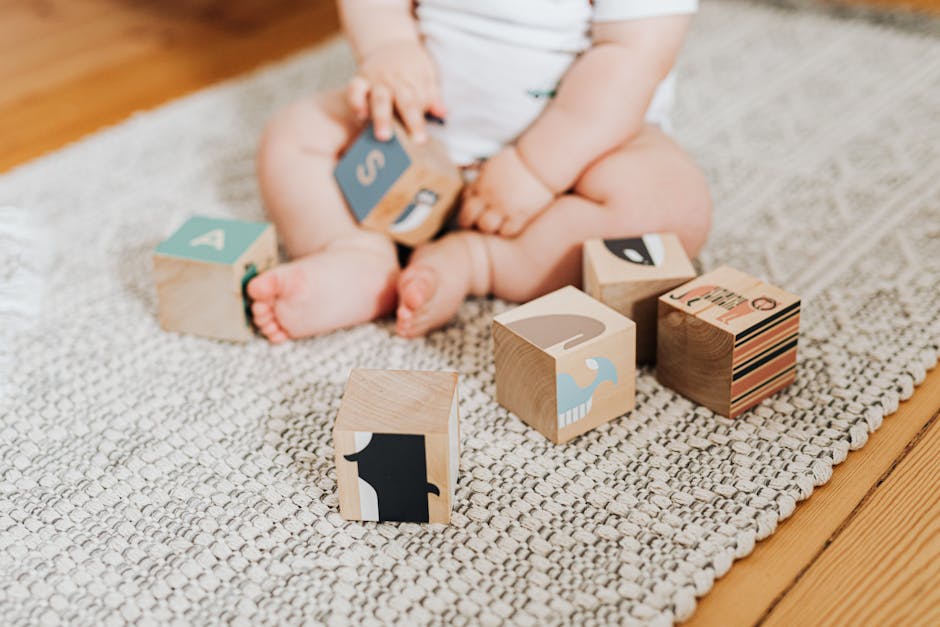
You want the best for your little one, and that includes the toys they play with. Wooden baby toys are a timeless choice, cherished for their durability and natural appeal.
But how do you ensure these toys are clean and safe for your child? You might worry about using the right cleaning methods without damaging the wood or introducing harsh chemicals. Rest easy, as we've got you covered. In this guide, you'll discover simple, effective ways to clean wooden baby toys, ensuring they remain a safe and cherished part of your child's playtime.
Keep reading to unlock the secrets to keeping your baby's toys both clean and beautiful.
Credit: www.mothermag.com
Importance Of Cleaning Wooden Toys
Wooden baby toys require regular cleaning to maintain their safety and durability. Use mild soap and water, gently scrubbing the surface to remove germs and dirt. Ensure thorough drying to prevent mold, keeping these toys safe for little hands.
Cleaning wooden baby toys is crucial for maintaining your child's health. You might wonder why wooden toys need such attention. They are often in direct contact with your baby's hands and mouth, making them a potential source of germs. Ensuring these toys are clean can prevent the spread of bacteria and viruses, keeping your little one safe and healthy.
Why Cleaning Wooden Toys Is Essential
Wooden toys are known for their durability and natural beauty. However, their porous nature can harbor bacteria if not cleaned regularly. Imagine your baby playing with a toy that hasn't been cleaned for weeks. The germs accumulated can lead to infections. Regular cleaning helps ensure that your child plays in a safe environment.
Benefits Of Clean Wooden Toys
A clean toy is not just about hygiene; it’s also about longevity. Proper cleaning can help preserve the wood's quality, preventing warping and staining. This means your child's favorite toy will last longer. Plus, clean toys are more appealing, making playtime more enjoyable for your child.
How Often Should You Clean Them?
Cleaning frequency depends on usage. If your baby uses a particular toy daily, it should be cleaned at least once a week. Toys that are less frequently used can be cleaned monthly. Regular cleaning schedules can be a part of your routine, ensuring you never miss out on maintaining a safe play environment.
Simple Cleaning Techniques
Cleaning wooden toys doesn’t need to be complicated. A simple wipe with a damp cloth can do wonders. You can also use a mixture of water and mild soap for deeper cleaning. Avoid soaking the toys in water to prevent damage. Once cleaned, make sure they are thoroughly dried.
Are Natural Cleaners Effective?
You might prefer natural cleaning solutions over chemical ones. Vinegar mixed with water is a popular choice. It’s effective and safe for your baby. Lemon juice can also be used for its antibacterial properties. These natural cleaners ensure that no harmful residues are left on the toys.
Personal Experience: A Game Changer
I once overlooked cleaning my child's wooden blocks for a month. When I finally cleaned them, I noticed a visible difference in their appearance. They looked brighter and felt smoother. This taught me the importance of regular cleaning and the impact it has on the toys’ longevity. Cleaning wooden baby toys is an essential part of parenting. It’s not just about keeping things tidy; it’s about ensuring the health and safety of your child. So, how often do you clean your child's toys? Could you incorporate these practices into your routine for a healthier play environment?
Materials Needed For Cleaning
To clean wooden baby toys, gather mild soap, warm water, and a soft cloth. Avoid harsh chemicals to protect the wood. Gently wipe toys, ensuring they are completely dry before use.
Cleaning wooden baby toys is essential for maintaining hygiene. It ensures your baby's safety during playtime. Using the right materials is crucial. This will prevent damage to the toys and protect your child's health. Here's what you need to clean wooden baby toys effectively.
Safe Cleaning Agents
Choosing safe cleaning agents is vital. Opt for mild soap and warm water. Avoid harsh chemicals that might harm your baby. White vinegar is a natural alternative. It has antibacterial properties and is gentle on wood. Use diluted vinegar for cleaning. This ensures the toys remain safe for your baby.
Essential Tools
Gather essential tools for the cleaning process. Use a soft cloth for wiping. Microfiber cloths work well. They remove dirt without scratching the wood. A soft-bristle brush helps with stubborn spots. It reaches into grooves and corners. Ensure the brush is clean before use. A spray bottle is handy for applying cleaning solutions evenly.
Step-by-step Cleaning Process
Cleaning wooden baby toys involves gentle steps. Begin by wiping with a damp cloth to remove dust. Use mild soap and water for stubborn stains, then dry thoroughly to prevent warping. Avoid harsh chemicals to protect the wood and your child's safety.
Regular cleaning keeps toys hygienic and ready for play.
Cleaning wooden baby toys can seem like a daunting task, especially if you're worried about using harsh chemicals around your little one. However, keeping these toys clean is crucial for your child’s health and the longevity of the toys. By following a step-by-step cleaning process, you can ensure the toys remain safe and inviting for play. Let's dive into the nitty-gritty of cleaning those charming wooden toys.
Pre-cleaning Preparations
Before you start cleaning, gather all the toys you plan to clean. Check them for any damage like cracks or splinters, as these can harbor bacteria. If you find any, set those toys aside for repair. Create a dedicated cleaning space, preferably in a well-ventilated area. Lay down a clean cloth or towel to protect the toys and catch any drips.
Cleaning Solutions And Techniques
Avoid harsh chemicals that might be harmful. Instead, opt for natural cleaning solutions like a mixture of mild dish soap and warm water. You can also use a solution made from equal parts of water and white vinegar. Use a soft cloth or sponge to gently wipe the toys. For stubborn spots, a soft-bristled toothbrush can be your best friend. Always ensure the cloth or sponge is damp, not soaking wet, to avoid water damage.
Drying And Storing Tips
After cleaning, drying the toys thoroughly is crucial. Use a clean, dry towel to wipe off any excess moisture. Then, let the toys air-dry completely by placing them on a drying rack. Avoid direct sunlight or heat sources that could warp the wood. Once dry, store the toys in a cool, dry place. Consider using a storage box or basket to keep them organized and dust-free. --- Have you ever wondered if your cleaning routine is thorough enough? Taking these steps can make a big difference. Not only will you keep your child safe, but you'll also extend the life of those beloved toys.
Common Mistakes To Avoid
Cleaning wooden baby toys might seem straightforward, but mistakes happen. These errors can affect the toys' lifespan and safety. Ensuring proper cleaning methods is essential for your child's health. Avoiding common mistakes will keep toys safe and long-lasting.
Using Harsh Chemicals
Avoid using strong chemicals to clean wooden toys. These can damage the wood and harm your child. Instead, use mild soap and water for cleaning.
Submerging Toys In Water
Wood absorbs water, leading to warping or mold. Never soak wooden toys. Wipe them with a damp cloth instead.
Not Drying Toys Properly
Leaving toys wet can cause mold growth. Always dry toys with a clean towel after cleaning. Ensure they're completely dry before storage.
Ignoring Cracks And Splinters
Inspect toys for cracks or splinters regularly. These can harm your child. Sand them gently to keep the toys smooth and safe.
Storing Toys In Humid Areas
Humidity can cause wood to swell and warp. Store toys in a cool, dry place. This prevents damage and extends their lifespan.
Maintaining Wooden Toys
Cleaning wooden baby toys involves gentle methods to preserve their quality. Use a damp cloth with mild soap for wiping. Ensure toys dry completely to prevent moisture damage. Regular cleaning keeps toys safe and looking fresh.
Maintaining wooden toys is essential to ensure they remain safe and enjoyable for your little one. Wooden toys are durable and can last for generations if cared for properly. However, they require a bit of attention and love to keep them in tip-top shape. Let's dive into how you can maintain these delightful toys and make them a cherished part of your child's playtime.
Regular Cleaning Schedule
Establishing a regular cleaning schedule is crucial for keeping wooden toys looking new. You might wonder how often to clean them. A quick wipe down once a week is typically sufficient. Use a damp cloth with mild soap and water. Avoid soaking the toys, as excess water can damage the wood. Dry them immediately with a clean towel to prevent moisture from seeping in.
Handling And Storage Tips
Handling wooden toys with care is key. Encourage your child to treat them gently, as rough play can lead to scratches or dents. When it comes to storing these toys, choose a dry, cool place. Avoid direct sunlight, which can fade their vibrant colors. Consider using a dedicated toy box or shelf to keep them organized and safe from damage. Do you have a special toy that's been passed down through generations? It's amazing how proper care can preserve its charm and history. Your wooden toys could one day be part of a treasured collection, so treat them with the respect they deserve.
Credit: simplegreen.com
Eco-friendly Cleaning Options
Wooden baby toys bring joy and creativity to playtime. Keeping them clean ensures safety. Eco-friendly cleaning options protect both the toy and the environment. These methods are simple and effective. They use natural ingredients and avoid harsh chemicals. Let's explore some eco-friendly ways to clean wooden baby toys.
1. Vinegar and Water Solution
Mix equal parts of vinegar and water. Dampen a cloth with the solution. Gently wipe the wooden toys. This mix disinfects and removes dirt. Vinegar is a natural cleaner. It is safe for most surfaces. Ensure the toys dry completely after cleaning.
2. Baking Soda Paste
Baking soda is a gentle abrasive. It removes stubborn stains. Make a paste with water and baking soda. Apply it to the stained area. Rub gently with a soft cloth. Rinse with a damp cloth. Let the toys dry thoroughly.
3. Lemon Juice and Olive Oil
Lemon juice cleans and deodorizes. Olive oil nourishes and protects wood. Mix a tablespoon of each. Use a cloth to apply the mixture. Wipe down the toys gently. This method leaves toys clean and shiny.
4. Soap and Warm Water
A mild soap and warm water work wonders. Use a soft cloth or sponge. Gently clean the toys, avoiding soaking. Rinse with a damp cloth. Ensure toys are thoroughly dried afterward. This method is simple and effective.
5. Steam Cleaning
Steam cleaning sanitizes without chemicals. Use a steam cleaner with a low setting. Pass the steam over the toys. This kills germs and bacteria. Ensure toys dry completely to prevent damage. Steam cleaning is quick and efficient.
Safety Considerations
Keep wooden baby toys clean to protect your child's health. Use mild soap and warm water for a gentle wash. Avoid harsh chemicals that can harm delicate surfaces.
Cleaning wooden baby toys requires careful attention to ensure they're safe for your little one. You want to protect your child from harmful chemicals and preserve the toys' condition. This involves selecting the right products and methods. Let's explore what you should consider to make sure you're doing it safely.
Non-toxic Products
Always prioritize non-toxic cleaning products. Babies love to put everything in their mouths, including toys. Ensure the products you use are free from harmful chemicals. Look for cleaners labeled as "baby-safe" or "organic." These options are typically free from harsh substances that could harm your baby. You can also make your own cleaning solution with water and mild soap. When cleaning, wipe down the toys and let them air dry completely. This ensures that any residue evaporates, leaving no traces behind.
Avoiding Damage
Wooden toys are sturdy, but they can be damaged with improper cleaning. Excessive moisture can warp the wood or cause it to crack. Use a damp cloth rather than soaking the toys in water. Gently wipe them and dry immediately with a soft towel. This prevents water from seeping into the wood. Test any new cleaning method on a small, inconspicuous area first. This way, you can ensure it doesn't discolor or damage the toy before applying it to the whole surface. Do you have a favorite wooden toy that you want to last for years? Consider these tips to keep it safe and sound for your child's endless playtime.

Credit: www.kidkraft.com
Frequently Asked Questions
How To Sanitize Wooden Baby Toys Safely?
To sanitize wooden baby toys, use a natural solution like vinegar or mild soap mixed with water. Gently wipe the toys with a damp cloth and allow them to air dry. Avoid submerging them in water to prevent damage. Regular cleaning helps maintain hygiene and keeps toys safe for babies.
Can I Use Bleach On Wooden Toys?
Avoid using bleach on wooden toys, as it can damage the wood and leave harmful residues. Instead, opt for natural cleaning solutions like diluted vinegar or mild soap. These are safe and effective for cleaning wooden surfaces, ensuring that your baby's toys remain non-toxic and in good condition.
How Often Should Wooden Baby Toys Be Cleaned?
Clean wooden baby toys every two weeks or after heavy use. Regular cleaning prevents the buildup of germs and dirt. Always inspect toys for any signs of damage or wear. Keeping toys clean ensures they are safe and hygienic for your baby to play with.
Are Wooden Toys Dishwasher Safe?
Wooden toys are not dishwasher safe, as the heat and water can cause them to warp or crack. Instead, clean them with a damp cloth and mild soap solution. This method preserves the integrity of the wood while effectively removing dirt and bacteria.
Conclusion
Cleaning wooden baby toys is simple and essential. Keeping toys clean ensures your child's health. Regular cleaning prevents germs and maintains toy quality. Use mild soap and water for a safe wash. Dry toys thoroughly to avoid damage. Avoid harsh chemicals, as they can harm.
A soft cloth is perfect for wiping. Always check for any damage or loose parts. Clean toys often to keep them safe and fun. Follow these tips for happy, healthy playtime. A clean toy means a healthy baby. Enjoy your child's play with peace of mind.