
Keeping your baby safe and healthy is your top priority. One important aspect is ensuring their toys are clean and germ-free.
You might wonder how to sanitize baby toys effectively and safely. It's crucial because babies explore the world by touching and putting things in their mouths. Germs can easily spread from toys to your little one, especially during playtime. You'll discover simple yet effective methods to sanitize baby toys.
You'll learn how to keep them clean without using harsh chemicals that could harm your baby. Dive in to find out how you can protect your baby's health with just a few easy steps!

Credit: www.reddit.com
Importance Of Toy Sanitation
Keeping baby toys clean is crucial for your child's health. Babies explore the world with their mouths. Their toys often end up in their tiny hands and mouths. This increases the risk of germs and bacteria spreading. Proper toy sanitation helps keep your child safe.
Why Germs Love Baby Toys
Toys can be a hotbed for germs. Think about all the places toys go. They touch floors, tables, and even outside. Germs from these surfaces transfer easily. Babies then put these toys in their mouths. This is a direct way for germs to enter their bodies.
Reducing Illness Through Clean Toys
Sanitizing toys can reduce the risk of illness. Clean toys mean fewer germs. Fewer germs mean less chance of colds or infections. Regular cleaning is essential. This keeps toys safe and parents worry-free.
Safe Playtime For Everyone
Other children play with your baby's toys too. This sharing spreads germs among kids. Clean toys ensure a safer play environment for everyone. It's not just about your child. It's about every child who plays.
Peace Of Mind For Parents
Knowing toys are clean brings peace. Parents can feel confident their child is safe. Regular cleaning routines are easy to establish. This peace of mind is priceless.
Common Germs On Baby Toys
Baby toys are a magnet for germs. As a parent, you might notice how toys often end up in your child's mouth or on the floor. With babies exploring the world through touch and taste, their toys become breeding grounds for bacteria, viruses, and other nasties. Understanding the common germs found on baby toys is crucial for keeping your little one healthy.
Let's face it: germs are everywhere, and baby toys are no exception. Toys can harbor bacteria like E. coli, which might be present due to food or drink spills. This bacteria can cause stomach upset and diarrhea.
Viruses like the common cold or flu can easily spread on toys. Imagine your baby sharing toys with a friend who has a runny nose—it's a quick way to transfer viruses.
Then there's mold. Toys left in damp environments, like a bath, can develop mold. Mold exposure can lead to respiratory issues or allergies in young children.
How Can You Combat These Germs?
Regular cleaning is your best defense. Start by wiping toys with a damp cloth to remove surface dirt. This simple act can reduce bacteria significantly.
Consider using baby-safe disinfectants. These products can eliminate viruses without harming your child's sensitive skin. Always check labels to ensure the product is safe for baby use.
For toys that can go in the dishwasher, take advantage of this. High temperatures in dishwashers can kill most germs effectively.
Are There Toys That Are More Susceptible?
Soft toys, like plush animals, can absorb saliva and sweat. These conditions are perfect for bacteria to thrive. Regular washing in the washing machine can keep them fresh.
Bath toys, with their constant exposure to water, are prone to mold. A simple soak in vinegar can help eliminate mold spores.
Teething toys, always in contact with a baby's mouth, need special attention. Sterilizing them regularly can prevent germ buildup.
Why Is It Important To Sanitize Baby Toys?
A clean toy is a safe toy. You want your child to explore without encountering harmful germs. Regular sanitization can prevent illnesses and discomfort.
Consider your child's immune system. It's still developing, and a simple cold can be more troublesome than you think. Sanitizing toys is a proactive step in protecting your child's health.
Ask yourself: Is there more you can do to keep your child's environment clean? Investing a little time in cleaning can pay off with fewer sick days.
Choosing Safe Cleaning Products
Sanitizing baby toys requires careful selection of safe cleaning products. Opt for mild soap and water to clean toys. Ensure thorough drying to prevent mold growth.
Choosing safe cleaning products for your baby's toys is a task that requires attention and care. Your baby is likely to explore the world by putting toys in their mouth, making it crucial to ensure these toys are free from harmful chemicals. Opting for the right cleaning products can help maintain a safe and healthy environment for your little one.
Understanding Ingredients
Always read the labels on cleaning products. Look for non-toxic and eco-friendly options. Products labeled "free from harsh chemicals" or "natural" are generally safer choices.
Avoiding Harmful Chemicals
Steer clear of bleach, ammonia, and other strong chemicals. These substances can leave harmful residues. Instead, choose plant-based cleaners which are gentle yet effective.
Testing New Products
Before using a new cleaning product on all toys, test it on a small area first. This ensures there won't be any adverse reactions. Testing can help you avoid potential damage to toys or skin irritations for your baby. Making your own cleaning solutions can be a safe alternative. A simple mix of vinegar and water works well for many toy types. It's cost-effective and free from harmful chemicals.
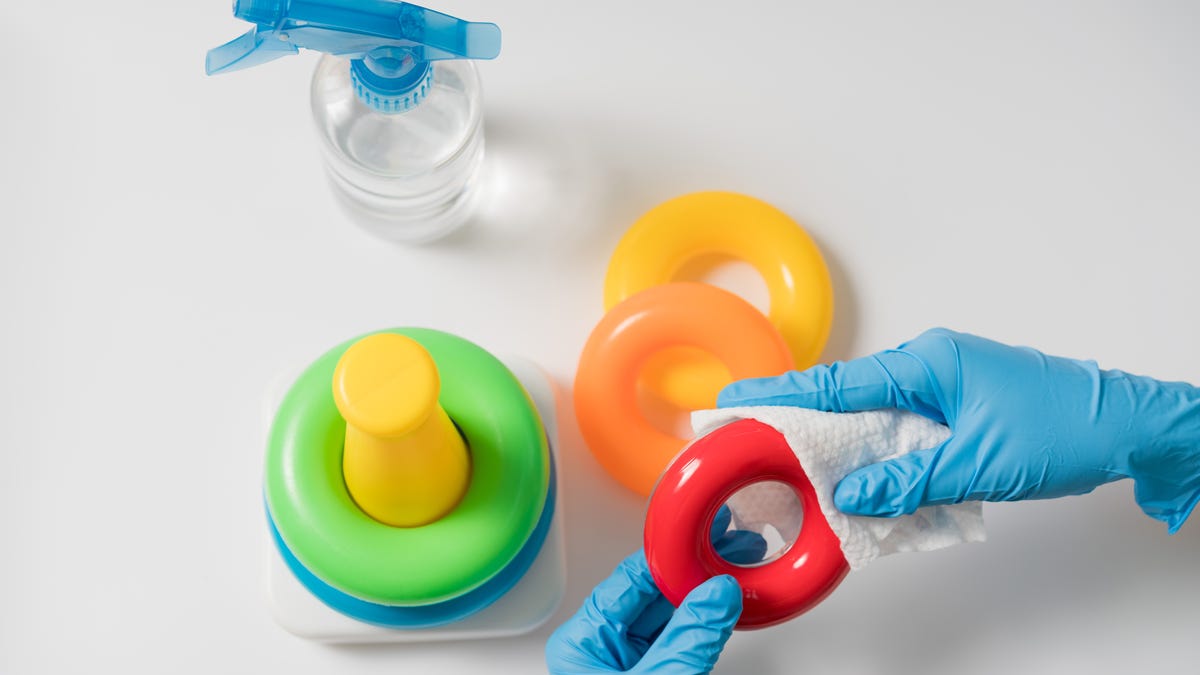
Using Baby-safe Wipes
Baby-safe cleaning wipes are convenient for quick cleans. They're especially useful for on-the-go sanitizing. Ensure the wipes are alcohol-free to avoid drying out the toy materials. Remember, the goal is to ensure that when your baby grabs that favorite toy, you have peace of mind about its safety. What cleaning products have you found effective and safe for your baby's toys? Your tips could help other parents make informed choices.
Credit: www.cnet.com
Diy Cleaning Solutions
Keeping baby toys clean is essential for your child's health. DIY cleaning solutions offer a safe and cost-effective way to sanitize toys. These homemade solutions are easy to make and use ingredients you likely have at home. Let's explore some DIY cleaning methods that ensure your baby's toys remain germ-free.
1. Vinegar And Water Solution
Vinegar is a natural disinfectant. Mix one part vinegar with one part water. Use this solution to wipe down plastic and rubber toys. Allow the toys to air dry. The vinegar smell will fade as it dries.
2. Baking Soda Paste
Baking soda is an excellent cleaning agent. Make a paste using baking soda and water. Apply it to toys with stubborn stains. Scrub gently using a cloth or brush. Rinse thoroughly and let dry.
3. Lemon And Salt Scrub
Lemon has antibacterial properties. Cut a lemon in half and dip it in salt. Use it to scrub toys, especially wooden ones. Rinse with warm water to remove any residue.
4. Soap And Warm Water
For a simple solution, use mild soap and warm water. Fill a basin with soapy water. Submerge the toys and scrub gently. Rinse them well and air dry.
5. Essential Oil Spray
Essential oils can add a pleasant scent. Mix water with a few drops of tea tree or lavender oil. Spray this on toys and wipe clean. Ensure the oils are child-safe before use.
Using these DIY solutions helps keep your baby's toys clean without harsh chemicals. It ensures peace of mind while your little one plays.
Step-by-step Sanitization Process
Ensuring baby toys are clean is crucial for your child's health. A proper sanitization process removes germs and keeps toys safe. Follow these simple steps to sanitize your child's toys effectively.
Preparing The Cleaning Area
First, choose a clean surface for toy cleaning. Use a table or a kitchen counter. Clear the area of unnecessary items. Ensure there's enough space for all toys. Gather cleaning supplies like soap, water, and a soft cloth.
Washing And Rinsing
Fill a basin with warm, soapy water. Submerge the toys and scrub gently. Use a soft brush for hard-to-reach spots. Rinse toys under clean running water. Ensure all soap residue is removed.
Drying Techniques
Pat toys dry with a clean towel. For quicker drying, place toys in a sunny spot. Avoid using a hairdryer; it might damage delicate toys. Ensure toys are completely dry before use.

Credit: www.whattoexpect.com
Sanitizing Different Types Of Toys
Keeping baby toys clean is crucial for your child's health. Use mild soap and warm water for plastic toys. For fabric toys, machine wash them on a gentle cycle. Always ensure toys are thoroughly dried to prevent mold. Regular sanitizing keeps germs at bay, ensuring safe playtime.
Sanitizing baby toys ensures your child's health and safety. Different toys require different cleaning methods. Each toy material has unique sanitizing needs. Understanding these differences is crucial. Let's dive into how to clean various toy types.
Plastic Toys
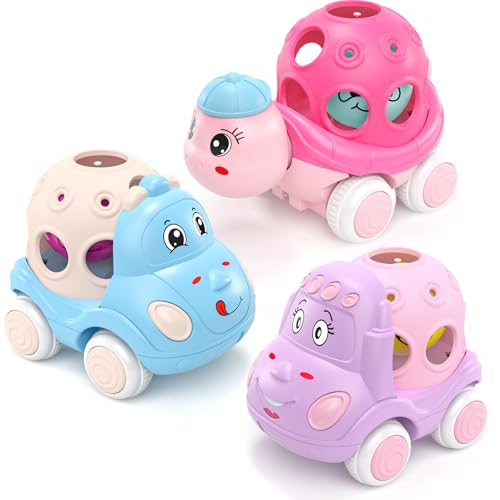
Plastic toys are common and easy to sanitize. Use warm soapy water for cleaning. Rinse thoroughly to remove soap residue. For deep cleaning, use a solution of water and white vinegar. Let toys air dry completely before use.
Stuffed Animals
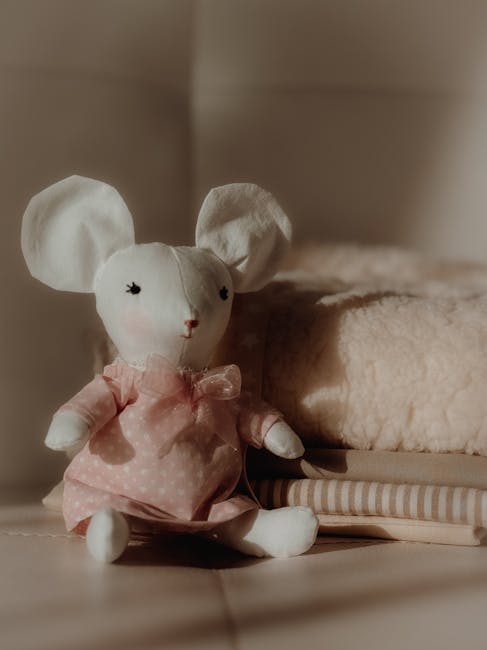
Stuffed animals collect dust and germs. Check if the toy is machine washable. Use a gentle detergent and cold water. Air dry or use a low heat setting in the dryer. If machine washing isn't possible, use a steam cleaner. Spot clean with mild soap for stubborn stains.
Wooden Toys
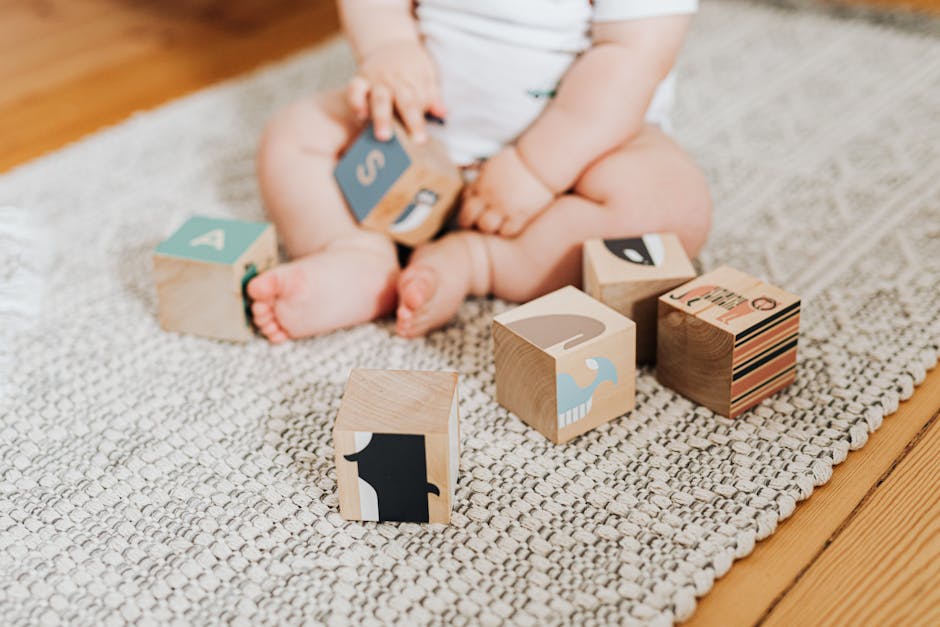
Wooden toys need special care to avoid damage. Wipe them with a damp cloth. Avoid soaking in water, as it can cause warping. For sanitizing, use a mixture of vinegar and water. Dry immediately with a soft towel.
Electronic Toys
Electronic toys require careful cleaning. Remove batteries before cleaning. Wipe surfaces with a disinfectant wipe. Avoid getting moisture in electronic parts. Use a dry cloth to remove any residue. Reinstall batteries once the toy is completely dry.
Frequency Of Toy Sanitization
Keeping baby toys clean is vital for a child's health. Germs can linger on toys for days, posing a risk. Parents often wonder how often to sanitize toys. The frequency of sanitization depends on several factors. These include the type of toy, usage, and the child's age. Regular cleaning prevents the spread of infections.
Daily Use Toys
Some toys see daily use. These toys often include plush toys or pacifiers. Clean these toys every day. Use mild soap and water or disinfectant wipes. This ensures germs don't accumulate over time.
Shared Toys
Shared toys in playgroups need more frequent cleaning. Sanitize them after each playdate. This reduces the risk of cross-contamination. Use a disinfectant safe for children. Allow toys to air dry before storage.
Bath Toys
Bath toys can develop mold over time. Rinse and dry them after each use. Weekly, clean with vinegar or bleach solution. Ensure no water remains inside. This keeps them mold-free and safe for play.
Occasional Use Toys
Toys used less frequently need less cleaning. Monthly sanitization is usually sufficient. Inspect these toys for dirt or damage. Clean with warm soapy water. Dry thoroughly before returning to storage.
During Illness
If a child is sick, increase cleaning frequency. Clean toys daily during illness. This prevents reinfection and protects siblings. Use disinfectants approved for children's items. Ensure thorough drying to avoid residue.
Signs A Toy Needs Cleaning
As a parent, you know how quickly toys can become dirty. But how can you tell when it's time for a thorough cleaning? Recognizing the signs can help keep your baby safe and healthy.
Visible Dirt And Grime
Take a moment to inspect your baby's toys. Are they looking a bit grimy? Toys often pick up dirt and dust from being dropped or dragged around. If you notice visible dirt on the toy's surface, it's time to sanitize.
Unpleasant Smells
Have you ever picked up a toy and noticed a strange odor? Toys can absorb smells from spills, drool, or even sweat. If a toy smells off, it's a clear sign it needs cleaning.
Sticky Residue
Check for any sticky or tacky spots. This residue can be from food, drink spills, or baby lotions. Sticky toys are not just unpleasant to handle; they can also harbor germs.
Discoloration
Has the toy's color changed? Discoloration can be a sign of mold or bacteria growth. If a brightly colored toy starts looking dull or has dark patches, it might need more than just a quick rinse.
Your Baby's Health
Is your baby getting sick more often? Toys can transfer germs, especially if they're frequently in contact with your baby's mouth. Consider cleaning toys if your baby has been unwell.
What do you think happens when toys are overlooked in the cleaning routine? Keeping an eye out for these signs ensures your baby plays in a healthy environment. Regularly checking and cleaning toys can prevent unwanted germs from sneaking into your home. So, how often do you inspect your baby's toys?
Safe Storage Practices
Sanitizing baby toys ensures a safe play environment. Wash toys with warm soapy water, then rinse thoroughly. For deeper cleaning, use a mild disinfectant suitable for children. Regular cleaning prevents germs and keeps toys safe for little ones.
Storing baby toys safely is as crucial as sanitizing them. After all, what’s the point of cleaning if germs can sneak back through improper storage? Safe storage practices not only keep toys clean but also prolong their life. You might be surprised how simple changes can make a world of difference in keeping those cherished playthings safe and sound.
Choose The Right Storage Containers
Selecting the proper storage is the first step in maintaining toy cleanliness. Use containers with lids to shield toys from dust and germs. Clear bins are excellent for visibility; you can spot your child’s favorite toy without rummaging through piles. Also, consider using breathable bags for plush toys to prevent mold.
Keep Toys Off The Floor
Floor storage is a recipe for disaster. Dust and bacteria thrive on floors, especially if you have pets. Elevate toy bins onto shelves or tables. This keeps them cleaner and reduces clutter, making your home look tidier. Plus, it’s easier for your child to access toys at their height.
Organize By Play Type
Grouping toys by type can make storage more efficient and hygienic. Separate water toys from plush ones; each has different cleaning needs. Keeping them apart ensures you don’t accidentally damage a toy with the wrong cleaning method. It also teaches your child organization skills.
Rotate Toys Regularly
Toy rotation is a great strategy to reduce clutter and ensure toys remain interesting. Store away some toys and swap them every few weeks. This keeps playtime exciting and makes cleaning more manageable. You’ll notice fewer toys out at once, reducing the chance of germs spreading.
Inspect Toys Before Storing
A quick inspection before storing can save time and trouble later. Check for broken parts or sharp edges. Damaged toys can harbor germs and pose safety risks. Fix or discard them as necessary. This ensures only safe, clean toys are available for your child.
Consider Storage Location
Where you store toys matters. Avoid damp or humid areas that invite mold. Choose a dry, cool spot away from direct sunlight. Sunlight can fade colors and weaken materials over time. Find a balance between accessibility and a safe environment. These practices are a simple yet effective way to maintain the cleanliness and longevity of your child's toys. How do you plan to change your toy storage routine to improve hygiene and safety?
Maintaining Toy Hygiene On The Go
Keeping baby toys clean is crucial for healthy playtime. Wipes or sprays can quickly sanitize toys while traveling. Ensure toys are dry before handing them back to your child.
Maintaining toy hygiene on the go can be quite the challenge, especially when you're juggling multiple tasks as a parent. Whether it's a quick trip to the grocery store or a long journey to visit family, keeping your baby's toys clean is crucial for their health and safety. Below, you'll find practical and easy tips to ensure your little one's toys remain germ-free, even when you're out and about.
Carry Sanitizing Wipes
Sanitizing wipes are your best friend for quick clean-ups. They're portable, easy to use, and effective at killing germs. Keep a pack in your diaper bag, and you'll be prepared to tackle any messy toy situation.
Use A Portable Spray Bottle
Fill a small spray bottle with a mixture of water and baby-safe disinfectant. This simple tool allows you to spray and wipe down toys whenever needed. It's an efficient way to ensure cleanliness without needing a sink.
Store Toys In A Clean Bag
Keep a separate, clean bag for storing toys when they're not in use. This prevents them from picking up dirt and germs from other items. Opt for a washable bag, so you can easily clean it regularly.
Choose Easy-to-clean Toys
When selecting toys for travel, consider those that are easy to clean. Smooth surfaces and simple designs make quick sanitizing possible. Avoid toys with intricate parts that can harbor germs.
Set A Routine
Establish a routine for cleaning toys before and after outings. Consistency ensures that toys are always ready for safe play. It also helps form a habit, making toy hygiene second nature. Have you ever noticed how often your child drops their toys on the ground during outings? By incorporating these tips into your routine, you'll have peace of mind knowing their playthings are clean and safe. Remember, maintaining toy hygiene on the go doesn't have to be difficult. With a little planning, you can keep your child's favorite toys germ-free wherever you are.
Frequently Asked Questions
How Often Should I Sanitize Baby Toys?
Sanitize baby toys at least once a week to prevent germs. If your child is sick, sanitize them more frequently. Regular cleaning ensures a safe play environment.
What Is The Best Way To Sanitize Toys?
Use a mild soap and water solution for basic cleaning. For thorough sanitization, consider using a bleach solution or a steam cleaner. Always follow manufacturer guidelines to avoid damage.
Can I Use Vinegar To Sanitize Baby Toys?
Yes, vinegar is a natural sanitizer and safe for toys. Mix equal parts of vinegar and water. Spray and wipe the toys, then rinse thoroughly with water.
Are Dishwashers Safe For Cleaning Baby Toys?
Many hard plastic toys are dishwasher-safe, but check labels first. Use a gentle cycle with no heat dry to avoid damage. Always ensure toys are made of materials that can withstand dishwasher conditions.
Conclusion
Keeping baby toys clean is crucial for their health. Regular sanitizing prevents germs. Use safe methods like soap and water. Vinegar and baking soda work well too. Avoid harsh chemicals. Always check toy labels for cleaning instructions. Dry toys thoroughly to prevent mold.
Clean frequently, especially after sickness or playdates. A clean toy is a safe toy. It brings peace of mind for parents. Simple steps make a big difference. Your child deserves a healthy play environment. Prioritize cleanliness for your baby's well-being.
Stay consistent with your cleaning routine. It’s easy and important. Happy and safe playing!