
When it comes to your little one's toys, cleanliness is key. You want to ensure that every cuddle, chew, and play session is as safe and germ-free as possible.
But what's the best way to wipe down baby toys? With so many cleaning products out there, choosing the right one can feel overwhelming. Are you worried about harsh chemicals or residue that could be harmful to your baby? Don't worry.
This guide will walk you through safe and effective options for keeping those beloved toys spotless. Keep reading to discover the best methods and products that will give you peace of mind while keeping your baby's playtime fun and hygienic.
Importance Of Cleaning Baby Toys
Keeping baby toys clean is crucial for your child's health. Use mild soap and water to wipe toys gently. Avoid harsh chemicals to ensure safety.
Ensuring your baby's toys are clean is not just about maintaining appearances. It's about protecting your child from germs and bacteria that can lead to illness. Babies are naturally curious and explore the world through touch and taste. This means toys often end up in their mouths, making regular cleaning essential. How often do you clean your baby's toys? You might find it surprising how much dirt and germs they can accumulate. Regular cleaning ensures your baby can safely play and learn without unnecessary exposure to harmful substances.
Why Clean Baby Toys Regularly?
The first time I caught my little one gnawing on a toy that had been on the floor, I had a bit of a wake-up call. I realized how easily germs could be transferred from surfaces to toys and then to my baby's mouth. Have you ever thought about how many surfaces your baby's toys come in contact with each day? Cleaning them regularly is crucial to minimize the risk of infections.
What Germs Lurk On Toys?
Baby toys can harbor a wide range of germs, including bacteria and viruses. They can pick up these germs from the floor, other children, and even the air. It's important to use the right cleaning methods to keep these germs at bay. Have you considered what cleaning solutions are safe for your baby's toys? Some household cleaners contain harsh chemicals that aren't suitable for items that might end up in your baby's mouth.
Safe Cleaning Solutions For Baby Toys
Using natural cleaning solutions can be a safe and effective way to clean baby toys. A simple solution of water and mild soap can work wonders for most toys. For toys that can withstand it, a mixture of vinegar and water can also be a great option. Are you using the right cleaning method for each type of toy? Different materials require different cleaning approaches to ensure both safety and cleanliness.
Steps To Clean Baby Toys Safely
1. Identify the Material: Determine if the toy is plastic, fabric, or wood. 2. Choose the Right Cleaner: Use mild soap for plastic, a gentle laundry detergent for fabrics, and a damp cloth for wood. 3. Rinse Thoroughly: Ensure all soap or cleaning solution is removed. 4. Air Dry: Place toys in a clean area to dry completely before returning them to your child. These steps can help you maintain a clean play environment.
How Often Should You Clean Baby Toys?
The frequency of cleaning depends on the toy's usage and exposure. Toys that are frequently used or taken outside should be cleaned more often. How do you keep track of which toys need cleaning? Consider setting a regular schedule to ensure no toy is overlooked. Keeping your baby’s toys clean is an important part of maintaining a healthy environment for them to grow and explore. By implementing these cleaning practices, you can help prevent the spread of germs and keep your little one safe.
Common Germs On Toys
As a parent, you understand the importance of keeping your baby's toys clean. These toys are not just playthings; they're often teething objects, comfort items, and sometimes even companions. However, toys can harbor germs that might pose a risk to your child's health. Understanding the common germs found on toys can help you take appropriate action to ensure your baby's safety.
Many toys are exposed to various environments, collecting germs along the way. Toys shared among children in playgroups, daycare, or even during visits to friends can accumulate bacteria. Ever noticed how toys seem to end up everywhere, including the floor and sometimes even the bathroom? Such places are not as clean as we would like them to be.
Staphylococcus aureus, a type of bacteria, is often found on toys. It can lead to skin infections. Another germ, Streptococcus pneumoniae, can cause ear infections, which are quite common in babies. It's not just about avoiding illness; it's about creating a safer environment for your child.
Why Should You Care?
Think about how often your baby puts toys in their mouth. This simple act can introduce germs into their system. You might wonder how often is too often for cleaning toys. But have you considered how easily germs can spread during flu season or when someone in your home has a cold?
Keeping toys clean is a proactive step in protecting your child's health. It's not about being overly cautious; it's about being smart. You want your baby to explore the world safely, and clean toys are a part of that exploration.
Safe Cleaning Methods
Now that you know about the germs, how do you get rid of them effectively? Using safe cleaning methods is key. A simple solution of soap and water can go a long way. For plastic toys, you can use a mild detergent and a cloth to wipe them down.
Disinfecting wipes can be handy, but ensure they are safe for use around children. Vinegar is a natural alternative that can be used for wooden toys. Regular cleaning doesn’t need to be a chore; it can be part of your routine.
Getting Involved
Would you be surprised to learn that involving your child in cleaning can be educational? It teaches them about hygiene from a young age. You can make it a fun activity by turning it into a game where they help you wipe their favorite toys.
Engaging your child in cleaning not only keeps them safe but also instills good habits early on. What creative ways can you think of to make cleaning toys a fun activity for your little one?
Final Thoughts
Protecting your child's health starts with something as simple as clean toys. You have the power to minimize the risk of germs affecting your baby. By understanding the common germs found on toys and knowing how to clean them properly, you are making a significant impact.
Are you ready to make cleaning toys a part of your routine? Your child's health is worth the effort. Share your thoughts and experiences in the comments below. Let’s learn from each other’s stories.
Choosing Safe Cleaning Products
Cleaning baby toys safely is important. Use mild soap and water for most toys. For a natural option, try white vinegar mixed with water. These methods help keep toys clean and safe for little ones.
When it comes to keeping your baby’s toys clean, choosing safe cleaning products is essential. Babies explore the world with their mouths, and toys often end up being chewed and sucked on. Therefore, it's crucial to ensure that whatever you use to clean these toys is safe and free from harmful chemicals. But how do you determine what's safe? Let’s dive into some options you can consider for cleaning your baby's toys effectively.
Natural Cleaners
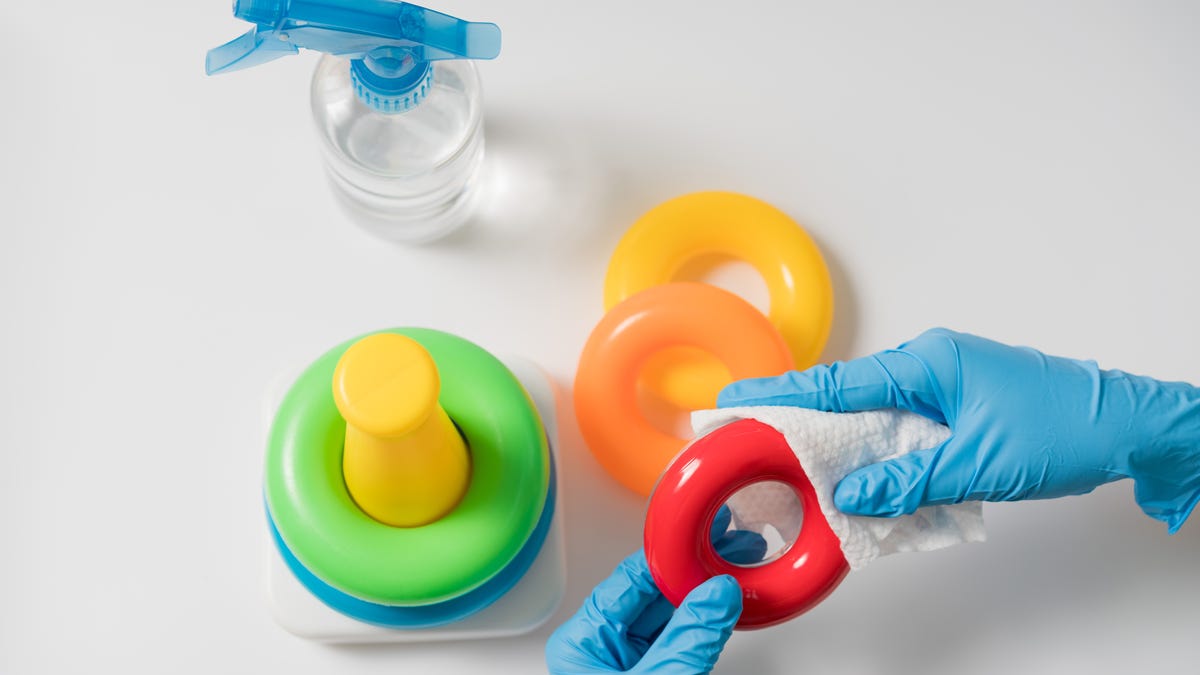
Natural cleaners are a great choice for many parents. They are often made from plant-based ingredients and lack harsh chemicals. Vinegar is a common natural cleaner that effectively disinfects and removes dirt. Simply mix equal parts of water and vinegar in a spray bottle, spritz the toys, and wipe them down with a clean cloth. Have you ever tried using baking soda? It's a fantastic natural cleaning agent. Mix a tablespoon of baking soda with a cup of warm water for a gentle scrub that can tackle tough grime.
Chemical-free Options
Choosing chemical-free options provides peace of mind. Products labeled as non-toxic or free from parabens and phthalates are good choices. Look for cleaners that specifically state they are safe for children’s items. Brands like Seventh Generation and Babyganics offer chemical-free cleaning products designed with kids in mind. These options are not only effective but also ensure that no harmful residues are left behind on toys.
Diy Cleaning Solutions
If you enjoy making things yourself, DIY cleaning solutions can be a fun and safe way to clean toys. They often involve simple, everyday items you already have at home. Have you tried mixing lemon juice with water? It’s a natural disinfectant with a refreshing scent. Another simple solution is a mix of castile soap and warm water, which provides a gentle but effective clean. Creating your own solutions can be satisfying and ensures you know exactly what ingredients are being used. Plus, it’s often more cost-effective than purchasing pre-made cleaners. Choosing the right cleaning method for your baby's toys involves a bit of trial and error. Have you found a particular solution that works well for you? Share your experiences and encourage others to try new, safe cleaning methods.
Credit: www.cnet.com
Cleaning Methods For Different Toy Materials
Keeping baby toys clean is essential for your child's health. Different toys require different cleaning methods. Each material has its cleaning needs. Let's explore how to clean toys based on their materials.
Plastic Toys
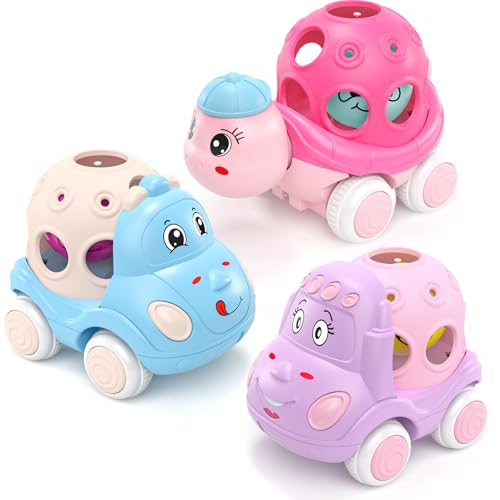
Plastic toys are the easiest to clean. Use a mixture of warm water and mild soap. Wipe down the toy with a cloth. Rinse thoroughly to remove all soap. Let the toy air dry completely. For extra cleanliness, use a vinegar-water solution.
Wooden Toys
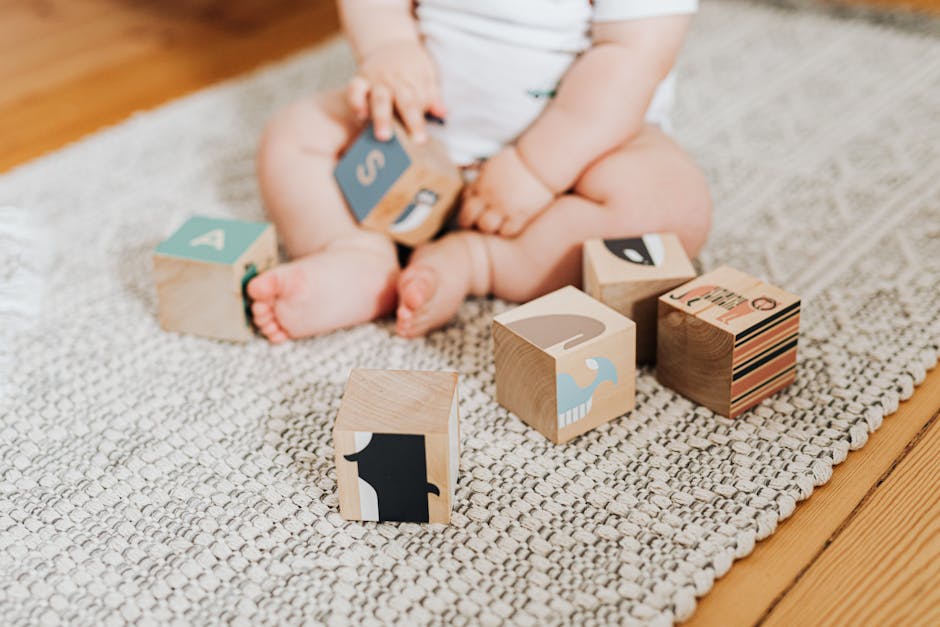
Wooden toys require gentle cleaning. Avoid soaking them in water. Use a damp cloth with mild soap. Wipe the toy and dry it quickly. Excess water can damage wood. For extra germ protection, use a natural oil finish.
Soft And Fabric Toys
Fabric toys can often be machine washed. Check the toy's label first. Use a gentle cycle with mild detergent. Air dry or use a low heat setting. Some toys need hand washing. Use a cloth with soapy water for spot cleaning.
Electronic Toys
Electronic toys need special care. Unplug or remove batteries first. Use a dry cloth to wipe surfaces. For sticky spots, use a slightly damp cloth. Be careful not to get water in electronic parts. Let the toy dry completely before use.
Daily Cleaning Routine
Keeping baby toys clean is essential for their health and safety. A daily cleaning routine ensures toys remain fresh and hygienic. Consistent cleaning prevents germs from building up on toys. It also provides peace of mind for parents. Let's explore effective ways to clean baby toys daily.
Use Mild Soap And Warm Water
Mild soap and warm water are gentle on baby toys. This combination is effective for removing dirt and grime. Fill a basin with warm water and add a few drops of mild soap. Dip a clean cloth into the soapy water. Wipe down toys gently, ensuring all surfaces are covered. Rinse the toys with clean water afterwards. Let them air dry completely before use.
Natural Vinegar Solution
Vinegar is a natural disinfectant, ideal for cleaning. Mix equal parts of vinegar and water in a spray bottle. Spritz the solution onto the toy surfaces. Allow it to sit for a few minutes. Wipe the toys with a clean cloth. Vinegar cleans effectively without leaving harmful residues. It is safe for most baby toys.
Baby-safe Cleaning Wipes
Cleaning wipes designed for babies are convenient. They are pre-moistened with gentle cleaning solutions. Grab a wipe and gently rub over the toy surfaces. These wipes are handy for quick cleaning sessions. They are perfect for on-the-go cleaning needs. Make sure to choose wipes labeled safe for babies.
Dry Thoroughly
After cleaning, ensure toys dry thoroughly. Moisture can lead to mold growth. Lay toys out in a well-ventilated area. Sunlight can help speed up drying. Avoid using harsh dryers or heat sources. Let toys air dry naturally for best results.

Credit: www.reddit.com
Deep Cleaning Schedule
Keeping baby toys clean is crucial for safety and health. Regular cleaning removes dirt and germs. A deep cleaning schedule ensures thorough sanitation.
Not all toys need frequent deep cleaning. Some can be cleaned less often. Knowing which toys need attention helps maintain a hygienic environment.
Weekly Cleaning Routine
Start with toys that babies frequently mouth. These include teething rings and rattles. Use warm, soapy water for plastic and rubber toys. Let them air dry completely.
For fabric toys, check labels. Machine wash if possible, using a gentle cycle. Dry in a dryer or under the sun. Sunlight naturally disinfects and refreshes toys.
Monthly Deep Clean
Once a month, focus on toys that are handled often. Wooden toys need a different approach. Wipe them with a mix of vinegar and water. Avoid soaking to prevent damage.
Electronic toys can't be immersed in water. Use a damp cloth for the surface. Ensure they dry properly to avoid malfunctions.
Seasonal Toy Inspection
Every few months, inspect all toys for wear and tear. Discard broken toys to prevent choking hazards. Rotate toys to keep the play area fresh and engaging.
Store seasonal toys properly. Keep them clean and ready for the next use. This reduces the need for frequent deep cleaning.
Safe Drying Techniques
Use a damp cloth with mild soap to wipe down baby toys. Ensure thorough drying to prevent moisture buildup. Alternatively, natural disinfectant wipes offer a safe cleaning solution.
Keeping baby toys clean is essential, but drying them safely is just as important. Wet toys can become breeding grounds for mold and bacteria, which you definitely want to avoid. This guide will help you discover safe drying techniques to ensure your baby's toys remain hygienic and safe for play.
Air Drying: Simple And Effective
After washing the toys, place them on a clean towel. Ensure they’re spread out so air can circulate around each toy. This method is especially effective for toys without electronic components.
Using A Drying Rack
A drying rack can be a great tool for drying multiple toys at once. Consider investing in a rack with adjustable tiers to fit different toy sizes. This setup not only saves space but also speeds up the drying process.
Sunlight: Nature’s Disinfectant
Sunlight has natural antibacterial properties. Place toys in direct sunlight for a few hours to dry and help kill germs. Be mindful of toys that might fade or warp under intense sunlight.
Microfiber Cloths: Quick And Gentle
For toys that need a quicker drying solution, microfiber cloths work wonders. Gently pat the toy dry, focusing on crevices where water might linger. These cloths are super absorbent and won’t damage delicate surfaces.
Low-heat Hair Dryer: For A Speedy Dry
For toys that can withstand a bit of heat, a low-heat setting on a hair dryer can be used. Keep the dryer at a safe distance to avoid overheating or damaging the toy. This technique is great for last-minute cleaning emergencies.
Ventilation: A Key Factor
Ensure the drying area is well-ventilated. Good airflow reduces drying time and prevents moisture buildup. Consider placing a small fan nearby to enhance air circulation. Drying baby toys might seem straightforward, but taking these extra steps ensures they remain clean and safe for your little one. Have you tried any of these techniques, or do you have other tips to share?
Storing Clean Toys
Ensuring baby toys are clean is just one part of the equation. Storing them properly is equally important to maintain their cleanliness and prevent germs from sneaking back in. The last thing you want is to clean toys only to have them gather dust and dirt due to improper storage. Here’s how you can store clean toys effectively and ensure they remain safe for your little ones.
Use Storage Bins
Storage bins are a lifesaver for organizing and keeping toys clean. Opt for bins with lids to protect toys from dust and accidental spills. Clear bins allow you to see what's inside, making it easier to find toys without rummaging through everything.
Label Everything
Labeling bins can transform your storage system from chaotic to orderly. Use simple labels to categorize toys by type or age appropriateness. This will not only help you but also teach your child about organization. Plus, it saves time when you're in a hurry!
Rotate Toys Regularly
Rotating toys keeps your child engaged and makes storage simpler. Keep a portion of toys stored away and swap them out periodically. This prevents clutter and gives your child a fresh set of toys to explore, keeping things exciting without overwhelming them.
Keep Toys Off The Floor
Leaving toys on the floor invites dirt and germs. Store toys on shelves or in bins to maintain their cleanliness. Plus, it reduces the risk of accidents like stepping on a toy or tripping over them.
Consider Temperature And Humidity
Toys stored in damp or warm areas can become breeding grounds for mold and bacteria. Ensure storage areas are cool and dry. This protects toys and helps them last longer, ensuring they remain safe for your baby.
Think about how you store your child's toys. Are there changes you can make to improve their cleanliness and organization? By implementing these practical steps, you’ll create a clean, safe environment for your child’s playtime, allowing them to focus on fun and creativity!

Credit: nurturednoggins.com
Frequently Asked Questions
What Is Safe For Cleaning Baby Toys?
Use mild soap and warm water for basic cleaning. For disinfecting, diluted white vinegar or baby-safe disinfectant wipes are effective. Always rinse thoroughly and air dry.
Can Vinegar Be Used On Baby Toys?
Yes, vinegar is a natural disinfectant for baby toys. Dilute with water and wipe toys gently. Rinse thoroughly to remove any residue.
Is It Okay To Use Disinfectant Wipes?
Baby-safe disinfectant wipes are suitable for non-porous toys. Ensure they are non-toxic and alcohol-free. Always follow up with a water rinse.
How Often Should Baby Toys Be Cleaned?
Clean baby toys weekly, or more often if heavily used. Disinfect toys immediately after contact with sick individuals to prevent germ spread.
Conclusion
Keeping baby toys clean is essential for your child's health. Use safe, non-toxic cleaners. Regular cleaning prevents germs and dirt buildup. Choose options like mild soap, vinegar, or baking soda. These are safe and effective. Always check toy labels for cleaning instructions.
Some toys need special care. Remember to rinse toys thoroughly after cleaning. Dry them completely to prevent mold. Store toys in a clean, dry place. Regular cleaning keeps your child safe and toys in good shape. Make cleaning toys a simple routine.
Your child deserves a clean, safe play environment.