
Imagine this: your little one is joyfully playing with their favorite toy, and you can't help but smile. But then, a tiny voice in your head asks, “Is it really clean?” As a parent, ensuring your baby’s safety and health is your top priority, and sanitizing their toys is a vital part of that mission.
But how do you do it without damaging those cherished playthings? And more importantly, how do you make sure it's safe for your precious child? In this guide, you'll discover simple, effective, and safe methods to sanitize baby toys. You’ll learn tips that fit seamlessly into your busy day, giving you peace of mind and allowing you to focus on what truly matters—those happy, healthy moments with your child.
Ready to unlock the secrets to pristine playtime? Dive in and find out how you can keep your baby's toys spotless and safe!
Credit: www.mollymaid.com
Importance Of Toy Sanitization
Keeping baby toys clean is vital for a healthy environment. Germs can hide on toys and spread illness. Safe sanitization protects your little one from harmful bacteria, ensuring playtime remains safe and fun.
Importance of Toy Sanitization Keeping your baby's toys clean is not just about tidiness; it's about health. Babies explore the world with their mouths, which means their toys can quickly become breeding grounds for germs. Regular sanitization helps prevent the spread of illness and keeps your little one safe. Have you ever noticed how quickly a toy goes from the floor to your baby’s mouth? This simple act highlights the importance of frequent cleaning. Babies are naturally curious, and their toys are often exposed to dirt, drool, and even food particles. By making toy sanitization a priority, you can create a healthier environment for your child.
Why Should You Care About Toy Germs?
Toy germs are more than just an annoyance; they can lead to infections and illnesses. A child with a cold might transfer the virus to a toy, which then becomes a source of infection for others. Ensuring toys are germ-free can help prevent these scenarios. Consider the last time you or your child caught a cold. Could it have been from a shared toy? These small but significant sources of germs are often overlooked. By staying vigilant about sanitizing toys, you reduce these risks.
How Often Should You Sanitize Toys?
The frequency of sanitization depends on the toy and how often it's used. For toys that your baby plays with daily, aim to clean them at least once a week. If your child is sick, it’s wise to sanitize more frequently. Think of toys that get the most use, like teething rings or stuffed animals. These items should be prioritized in your cleaning routine. By setting a schedule, you ensure that sanitization becomes a regular part of your parenting duties.
What Happens If You Don’t Sanitize?
Neglecting toy sanitization can lead to a buildup of bacteria and viruses. This can result in frequent illnesses, not just for your child but for the entire family. Dirty toys can also lead to skin irritations and allergies. Imagine constantly dealing with runny noses and coughs. It might be worth examining whether toy hygiene is part of the issue. Addressing it can lead to fewer doctor visits and a happier, healthier household.
Simple Tips To Start Sanitizing Today
Begin with a plan that fits your lifestyle. Use mild soap and water for a quick clean, or consider natural disinfectants for a deeper clean. Always check the manufacturer's cleaning instructions to avoid damaging toys. Think of sanitization as a team effort. Involve older siblings in the process, turning it into a fun game. By making it a family activity, you ensure everyone understands the importance of keeping toys clean.

Credit: nurturednoggins.com
Common Germs On Baby Toys
Baby toys can harbor a surprising amount of germs. Since babies explore the world through touch, germs easily transfer from hands to toys. These toys become a breeding ground for bacteria and viruses. Understanding what might linger on these toys helps in keeping them clean.
1. Bacteria On Toys
Bacteria like E. coli and Salmonella often reside on toys. These germs can cause stomach issues in children. Regular cleaning reduces these harmful bacteria. Toys that stay in moist areas attract more bacteria. Dry them thoroughly to minimize risk.
2. Viruses Lurking On Toys
Viruses such as the flu or cold virus can also live on toys. These viruses spread easily among children. Wiping toys with disinfectant can reduce this risk. Pay attention to toys shared during playdates. Shared toys might carry viruses from other children.
3. Mold Growth On Toys
Mold can grow inside bath toys or any toy exposed to water. Mold thrives in damp environments, posing health risks. It can cause respiratory issues for babies. Ensure toys dry completely after each use. Avoid letting water sit inside toys.
4. Dust And Allergens
Dust can settle on toys, carrying allergens with it. This might trigger allergies in sensitive babies. Regular dusting and cleaning keep allergens at bay. Store toys in a clean, dry place to prevent dust accumulation.
Understanding these common germs helps in taking preventive measures. Clean toys regularly to ensure your baby's safety.
Selecting Safe Cleaning Products
Selecting safe cleaning products for baby toys is essential. Babies are curious and love exploring with their mouths. So, ensuring their toys are germ-free and free of harmful chemicals is crucial. This guide will help you make informed choices about cleaning products. Whether you prefer natural or chemical options, safety is key. Let's explore the best practices for selecting cleaning products for baby toys.
Natural Vs. Chemical Cleaners
Natural cleaners are often made from plant-based ingredients. These options include vinegar and baking soda. They are gentle and typically non-toxic. Chemical cleaners, on the other hand, are often more potent. They include ingredients like bleach and ammonia. These can kill a wide range of germs. But they may leave residues that are harmful if ingested. Consider using natural options for everyday cleaning. Save chemical cleaners for tougher messes. Always ensure the toys are rinsed thoroughly. This step minimizes any potential chemical residues.
Reading Labels For Safety
Reading labels is crucial when choosing cleaning products. Look for labels that say "non-toxic" or "safe for children." Avoid products with harsh chemicals and strong fragrances. These can be irritating to sensitive skin. Check for certification from reputable safety organizations. This ensures the product has been tested for safety. Always follow the instructions on the label. Proper use is vital for effectiveness and safety. Don't mix different cleaners. This can create dangerous fumes. Stick to one product at a time for safety.

Credit: www.whattoexpect.com
Cleaning Methods For Different Toy Materials
Keeping baby toys clean is essential for your child's health. Different materials require different cleaning methods. This ensures the toys remain safe and intact. Understanding these methods is important for effective sanitization.
Plastic Toys
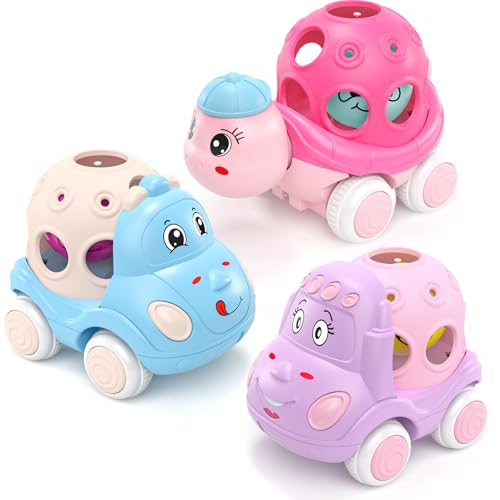
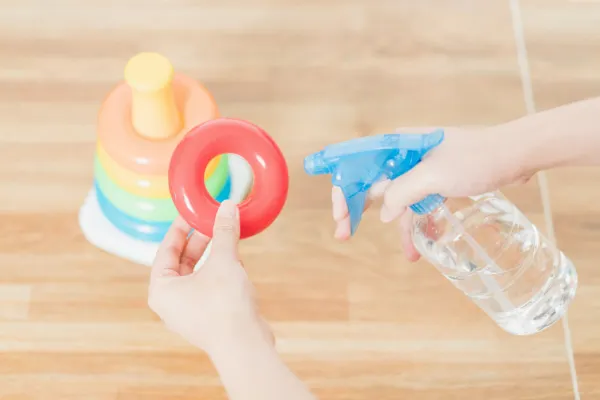
Plastic toys are durable and easy to clean. Use mild soap and warm water. Gently scrub the toy's surface. Rinse thoroughly to remove soap residue. For deeper cleaning, a vinegar solution works well. Mix equal parts water and vinegar. Spray on the toy and wipe clean. Avoid harsh chemicals to prevent damage.
Wooden Toys
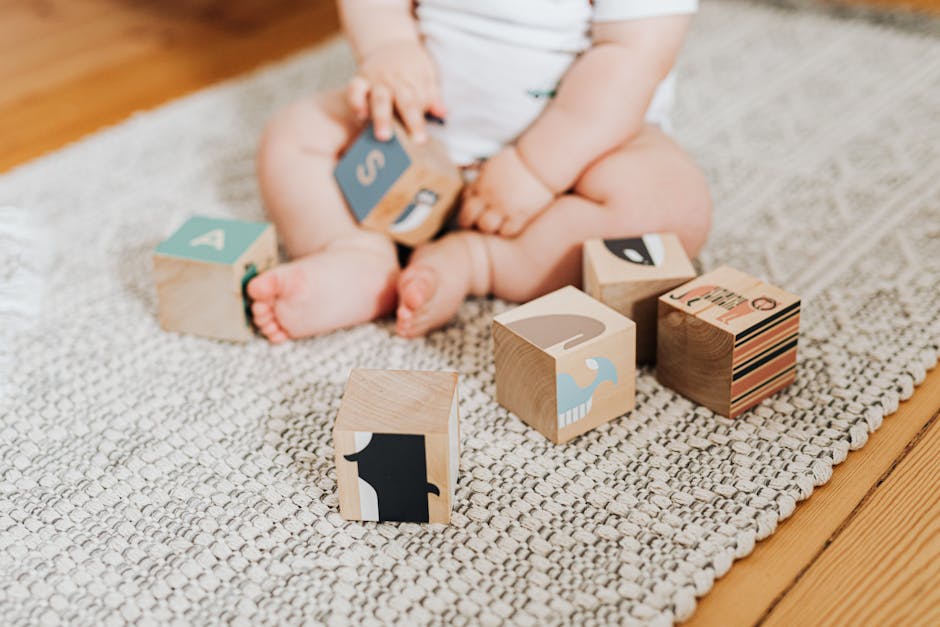
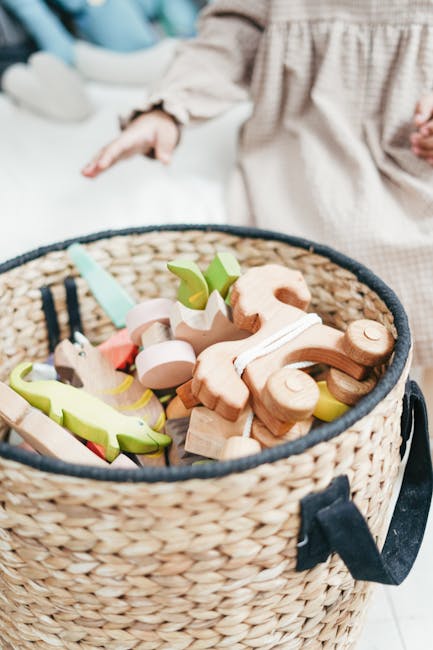
Wooden toys need special care. Use a damp cloth for cleaning. Gently wipe the toy's surface. Avoid soaking wood in water. This can cause damage. A mix of water and vinegar can disinfect. Apply with a cloth and dry immediately. Ensure toys are completely dry before storage. This prevents mold and warping.
Stuffed Animals
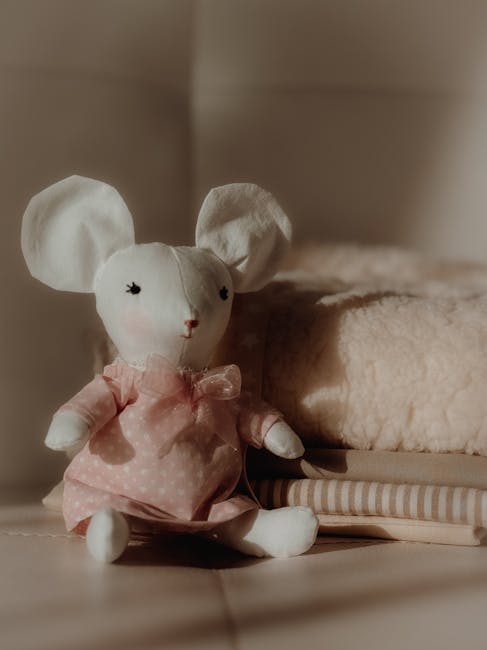
Stuffed animals can harbor dust and germs. Check the label for washing instructions. Many can be machine washed. Use a gentle cycle with mild detergent. Air drying is often best. Some toys can be wiped with disinfectant wipes. For toys with batteries, spot cleaning is safer. Always ensure toys are dry before use.
Step-by-step Sanitization Process
Keeping baby toys clean is crucial for your child's health. The step-by-step sanitization process ensures toys are safe and germ-free. Follow these simple steps to sanitize baby toys effectively.
Initial Cleaning Steps
Begin by gathering all toys that need cleaning. Use a gentle soap and water solution to wipe down each toy. Pay close attention to areas that collect dirt or grime. Rinse thoroughly with clean water to remove soap residue.
Disinfecting Techniques
Choose a safe disinfectant suitable for baby toys. Dilute it according to the instructions on the label. Spray or wipe the disinfectant over the toys, focusing on high-contact areas. Let the solution sit for the recommended time to ensure effectiveness.
Drying And Storing
After disinfecting, dry toys completely using a clean towel. Ensure no moisture remains, as it can encourage mold growth. Store toys in a clean, dry area, away from dirt and dust. Regular cleaning keeps toys safe for your little one.
Frequency Of Sanitizing Baby Toys
Sanitizing baby toys keeps germs at bay and ensures your child's safety. Understanding how often to clean these toys can be a challenge. It depends on various factors, like how often the toy is used or if the child is sick. Regular cleaning prevents the spread of bacteria and viruses. Here are some guidelines to help you decide on the frequency of sanitizing your baby's toys.
Daily Usage Toys
Some toys get used every day. These need cleaning more often. Clean daily usage toys at least once a week. This includes teething rings and plush toys. Babies often put these in their mouths. Ensuring they are germ-free is crucial.
Toys Used During Illness
When a baby is sick, germs spread easily. Toys used during illness need immediate attention. Clean these toys after each play session. This prevents passing the illness back to the child. It also protects other family members.
Outdoor Toys
Outdoor toys encounter dirt and germs. They require frequent cleaning. Wash these toys after each outdoor playtime. This keeps them free from harmful bacteria. It also prolongs the toy's life.
Shared Toys
Shared toys in playgroups or daycare need special attention. Germs spread quickly in shared environments. Clean these toys daily if possible. This practice ensures all children stay healthy.
Toys Not Frequently Used
Some toys sit unused for long periods. These don't need frequent cleaning. Once a month is usually sufficient. Store them in a clean, dry place. This keeps them ready for safe use when needed.
Diy Toy Cleaning Solutions
Discover safe ways to sanitize baby toys using DIY solutions. Mix mild soap and warm water for gentle cleaning. Rinse and dry thoroughly to keep toys germ-free and safe for little hands.
Sanitizing baby toys is a task every parent faces. You want to ensure your little ones are safe from germs without exposing them to harsh chemicals. DIY toy cleaning solutions offer a practical and eco-friendly approach. You can create effective cleaning solutions using simple ingredients found in your kitchen. These methods are not only safe but also budget-friendly. Let's delve into some homemade recipes and explore how essential oils can enhance toy disinfection.
Homemade Cleaning Recipes
Creating your own cleaning solutions can be as easy as pie. One popular method is using a vinegar and water mix. Combine equal parts of white vinegar and water in a spray bottle. This solution is great for cleaning non-porous toys. Vinegar has natural antibacterial properties, making it a safe choice. For a deeper clean, you might try a baking soda paste. Mix baking soda with a bit of water until it forms a paste. This can be applied to toys to scrub away stubborn grime. Rinse thoroughly after cleaning to remove any residue. Consider using dish soap and warm water for plastic toys. A few drops of mild dish soap in warm water can effectively clean toys without leaving harmful chemicals behind. Remember to rinse toys well after washing.
Essential Oils For Disinfection
Adding essential oils to your cleaning solutions can boost their germ-fighting power. Tea tree oil is known for its antimicrobial properties. A few drops can be added to your vinegar solution for extra disinfection. Lavender oil not only smells great but also helps kill bacteria. It's gentle enough for baby toys and can be added to any homemade cleaner. Have you considered using lemon essential oil? It has natural antibacterial qualities and leaves toys smelling fresh. It's particularly effective when mixed with vinegar and water. Do you worry about the safety of essential oils around babies? Always ensure oils are diluted properly and avoid using them on toys that babies might put in their mouths. What other natural methods have you tried for cleaning toys?
Mistakes To Avoid When Sanitizing
Sanitize baby toys safely by avoiding harsh chemicals. Use mild soap and water instead. Ensure thorough rinsing and drying to keep toys clean and safe for little hands.
Sanitizing baby toys ensures a safe play environment. But mistakes during the process can be harmful. Understanding these common errors helps maintain toy safety. Let's dive into the mistakes to avoid when sanitizing baby toys.
1. Using Harsh Chemicals
Avoid strong chemicals like bleach for toy cleaning. These can leave harmful residues. Instead, opt for baby-safe cleaners. Natural solutions are often effective and gentle.
2. Ignoring Manufacturer's Instructions
Always check the toy's label or packaging. Manufacturers provide specific cleaning instructions. Ignoring these can damage toys. Follow guidelines for the best results.
3. Submerging Battery-operated Toys
Never soak toys with batteries in water. This can ruin the toy and its parts. Instead, clean these toys with a damp cloth. Ensure they're completely dry before use.
4. Not Rinsing Thoroughly
Failing to rinse toys properly can leave soap residue. This can irritate a baby's skin. Always rinse toys until all cleaner is gone. A thorough rinse ensures safety.
5. Using Hot Water On Delicate Toys
Hot water can warp or damage delicate toys. Use lukewarm or cool water for these items. Protect the toy's shape and functionality.
6. Forgetting To Dry Toys Completely
Moisture can lead to mold growth. Make sure toys are completely dry before storing. Use a towel or air dry them in a well-ventilated area.
7. Overlooking Small Parts
Small parts can harbor germs. Pay attention to crevices and joints. Use a brush or cloth to clean these areas. Ensure every part is sanitized properly. By avoiding these mistakes, toy sanitization becomes safe and effective.
Eco-friendly Sanitizing Tips
Keeping baby toys clean is essential for health. Many parents want eco-friendly solutions. These methods are safe and kind to the planet. You can keep toys clean without harmful chemicals. This guide provides simple tips. Enjoy peace of mind with green practices.
Use Natural Ingredients
Natural ingredients like vinegar and lemon are great. They clean effectively. Mix vinegar with water for a simple solution. Lemon juice can also disinfect. Rub it on toys, then rinse with water.
Baking Soda Scrub
Baking soda is a natural cleaner. It removes dirt and germs. Make a paste with water. Apply it to toys with a cloth. Scrub gently and rinse off.
Steam Cleaning
Steam can sanitize toys safely. It kills germs without chemicals. Use a steam cleaner or a boiling water pot. Hold toys over the steam for a few minutes.
Sunlight Drying
Sunlight is a natural disinfectant. After cleaning toys, let them dry in the sun. The UV rays help kill bacteria. It’s a free and effective method.
Choose Non-toxic Products
Non-toxic cleaning products are available. They are eco-friendly and safe. Check labels for natural ingredients. Avoid products with harsh chemicals.
When To Replace Baby Toys
Baby toys bring joy and help develop essential skills. But toys wear out or become unsafe over time. Knowing when to replace them ensures safety and hygiene.
Signs Of Wear And Tear
Inspect toys regularly for any damage. Check for cracks, breaks, or sharp edges. Damaged toys can harm your baby.
Loss Of Functionality
Some toys have parts that no longer work. If buttons don't respond or sounds stop, consider replacing them.
Outgrown Toys
Babies grow fast and outgrow toys quickly. Toys meant for younger babies may not engage older ones.
Safety Concerns
Old toys might not meet current safety standards. Replace any toy with loose parts or small pieces.
Unhygienic Conditions
Toys exposed to dirt or mold should be discarded. Sanitize regularly but replace if cleaning doesn't work.
Sentimental Attachments
Some toys have special memories. Consider keeping these but ensure they're safe for play.
Frequently Asked Questions
How Often Should I Sanitize Baby Toys?
Sanitize baby toys at least once a week to maintain hygiene. Increase frequency if toys are frequently used or shared. Regular cleaning prevents germs and ensures your baby’s safety. Always follow manufacturer guidelines for safe cleaning methods suitable for each toy material.
What Is The Safest Method To Clean Baby Toys?
Using a mild soap and warm water solution is safest. Rinse thoroughly to remove any soap residue. For plastic toys, a dishwasher can be an effective option. Disinfect with a vinegar solution or a baby-safe disinfectant. Ensure toys are completely dry before returning them to your baby.
Can I Use Bleach To Sanitize Baby Toys?
Bleach can be used in a diluted form for hard, non-porous toys. Mix one tablespoon of bleach with a gallon of water. Soak toys for five minutes, then rinse thoroughly. Ensure complete drying before use. Avoid bleach on porous or fabric toys, as it can be damaging.
Are Natural Cleaners Effective For Sanitizing Toys?
Natural cleaners like vinegar and baking soda are effective. They disinfect without harmful chemicals. Vinegar works well on plastic and wooden toys. Baking soda can deodorize and clean plush toys. Always test on a small area first and ensure toys are dry before giving them back to your baby.
Conclusion
Sanitizing baby toys keeps your child safe. Choose natural cleaners. They are gentler. Regular cleaning prevents germs from spreading. Focus on high-touch toys. These get dirty faster. Dry toys completely after cleaning. Moisture can breed bacteria. Check instructions before cleaning.
Some toys need special care. Follow these steps and ensure your baby's health. Safe toys mean happy playtime. Always prioritize safety over convenience. Engage your child with clean toys. Keep their environment healthy. Your efforts matter. A clean toy is a safe toy.
Happy playing!