
When it comes to your baby's toys, keeping them clean and sanitized is more than just a chore—it's a vital step in ensuring your little one's health and safety. You might often wonder what the best methods are to keep those beloved toys free from germs and grime.
After all, toys are not just playthings; they are essential tools for learning and development. You want to make sure they are as safe as possible for your baby to chew, cuddle, and explore. Imagine the peace of mind you'll feel knowing that every toy your baby touches is not only clean but also sanitized effectively.
You’ll discover straightforward, effective solutions for cleaning baby toys. You'll learn which cleaning agents are safe and which methods are most effective, ensuring your baby's toys are sparkling clean and germ-free. Dive in to find out how you can maintain a healthy play environment for your little one with ease and confidence.
Importance Of Cleaning Baby Toys
Keeping baby toys clean is vital. Use mild soap and water for regular cleaning. For sanitizing, choose baby-safe disinfectants.
Cleaning baby toys is crucial for maintaining your little one's health and well-being. Babies explore the world with their mouths and hands, making their toys a hotspot for germs and bacteria. You might wonder, how often should you clean these toys? The answer depends on the toy's usage and material, but regular cleaning is non-negotiable.
Why Regular Cleaning Matters
Imagine your baby playing with toys that have been on the floor, touched by multiple hands, or taken outside. These toys can harbor germs that might lead to illnesses. Regular cleaning minimizes these risks and keeps your baby healthier.
Protecting Your Baby's Immune System
Babies have developing immune systems. They are more susceptible to infections. By cleaning toys regularly, you reduce their exposure to harmful bacteria, supporting their immune health.
Ensuring Safe Play
Safety is paramount when it comes to baby toys. Dirty toys can become breeding grounds for germs. Clean toys ensure a safe play environment, giving you peace of mind as your little one explores.
Effective Cleaning Methods
Cleaning doesn't have to be complicated. Use mild soap and water for most toys. For tougher germs, consider a vinegar solution or a baby-safe disinfectant. Check manufacturer instructions for specific cleaning guidelines.
Personal Experience: A Lesson In Cleaning
I remember discovering my toddler with a toy covered in crumbs and dirt. It was a wake-up call to clean toys more frequently. It made me realize the impact of regular cleaning on my child's health and happiness.
Sanitizing Vs. Cleaning
Cleaning removes dirt, while sanitizing kills germs. Both are important. After washing toys, consider using a safe sanitizer to ensure thorough germ removal. It's a simple step that makes a big difference.
Cleaning Frequency
How often should you clean baby toys? For frequently used toys, aim for weekly cleaning. For others, a monthly schedule might suffice. Always clean toys immediately if they fall in the dirt or get exposed to illness.
What About Plush Toys?
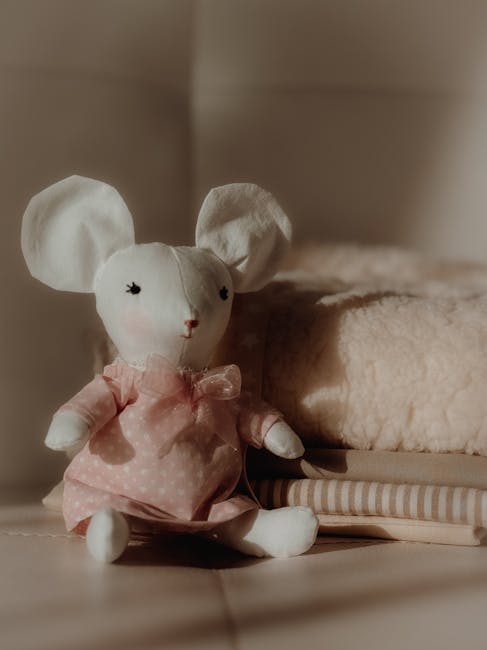
Plush toys require special care. Machine wash them in a gentle cycle, or spot clean with mild soap. Ensure they dry completely to prevent mold growth. Plush toys need regular cleaning too, despite their soft nature. By maintaining a regular cleaning routine, you ensure that your baby's playtime is not only fun but safe. Are you ready to make cleaning baby toys a priority?
Credit: www.mollymaid.com
Common Germs Found On Toys
Baby toys are magnets for germs. Their playful nature means constant contact with various surfaces. Understanding the common germs found on toys is crucial for every parent.
What Are Common Germs?
Common germs include bacteria and viruses. These can easily cling to toy surfaces. Some germs cause mild illnesses. Others can lead to serious infections.
Bacteria On Toys
Bacteria are tiny, single-celled organisms. They multiply quickly. Staphylococcus is one example. It often causes skin infections. Toys can harbor these bacteria.
Viruses Lurking Around
Viruses are smaller than bacteria. They need living cells to grow. Influenza virus can survive on toys. It spreads through touch or contact. Regular cleaning reduces this risk.
Fungal Presence
Fungi can also be found on toys. They thrive in moist environments. Mold and yeast are common fungi. They can cause respiratory issues.
Transfer Methods
Germs transfer through touch. Children often share toys. This spreads germs quickly. Cleaning toys interrupts this cycle.
Importance Of Sanitizing
Sanitizing kills most germs. It keeps toys safe for children. Regular cleaning prevents germ buildup. This keeps playtime healthy.
Choosing Safe Cleaning Products
Choose gentle, non-toxic cleaners for baby toys to ensure safety. Opt for products free of harsh chemicals. Clean and sanitize regularly to keep toys germ-free and safe for your little one.
When it comes to cleaning baby toys, choosing the right cleaning products is crucial. Babies are naturally curious and often put toys in their mouths. This makes it essential to ensure that the toys they play with are free from harmful chemicals. But how do you choose safe cleaning products without sacrificing effectiveness?
Natural Vs. Chemical Cleaners
In your search for safe cleaning options, you might wonder whether natural cleaners are better than chemical ones. Natural cleaners often contain ingredients like vinegar, baking soda, and lemon juice. These are generally safe and can effectively clean toys without leaving harmful residues. On the other hand, some chemical cleaners are specifically designed to kill germs and bacteria. While they can be effective, it's important to ensure they are safe for your child. Opt for those labeled as non-toxic and free from harsh chemicals. Remember the time when you used a strong-smelling cleaner, and your baby had a mild reaction? That’s why it's vital to choose wisely.
Reading Product Labels
When selecting a cleaning product, always read the label carefully. Labels provide valuable information about the ingredients and how to use the product safely. Look for terms like “non-toxic,” “biodegradable,” and “child-safe.” Some products might market themselves as safe, but a quick glance at the ingredients can reveal hidden dangers. Avoid those with complex chemical names you can't pronounce. Before buying, ask yourself: Do I recognize these ingredients? If not, it might be worth researching them first. Incorporating safe cleaning products into your routine doesn’t have to be overwhelming. With a little research and attention to detail, you can keep your baby’s toys clean and safe. What cleaning products have you found to be most effective and safe for your baby’s toys? Share your experiences and help other parents make informed choices.

Credit: www.maids.com
Diy Cleaning Solutions
Keeping baby toys clean is crucial. Germs can spread easily. DIY cleaning solutions are a safe and effective choice. These natural methods are gentle on toys and safe for little ones.
Vinegar And Water Mix
Vinegar is a natural disinfectant. Mix one part vinegar with one part water. This solution cleans and kills germs. Use a cloth to wipe toys. Rinse well with water. This method is safe and non-toxic.
Baking Soda Paste
Baking soda is great for cleaning. It removes stains and odors. Mix baking soda with a bit of water. Create a thick paste. Apply to toy surfaces. Scrub gently with a brush. Rinse thoroughly with water. This paste is safe for most toy materials.
Sanitizing Different Types Of Toys
Clean baby toys regularly to keep germs away. Use mild soap and warm water for most toys. Disinfect plastic or rubber toys with a vinegar solution.
Sanitizing baby toys is crucial for your child's health and safety. With little ones constantly putting toys in their mouths or tossing them around, germs can quickly accumulate. But with various toy materials in your collection, how do you ensure each type is properly sanitized? Let's dive into how you can keep plastic, rubber, fabric, and wooden toys sparkling clean and germ-free. You'll find that different materials require different cleaning techniques.
Plastic And Rubber Toys
Plastic and rubber toys are some of the easiest to sanitize. You can clean them using warm water and mild soap. Fill a basin with water, add soap, and give each toy a good scrub. Rinse thoroughly to remove soap residue. To sanitize, consider using a diluted bleach solution. Mix one tablespoon of bleach with one gallon of water. Soak the toys for a few minutes, then rinse them well. Alternatively, you can use a vinegar solution. Mix equal parts vinegar and water, spray on the toys, and let them air dry. Do your toys have batteries or electronic components? Avoid submerging them in water. Instead, wipe them with a damp cloth followed by a disinfectant wipe.
Stuffed Animals And Fabric Toys
Stuffed animals and fabric toys require a gentle touch. Check the care label for washing instructions. You can usually machine wash these toys. Use a gentle cycle with mild detergent. Add a little baking soda to the wash for extra freshness. For toys that can't be washed, try spot cleaning with a damp cloth and mild soap. Don't forget to rinse the soap away with a clean cloth. Want to sanitize without washing? Place the toy in a plastic bag and freeze it overnight. The cold temperature can kill many germs. Does your child have a favorite plush toy that gets dirty often? Consider investing in a second identical toy to rotate for cleaning.
Wooden Toys
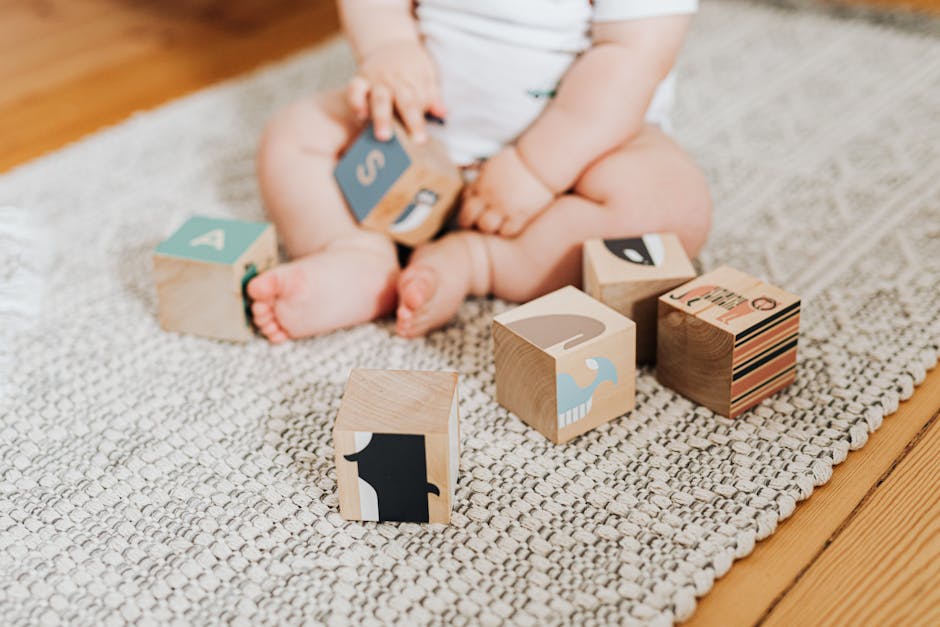
Wooden toys need special care to prevent damage. Use a damp cloth with mild soap to gently wipe the toys. Avoid soaking them in water as this can warp the wood. Wipe them dry immediately after cleaning. To sanitize, consider using a vinegar solution. Mix vinegar and water, dampen a cloth, and wipe the toys. Let them air dry completely. Are your wooden toys particularly grimy? Try using a mixture of olive oil and vinegar. It cleans and conditions the wood. How often do you sanitize your baby's toys? Regular cleaning can minimize germs and extend the life of each toy. By understanding the nuances of different toy materials, you ensure a healthier play environment for your child.

Credit: www.reddit.com
Cleaning Electronic Toys
Electronic toys are a favorite among children. They stimulate learning and fun. Yet, they gather dirt and germs quickly. Regular cleaning is essential to keep them safe and functional.
How To Begin
First, remove batteries if possible. This prevents damage while cleaning. Use a soft, dry cloth to wipe the surface. This removes dust and loose dirt.
Safe Cleaning Solutions
Mix water and mild soap. Avoid harsh chemicals. Dip a cloth in the solution. Wring it out well. Wipe the toy gently. Don't soak electronic parts. Moisture can damage them.
Sanitizing Electronic Toys
Use a disinfectant spray. Ensure it's safe for electronics. Lightly spray a cloth with disinfectant. Wipe the toy's surface. Focus on buttons and handles. These areas harbor germs.
Drying And Reassembling
Let the toy air dry completely. Reinsert batteries once dry. Test the toy to ensure it works. Regular cleaning extends the toy's life. It keeps your child safe.
Frequency Of Toy Cleaning
Keeping baby toys clean is crucial for your child's health. Many parents wonder how often toys should be cleaned. Regular cleaning prevents germs from spreading. This section will guide you on how frequently toys should be sanitized.
Babies love putting toys in their mouths. This habit makes frequent cleaning essential. Toys used daily should be cleaned weekly. If your child is sick, clean toys daily to prevent illness spread.
Daily Used Toys
Toys handled every day collect dirt and germs quickly. Clean these toys at least once a week. If your child plays outside, clean toys more often. It's best to rinse toys with water and soap. This ensures germs are washed away.
Toys Used During Illness
Illness can spread through contaminated toys. Clean these toys daily until your child recovers. Use disinfectants safe for children. This helps prevent germs from spreading to others.
Shared Toys
Shared toys can carry germs from different children. Clean these toys after each play session. This keeps all children healthy and safe. Using sanitizing wipes can make this task easier.
Ensuring Toy Safety Post-cleaning
Ensuring your baby toys are safe after cleaning and sanitizing is crucial for your child's health. It's not just about wiping off dirt; it's about ensuring no harmful residues remain that could affect your baby. Let's dive into practical steps to guarantee toy safety post-cleaning.
Check For Residues
After cleaning, do a quick check for any leftover cleaning solution on the toys. Run your fingers over the surface to feel for any sticky or oily spots. This simple step ensures that your baby isn't ingesting any harmful chemicals.
Dry Thoroughly
Moisture invites mold and bacteria. Make sure toys are completely dry before handing them back to your child. Consider using a fan or placing them near a window with sunlight for faster drying.
Inspect For Wear And Tear
Cleaning can sometimes reveal or cause damage to toys. Look for loose parts, cracks, or sharp edges that may have appeared. If a toy is damaged, it might be time to replace it rather than risk potential harm.
Choose The Right Cleaning Products
Not all cleaning products are created equal. Use those specifically designed for baby items, as they are gentler and safer. Always read the labels to ensure they’re non-toxic and safe for little ones.
Test For Allergies
After cleaning, observe your child for any allergic reactions. Red spots, sneezing, or coughing might indicate a sensitivity to a cleaning product. If you notice anything unusual, switch to a different cleaner.
Remember The Frequency
How often should you clean baby toys? Regular cleaning is essential, but over-cleaning can wear out toys faster. Find a balance that suits your lifestyle and keeps your baby's playthings fresh.
What steps do you take to ensure your child's toys are safe after cleaning? Share your tips in the comments below!
Frequently Asked Questions
What Is The Best Way To Clean Baby Toys?
The best way to clean baby toys is using warm soapy water. Ensure you rinse them thoroughly to remove any soap residue. For more effective sanitizing, consider using a baby-safe disinfectant or vinegar solution. Always dry toys completely to prevent mold growth.
Can I Sanitize Baby Toys With Vinegar?
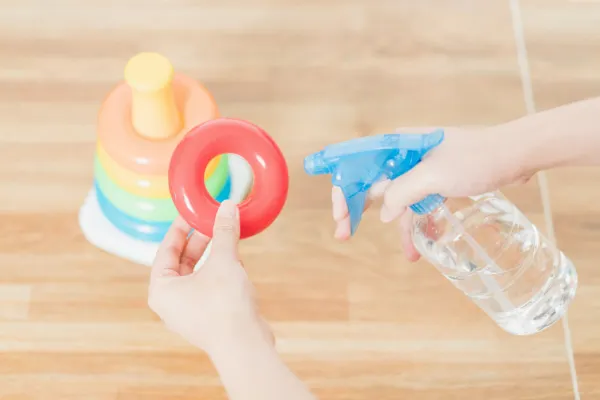
Yes, you can sanitize baby toys with vinegar. Mix equal parts of water and white vinegar in a spray bottle. Spray the solution on toys and let it sit for a few minutes. Wipe with a clean cloth. Vinegar is a natural disinfectant and safe for babies.
How Often Should I Clean Baby Toys?
Cleaning baby toys should be done regularly, ideally once a week. For toys frequently used or shared, consider cleaning them more often. Regular cleaning helps prevent the spread of germs and keeps your baby safe and healthy.
Are Disinfectant Wipes Safe For Baby Toys?
Disinfectant wipes can be safe for baby toys if they're non-toxic and baby-friendly. Always read labels to ensure they're safe for children. After wiping, allow toys to air dry completely before letting your baby play with them.
Conclusion
Cleaning baby toys keeps them safe and germ-free. Use gentle, non-toxic cleaners. Always rinse toys well after cleaning. Dry toys thoroughly to prevent mold. Regular cleaning maintains hygiene and extends toy life. Safe toys mean happy playtime. Check labels for specific cleaning instructions.
Avoid harsh chemicals; they can harm children. Warm soapy water is a good option. Sanitizing wipes work for quick clean-ups. Parents can relax knowing toys are clean. Always prioritize your child's health and safety. A clean toy is a safe toy.
Make cleaning toys a regular routine. Your child deserves a clean play environment.