
When it comes to your little one's health, nothing is more important than ensuring their environment is clean and safe. Your baby's toys, which they love to chew on and cuddle with, can quickly become breeding grounds for germs and bacteria.
The thought of your child playing with dirty toys is unsettling, isn't it? You might wonder if there’s a safe and effective way to keep these toys clean without exposing your baby to harsh chemicals. Imagine the peace of mind you'll feel knowing that your child’s favorite toys are spotless and germ-free! You'll discover simple, safe methods to clean baby toys, ensuring they're as fresh as the day you bought them.

Credit: maggymaid.com
Choosing Safe Cleaning Products
Cleaning baby toys requires careful attention. Choosing safe cleaning products is key. Babies explore their world through touch and taste. Thus, ensuring their toys are clean and free from harmful substances is crucial. Let's explore safe cleaning options that protect your little one.
Non-toxic Cleaners
Non-toxic cleaners are the best choice for baby toys. They ensure safety and cleanliness without harmful residues. Look for products labeled "non-toxic" or "child-safe." These usually contain natural ingredients. Vinegar and baking soda are excellent choices. They clean effectively without risks. Essential oils like lavender can add a pleasant scent. But use them sparingly.
Avoiding Harsh Chemicals
Avoid cleaners with harsh chemicals. They can leave harmful residues on toys. This includes bleach and ammonia. Such chemicals may irritate your baby's skin or eyes. Check labels for clear ingredient lists. Organic or plant-based cleaners are safer options. They offer peace of mind while cleaning.
Cleaning Different Toy Materials
Cleaning baby toys involves understanding the materials they're made of. Different toy materials require unique cleaning methods. This ensures safety and longevity. Let's explore how to clean various toy materials safely.
Plastic Toys
Plastic toys are durable and easy to clean. Use warm, soapy water for washing. A soft cloth or sponge works well. Rinse thoroughly to remove soap residue. Air dry the toys completely before use. Dishwashers are sometimes suitable for plastic toys. Check for dishwasher-safe labels first. Avoid harsh chemicals which can damage the plastic.
Wooden Toys
Wooden toys require gentle cleaning to protect their surface. Use a damp cloth with mild soap. Avoid soaking them in water. This can warp the wood. Dry immediately with a towel to prevent moisture damage. Occasionally, use a vinegar solution for deeper cleaning. Mix equal parts vinegar and water. Apply with a cloth and wipe dry.
Stuffed Animals
Stuffed animals need a different approach. Check the care label for washing instructions. Most are machine washable on a gentle cycle. Use a mesh laundry bag for protection. Air drying is best for preserving their shape. For spot cleaning, use a damp cloth with mild soap. Gently scrub and let it air dry. Avoid direct sunlight to prevent fading.
Disinfecting Baby Toys
Safely clean baby toys by using mild soap and warm water. Rinse thoroughly to remove any soap residue. Let toys dry completely before giving them back to your child. Regular cleaning prevents germs and keeps playtime safe.
Keeping your baby's toys clean is crucial for their health and safety. Germs and bacteria can easily accumulate on toys, leading to potential illnesses. So, how do you disinfect baby toys without compromising their safety? Let's explore effective methods that are both safe and practical.
Using Natural Disinfectants
Natural disinfectants are an excellent choice for cleaning baby toys. They are safe and free from harsh chemicals. Vinegar and baking soda are great natural options. Vinegar is a powerful disinfectant. Mix equal parts of vinegar and water in a spray bottle. Spray the solution on toys and wipe them with a clean cloth. Baking soda works well for scrubbing toys. Sprinkle it on the toys, scrub gently, and rinse thoroughly. Essential oils like tea tree oil also have antibacterial properties. Add a few drops to water and wipe toys with the mixture. Have you tried using natural disinfectants? They’re effective and safe for your little one!
Frequency Of Disinfection
How often should you disinfect your baby's toys? It largely depends on how frequently your baby plays with them. Toys that are used daily should be disinfected at least once a week. After a playdate or when toys are shared, consider disinfecting them immediately. This helps prevent the spread of germs. For toys that are rarely used, a monthly cleaning might suffice. Regular disinfection keeps your baby safe without much hassle. Have you thought about how often you clean your baby’s toys? A consistent routine can make all the difference. Disinfecting baby toys doesn’t have to be a daunting task. With the right methods and frequency, you can ensure your baby's toys are safe and clean.

Credit: www.reddit.com
Drying And Storing Toys
As a parent, you know how important it is to keep your baby's toys clean. But have you ever thought about the drying and storing process? After washing them, toys need proper drying to prevent mold. Plus, storing them safely is crucial to avoid accidents. Let’s dive into how you can efficiently dry and store those colorful companions in your home.
Proper Drying Techniques
Once toys are washed, proper drying is key. You want to make sure they dry completely to avoid any mold or bacteria.
- Air Drying:Lay them on a clean towel in a well-ventilated area. Sunlight can be helpful, but make sure it's not too harsh as it can fade colors.
- Using a Drying Rack:Hang toys on a drying rack. This is especially useful for plush toys, as it helps maintain their shape.
- Accelerating with a Fan:Consider using a small fan to speed up the drying process. It helps circulate air, ensuring toys dry evenly.
Have you ever dried toys overnight, only to find them damp the next morning? Using a fan can be a game-changer!
Organizing For Safety
Once toys are dry, storing them correctly is your next step. Safety is paramount, especially when toys are involved.
- Use Storage Bins:Clear bins allow you to see what's inside without rummaging through. Make sure they are easily accessible.
- Label Shelves:Labeling shelves with categories like "soft toys" and "plastic toys" helps keep things organized.
- Store at Eye Level:Keep frequently used toys at your child's eye level. This prevents them from climbing or reaching for toys, reducing the risk of falls.
Ever had toys scattered across the room? An organized system not only keeps your space tidy but also ensures your baby's safety.
Take a moment to look at your current setup. Could it be safer or more organized? Implementing these strategies will make playtime safer and cleanup easier.
Handling Electronic Toys
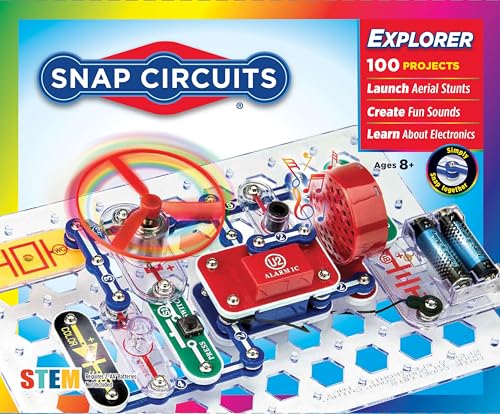
Cleaning baby toys safely is crucial for their health. Use mild soap and water to wash toys gently. Wipe electronic toys with a damp cloth to avoid damage.
Handling electronic toys can be a bit tricky. These toys are fun and engaging for your little ones, but they require special care to maintain their functionality. You want to keep them clean without damaging sensitive components. So, how do you manage this task effectively? It's simpler than you might think!
Cleaning Electronic Surfaces
When cleaning electronic toys, focus on the surfaces that your child touches most. Use a slightly damp cloth or a baby wipe. Avoid sprays or soaking the toy, as moisture can seep into electronic parts. Imagine wiping down your child’s favorite musical toy. You’re removing grime without risking its cheerful tunes. A quick wipe can make all the difference in keeping toys both hygienic and operational.
Battery Safety
Battery compartments are another critical area. Always remove batteries before cleaning. This prevents corrosion and accidental power-on during cleaning. Think about the time you noticed a battery leaking in an old toy. It’s a mess you don’t want in your child's toys. Regular checks and battery removal during cleaning can help you avoid this. Is your child’s toy not working after cleaning? It might be a battery issue. Ensure the compartment is dry before reinserting batteries. This simple step can save you from frustration and keep the fun going. Handling electronic toys with care can extend their life and keep your child safe. Ready to tackle that pile of toys with confidence?
Signs A Toy Needs Replacement
Children's toys are a source of joy and learning. But they have a lifespan. Recognizing when a toy needs replacement is crucial for safety and hygiene. Pay attention to these signs to ensure your child's toys are safe and clean.
Wear And Tear Indicators
Toys often show physical signs of wear. Scratches and cracks are common. These can harbor germs. Loose parts and broken pieces are dangerous. They can cause choking hazards. Faded colors can indicate sun damage. This makes toys less appealing.
Safety Hazards
Safety is key with children's toys. Sharp edges can cause injuries. Missing parts can change a toy's function. This makes it unsafe. Toys with batteries need extra care. Corroded batteries can be toxic. Inspect electronic toys regularly. Look for frayed wires. They pose electrical risks.
Creating A Cleaning Routine
Cleaning baby toys ensures safety and health. Use mild soap and warm water to remove dirt. Rinse thoroughly and dry to prevent germs.
Creating a cleaning routine for your baby's toys is more than just a chore—it's a way to ensure your child's safety and well-being. Developing a consistent schedule can help you stay on top of germs and keep toys looking new. Plus, involving your children in the cleaning process can teach them responsibility and care for their belongings. Let’s dive into how you can make cleaning a regular, enjoyable part of your family routine.
Scheduling Regular Cleanings
Establishing a cleaning schedule is crucial for maintaining a healthy play environment. Consider setting a specific day of the week for toy cleaning. Choose a time when you typically have fewer distractions, like during your child's nap time or in the evening after dinner. Make it simple and realistic. You might start with a bi-weekly routine and adjust as needed. Keeping a calendar or using reminders on your phone can help you stick to your plan. Is there a particular toy that gets more use than others? Prioritize these items in your cleaning schedule. High-touch toys may need more frequent attention to keep germs at bay.
Involving Children In Cleaning
Why not turn cleaning into a fun learning activity for your kids? Even toddlers can help with simple tasks like wiping down plastic toys with a damp cloth. Engage your child by making it a game. Who can put the most toys in the cleaning bin? Or, sing a cleaning song together while you work. This not only makes the task enjoyable but also instills good hygiene habits early on. Explain the importance of cleaning in simple terms. Tell them that cleaning helps keep their toys safe and ready for play. You might be surprised at how quickly they take to this new responsibility when they understand its purpose. How do you plan to incorporate cleaning into your routine? With these strategies, keeping your child's toys clean can become a seamless part of your weekly flow.

Credit: www.reddit.com
Frequently Asked Questions
How Often Should I Clean Baby Toys?
Clean baby toys at least once a week to ensure hygiene. Increase frequency if your child is sick or the toys are shared. Regular cleaning prevents germs and bacteria, keeping your child safe. Always follow the manufacturer's instructions for specific cleaning methods.
Can I Use Vinegar To Clean Baby Toys?
Yes, vinegar is a natural and safe cleaning option. Mix equal parts of water and vinegar for an effective solution. Spray and wipe toys with a cloth. Ensure toys are rinsed and dried thoroughly before use. Avoid using vinegar on toys with batteries or electronics.
Are Disinfectant Wipes Safe For Baby Toys?
Disinfectant wipes can be used on hard, non-porous toys. Ensure the wipes are baby-safe and non-toxic. Follow the manufacturer's instructions and allow toys to dry completely. Avoid using wipes on plush toys or those with small parts that could be ingested.
How Do I Clean Electronic Baby Toys?
Remove batteries before cleaning electronic toys to prevent damage. Use a damp cloth with mild soap to wipe the surface. Avoid submerging or using excessive water. Dry thoroughly before reassembling. Always refer to the manufacturer's guidelines for specific cleaning instructions.
Conclusion
Cleaning baby toys keeps them safe and fun for little ones. Use mild soap and warm water for most toys. Check labels for specific cleaning tips. Avoid harsh chemicals; they can harm your baby. Regular cleaning helps prevent germs and dirt.
Clean toys weekly or after playtime. Dry toys completely to prevent mold. Keep your baby's play space clean. This protects their health. With these tips, you can maintain a safe play environment. Happy cleaning and safe playing!