
When it comes to your little one’s toys, cleanliness is not just a matter of tidiness—it's crucial for your baby’s health and safety. You want to ensure that the toys your baby plays with are free from germs and harmful substances.
But what’s the best way to clean them? You might feel overwhelmed by the plethora of cleaning products and methods available, each promising the best results. Don't worry; you're not alone in this. Imagine a world where you can confidently let your baby explore and play, knowing their toys are safe and clean.
In this guide, you'll discover simple, effective ways to clean your baby’s toys, ensuring peace of mind for you and a healthy environment for your child. Stay with us as we unveil the secrets to making those adorable playthings sparkling clean and germ-free.

Credit: www.reddit.com
Importance Of Cleaning Baby Toys
Cleaning baby toys is crucial for your child's health and safety. Toys can harbor germs, dust, and allergens, especially when shared among little ones. Keeping them clean ensures your baby plays in a safe environment, minimizing the risk of infections. But how often do we actually think about cleaning them? It's easy to overlook, yet essential for your child's well-being.
Babies explore the world through touch and taste. Every toy becomes a tool for learning and development. However, this also means toys are constantly exposed to saliva, food, and other residues. Consider how often your baby drops a toy on the floor only to pick it up again. Each encounter can introduce new germs.
Think about the last time your baby played in a group setting. Shared toys can spread germs quickly among children. Regular cleaning helps prevent the spread of illness, especially during flu season or when a cold is going around. Are you prepared to tackle these germs head-on?
How Often Should You Clean Baby Toys?
Frequency depends on the type of toy and usage. Plush toys should be washed every few weeks, while plastic toys can be cleaned weekly. High-touch items like teething rings require more frequent cleaning. If your baby is sick, clean toys daily to prevent reinfection.
Safe Cleaning Methods For Baby Toys
Choose methods that are gentle yet effective. Use mild soap and warm water for most toys. For deeper cleaning, consider using a diluted vinegar solution. Avoid harsh chemicals that could leave harmful residues. If you're using a dishwasher, check if the toy is dishwasher-safe first.
Diy Cleaning Solutions
Create a simple cleaning solution with ingredients you already have. Mix equal parts water and vinegar for a natural disinfectant. Add a few drops of essential oil for a pleasant scent, but ensure it's safe for babies. This option is not only cost-effective but also eco-friendly.
Teaching Kids About Cleanliness
Make cleaning a fun activity for older kids. Introduce them to the concept of hygiene by letting them help with toy cleaning. This teaches responsibility and awareness. Have you tried turning cleaning into a game? It’s a great way to engage children while instilling good habits.
Cleaning baby toys should be a regular part of your routine. It might seem like a small task, but it significantly impacts your child's health. Are you ready to prioritize cleanliness and safety in your home?
Common Germs Found On Toys
Toys can harbor germs like E. coli and Staphylococcus. To clean baby toys, use mild soap and water. Regular cleaning ensures a safer play environment for little ones.
Every parent wants to ensure their baby’s environment is as clean and safe as possible. But did you know that toys, those cherished playthings, can harbor a surprising number of germs? It's essential to understand the common germs found on toys to keep your little one healthy and happy.
What Are The Usual Suspects?
Toys can be a breeding ground for bacteria like Staphylococcus aureus. This germ is often found on the skin and can cause infections if it enters the body through cuts or scrapes. Another common germ is Escherichia coli, known as E. coli. It usually comes from fecal contamination. Imagine your baby dropping a toy in a dirty place and then putting it back in their mouth. Viruses such as Influenza can survive on toys for several hours. If someone with the flu handles a toy, your baby could catch it.
Where Do These Germs Come From?
The sources of these germs might surprise you. Family members, friends, or even pets can transfer germs to toys. Daycare centers and playdates are also hotspots for germ exchanges. Consider all the little hands and mouths interacting with toys in these environments. Have you ever thought about the germs that stick to toys when they roll under furniture or fall on the floor? Dust and dirt can bring unwanted bacteria into your home.
How Often Should You Clean Toys?
Regular cleaning is crucial. But how often is enough? For daily-use toys, a weekly cleaning schedule can help minimize germ exposure. During flu season or after playdates, cleaning toys more frequently can be a smart move. Always clean toys after your child has been sick to prevent re-infection. What cleaning schedule works best for your family? It depends on your daily routines and the toys' usage frequency.
Simple Tips To Keep Toys Germ-free
Consider the materials of your baby's toys. Plastic toys can usually be cleaned with soap and water, while fabric toys might need a gentle cycle in the washing machine. Use a vinegar and water solution to naturally disinfect. It's a safe and effective method. Have you tried using dishwashers for hard plastic toys? Many are dishwasher safe and it's an easy way to sanitize them. Remember to dry toys thoroughly before giving them back to your baby. Moisture can encourage the growth of mold and mildew. By understanding the common germs found on toys and taking simple steps to clean them, you can create a safer environment for your baby. What strategies will you implement to keep your baby’s toys clean?
Safe Cleaning Materials
Clean baby toys with safe materials like vinegar and water. Mild soap is effective for plastic toys. Wipe wooden toys with a damp cloth.
Keeping your baby's toys clean is crucial for their health and safety. Babies explore the world with their mouths, making it essential to use safe cleaning materials. You want to ensure that every toy is free from harmful substances without compromising on cleanliness. But what materials can you trust to achieve this balance? Let's explore some options that are both effective and gentle.
Natural Cleaners
Natural cleaners are an excellent choice for cleaning babies' toys. They are gentle yet effective, ensuring that the toys are safe for your little one to chew on. Vinegar mixed with water is a popular option. It's a powerful disinfectant and easy to use. Simply mix equal parts of vinegar and water, and wipe down the toys. Baking soda is another natural cleaner that works wonders. It can remove stains and odors from toys. Just make a paste with water and scrub gently. Rinse thoroughly afterward to avoid leaving any residue. Have you tried essential oils like tea tree oil or lavender? A few drops in water can add extra disinfecting power. Plus, they leave a pleasant scent. Remember to use them sparingly and rinse well.
Commercial Baby-safe Products
If you prefer something ready-made, several commercial baby-safe products are available. These are specially formulated to be non-toxic and gentle on sensitive skin. Look for labels that state they are free from harsh chemicals like phthalates and parabens. Wipes specifically designed for cleaning toys can be a lifesaver. They are convenient and often come in travel-friendly packs. Perfect for quick clean-ups on the go. Some brands offer toy cleaning sprays that are easy to use. Just spray and wipe, leaving the toys fresh and clean. Always check the ingredients to ensure they meet your safety standards. Have you ever found yourself overwhelmed by the choices? Remember, the key is to select a product that fits your lifestyle and aligns with your safety preferences. What cleaning materials do you trust for your baby's toys? Choose wisely to keep your baby safe and healthy.
Cleaning Plastic And Rubber Toys
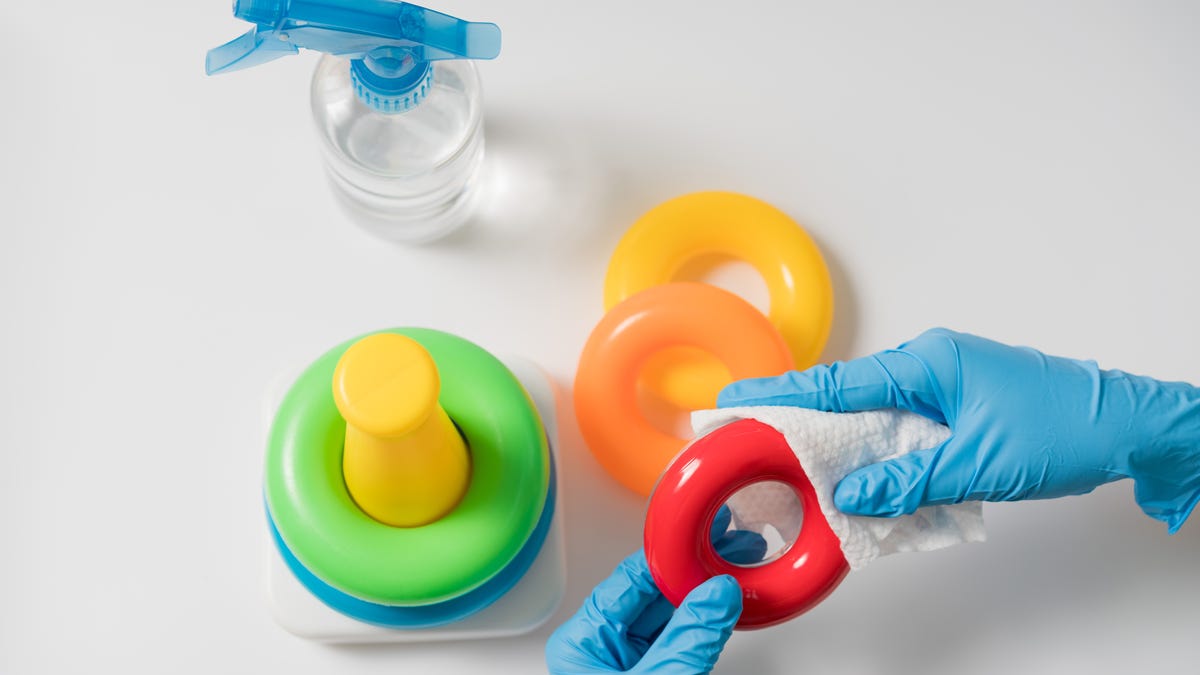
Cleaning plastic and rubber toys is essential for maintaining baby health. Germs and dirt can accumulate on toys over time. Regular cleaning ensures toys remain safe for play. Two effective methods are dishwasher cleaning and hand-washing.
Dishwasher Method
The dishwasher is great for cleaning plastic toys. Check if the toy is dishwasher safe. Place toys in the top rack to avoid heat damage. Use a gentle cycle with mild detergent. Skip the drying cycle to prevent warping. Let toys air dry completely before use.
Hand-washing Technique
Hand-washing is ideal for delicate toys. Fill a basin with warm water and mild soap. Submerge the toy and scrub with a soft brush. Pay attention to crevices where dirt hides. Rinse thoroughly to remove soap residue. Dry with a clean towel or air dry fully.
Cleaning Plush And Fabric Toys
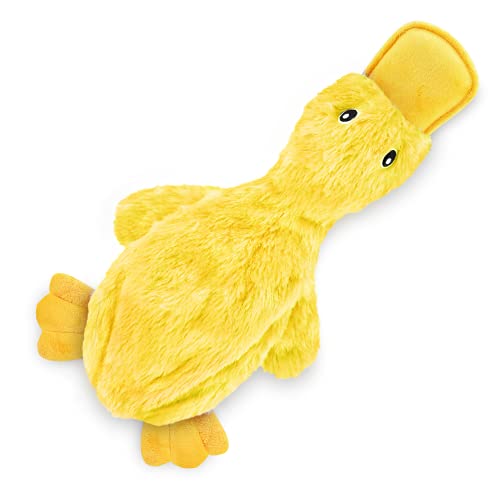
Cleaning plush and fabric toys requires gentle solutions like mild soap and warm water. A soft brush can remove stubborn stains. Always air dry toys completely to prevent mold.
Cleaning plush and fabric toys can often feel like a daunting task, especially when they are your baby's favorites. These toys can quickly become homes for germs and bacteria. You want them clean and fresh, but you also want to keep them looking nice. Let's dive into the best ways to clean these cuddly companions without sacrificing their softness or color.
Machine Wash Guidelines
First, check the toy’s label. Many plush toys can be machine washed, but you need to be certain. Use a gentle cycle and cold water. This helps maintain the toy’s texture and prevents colors from fading. Place the toy in a mesh laundry bag or pillowcase to protect it during the wash. This simple step can prevent snags and preserve stitching. Don’t forget to use a mild detergent. Strong detergents can irritate your baby’s skin, and you certainly don’t want that.
Spot Cleaning Tips
Sometimes, a quick spot clean is all you need. Grab a clean cloth and some mild soap. This is perfect for small stains or dirt patches. Gently dab the stained area; avoid rubbing too hard. You don't want to damage the fabric or push the stain deeper. Rinse the area with a damp cloth until the soap is gone. Let it air dry completely before handing it back to your little one. Have you ever tried a homemade stain remover? A mix of baking soda and water can work wonders on stubborn spots. In your journey to clean plush toys, what methods have worked best for you? Finding the perfect technique can be a game-changer in keeping your baby's toys safe and clean.
Credit: www.cnet.com
Cleaning Wooden Toys
Use mild soap and water to clean wooden toys for babies. Gently wipe the surface with a damp cloth. Ensure toys dry completely to prevent damage.
Cleaning wooden toys is an essential task, especially when you want to keep your baby's playthings safe and hygienic. Wooden toys are durable and often more environmentally friendly than plastic alternatives. However, they require a bit of extra care to ensure they remain in good condition. You might wonder how to clean these beloved items without causing damage. Let's delve into some effective and safe methods.
Wiping Down With Vinegar Solution
Vinegar is a natural disinfectant and can be an excellent choice for cleaning wooden toys. Mix equal parts of water and white vinegar in a spray bottle. Spray lightly on a soft cloth and wipe the toys down. This solution not only cleans but also helps eliminate germs without the harsh chemicals found in commercial cleaners. Remember, you don't need a soaking wet cloth—just a damp one will do. This minimizes the risk of damaging the wood while still cleaning effectively.
Avoiding Water Damage
Wooden toys are sensitive to moisture, so it's crucial to avoid excessive water exposure. Instead of submerging them in water or using a soaked cloth, opt for a lightly dampened cloth for cleaning. This prevents swelling and warping, ensuring the toys maintain their shape and functionality. After cleaning, allow the toys to air dry completely. Placing them in direct sunlight can speed up the drying process but be cautious, as prolonged exposure to sun might fade the colors. Have you ever considered the impact of water on your wooden furniture? The same principles apply to wooden toys. Ensuring proper care can prolong their lifespan and keep them looking great. By using these techniques, you can keep your baby's wooden toys clean and safe without compromising their quality.
Disinfecting Electronic Toys
Cleaning babies' electronic toys requires gentle, safe solutions. Use a mixture of mild soap and water. Make sure to dry thoroughly after wiping to prevent damage.
Cleaning your baby's toys is crucial, especially when it comes to electronic ones. These toys can harbor germs and bacteria, leading to potential health risks. Keeping them clean ensures your baby plays in a safe environment. But how do you disinfect electronic toys without damaging them? Let's dive into some practical tips.
Battery Removal Precautions
Before you start cleaning electronic toys, always remove the batteries. This simple step prevents any risk of short-circuiting or damaging the toy's electronics. Carefully open the battery compartment, and place the batteries in a safe spot. Be sure to remember how they fit, so you can easily put them back later. By doing this, you ensure both the toy and your cleaning process remain safe and effective.
Surface Wiping Methods
When it comes to cleaning the surfaces of electronic toys, gentle is the key. Use a soft, damp cloth with a mild soap solution to wipe the toy's surface. Avoid soaking the cloth, as excess water can seep into the toy and cause damage. If you're worried about using soap, consider baby-safe disinfectant wipes. They're effective and leave no harmful residue. Have you ever considered using cotton swabs for those hard-to-reach spots? They work wonders on small crevices and buttons, ensuring every inch of the toy is clean. Remember, your goal is to eliminate germs without compromising the toy's functionality. What methods have you found effective for keeping electronic toys clean?

Credit: maggymaid.com
Frequency Of Cleaning Toys
Cleaning baby toys is crucial for maintaining a safe environment. Germs can accumulate quickly, especially on toys that babies frequently use. Knowing how often to clean these toys is essential for their health. Regular cleaning prevents the spread of germs and keeps toys looking fresh.
How Often Should You Clean?
Babies explore the world by touching and tasting. Their toys often end up in their mouths. Cleaning frequency depends on the type of toy. Plush toys can be cleaned weekly. Hard plastic toys may need cleaning more often. After a playdate, it’s wise to clean shared toys. Consistent cleaning ensures a healthier play space.
Signs That Toys Need Cleaning
Visible dirt is an obvious sign. Sticky surfaces indicate the presence of germs. A toy that smells must be cleaned immediately. If your baby is sick, clean toys more frequently. This helps to stop the spread of illness. Regular checks can help you maintain a clean toy collection.
Cleaning Schedule Tips
Set a weekly routine for cleaning toys. Assign a specific day for this task. Make a checklist of toys that need frequent cleaning. Include plush and plastic toys on this list. Consistent scheduling keeps toys hygienic. Adapt the schedule as needed based on usage. A clean toy collection promotes a safe play area.
Storage Tips To Maintain Cleanliness
Soap and water work well for cleaning babies' toys. Vinegar is another safe option for a thorough clean. Always rinse toys well and dry them completely to keep germs away.
Ensuring your baby's toys stay clean is crucial for their health and safety. But, how you store these toys can significantly impact how clean they remain. When toys are stored properly, it reduces the risk of dirt and bacteria build-up. Let's dive into some actionable storage tips that can help you maintain toy cleanliness.
Organize Toys By Material
Different toys require different storage methods. Soft toys, like plush animals, should be stored in breathable containers to avoid mold. Plastic toys can be kept in bins that are easy to clean. Consider using clear boxes; they allow you to see the contents at a glance.
Keep Storage Spaces Dry
Moist environments are a breeding ground for germs. Ensure toy storage areas are dry and well-ventilated. You might even want to place a small dehumidifier nearby. One rainy season, I found a damp corner in my kid's room harboring mildew. A quick fix of moving toys to a drier spot made all the difference.
Rotate Toys Regularly
Rotating toys can keep your child engaged and ensure toys get the attention they need. When you rotate, you have the opportunity to clean stored toys before bringing them back into play. It's also a chance to declutter and assess which toys are no longer age-appropriate.
Use Labels For Easy Identification
Labeling bins can save you time and reduce chaos. When toys are categorized and labeled, you know exactly where they belong, making it easier to maintain order. If your child is old enough, involve them in this labeling process. It can be a fun way to teach them organization skills.
Keep Toys Off The Floor
Floors can be dirty and are often the first place to accumulate dust. Use shelves or hang baskets to keep toys elevated. This not only keeps toys cleaner but also makes the room look tidier. Plus, it reduces tripping hazards for both you and your baby.
Implement A Cleaning Routine
Regular cleaning schedules ensure toys remain safe for your little one. Establish a routine where toys are cleaned and then stored away properly. Consistency is key. Think about how often you find yourself cleaning the kitchen; applying a similar discipline to toy cleaning can be just as impactful. Adopting these storage tips will not only help maintain cleanliness but also extend the life of the toys. How do you currently store your baby's toys? Consider trying one of these methods and see the difference it makes.
Frequently Asked Questions
What Is The Best Way To Clean Baby Toys?
The best way to clean baby toys is by using mild soap and warm water. Gently scrub the toys with a soft cloth or sponge. Rinse thoroughly and let them air dry. For non-submersible toys, wipe them with a damp cloth and ensure they are completely dry before use.
Can I Use Vinegar To Clean Toys?
Yes, vinegar is an effective natural cleaner for toys. Mix equal parts of water and white vinegar. Use a spray bottle to apply the solution on the toys. Wipe with a clean cloth and allow them to air dry. Vinegar is safe and helps disinfect toys without harsh chemicals.
How Often Should I Clean Baby Toys?
Clean baby toys at least once a week to maintain hygiene. Toys that babies frequently put in their mouths should be cleaned more often. Regular cleaning prevents the buildup of germs and keeps toys safe for playtime. Always follow cleaning instructions based on the toy's material.
Are Disinfectant Wipes Safe For Baby Toys?
Disinfectant wipes are generally safe for plastic baby toys. Ensure the wipes are free from harmful chemicals. Follow the product instructions and rinse toys with water after wiping. This ensures no residue remains. For toys that go into the mouth, consider milder cleaning methods.
Conclusion
Cleaning baby toys is essential for safety. Choose safe, non-toxic cleaners. Mild soap and warm water work well. Consider vinegar for natural cleaning. Disinfectant wipes kill germs effectively. Always rinse toys thoroughly after cleaning. Avoid harsh chemicals to protect your baby.
Regular cleaning keeps toys safe and fresh. Check labels for cleaning instructions. Prioritize baby's health by cleaning toys often. Cleanliness prevents illness and keeps playtime fun. Follow these tips to ensure clean, safe toys. Keep your baby's environment hygienic and worry-free.