
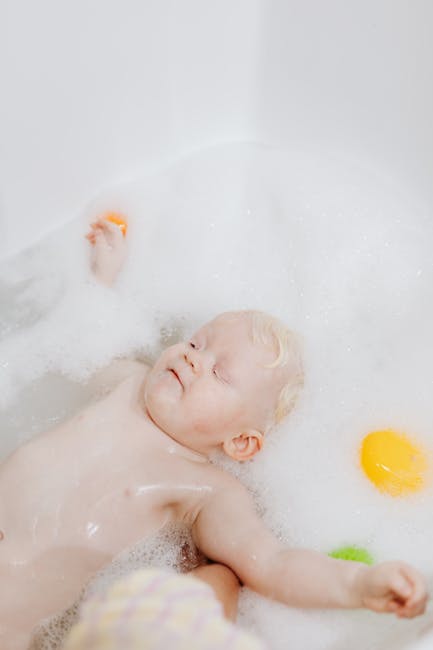
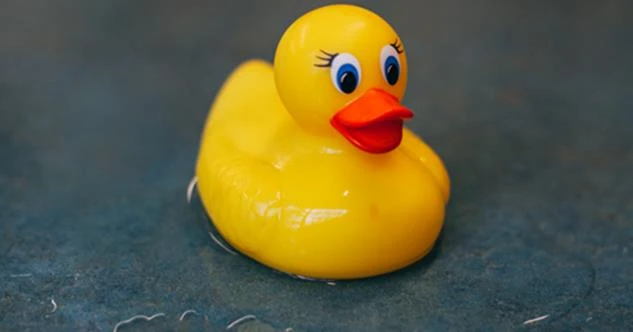
When it comes to bath time, your little one's squeals of joy can light up your world. But have you ever wondered what's lurking on those adorable bath toys?
Yes, those squishy ducks and colorful boats might be harboring grime and germs. The good news? Keeping baby bath toys clean doesn't have to be a daunting task. Imagine a world where your child's bath toys are as clean as they are fun.
In this guide, you'll discover simple, effective tips to ensure your child's bath time is not only entertaining but also safe. Dive in to learn how to maintain a germ-free splash zone, giving you peace of mind and your baby a healthy bath experience.

Credit: www.anbbaby.com
Importance Of Clean Bath Toys
Clean bath toys are vital to prevent bacteria and mold that can harm babies. Regular cleaning keeps toys safe. Use soap and warm water to wash toys after each bath.
The importance of keeping baby bath toys clean can't be overstated. These colorful companions make bath time fun but can also harbor germs and mold. Ensuring they're clean is crucial for your baby's health and happiness. Have you ever picked up a toy and noticed a musty smell? That's a sign of mold. Mold can be harmful to babies, causing allergies or respiratory issues. Regular cleaning can prevent this and keep bath time safe.
Why Dirty Toys Are Dangerous
Bath toys spend a lot of time in warm, humid environments. This makes them breeding grounds for bacteria and mold. It's easy to overlook, but these hidden dangers can affect your baby's health.
Impact On Baby's Health
Dirty bath toys can lead to skin irritations and infections. Babies often put toys in their mouths, increasing the risk of illness. Keeping them clean reduces these risks significantly.
Easy Cleaning Techniques
You don't need fancy products to clean bath toys. A simple mix of water and vinegar can do wonders. Allow the toys to soak for a few minutes, then rinse thoroughly.
Making Cleaning A Routine
Consider setting a weekly reminder to clean bath toys. This small habit can make a big difference. You might find it helpful to clean them during your baby's nap time, making it a quick and easy chore.
Engaging Your Child In Cleaning
Turn cleaning into a fun activity by involving your child. Let them help rinse the toys or choose which ones to clean. This can teach them the importance of hygiene in a playful way.
Choosing Toys Wisely
When buying bath toys, opt for those that are easy to clean. Avoid toys with small openings where water can get trapped. This simple choice can save you time and effort in the long run. Are you ready to make bath time cleaner and safer? Taking these steps can protect your baby and ensure their playtime is worry-free.
Credit: www.mollymaid.com
Common Germs And Risks
Germs thrive in moist environments like baby bath toys, posing health risks. Regular cleaning with warm soapy water helps prevent harmful bacteria buildup. Ensure toys dry completely after each use to maintain a safe play experience.
Keeping baby bath toys clean is crucial to ensure the health and safety of your little one. While bath time is fun, toys that aren't cleaned properly can harbor germs and bacteria. Understanding the common germs and the risks they pose can help you protect your child.
Common Bacteria In Bath Toys
Bath toys often sit in water, creating a perfect environment for bacteria like E. coli and Staphylococcus to thrive. These bacteria can cause infections if your baby puts the toy in their mouth. Regular cleaning helps prevent these bacteria from growing.
Mold And Mildew: Hidden Threats
Mold and mildew love damp places. You might notice black spots inside rubber toys. This is a sign of mold, which can cause respiratory issues if ingested or inhaled by your baby. It's important to regularly inspect and clean toys to prevent mold growth.
Viruses That Lurk
Bath water can sometimes contain viruses if someone is sick. These can stick to toys and spread to your baby. Cleaning toys after each bath reduces the risk of viral infections.
Risks Of Allergic Reactions
Some children are sensitive to molds and bacteria, which can trigger allergic reactions. If your child frequently develops rashes or respiratory issues, dirty bath toys might be the culprit. Keeping toys clean is a simple step to mitigate these risks.
Practical Cleaning Tips
You don’t need fancy products to keep bath toys clean. A solution of vinegar and water can work wonders. Squeeze any water out of toys after each bath and let them air dry. This simple habit can make a big difference. Think about the last time you cleaned your baby's bath toys. Did you find any mold or strange smells? Taking a few minutes to clean them can prevent unwanted germs from affecting your child’s health. Are you ready to make bath time safer and more enjoyable for your baby?
Best Cleaning Methods
Keep baby bath toys clean by rinsing them after each use. Use a mixture of vinegar and water for deeper cleaning weekly. Ensure toys dry thoroughly to prevent mold and bacteria growth.
Keeping baby bath toys clean is essential for your child's health and happiness. These toys can quickly become breeding grounds for mold and bacteria if not properly maintained. Let's look at some of the best cleaning methods to keep those toys safe and squeaky clean.
Soap And Water
A simple soap and water wash is often the first line of defense. Fill a basin with warm water and add a few drops of mild dish soap. Use a sponge or cloth to scrub each toy, paying special attention to crevices. Rinse thoroughly to ensure no soap residue remains. It's a quick and easy method perfect for regular cleaning. After all, who doesn't love the fresh scent of clean toys?
Vinegar Solution
Vinegar is a natural disinfectant that's gentle yet effective. Mix equal parts of white vinegar and water in a spray bottle. Spray the solution on the toys and let it sit for about 10 minutes. Rinse with warm water to wash away vinegar residue. The acidity of vinegar helps break down grime without harsh chemicals. Plus, vinegar is something you likely already have in your kitchen, making this both convenient and cost-effective.
Bleach Soak
For a more thorough clean, consider a bleach soak. Use a tablespoon of bleach per gallon of water to create a disinfecting solution. Submerge the toys for five minutes, ensuring they are completely covered. Rinse them well under running water to remove any bleach. This method is excellent for heavily soiled toys, but remember to use it sparingly. You wouldn't want to overdo it with bleach, especially considering your baby’s sensitive skin.
Dishwasher Cleaning
Did you know your dishwasher can be a great ally in cleaning bath toys? Place toys on the top rack away from the heating element. Select a light wash cycle with no heat dry option. This method is ideal for toys without electronic components. It's a time-saver and ensures your toys get a thorough clean. Have you tried using your dishwasher for this purpose yet? Maintaining clean bath toys is not just about hygiene, but also about peace of mind. Choose the method that best suits your needs and schedule. Which of these methods will you try next?
Natural Cleaning Alternatives
Keeping baby bath toys clean is essential. Toys can harbor harmful germs. Many parents seek natural cleaning methods. These alternatives are safe and effective. They are free from harsh chemicals. Parents can feel confident using them. Let's explore some options below.
Baking Soda
Baking soda is a versatile cleaner. It acts as a gentle abrasive. This makes it perfect for scrubbing toys. Mix baking soda with water. Create a thick paste. Apply it to the toys. Scrub gently with a brush. Rinse thoroughly with water. This removes dirt and grime easily.
Lemon Juice
Lemon juice is a natural disinfectant. It has antibacterial properties. Squeeze fresh lemon juice into a bowl. Add equal parts water. Soak the toys for a few minutes. This helps break down germs. Rinse toys with clean water. The citrus scent is refreshing.
Essential Oils
Essential oils offer more than aroma. They have cleaning properties too. Tea tree oil is a popular choice. Add a few drops to water. Use a cloth to wipe the toys. Lavender oil is another option. It provides a calming fragrance. Essential oils are strong, so use sparingly.
Routine Cleaning Schedule
Establishing a routine cleaning schedule for baby bath toys is essential. It keeps germs at bay and ensures your child plays safely. Regular cleaning prevents mold and bacteria buildup. This habit also extends the life of the toys, saving money.
Regular Cleaning Days
Choose specific days each week for cleaning. Mark them on your calendar. Consistency helps maintain a clean environment. For most families, twice a week works well.
Gather Cleaning Supplies
Prepare your supplies ahead of time. You need mild soap, vinegar, and a soft brush. Keep them ready for your cleaning days. This speeds up the process and reduces stress.
Inspect Toys Thoroughly
Check each toy for dirt and mold. Pay attention to any discoloration. If a toy seems damaged, consider discarding it. This prevents potential health risks for your baby.
Wash With Care
Use warm soapy water for washing. Gently scrub toys using a soft brush. Reach into small crevices where dirt hides. Rinse thoroughly to remove soap residue.
Sanitize For Safety
After washing, sanitize toys using vinegar. Mix one part vinegar with one part water. Soak toys for 15 minutes. This kills harmful bacteria and ensures cleanliness.
Dry Completely
Let toys air dry completely before storage. Moisture fosters mold growth. Place them in a well-ventilated area. Ensure no water remains inside hollow toys.
Store Properly
Store toys in a dry, clean container. Avoid humid areas like bathrooms. This prevents mold and keeps toys fresh. Consider rotating toys to check for wear.
Preventing Mold And Mildew
Baby bath toys can often become a breeding ground for mold. These toys are frequently wet and left in humid areas. Mold and mildew thrive in these conditions. Keeping baby bath toys clean is essential for your child's health. Mold exposure can lead to allergies and respiratory problems. Implementing simple cleaning habits can prevent mold growth.
Drain And Dry
Always drain water from toys after bath time. Shake each toy to remove excess water. Then, place toys on a towel to dry. Make sure they dry completely before storing. Proper drying prevents moisture build-up. Moisture encourages mold and mildew growth.
Store Properly
Store bath toys in a dry place. Use a mesh bag or basket for storage. This ensures air circulation around the toys. Avoid storing toys in closed containers. Closed spaces trap moisture. Moisture can lead to mold growth. Regularly check toys for signs of mold. Promptly clean or discard any affected toys. This helps maintain a safe play environment for your child.
Signs Toys Need Replacement
Cracks, discoloration, or mold are clear signs that baby bath toys need replacement. Regular inspection keeps playtime safe and clean. Ensure toys are completely dry after bath time to prevent bacteria growth.
Keeping your baby’s bath toys clean is crucial for their health and safety. But how do you know when it's time to replace them instead of just cleaning? Recognizing the signs that bath toys need replacement can save you time and ensure your little one stays safe. Let’s explore these warning signs so you can make informed decisions.
Visible Mold And Mildew
One of the most apparent signs that a toy needs replacing is visible mold or mildew. If you spot black or green spots, it's time to say goodbye. No amount of scrubbing will make it safe for your baby to play with again.
Unpleasant Odors
Have you ever picked up a toy and noticed a musty smell? This is a clear signal that bacteria have taken over. If a toy smells bad even after cleaning, it's not worth the risk to keep it.
Sticky Or Slimy Feel
A sticky or slimy surface is another red flag. This texture often means that there is bacterial growth. Even if the toy looks clean, this sensation indicates it's time to toss it.
Cracks And Holes
Inspect toys regularly for cracks or holes. These imperfections can trap water and harbor bacteria, making them difficult to clean thoroughly. Consider replacing any toys that show signs of wear and tear.
Fading Colors
While fading colors might seem harmless, they could indicate that the material is breaking down. The breakdown of materials can sometimes release harmful chemicals. Would you want your baby exposed to that?
Loose Or Broken Parts
Safety should always come first. If a toy has loose or broken parts, it poses a choking hazard. It's better to replace these toys immediately to avoid any accidents.
Age Of The Toy
Even if a toy looks fine, consider how long you've had it. Over time, materials degrade and can become unsafe. Regularly updating your baby’s bath toy collection ensures they are playing with safer, more durable toys. In your experience, have you ever found a toy that looked fine but had hidden issues? It’s always better to err on the side of caution when it comes to your child’s safety. Keep these signs in mind to maintain a healthy bath time environment.
Safety Tips For Toy Cleaning
Keep baby bath toys clean by rinsing them with warm water after each use. Dry them thoroughly to prevent mold. A vinegar and water solution can also help sanitize toys effectively. Ensure toys are completely dry before storing to maintain a safe play environment.
Keeping your baby's bath toys clean is not just about hygiene—it's about ensuring their safety too. You might be surprised at how easily these toys can harbor bacteria and mold, especially when left wet. Cleaning them isn't complicated, but it does require a few smart safety tips to ensure you’re doing it right. As a parent, you want to make sure you're not inadvertently exposing your little one to harmful substances. Let’s dive into some practical tips that will make toy cleaning safe and effective.
Choose Non-toxic Cleaning Agents
While it’s tempting to reach for the strongest cleaner, remember that your baby’s toys will spend a lot of time in their mouth. Opt for non-toxic cleaning solutions like vinegar or baking soda. These are effective in killing germs without leaving harmful residues.
Regularly Inspect Toys For Damage
Frequent cleaning gives you the perfect opportunity to check toys for cracks or damage. Damaged toys can trap bacteria and become unsafe for use. If you notice any damage, it's best to replace the toy entirely.
Rinse Thoroughly
After cleaning, ensure you rinse toys thoroughly to remove any cleaning solution residues. This step is crucial to prevent any chemicals from coming into contact with your baby's skin or mouth.
Implement Drying Techniques
Wet toys are breeding grounds for mold. After each cleaning, dry toys completely before storing them. Use a towel to absorb excess water and let them air dry in a well-ventilated area.
Establish A Cleaning Routine
Set a regular schedule for cleaning bath toys. Weekly cleanings can prevent the buildup of germs and mold. Consistency is key to maintaining a safe play environment for your baby.
Avoid Submerging Electronic Toys
If your baby enjoys electronic toys during bath time, never submerge them in water. Wipe them down with a damp cloth and check the manufacturer’s instructions for cleaning specifics. Are you keeping safety at the forefront when cleaning baby bath toys? These tips can help ensure that the toys are safe, clean, and ready for play. Your diligence in maintaining toy hygiene can make bath time both fun and secure.

Credit: cuddledry.com
Frequently Asked Questions
How Often Should I Clean Baby Bath Toys?
It's best to clean baby bath toys weekly. Regular cleaning prevents mold and bacteria buildup. Use a mild soap and warm water solution. Rinse thoroughly and let them air dry. This routine keeps your baby's toys hygienic and safe for play.
What Is The Best Way To Disinfect Bath Toys?
To disinfect bath toys, use a vinegar solution. Mix equal parts of water and white vinegar. Soak toys for 10 minutes, then scrub and rinse. Vinegar is natural and effective against germs, ensuring toys remain safe for your baby.
Can Bath Toys Go In The Dishwasher?
Yes, many bath toys are dishwasher-safe. Check the manufacturer's instructions first. Place toys on the top rack and use a gentle cycle. This method provides a thorough clean, removing bacteria and mold, making it a convenient option for busy parents.
How Can I Prevent Mold In Bath Toys?
Prevent mold by drying toys after each use. Squeeze out excess water and store them in a ventilated area. Regularly clean with vinegar or bleach solutions. Avoid toys with small holes, as they trap moisture, fostering mold growth.
Conclusion
Keeping baby bath toys clean ensures a healthy playtime. Regular cleaning helps prevent mold and bacteria. Use safe cleaning methods like vinegar and water. Rinse toys thoroughly to remove soap residue. Dry toys completely after each use. Store in a dry place to avoid moisture buildup.
Always check for signs of wear and tear. Replace damaged toys promptly. Maintain a cleaning routine to keep your baby safe. Clean toys mean happy bath times. Follow these tips for a simple cleaning process. Your baby deserves safe and fun play.