
Keeping your baby safe is your top priority, and it all starts with their toys. Those colorful, squishy, and sometimes noisy items are more than just playthings—they're crucial for development and learning.
But have you ever thought about what’s lingering on them? Germs and bacteria can easily hitch a ride on those toys, and you certainly don’t want them anywhere near your precious little one. So, how can you ensure that your baby’s toys are not just fun, but safe too?
In this guide, you'll discover exactly what to use to safely clean baby toys, ensuring peace of mind with every squeeze and giggle. Imagine the relief of knowing that each toy is spotless and germ-free. Ready to dive into simple and effective cleaning methods that protect your baby without using harsh chemicals? Keep reading to find out how you can turn cleaning into a quick, stress-free routine, all while keeping your baby’s health in check. Your journey to safer playtime starts here.
Choosing Safe Cleaning Products
Keeping baby toys clean is crucial for a child's health. Choosing the right cleaning products ensures safety. Babies explore with their mouths and hands. Safe cleaning prevents harmful exposure. Selecting the right products is essential.
Read Labels Carefully
Start by checking labels on cleaning products. Ensure they are non-toxic and child-friendly. Many products are labeled "safe for kids." Choose those without harsh chemicals. Labels provide essential information. Trustworthy brands prioritize child safety.
Avoid Harsh Chemicals
Steer clear of products with bleach or ammonia. These can harm delicate skin and eyes. Opt for natural ingredients instead. Vinegar and baking soda are excellent choices. They clean effectively and safely. Look for plant-based cleaners.
Consider Hypoallergenic Options
Hypoallergenic cleaners reduce allergy risks. They are gentle on sensitive skin. Babies often have sensitive skin. Hypoallergenic products prevent irritation. Choose cleaning solutions that specify this feature. Your baby's comfort is important.
Test On A Small Area First
Before using a new cleaner, test it. Apply on a small, hidden part of the toy. Check for any adverse reactions. This ensures safety and avoids damage. Always prioritize your baby's safety. Testing is a simple step.
Natural Cleaning Solutions
As a parent, you want to ensure your baby's toys are spotless without exposing them to harsh chemicals. Natural cleaning solutions offer a safe and effective way to keep those toys gleaming. These solutions are not only gentle but also environmentally friendly, making them ideal for your little one's playthings. Let's dive into some natural options you can use to clean baby toys.
Benefits Of Vinegar
Vinegar is a powerhouse cleaner with its antibacterial properties. It's safe for almost all toy materials, from plastic to wooden toys. When cleaning toys, simply mix equal parts water and white vinegar.
I remember using vinegar to clean my child's bath toys. It was a relief knowing I wasn't using anything harmful. Plus, vinegar is incredibly affordable. You might be surprised at how effectively it can disinfect and remove stubborn grime.
Think about the toys your baby puts in their mouth. Wouldn't you prefer a natural cleaner? Vinegar can tackle germs without leaving a chemical residue. It's a perfect choice for those little hands and mouths.
Baking Soda For Deep Cleaning
Baking soda is another natural cleaner that can handle tough stains. It's mildly abrasive, making it great for scrubbing away dirt. You can create a paste by mixing baking soda with a bit of water.
I've used baking soda to clean my baby's building blocks. It worked wonders on those hard-to-reach corners. This method is practical for toys that need more than just a quick wipe.
Why not test it out on those toys you think are beyond saving? Baking soda can revive them, leaving them fresh and clean. It's gentle yet effective, ensuring your baby's toys are both clean and safe.
Natural cleaning solutions like vinegar and baking soda not only clean but also protect your baby from chemicals. Have you tried these methods, or do you have other favorites? Share your thoughts in the comments below!
Chemical-free Cleaning Methods
Parents often search for chemical-free ways to clean baby toys. Babies explore the world through touch and taste. So, keeping their toys clean is essential. Chemical-free cleaning methods ensure safety. They also protect sensitive skin. Let's explore some effective methods.
Steam Cleaning For Plastics
Steam cleaning is a powerful method. It uses high heat to sanitize. No chemicals needed. Steam safely cleans plastic toys. It removes germs and dirt. Use a handheld steamer. Direct the steam at the toy's surface. Ensure it cools before giving it back to the baby. This method is quick and effective. It works well for many plastic toys.
Using Dishwasher For Safe Cleaning
The dishwasher offers a hands-free cleaning option. Many plastic toys are dishwasher-safe. Place them on the top rack. Use a gentle cycle. The hot water and steam sanitize the toys. Avoid toys with batteries or electronic parts. Check the toy's label for dishwasher safety. This method saves time. It ensures thorough cleaning without chemicals.

Credit: maggymaid.com
Cleaning Different Toy Materials
Cleaning baby toys safely involves using mild soap and water for plastic toys. Soft toys benefit from gentle machine washes. Wooden toys require a damp cloth and vinegar solution to preserve their quality.
Cleaning Different Toy Materials As a parent, you probably find yourself frequently on toy-cleaning duty. Toys end up in tiny hands, on floors, and sometimes even in mouths. Each toy material demands a different approach to ensure safety and cleanliness. This guide breaks down how to clean various materials effectively and safely. Whether it's plastic, wood, or fabric, we've got you covered.
Plastic And Rubber Toys
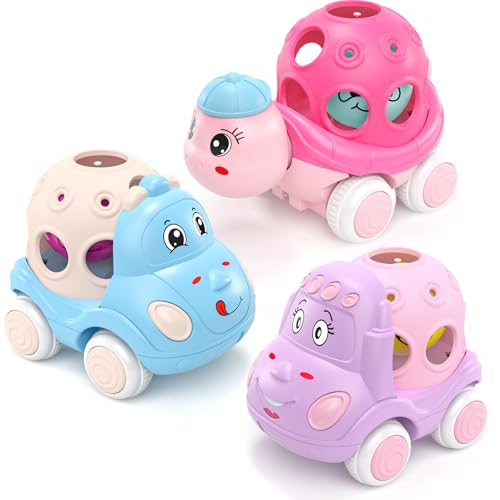
Plastic and rubber toys are often the easiest to clean. Their non-porous surfaces resist stains and germs. But what's the best way to ensure they're safe for your little one? You can use mild dish soap mixed with warm water. A soft cloth or sponge works great for wiping away dirt. Consider soaking toys in the soapy solution for a few minutes if they're particularly grimy. Rinse thoroughly to remove all soap residues. If you have small toys, you might want to pop them in the dishwasher. Just ensure they're dishwasher-safe. Remember, high heat can damage or warp some toys.
Wooden Toys Care
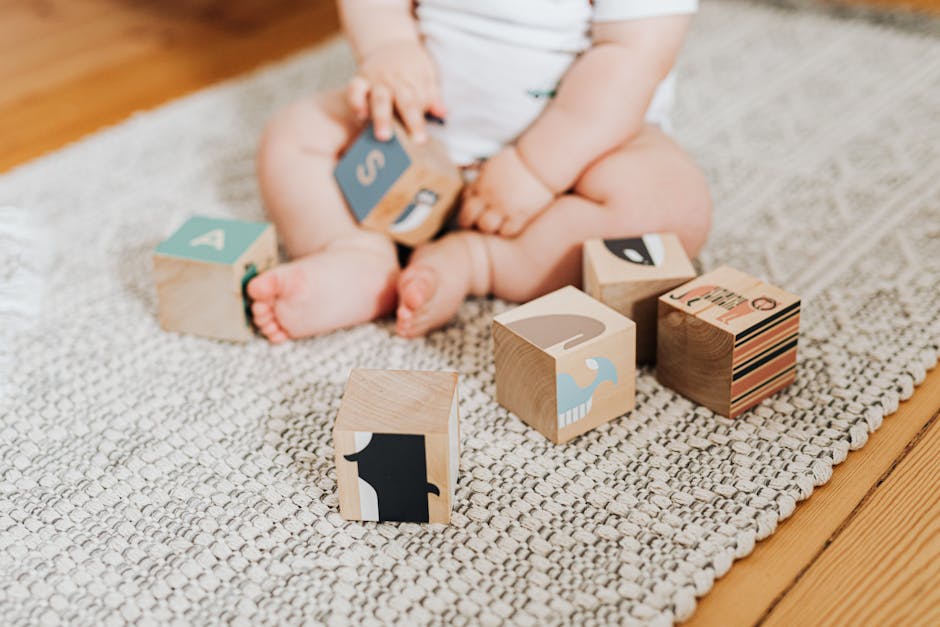
Wooden toys are durable but need special care. They can't be soaked like plastic toys, as water can damage the wood. You should wipe them down with a damp cloth. A mixture of vinegar and water acts as a natural disinfectant. Check for any splinters or cracks. Repair them immediately to keep the toy safe for your child. A light sanding can smooth out rough spots. After cleaning, let the toys air dry completely.
Fabric And Plush Toy Care
Fabric and plush toys can be a magnet for dust and germs. Regular cleaning is crucial to keep them fresh and safe. Most plush toys can be machine washed. Use a gentle cycle with mild detergent. Check the label first for any specific instructions. For toys that can't go in the washer, spot cleaning is your friend. Use a damp cloth and mild detergent to treat stains. Don't forget about drying. Air drying is best to prevent shrinking or damage. If you use a dryer, choose a low heat setting. Have you ever wondered why some toys seem to get dirtier than others? It's often about where they're played with. Encourage your child to keep toys off the floor, or have a designated play area. This might reduce the frequency of cleaning. Cleaning baby toys doesn't have to be a daunting task. With the right approach, you can keep your child's toys clean and safe for play. What methods work best for you?
Frequency Of Toy Cleaning
Clean baby toys often using mild soap and warm water. White vinegar or baking soda can also help. Avoid harsh chemicals to keep your baby safe.
Cleaning baby toys is more than just a chore; it's essential for your child's health. But how often should you be cleaning them? This question may have crossed your mind as you watched your little one explore the world with their favorite toys. The answer isn't one-size-fits-all. Some toys need attention daily, while others can wait a bit longer. Understanding the frequency of toy cleaning can help you maintain a healthy environment for your baby.
Daily Routine Tips
Incorporating toy cleaning into your daily routine can be surprisingly simple. Consider wiping down frequently touched toys each evening. A quick swipe with a damp cloth can remove germs and grime accumulated throughout the day. If your child has had a playdate, prioritize cleaning toys that were shared. Keeping a gentle toy cleaner near your child's play area can make this task easy and stress-free.
Deep Cleaning Schedule
While daily cleaning is crucial, some toys need a deeper clean. Set a bi-weekly schedule for a thorough cleanse of plush toys and items that are prone to collecting dust. This might involve using mild soap and warm water or a baby-safe disinfectant. A helpful tip is to mark your calendar for toy cleaning days, ensuring you don't forget amidst the busyness of parenting. How do you balance daily and deep cleaning? It might seem overwhelming at first, but with a structured approach, it becomes second nature. Finding the right balance is key to keeping your child safe and happy while allowing you some peace of mind.

Credit: nurturednoggins.com
Drying And Storage Tips
To clean baby toys safely, choose mild soap and warm water. Avoid harsh chemicals that may harm babies. After cleaning, dry toys thoroughly to prevent mold. Store them in a dry, clean place to keep them safe and ready for play.
Cleaning baby toys is a crucial task for parents who want to ensure their little ones are playing in a safe and hygienic environment. However, it's not just about cleaning; how you dry and store these toys can also impact their longevity and safety. By following some simple drying and storage tips, you can keep toys fresh and ready for playtime, while also preventing mold and bacteria growth.
Air Drying Techniques
Air drying is an effective and gentle method for drying baby toys. After cleaning, place toys on a clean towel or drying rack in a well-ventilated area. Make sure the toys are spread out, allowing each piece ample space to dry completely. Rotate the toys occasionally to ensure all sides dry evenly. If you’re short on time, a fan can help speed up the process. However, avoid direct sunlight, as it can damage certain materials.
Proper Toy Storage
Proper storage is vital for maintaining toy cleanliness and safety. Store toys in a dry, cool place to prevent moisture build-up, which can lead to mold. Use open bins or baskets that allow air circulation, rather than airtight containers. Consider organizing toys by type or material, making it easier to spot-clean or replace them as needed. Do you ever find your child's favorite toy buried at the bottom of a toy chest? Keeping frequently used toys accessible not only keeps playtime easy but also ensures they are cleaned more regularly. By paying attention to drying and storage, you’re not just extending the life of the toys, but also contributing to a healthier play environment for your child. What small changes can you make today to improve your toy cleaning routine?
Common Mistakes To Avoid
Using bleach or harsh chemicals on baby toys can be harmful. Opt for mild soap and water instead. Ensure toys are thoroughly dried to prevent mold.
Cleaning baby toys can seem like a straightforward task, but it's surprisingly easy to make mistakes. These errors can potentially expose your child to harmful substances or damage the toys. To ensure you're doing it right, let's dive into some common mistakes to avoid when cleaning those beloved playthings.
Avoiding Harsh Chemicals
Many people assume that stronger cleaning agents mean a more thorough clean. But harsh chemicals can leave residues that are unsafe for babies. Imagine using a bleach-based cleaner and your baby puts that toy in their mouth right after. It's a scary thought. Instead, opt for mild, non-toxic cleaners specifically designed for baby items. Check labels carefully. Look for eco-friendly or baby-safe options. These products are effective without being harmful.
Preventing Moisture Build-up
After cleaning, it's crucial to dry toys thoroughly. Leaving them damp can lead to mold and bacteria growth, which poses a health risk. Think about the last time you washed a toy and left it on a damp cloth. If moisture lingers, it creates a breeding ground for germs. Ensure toys are completely dry before storing them. Use a towel to wipe them down, or let them air dry in a well-ventilated area. Remember, moisture is not a toy's friend. Are you guilty of any of these mistakes? Making small changes in your cleaning routine can go a long way in keeping your baby's toys safe and hygienic. Prioritize your child's health with every decision. Your baby deserves the best, and so do their toys!

Credit: www.reddit.com
Frequently Asked Questions
How Often Should Baby Toys Be Cleaned?
Baby toys should be cleaned at least once a week. For toys frequently used, clean them more often. Always clean toys after playdates or when they're dropped on the ground. Regular cleaning helps prevent the spread of germs, ensuring your baby's health and safety.
Can Vinegar Safely Clean Baby Toys?
Yes, vinegar is a safe and natural cleaner for baby toys. Mix equal parts of water and vinegar in a spray bottle. Spray the solution on the toys and wipe them clean. Vinegar effectively removes bacteria without the use of harsh chemicals.
What Are Safe Cleaning Products For Baby Toys?
Mild soap and water are safe for cleaning most baby toys. You can also use baby-safe cleaning wipes available in stores. Ensure that any cleaning product is non-toxic and free from harsh chemicals. Always rinse toys thoroughly after cleaning.
Is It Safe To Clean Baby Toys In A Dishwasher?
Yes, many plastic toys are dishwasher safe. Check the manufacturer's instructions first. Place toys on the top rack to avoid melting. Use a gentle cycle and avoid high heat settings. This method effectively sanitizes and cleans without much effort.
Conclusion
Cleaning baby toys doesn't need to be complicated. Choose safe cleaning methods. Use mild soap and water. White vinegar is another option. Always rinse toys thoroughly. Dry them completely to prevent mold. Regular cleaning keeps germs away. Your baby deserves clean, safe toys.
Stay mindful of cleaning routines. It's important for your baby's health. Keep it simple and consistent. Happy playtime means happy babies. With these tips, cleaning becomes easy. Your little one stays safe and healthy. Enjoy peace of mind knowing toys are clean.