
When it comes to your baby’s toys, cleanliness is more than just a good habit—it's a necessity. You’ve probably wondered more than once about the safest and most effective way to keep those toys sparkling clean and germ-free.
After all, they spend a lot of time in your little one’s mouth, in their hands, and on the floor. But what should you wash them with to ensure your baby stays healthy and happy? This article is your guide to discovering the best methods for cleaning baby toys, focusing on products and practices that are gentle yet effective.
Imagine your peace of mind knowing every toy is safe for your child to play with. Intrigued? Let’s dive into the details and uncover the secrets to keeping your baby’s toys as fresh as a daisy. Your little one—and their toys—deserve nothing less.
Importance Of Cleaning Baby Toys
Cleaning baby toys is vital for your child's health. Babies explore the world by touching and tasting. Toys can harbor germs and bacteria. Regular cleaning helps prevent illness. This ensures a safe playtime environment.
Baby toys can gather dust and dirt. They fall on floors and get touched by many hands. This can lead to germs spreading. Babies have developing immune systems. They are more susceptible to infections. Cleaning toys reduces this risk.
Prevention Of Illness
Dirty toys can cause colds and stomach bugs. Germs can linger on toy surfaces. Babies often put toys in their mouths. This can transfer germs directly. Regular washing minimizes this risk. It keeps your baby healthier.
Maintaining Hygiene
Hygiene is key for growing babies. Clean toys help keep their environment healthy. It reduces exposure to harmful bacteria. Cleanliness supports their well-being. It encourages safe exploration.
Peace Of Mind For Parents
Parents worry about germs. Clean toys offer peace of mind. You know your baby is playing safely. It relieves stress and concern. You focus on joyful moments instead.
Choosing Safe Cleaning Products
Select gentle, non-toxic cleaning products to wash baby toys safely. Natural solutions like mild soap and warm water are ideal. Avoid harsh chemicals to ensure your child's safety and health.
Choosing the right cleaning products for baby toys is crucial for your child’s safety and well-being. With so many options available, it can be overwhelming to decide what’s best. Understanding what to use ensures that you're not only cleaning effectively but also keeping harmful chemicals away from your little one.
Understanding Labels: What To Look For
Always read the labels on cleaning products before using them on baby toys. Look for phrases like “non-toxic,” “hypoallergenic,” and “free from harsh chemicals.” These indicators suggest that the product is gentle enough for frequent use. Certified organic cleaners are also a great choice. They often contain natural ingredients that are both effective and safe. Remember, what touches your baby's toys eventually comes into contact with your baby.
Diy Solutions: Safe And Cost-effective
Consider making your own cleaning solutions at home. A mixture of vinegar and water can work wonders for most toys. It’s a simple, cost-effective method that avoids unnecessary exposure to chemicals. Another handy option is using baking soda mixed with water to form a paste. This can scrub away grime without leaving residues. Have you ever tried making cleaning solutions at home? You might find it surprisingly satisfying and effective.
Commercial Cleaners: What You Need To Know
When opting for commercial cleaners, choose those specifically designed for baby products. Brands that specialize in baby care often have rigorous safety standards. These products can offer peace of mind with their child-friendly formulas. Look for cleaners that are fragrance-free. Added scents can be appealing to adults but may irritate a baby’s sensitive skin and respiratory system. It's always wise to test a small spot first to ensure no adverse reactions occur.
Eco-friendly Options: Caring For Your Baby And Planet
Eco-friendly cleaning products are gaining popularity for good reason. They minimize environmental impact while ensuring your baby’s health. These products often use biodegradable ingredients and recyclable packaging. Supporting eco-friendly brands not only benefits your child but also contributes positively to the planet. As a parent, you have the power to make choices that protect both your child and the environment. Choosing the right cleaning products involves a balance of safety, effectiveness, and environmental consciousness. What's your go-to method for cleaning baby toys? Making informed choices can make a big difference in your baby's health and happiness.
Natural Cleaning Solutions
Keeping baby toys clean is essential for your child’s health. Harsh chemicals can be harmful. Natural cleaning solutions are safer and effective. They are gentle on toys and the environment. Here are some natural methods you can use.
Vinegar And Water Mixture
Mix equal parts of vinegar and water. This solution disinfects and cleans toys. Vinegar's acidity kills germs naturally. Use a spray bottle for easy application. Wipe toys with a clean cloth after spraying. Rinse with water to remove vinegar smell.
Baking Soda Paste
Baking soda is a natural cleanser. Make a paste with water. Apply it to toys with a cloth. Gently scrub to remove stains and dirt. Rinse thoroughly with water. Baking soda also neutralizes odors.
Lemon Juice Spray
Lemon juice is a natural disinfectant. Mix it with water in a spray bottle. Spray toys evenly and let them sit. The citric acid in lemons kills bacteria. Wipe toys with a clean cloth. Rinse with water to remove sticky residue.

Credit: www.reddit.com
Commercial Cleaning Products
Baby toys need safe cleaning to protect little ones. Use mild, fragrance-free soap mixed with warm water. Rinse thoroughly to remove any soap residue, ensuring toys remain safe for play.
When it comes to keeping your baby's toys clean, commercial cleaning products can be a great asset. They are designed to be effective, convenient, and often tailored for specific cleaning needs. However, the safety of these products is paramount, especially when you consider how much time babies spend with their toys in their mouths.
Non-toxic Detergents
Using non-toxic detergents is a wise choice for cleaning baby toys. These detergents are specifically formulated to be gentle yet effective. They avoid harsh chemicals that could be harmful if ingested. Consider trying a product that is fragrance-free and hypoallergenic. This minimizes the risk of skin irritation or allergic reactions. You might find it reassuring to know that many of these detergents are plant-based, offering a natural cleaning solution. Perhaps you’ve wondered whether these mild detergents can truly clean effectively. Rest assured, they are designed to tackle dirt and grime while ensuring safety. A quick wash with a non-toxic detergent can make a world of difference.
Baby-safe Disinfectant Wipes
Baby-safe disinfectant wipes are a convenient option for on-the-go cleaning. They are perfect for quick clean-ups when you're out and about. These wipes are designed to be tough on germs but gentle on your baby’s toys. It’s essential to choose wipes labeled as baby-safe or non-toxic. This ensures they are free from harsh chemicals and alcohols. You wouldn’t want any residues left on toys that could be ingested by your little one. Have you ever experienced the frustration of a messy situation at the park? A pack of baby-safe wipes in your diaper bag can be a lifesaver. They offer a quick and easy solution without needing water or rinsing. In conclusion, using commercial cleaning products like non-toxic detergents and baby-safe wipes can provide peace of mind. They offer both convenience and safety, allowing you to focus on what truly matters—spending quality time with your baby.
Cleaning Different Types Of Toys
Gently clean baby toys using mild soap and warm water. Soft cloths or sponges are best for delicate surfaces. Regular cleaning keeps toys safe and free from germs.
Cleaning Different Types of Toys Keeping your baby's toys clean is essential for their health and well-being. Different types of toys require different cleaning methods to ensure they stay in good condition. Have you ever wondered if you're using the right cleaning techniques for your little one's toys? Let's dive into how to clean various types of toys effectively and safely.
Plastic Toys
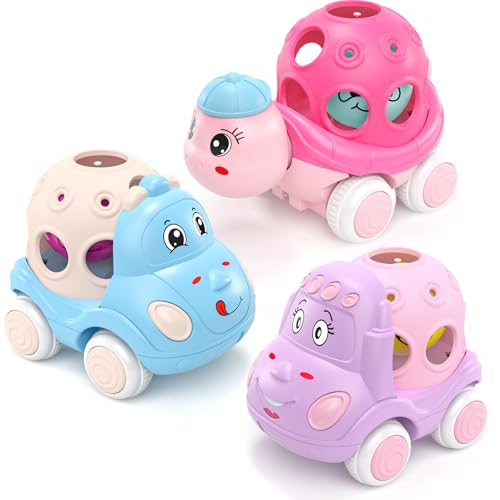
Plastic toys are the easiest to clean. You can wash them with warm water and mild soap. Use a soft brush for toys with grooves or textured surfaces. If the toy is dishwasher-safe, you might consider placing it in the top rack. A simple wipe with a disinfectant can also do wonders for quick clean-ups. Ensure you rinse thoroughly to remove any soap residue. This prevents skin irritation or accidental ingestion.
Stuffed Animals
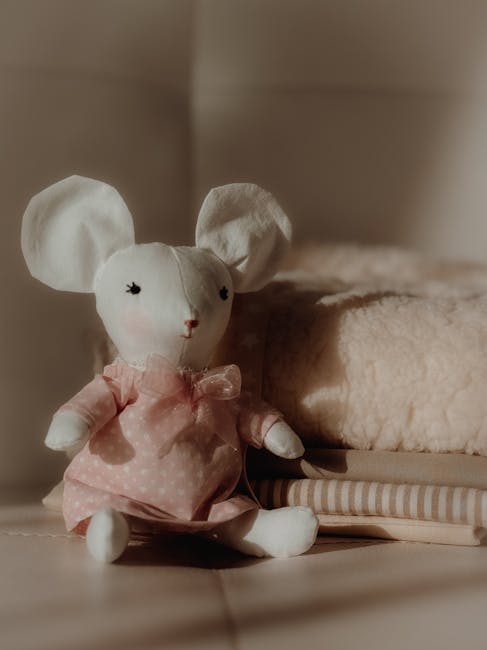
Stuffed animals can be a bit trickier. They often harbor dust mites and allergens. Check the label first; many are machine washable. Use a gentle cycle and mild detergent. Tumble dry on low heat or air dry to maintain their fluffiness. For toys that can't be machine washed, a damp cloth with a small amount of soap works well. Spot-cleaning is ideal for stains or spills. Did you know that freezing stuffed animals overnight can kill dust mites?
Wooden Toys
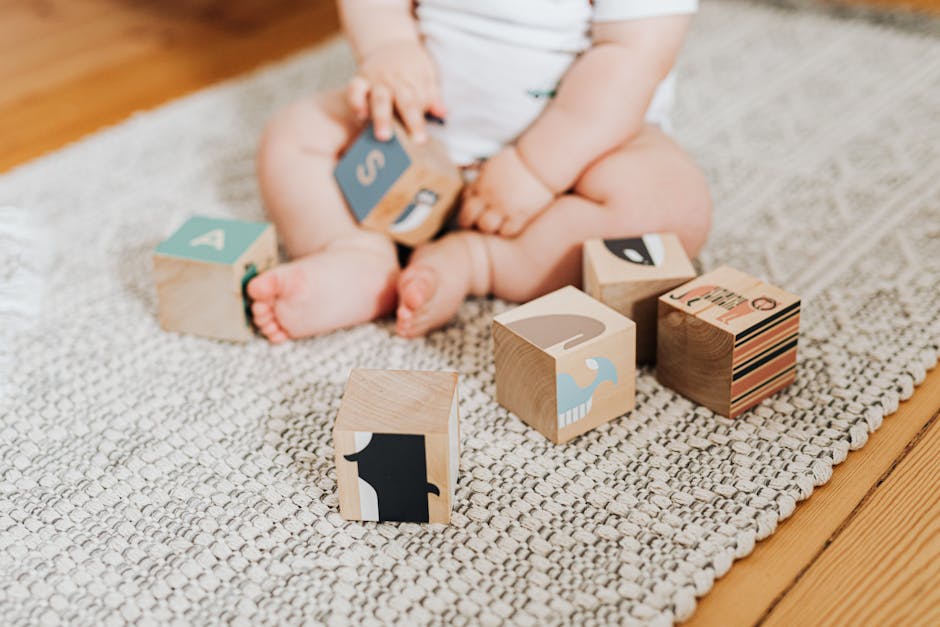
Wooden toys require more care. Avoid soaking them in water. Instead, use a damp cloth with a small amount of vinegar or mild soap. Dry immediately to prevent warping or cracking. A monthly wipe with a natural oil, like olive or coconut oil, can keep them looking new. How often do you think about conditioning your baby's wooden toys?
Electronic Toys
Electronic toys pose unique challenges. You can't just toss them in the sink. Use a dry cloth for dusting and a slightly damp cloth for stickier spots. Avoid getting moisture into battery compartments. For toys with removable parts, clean these separately. Always test in an inconspicuous area first. Are you careful about checking the manufacturer's guidelines for cleaning electronic toys? By applying these practical cleaning tips, you can ensure your baby's toys remain safe and enjoyable. Remember, a clean toy is a happy toy!

Credit: maggymaid.com
Frequency Of Cleaning
Keeping baby toys clean is crucial for a healthy environment. Babies explore the world through touch and taste. Toys often end up in their mouths. Regular cleaning prevents the spread of germs. But how often should you clean baby toys?
The cleaning frequency depends on the toy type and usage. Some toys need cleaning daily, while others require weekly maintenance. Understanding these differences helps maintain a safe space for your child.
Soft Toys And Stuffed Animals
Soft toys gather dust and germs quickly. Clean them once a week. If your child is sick, wash them more often. Use a mild detergent and follow the care label instructions.
Plastic And Hard Toys
Hard toys are easier to clean. Wipe them with a disinfectant weekly. If toys are shared, clean them daily. Pay attention to toys with intricate parts. They might need extra scrubbing.
Bath Toys
Bath toys stay wet and can breed mold. Clean them after each use. Squeeze out water and let them dry. Once a week, soak them in a vinegar solution. This prevents mold growth.
Electronic Toys
Electronic toys need careful cleaning. Avoid soaking them. Wipe with a cloth dampened with a mild cleaner. Focus on buttons and areas touched often. Clean these toys at least once a week.
Tips For Effective Cleaning
Keeping baby toys clean ensures safety and hygiene. Use mild soap and warm water for most toys. For fabric toys, choose a gentle laundry detergent. Regular cleaning keeps germs away and protects your baby’s health.
Cleaning baby toys can be a tricky task. You want to ensure they're safe, germ-free, and ready for play. It's not just about scrubbing off the dirt; it's about doing it effectively. Are you using the right methods to keep those toys spotless and safe for your little one? Let's dive into some tips for making sure your cleaning routine is as effective as possible.
Avoiding Harsh Chemicals
You don’t want to expose your baby to harmful substances. Opt for gentle cleaning solutions. Mild soap and warm water often do the trick. For extra assurance, consider using a mix of vinegar and water. Parents sometimes worry about vinegar smell, but it fades quickly. Remember, natural cleaners reduce risk of allergies and irritation. Have you considered using baking soda for stubborn stains? It’s safe and effective.
Drying Techniques
Drying is just as crucial as washing. Moisture can lead to mold, which is a health hazard. After cleaning, shake off excess water and air dry toys. Place them under a fan or near a sunny window to speed up the process. Avoid high heat drying methods. Some materials warp or melt under intense heat. Have you ever tried using a towel to pat toys dry? It's gentle and absorbs water effectively.
Regular Inspection For Damage
Cleaning time is perfect for checking toys for wear and tear. Inspect toys for cracks, loose parts, or broken pieces. Damaged toys can be unsafe and need immediate attention. Use this time to discard toys that pose risks. A missing wheel or chipped edge might seem minor but could cause injury. Would you rather replace a toy than risk your child's safety? Ensuring your baby's toys are clean and safe doesn’t have to be a daunting task. With these practical tips, you can maintain peace of mind while your little one enjoys playtime. Are there any other methods you use to keep your child’s toys clean?

Credit: www.whattoexpect.com
Frequently Asked Questions
How To Clean Baby Toys Safely?
To clean baby toys safely, use mild soap and warm water. Avoid harsh chemicals or bleach that can be harmful. Rinse thoroughly and air dry. For electronic toys, wipe with a damp cloth and avoid submerging in water. Regular cleaning ensures a safe play environment for your baby.
Can I Use Vinegar To Wash Baby Toys?
Yes, vinegar is a safe cleaning agent for baby toys. Mix equal parts of vinegar and water. Wipe toys with the solution, then rinse and dry. Vinegar is non-toxic and effectively removes bacteria, ensuring toys are clean and safe for your baby.
How Often Should I Wash Baby Toys?
Wash baby toys weekly to maintain hygiene. High-touch toys or teething toys may require more frequent cleaning. Regular washing prevents the buildup of germs and ensures a safe environment. Always follow the manufacturer's guidelines for specific cleaning instructions to preserve toy quality.
Is Dish Soap Safe For Baby Toys?
Yes, dish soap is safe for washing most baby toys. Use a mild, fragrance-free dish soap to avoid irritation. Rinse toys thoroughly after washing to remove any soap residue. This method effectively cleans toys while being gentle on your baby's sensitive skin.
Conclusion
Keeping baby toys clean ensures a safe play environment. Choose mild soap or baby-safe detergent for washing. Rinse thoroughly to remove soap residue. Dry toys properly to avoid mold. Regular cleaning prevents dirt buildup. Check labels for cleaning instructions. Some toys require gentle hand washing.
Others are machine washable. Always prioritize your child's safety. Clean toys foster healthy play. Teach kids to care for their toys. They learn responsibility. A clean toy is a happy toy. Parents can relax knowing their child's toys are safe.
Enjoy more playtime with peace of mind.