

When Do Babies Bring Toys to Their Mouth?
Ever noticed how your little one seems fascinated by the world around them, especially when it comes to bringing toys to their mouth? It's a curious behavior that can leave you wondering what's going on in that tiny brain.
You might even feel a mix of excitement and concern as your baby explores their environment this way. But don't worry—this is a natural part of their development. Understanding why babies do this and when it typically happens can give you peace of mind and help you support your child’s growth.
Dive into this article to discover the fascinating reasons behind this behavior, and learn how it plays a crucial role in your baby’s learning and development.
Oral Exploration In Infants
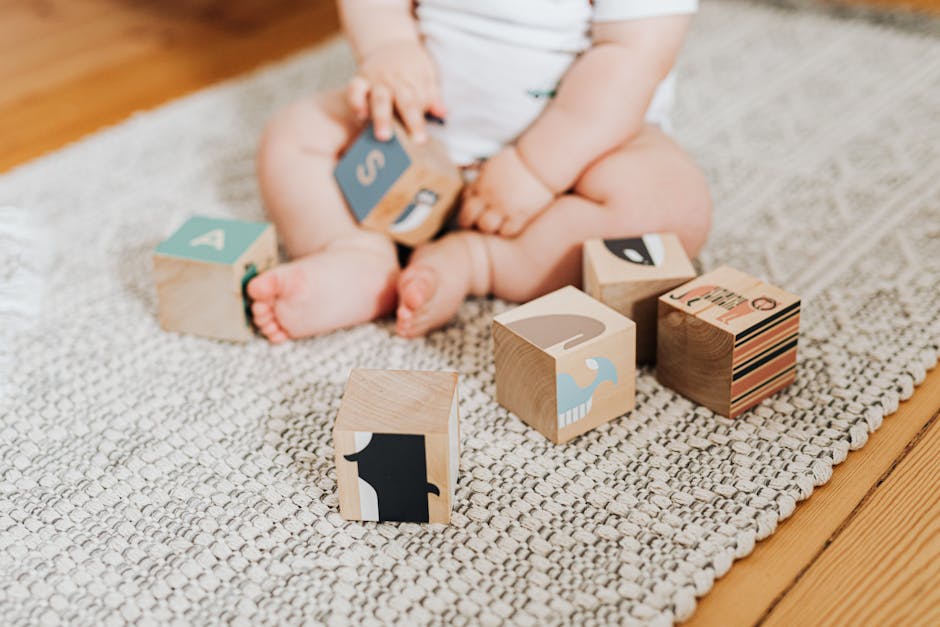
Babies have a natural curiosity about the world around them. One of the first ways they explore is through their mouth. This behavior, known as oral exploration, is common in infants. It helps them learn about objects by tasting and feeling them. Understanding this phase can aid parents in supporting their child's development.
Why Do Babies Use Their Mouths?
Babies use their mouths because it's a primary sense organ. It helps them gather information about their surroundings. By mouthing toys, they learn textures, shapes, and even tastes. This sensory activity is crucial for brain development.
When Does Oral Exploration Begin?
Oral exploration usually starts around the third month. Babies begin to reach for objects and bring them to their mouths. This phase can last until the baby is about one year old. It is an essential part of their growth process.
Benefits Of Oral Exploration
Oral exploration aids in sensory development. It helps babies improve hand-eye coordination. They learn to grasp, hold, and examine objects. This activity also strengthens their mouth muscles, preparing them for eating solid foods.
Safety Tips For Parents
Ensure toys are large enough not to swallow. Check for small parts that might detach. Keep harmful objects out of reach. Clean toys regularly to avoid germs. Always supervise playtime to ensure safety.
Choosing The Right Toys
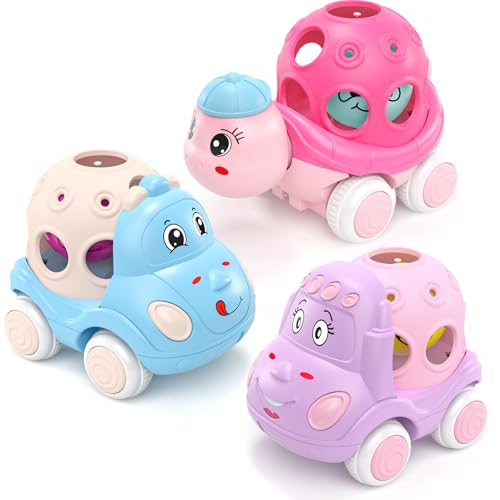
Select toys made of safe, non-toxic materials. Soft, chewable toys are ideal for teething babies. Opt for toys with different textures to stimulate senses. Bright colors can attract a baby's attention. Simple toys often work best for young infants.

Credit: www.healthline.com
Developmental Stages
Understanding the developmental stages of your baby can be both exciting and enlightening. Babies explore their world in fascinating ways, and bringing toys to their mouth is a key part of their journey. It's a natural behavior that helps them learn about their environment. Knowing when and why your baby does this can offer valuable insights into their development. It might also help you ensure their safety while nurturing their curiosity.
0-3 Months
During the first three months, your baby is just starting to discover their surroundings. Their movements are mostly reflexive, and they lack precise control over their limbs. You might notice that they attempt to bring their hands to their mouth, a reflex known as the rooting reflex. This is an early sign of their instinctive exploration.
At this stage, you will see them grasp at toys, but usually without much coordination. It's fascinating to watch their tiny fingers wrap around objects. Although they may not succeed in bringing toys to their mouth yet, it’s a part of their learning process. Keep soft and safe toys within reach to encourage gentle exploration.
3-6 Months
Between three and six months, your baby becomes more skilled at using their hands. You might notice them grabbing toys and bringing them closer to their face. This is when they start using their mouth to explore textures and shapes. It’s a milestone that marks their growing curiosity and improved coordination.
During this period, you should ensure the toys are safe for mouthing. Consider toys designed for teething as they are made for this purpose. Their ability to explore through mouthing is a sign of healthy development. Have you noticed how they react to different textures? It's intriguing to watch their preferences evolve.
6-9 Months
From six to nine months, your baby becomes a little explorer. They can now bring toys to their mouth with intention and precision. This is an exciting phase where they are mastering hand-eye coordination. You might see them happily chewing on a variety of toys as they learn.
At this stage, they are not just exploring textures but also understanding cause and effect. They may shake a rattle or squeeze a soft toy, observing the results. Have you ever wondered about the world they perceive through their senses? It’s an enriching experience for both you and your child. Ensure toys are not only safe but also engaging, supporting their growing curiosity.
Watching your baby grow and explore is a remarkable journey. Each stage brings new skills and discoveries. As you observe their behavior, consider how you can support their development safely and joyfully. What toy has your baby loved bringing to their mouth lately? Sharing these moments can be as rewarding for you as it is for them.
Reasons For Mouthing Toys
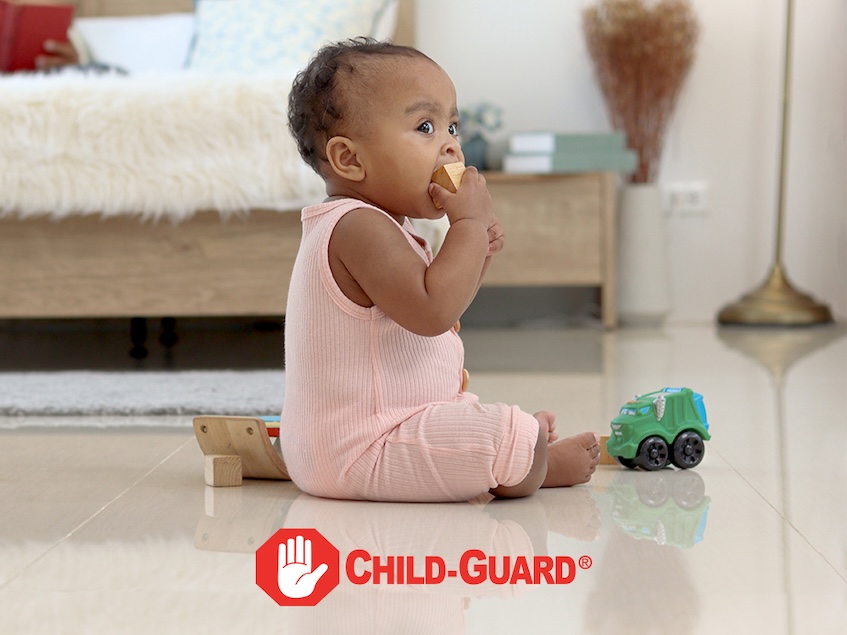
Babies often bring toys to their mouths around four to six months. This behavior helps them explore textures and soothe teething discomfort. Mouthing also supports sensory development and coordination skills.
When babies start bringing toys to their mouths, it often leaves parents puzzled. This behavior is not just a quirky habit; it’s an essential part of their development. Understanding the reasons behind it can help you appreciate this phase. Let’s dive into why mouthing toys is more than just play.
Sensory Exploration
Babies use their mouths to explore the world around them. Their mouths are packed with nerve endings, making them a key tool for sensory exploration. Think back to a time when you touched something new; imagine that multiplied tenfold. By mouthing toys, babies learn textures, shapes, and even temperatures. It’s their first tactile classroom, providing a deeper understanding of their environment.
Teething Relief
Teething is a challenging time for both babies and parents. The discomfort leads babies to chew on objects, seeking relief for their sore gums. Toys become their go-to for comfort. Consider a soft teething ring that your baby can easily grasp. It’s a simple yet effective solution, offering both distraction and relief. These moments can be tough, but remember, they’re temporary.
Hand-eye Coordination
Mouthing toys aids in developing hand-eye coordination. Babies learn to bring objects to their mouths, refining their motor skills in the process. It's fascinating to watch your little one focus intently, mastering this skill. Imagine your baby reaching for a bright red rattle. As they succeed, you witness their coordination improve. It's a small victory, highlighting the importance of this developmental step. As you observe your baby mouthing toys, consider these reasons. What might seem like a simple act is packed with developmental significance. Have you noticed any other ways your baby explores their world?
Credit: fresh-lock.com
Parental Concerns
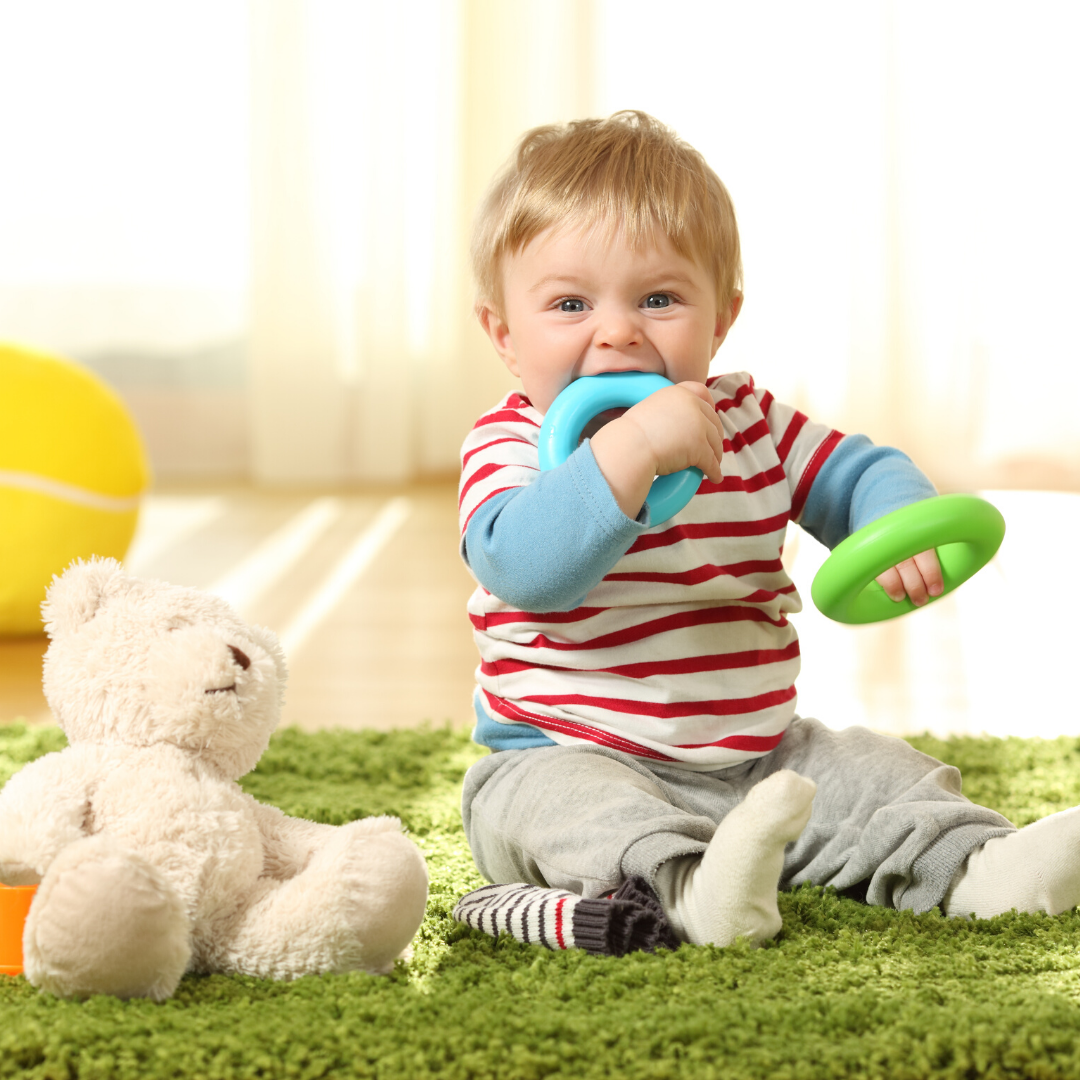
Babies often explore their world by bringing toys to their mouths around four to six months old. This behavior helps them learn through touch and taste, providing sensory experiences crucial for development. Parents should ensure toys are safe, clean, and free from small parts to prevent choking hazards.
When babies start bringing toys to their mouths, it’s a significant milestone that sparks curiosity and concern among parents. This behavior is a natural part of their development, helping them explore the world around them. However, it also raises important questions regarding safety and hygiene. As a parent, you might wonder: Is this safe? How can I ensure my baby stays healthy during this exploratory phase?
Safety Precautions
Ensuring the safety of your baby during this stage is crucial. Start by choosing toys that are specifically designed for infants. These toys should be large enough to prevent choking and free from small parts that could detach. Always check for sharp edges or loose strings that might pose a risk. Consider the materials used in the toys. Opt for BPA-free plastics or natural materials like wood. Regularly inspect toys for wear and tear. A small crack could become a hazard if ignored. Finally, supervise your baby while they play. Even the safest toys can become dangerous without your watchful eye. Your presence not only ensures safety but also enhances bonding time.
Hygiene Practices
Keeping toys clean is essential to protect your baby from germs. Establish a routine for cleaning toys, especially those frequently put in their mouth. Use mild soap and warm water for washable toys and a damp cloth for those that aren’t. Consider using a dishwasher for toys that are dishwasher-safe. It’s an easy way to sanitize multiple items at once. For fabric toys, a run through the washing machine on a gentle cycle does wonders. Be mindful of where toys are stored. Avoid placing them on floors or surfaces that might harbor bacteria. A dedicated basket or shelf will keep them clean and organized, reducing the risk of contamination. By addressing these concerns, you ensure a safe and healthy play environment for your baby. How do you balance safety and exploration in your child's playtime?
Encouraging Safe Exploration
Babies are naturally curious and often bring toys to their mouth as part of their exploration process. This behavior is crucial for their development, as it helps them learn about the texture, taste, and feel of objects. However, it's important to ensure that their exploration is safe. As a parent, you play a vital role in guiding this journey, turning potential risks into enriching experiences. Have you ever noticed how a simple rattle becomes a source of fascination for your baby? Understanding this can help you encourage safe exploration.
Choosing Safe Toys
When selecting toys for your baby, safety should be your top priority. Look for toys that are designed specifically for infants. These toys should be free of small parts that can become choking hazards.
Check for labels that confirm the toy is non-toxic. This ensures that if your baby does bring it to their mouth, there won't be any harmful effects. Soft, smooth, and durable materials are ideal for little explorers.
Consider the size and shape of the toy. Large, rounded toys without sharp edges are safer options. They encourage your baby to explore without the risk of injury.
Supervised Playtime
Supervision is key during playtime. Always be present when your baby is playing, especially with new toys. This allows you to quickly address any safety concerns.
Observe how your baby interacts with toys. Are they overly fascinated with a particular toy? Use this insight to choose similar toys that will keep them engaged safely.
Engage with your baby during play. Join them in their exploration and offer guidance. Your involvement not only ensures safety but also strengthens your bond. Do you remember the joy of sharing a laugh with your baby over a silly toy? Such moments are priceless.
Encouraging safe exploration is about striking a balance between curiosity and caution. It's about understanding your baby's needs and ensuring they have the safest environment to grow and learn. How do you plan to make playtime both fun and secure for your little one?
When To Consult A Pediatrician
Babies explore their world by bringing toys to their mouths. This is a natural part of their development. Sometimes, parents might worry if their baby is not mouthing toys or is mouthing excessively. Knowing when to consult a pediatrician can help address these concerns.
Delayed Development
If your baby isn't mouthing toys, it might indicate delayed development. This action helps babies learn textures and shapes. A delay could be due to sensory issues. It could also be a sign of difficulty in motor skills. Consulting a pediatrician can provide insights. They can assess your baby's development. Early intervention often leads to better outcomes.
Excessive Mouthing
Babies sometimes mouth toys more than usual. Excessive mouthing can be a sign of anxiety. It may also indicate teething or other discomforts. If mouthing seems too frequent, consult a pediatrician. They can check for underlying issues. A pediatrician can offer guidance and reassurance. They might suggest ways to soothe your baby.
Credit: www.banterspeech.com.au
Frequently Asked Questions
Why Do Babies Put Toys In Their Mouth?
Babies explore the world with their mouths. This behavior helps them learn textures and tastes. It also aids in developing their senses. Putting toys in their mouth is a natural part of growth. Always ensure toys are safe and clean.
When Do Babies Start Mouthing Toys?
Babies typically start mouthing toys around three to six months. This is when they begin teething. Mouthing helps soothe their gums. It's also a sign of developing curiosity. Ensure toys are appropriate for their age.
Is Mouthing Toys Safe For Babies?
Mouthing toys is generally safe if toys are non-toxic. Always monitor your baby during playtime. Ensure toys are large enough to prevent choking. Regularly clean toys to avoid germs. This behavior is a normal developmental phase.
How Can Parents Ensure Toy Safety?
Choose toys labeled as non-toxic and BPA-free. Ensure toys have no small, detachable parts. Regularly inspect toys for damage. Clean toys frequently to maintain hygiene. Supervise playtime to prevent accidents. Following these steps keeps your baby safe.
Conclusion
Babies explore the world with their mouths. It's natural and normal behavior. This stage helps them learn and develop. Parents should ensure toys are safe. No sharp edges or small parts. Clean toys often to keep them germ-free. Encourage this exploration with age-appropriate toys.
Always supervise playtime for safety. This phase is temporary but important. Enjoy watching your baby discover new things. It's a wonderful journey of growth and learning. Keep supporting their curiosity. It builds a strong foundation for future skills. Celebrate each milestone they reach.
Your baby is growing and thriving every day!