

When it comes to your child's happiness, few things light up their face like a new toy. Ride-on toys, with their vibrant colors and exciting features, are often at the top of their wish list.
But as a caring parent, you might find yourself wondering, "Are ride-on toys safe for my little one? " Your child's safety is your top priority, and rightly so. The good news is that with the right information, you can make the best choice for your child's playtime.
We'll delve into the essentials you need to know about ride-on toys. From understanding potential risks to tips for ensuring a safe play environment, we've got you covered. Stick with us as we unpack everything you need to ensure your child's playtime is as safe as it is fun.
Safety Standards
Ride-on toys bring joy to many children. Their popularity raises safety concerns among parents. Safety standards help ensure these toys are safe for young ones. Understanding these standards gives peace of mind to parents.
Regulations And Guidelines
Regulations ensure ride-on toys meet basic safety requirements. Manufacturers must follow strict guidelines. These rules cover materials, design, and manufacturing processes. They focus on preventing accidents and injuries. Regular updates keep the standards relevant and effective. Parents should check if a toy meets these regulations before purchase.
Age-appropriate Design
A toy's design should match the child's age and skills. Age-appropriate designs prevent accidents and ensure safe play. Labels on the packaging guide parents in choosing the right toy. These labels consider factors like weight, height, and coordination skills. A well-suited toy enhances safety and enjoyment.

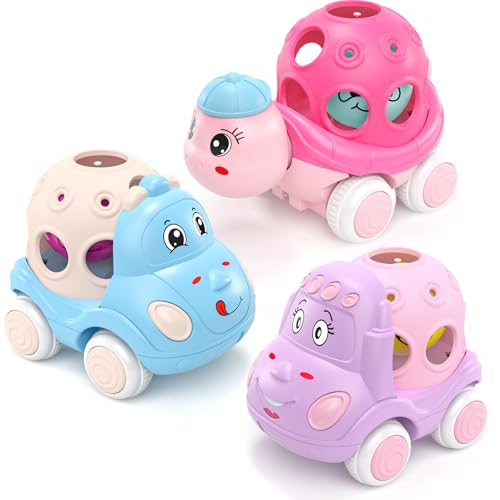
Credit: www.amazon.com
Common Risks
Ride-on toys offer fun but come with risks. Falls and collisions can lead to injuries. Ensure supervision and proper safety gear.
When considering the purchase of a ride-on toy for your child, safety is a top concern. While these toys offer endless fun and developmental benefits, they come with certain risks that parents need to be aware of. Understanding common risks can help you make informed decisions and ensure a safer play environment for your child.
Injury Types
Ride-on toys can lead to various injuries, including scrapes, bruises, and even fractures. A fall from a ride-on toy, especially if it's moving fast, can result in serious injuries. It's essential to assess the toy's stability and ensure it matches your child's age and ability. Consider the toy's design and its potential to tip over. Low, wide bases often provide better stability. Always check for sharp edges or small parts that could be hazardous.
Supervision Needs
Supervision is crucial when your child is playing with ride-on toys. You might think your backyard is safe, but accidents can happen in the blink of an eye. Being present allows you to intervene quickly if something goes wrong. Your child might be tempted to push the limits of the toy's capabilities. Having a watchful eye ensures they stay within safe boundaries. Encourage your child to follow safety rules consistently.
Environmental Hazards
The environment where your child plays significantly impacts ride-on toy safety. Uneven surfaces, stairs, and driveways can pose significant risks. Make sure the play area is flat and free from obstacles. Inspect the area for potential hazards like pools, street traffic, or pets. A simple trip over a loose rock could lead to a nasty fall. Always ensure the surroundings are conducive to safe play. Have you considered the weather? Wet conditions can make surfaces slippery, increasing the risk of accidents. Always choose a dry day for outdoor ride-on play.
Benefits Of Ride-on Toys
Ride-on toys offer more than just fun. They provide key benefits for children's development. These toys help in several areas, making them a valuable addition to any child's playtime. From physical growth to social skills, ride-on toys play a crucial role. Let's explore the various benefits.
Physical Development
Ride-on toys boost physical activity. Children strengthen their muscles as they move. Coordination and balance improve too. Using these toys regularly helps build endurance. Kids become more aware of their bodies. They learn to navigate spaces efficiently.
Cognitive Skills
Using ride-on toys enhances problem-solving skills. Children figure out how to control their movements. They learn about cause and effect. Decision-making improves as they choose paths. Spatial awareness increases. Their brains work actively during play.
Social Interaction
Ride-on toys encourage social play. Kids share and take turns with friends. Communication skills develop during group play. They learn cooperation and teamwork. Friendships form around shared activities. These interactions build confidence in children.
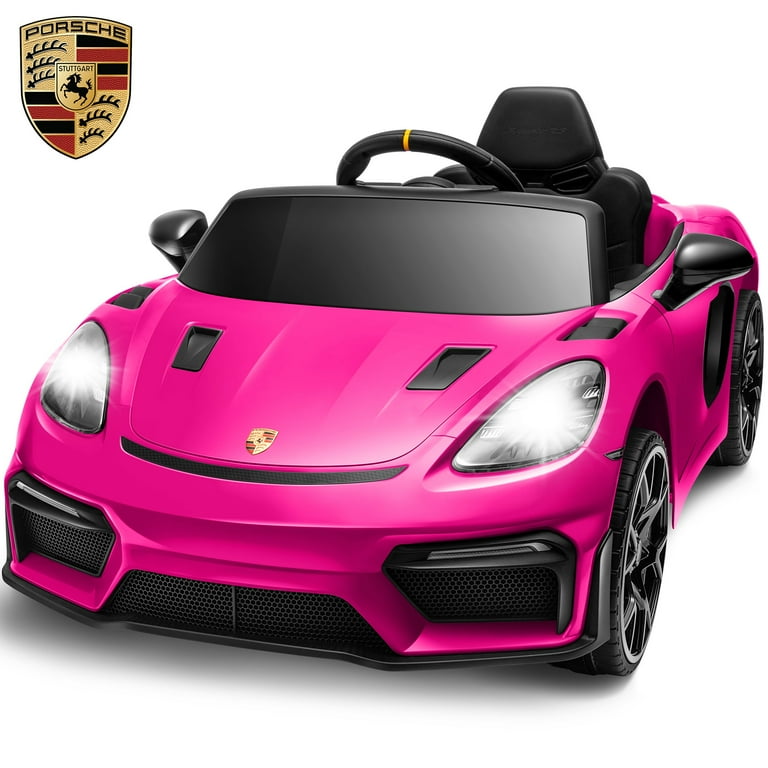
Credit: www.walmart.com
Choosing Safe Ride-on Toys
Ride-on toys offer endless fun for children, sparking joy and adventure. Ensuring safety is crucial while choosing the right toy. Parents need to consider several factors to make informed decisions. Safety should always be the top priority when selecting these exciting toys for kids.
Material And Durability
The material of a ride-on toy affects its safety and lifespan. Opt for toys made from sturdy, non-toxic materials. Ensure the toy can withstand rough use. Check if it meets safety standards. Quality materials prevent accidents and increase longevity. Look for certifications that guarantee safety and durability.
Size And Stability
Size matters in ensuring a ride-on toy is safe. The toy should fit the child's age and height. A toy that's too big or small can cause accidents. Stability is also critical for safety. Choose toys with a wide base to prevent tipping. Stable designs help maintain balance during play.
Safety Features
Safety features are essential in ride-on toys. Look for seat belts and safety harnesses. These features keep children secure while riding. Brakes and speed control are also important. They help manage and control movement. Ensure the toy has no sharp edges. Check for pinch points that could harm little fingers.
Parental Guidelines
Ride-on toys can bring immense joy to children, but as a parent, ensuring their safety is your top priority. Balancing fun with safety requires a keen eye and some essential guidelines. Dive into these practical tips to make playtime both fun and secure.
Supervision Tips
Be the vigilant guardian your child needs during playtime. Keep a watchful eye on them, especially if the ride-on toy is motorized. Create a designated play area, free from cars and other hazards. Your presence can prevent mishaps and ensure quick action if needed.
Safety Gear Importance
Never underestimate the power of safety gear. Helmets, knee pads, and elbow pads can be lifesavers. They might seem cumbersome, but they play a crucial role in preventing injuries. Encourage your child to wear them by setting a good example; perhaps share a story of a time you were grateful for your own protective gear.
Setting Boundaries
Establish clear boundaries for where your child can ride their toy. Ensure they understand which areas are off-limits, like steep hills or busy roads. Use visual cues like cones or flags to mark safe zones. Ask yourself—how can you creatively involve your child in setting these boundaries? It can make them more aware and responsible.
Remember, your guidance shapes their safety habits. Be proactive, and enjoy peace of mind while your child enjoys their ride-on adventures.
Addressing Concerns
Ride-on toys bring joy to children. Parents often worry about safety. Addressing these concerns is crucial. It helps ensure a fun and secure playtime.
Handling Accidents
Accidents can happen anytime. Proper supervision reduces risks. Always check for obstacles. Clear the play area. Teach children safe riding habits. Encourage them to ride slowly. Remind them to wear helmets. Practice can build confidence and safety.
Responding To Injuries
Injuries require immediate attention. Stay calm first. Assess the situation quickly. Check for any serious injury. Use a first-aid kit if needed. Call for medical help in severe cases. Inform the doctor about the accident. Monitor the child’s recovery closely.
Product Recalls
Manufacturers sometimes recall toys. Safety issues may arise. Stay informed about recalls. Register toys with the company. This helps receive updates. Inspect the toys regularly. Look for signs of wear or damage. Replace faulty parts quickly. Ensure the toy meets safety standards.

Credit: www.amazon.com
Frequently Asked Questions
Are Ride-on Toys Safe For Toddlers?
Yes, ride-on toys are generally safe for toddlers when used appropriately. Always ensure the toy is age-appropriate and follows safety standards. Supervision is crucial to prevent accidents. Regularly check the toy for any damage or loose parts. Wearing protective gear like helmets can enhance safety further.
What Safety Features Should I Look For?
Look for sturdy construction, non-slip wheels, and secure seat belts. Ensure the toy meets safety standards and has no sharp edges. Check for stability to prevent tipping over. Age-appropriate size and weight limits are also important. These features help ensure your child's safety during playtime.
How Can I Ensure My Child's Safety?
Always supervise your child while they play on ride-on toys. Teach them safe riding habits and set clear boundaries. Ensure the play area is free from obstacles and traffic. Regularly inspect the toy for wear and tear. Using protective gear like helmets can also enhance safety.
Are Electric Ride-on Toys Safe?
Electric ride-on toys are safe if used correctly and with supervision. Choose a toy with speed controls and safety features. Ensure your child understands how to operate it safely. Always follow the manufacturer's age and weight recommendations. Regular maintenance and inspections are also crucial for safety.
Conclusion
Ride-on toys offer fun and learning for kids. Safety is the key. Always check age recommendations and toy conditions. Supervise children while they play. Teach them rules and safe practices. Choose sturdy toys with reliable features. Regularly inspect toys for wear and tear.
Make sure protective gear fits well. Encourage kids to be mindful of surroundings. Safety enhances the joy of riding. Parents play a crucial role in ensuring safety. Informed choices make playtime enjoyable and secure. Ride-on toys are safe when used responsibly.
Keep safety a priority for a happy play experience.


