





Imagine holding the power to control a miniature car right in your hands. With just a flick of your wrist, it zooms across the floor, turns sharp corners, and executes thrilling spins.
The magic lies in understanding how a remote control toy car works. If you’ve ever been curious about what makes these tiny vehicles tick, you’re in the right place. This article will unravel the secrets behind the magic, showing you not just the mechanics, but the exciting world of possibilities that come with mastering your toy car.
Dive in to discover how technology transforms simple toys into your personal racing machines, and learn how you can enhance your playtime with this fascinating gadget. Get ready to unlock the mysteries and elevate your remote control toy car experience!
Credit: rcspotters.com
Basic Components
Remote control toy cars work through basic components like a transmitter, receiver, motor, and battery. The transmitter sends signals to the receiver in the car. These signals control the motor, making the car move forward, backward, or turn. The battery powers the car, enabling continuous fun.
When you're holding a remote control toy car, it might seem like magic watching it zoom across the floor. However, underneath the sleek exterior lies a fascinating world of components working in harmony. Understanding these basic components can enhance your appreciation and even improve your skills in troubleshooting or modifying your car.
Chassis And Body
The chassis is the backbone of any remote control toy car. It provides the framework that holds everything together. Usually made from durable plastic or lightweight metals, it needs to be robust enough to withstand crashes and bumps. The body is more than just for looks. It influences aerodynamics, which affects speed and handling. You might remember how your toy car performed differently on various terrains, and much of this is due to the chassis and body design. Have you ever thought about customizing your car's body for improved performance?
Wheels And Tires
Wheels and tires are crucial for traction and speed. Their size and material can dramatically change how your car handles. A set of rubber tires can provide better grip on smooth surfaces, while larger wheels might help navigate rough terrains. Think about the last time your car skidded across a slippery floor. The grip of the tires determined how well it could handle that surface. Choosing the right tires can make or break your racing experience. What's your go-to tire type for different surfaces?
Motor And Drive System
The motor is the heart of your remote control car. It converts electrical energy into motion, propelling your car forward. Brushless motors are often preferred for their efficiency and power, but brushed motors are common due to their affordability. The drive system, whether it's 2WD or 4WD, determines how power is distributed to the wheels. A 4WD system might give you better control on rough terrains, while a 2WD system often provides faster speeds on smooth tracks. Remember the last time you tried a tricky maneuver? The drive system played a big role in that. Understanding these components can transform how you interact with your remote control car. Next time you pick up that controller, consider what tweaks you could make for a better ride. Which component do you think makes the biggest difference in performance?
Remote Control System
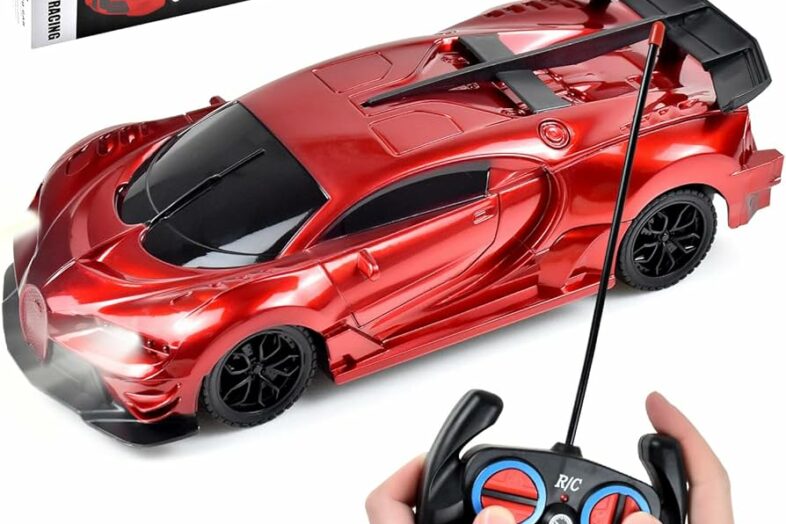
Remote control toy cars operate using signals from a handheld transmitter. The transmitter sends commands to a receiver in the car. These signals control the car's movement, direction, and speed, creating an interactive and fun experience.
Remote control toy cars are fascinating gadgets that combine fun and technology seamlessly. At the heart of their operation is the remote control system, which acts as the bridge between your commands and the car’s movements. Understanding how this system works can transform your experience from simply playing to a deeper appreciation of the science behind it.
Transmitter Functions
The transmitter is the part you hold in your hands, often resembling a game controller or a joystick. It’s equipped with buttons and triggers that you press to send signals to the car. These signals are essentially encoded messages that instruct the toy car to move forward, backward, turn, or stop. Each button or trigger on the transmitter has a specific function. For instance, pushing the joystick forward might propel the car ahead, while pulling it back could reverse the car. Imagine the thrill of mastering these controls and executing precise maneuvers during a friendly race with friends.
Receiver Mechanisms
The receiver is embedded within the toy car and is responsible for interpreting the signals sent from the transmitter. It acts as the car’s brain, decoding the messages and translating them into action. The receiver is directly connected to the car’s motors, steering, and other components. When the receiver gets a command, such as a signal to turn left, it instructs the car's steering mechanism to adjust accordingly. Have you ever noticed how some cars respond instantly while others lag? That often depends on the efficiency and quality of the receiver.
Frequency And Channels
Remote control systems operate using radio frequencies, much like radio stations. The transmitter sends signals on a specific frequency that the receiver is tuned to recognize. This is crucial to ensure that your commands don’t interfere with other remote control devices nearby. Think of frequency as a communication line between your transmitter and receiver. Some advanced toy cars come with multiple channels, allowing you to switch frequencies. This can be particularly handy during group play to avoid signal interference. Have you ever been in a situation where your car suddenly stops responding? It might be because it’s picking up signals from a different controller on the same frequency. Understanding these components can enhance your enjoyment and control over your remote control toy car. What feature do you find most intriguing about remote control systems?
Power Sources
Remote control toy cars rely on power sources for movement. These sources determine their performance and playtime. Understanding these power sources can enhance your toy car experience. Let's explore the different power options that drive these miniature vehicles.
Battery Types
The most common power source is batteries. They come in various types and sizes. Alkaline batteries are affordable and easy to find. They are suitable for basic models. Rechargeable batteries like NiMH and LiPo are popular too. These offer longer playtime and can be reused. Each type has its advantages and costs.
Charging Methods
Charging methods vary based on battery types. Alkaline batteries are not rechargeable. For NiMH and LiPo, chargers are essential. Plug-in chargers are the most common. They connect to power outlets. Some cars use USB chargers for convenience. Wireless charging is emerging, adding ease to the process.
Energy Efficiency
Energy efficiency affects battery life and performance. Efficient cars consume less power. This leads to longer play sessions. Lightweight designs and smooth motors enhance efficiency. Choosing the right battery and car model can save energy. Efficient cars offer more fun with less frequent charging.

Credit: rcspotters.com
Steering And Control
The world of remote control toy cars is fascinating, especially when you get into the nitty-gritty of how these tiny machines are steered and controlled. Have you ever wondered what goes into making your toy car zip around corners effortlessly or maintain a steady speed on a straight path? Understanding the steering and control mechanisms can give you a deeper appreciation of these miniature marvels. Whether you're a hobbyist or just curious, knowing how steering and control work can make playing with your toy car even more fun.
Steering Mechanisms
Remote control toy cars use different types of steering mechanisms to navigate. The most common is the servo motor, a device that translates your commands from the remote into movement. This motor adjusts the front wheels, allowing your car to turn left or right.
Some advanced models use proportional steering, offering smoother transitions and better control. Imagine you're directing your car around a tight corner; proportional steering would let you make subtle adjustments for a more realistic driving experience.
If you've ever felt your car was sluggish in responding, it might be time to check the servo motor. A quick tune-up can dramatically improve performance.
Speed Control
Speed control in remote control cars is often managed through electronic speed controllers (ESC). These nifty devices control the power sent to the motor, allowing for precise speed adjustments.
Think of ESC as the throttle in your car; it lets you accelerate or decelerate with ease. For those who love racing, fine-tuning your ESC can make a world of difference in achieving that perfect burst of speed.
Ever wondered why your car suddenly speeds up or slows down? It's likely the ESC doing its job. A little tweak here and there can help you master the art of speed control.
Directional Movement
Directional movement is the heart of your toy car's maneuverability. It's all about how your car moves forward, backward, and sideways. The remote control sends signals to the car's receiver, which then directs the motors accordingly.
Have you ever tried parallel parking with your remote control car? The precision required is similar to real-life driving, and understanding directional movement can make the task easier.
If your car isn't moving as expected, consider recalibrating the receiver. A slight adjustment can provide smoother transitions between directions.
Now that you know more about steering and control, what tweaks will you make to enhance your remote control car experience? Could a simple adjustment lead to more thrilling races or smoother rides? Dive into your toy car's mechanisms and discover the potential that lies within your control.
Assembly Process
Understanding the assembly process helps in grasping how a remote control toy car works. Small motors, gears, and a circuit board come together to make the car move. Signals from the remote guide the car's direction and speed seamlessly.
The assembly process of a remote control toy car is an exciting journey that combines creativity, precision, and a bit of engineering. Whether you're a hobbyist or a parent trying to bond with your child, assembling a toy car is a rewarding experience. This process not only gives you insight into how things work but also allows for personal expression and customization.
Design And Planning
Before you dive into assembling, it's crucial to have a clear design and plan in mind. Think about the type of car you want to build. Is it a speedy racer or a rugged off-roader? Make a list of the components you'll need, such as the chassis, wheels, motor, and remote control system. Planning saves time and helps avoid unnecessary mistakes. Have you considered drawing a simple sketch or blueprint? This visual guide can be your roadmap during assembly.
Building Techniques
Start with the basic structure or chassis of the car. Using a screwdriver, attach the wheels securely. Precision is key here—make sure everything is tight but not overtightened. When connecting the motor and gears, ensure alignment for smooth operation. Have you thought about testing the motor before full assembly? A quick test can prevent future headaches. Use simple tools like screwdrivers and pliers. A steady hand and patience will go a long way. Follow the instructions closely if you're using a kit, but don't be afraid to innovate. Sometimes, a little trial and error leads to the best results.
Customization Options
Once the basic structure is complete, the fun part begins—customization. Do you want your car to stand out with vibrant colors or sleek designs? Consider painting it or adding decals. For a more advanced touch, you can add LED lights for nighttime races or a custom body shell for aerodynamics. Think about performance enhancements. Adding a more powerful motor or better tires can boost speed and handling. Customization allows you to make the car truly yours. What's your vision for your perfect remote control car? The assembly process is a blend of following instructions and personal creativity. Each step is a building block toward creating something unique. Remember, the journey is as thrilling as the final product.
Safety Considerations
Remote control toy cars are fun and engaging. They offer exciting play experiences. Safety must be prioritized during play. Proper handling ensures safe operation. Maintenance keeps the toy in good condition. Troubleshooting resolves common issues. This guide covers essential safety aspects.
Handling Precautions
Always supervise children during play. Remote control cars can move fast. They might cause minor accidents indoors. Avoid playing near fragile items. Ensure play area is clear and open. Check the car's speed settings. Use appropriate settings for your child's age. Teach kids to control the car responsibly.
Maintenance Tips
Regular maintenance ensures longevity. Check battery levels before use. Replace worn-out batteries promptly. Clean the car regularly. Dust can affect performance. Use a soft cloth to wipe surfaces. Inspect wheels for damage. Fix or replace damaged parts. Store the toy in a cool, dry place.
Troubleshooting
Encountering issues is normal. First, check battery connections. Ensure batteries are properly installed. If the car does not respond, reset the remote. Follow the manufacturer's instructions. Test the car on different surfaces. Some surfaces may interfere with signals. If problems persist, contact customer support.

Credit: www.amazon.com
Frequently Asked Questions
What Is A Remote Control Toy Car?
A remote control toy car is a miniature vehicle operated wirelessly. It uses a transmitter and receiver to communicate commands. The transmitter sends signals, allowing the car to move in different directions. These toy cars are popular among hobbyists for racing and stunts.
How Do Remote Control Toy Cars Move?
Remote control toy cars move using electric motors powered by batteries. The transmitter sends signals to the receiver in the car. These signals activate the motors, which control the wheels. This allows the car to move forward, backward, and turn left or right.
What Powers A Remote Control Toy Car?
Remote control toy cars are powered by rechargeable or disposable batteries. These batteries provide the necessary electricity for the car's motors. The motors then convert electrical energy into mechanical energy, propelling the car. Battery life varies depending on usage and type of battery.
How Does A Remote Control Work?
A remote control works by sending radio signals to the toy car's receiver. The controller's buttons or joystick generate signals. These signals are transmitted wirelessly, guiding the car's movements. The receiver in the car interprets these signals to control speed and direction.
Conclusion
Understanding remote control toy cars is simpler than it seems. They operate through a transmitter and a receiver. The transmitter sends signals. The receiver in the car picks them up. This allows the car to move. It's like magic but with science.
Batteries power the car, making it zoom around. Children and adults both find joy in playing with them. Remote control cars can teach basic electronics. They are both fun and educational. Perfect for curious minds. So, explore this hobby. Enjoy the thrill of controlling your own tiny vehicle.
Simple technology, big smiles.


