


When Do Babies Mouth Toys?
Ever wondered why your baby loves to put everything in their mouth? You're not alone.
Many parents are curious about this fascinating stage of development. It's called mouthing, and it's a crucial part of how your little one explores the world. When do babies start mouthing toys, and why is it so important? Understanding this behavior can put your mind at ease and help you support your child's growth in a safe and healthy way.
Dive into the full article to discover the answers and learn how to make the most of this essential developmental phase. Your baby's world is about to get a lot more interesting!
Early Exploration
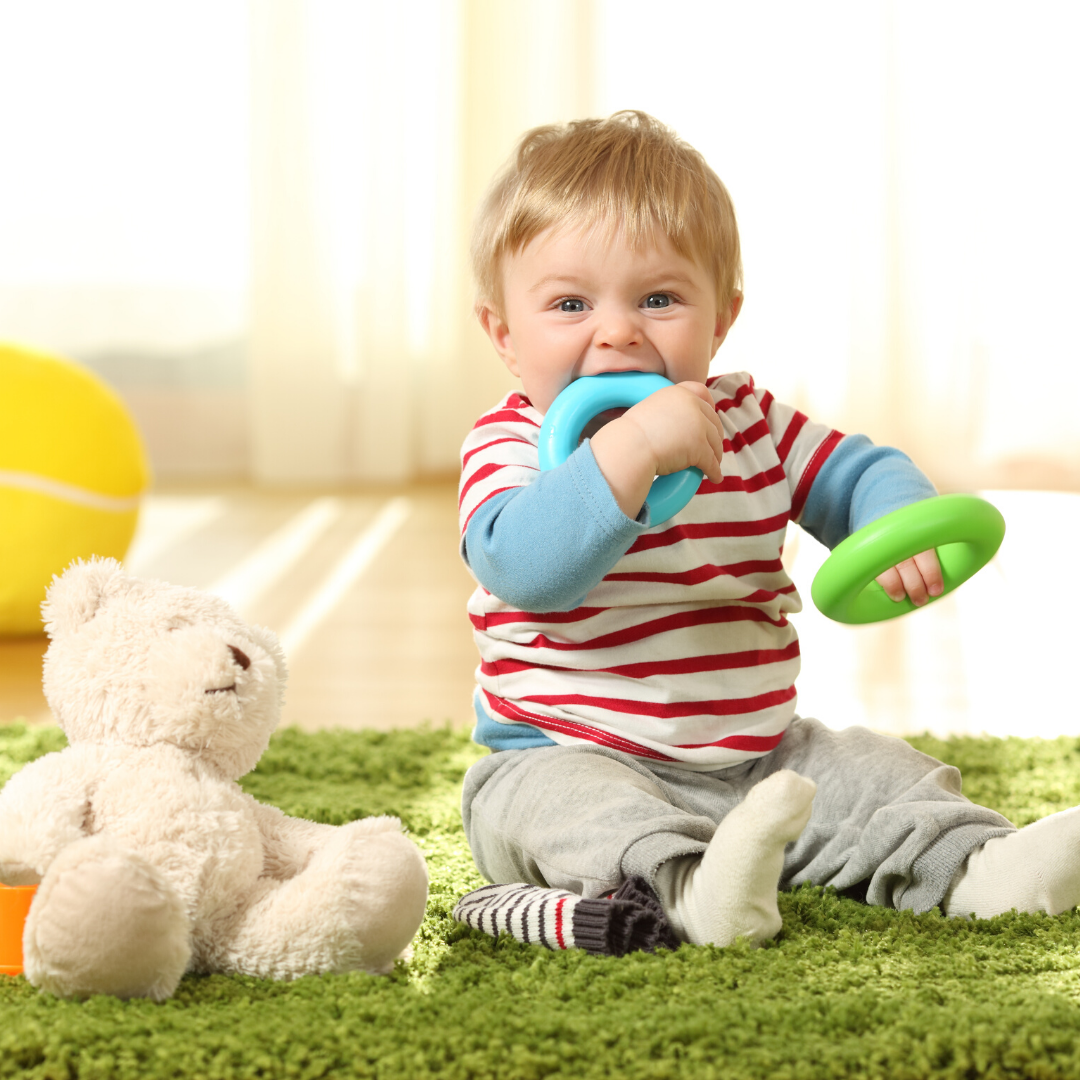
In the early stages of development, babies explore their world eagerly. They use their senses to learn and grow. One common behavior is mouthing toys. This action is part of their exploration process. It helps them understand textures and shapes. But why do babies do this? Let's explore the reasons behind this behavior.
Sensory Curiosity
Babies are naturally curious. They use their mouths to explore objects. This helps them discover different sensations. A toy might feel smooth or bumpy. By mouthing toys, they learn about these textures. This process is vital for sensory development. It helps them connect touch with taste and feel.
Teething Signals
Mouthing toys can signal teething. Babies experience discomfort during teething. Chewing on toys offers relief. It soothes their aching gums. Teething usually starts around six months. But some babies start earlier. Parents often notice increased mouthing during this period. Providing safe toys helps ease teething pains.
Credit: www.groupon.com
Motor Skills Development
Babies explore the world with their mouths. This helps in motor skills development. As they mouth toys, they learn vital skills. These skills are crucial for their growth. Mouthing toys aids in hand-eye coordination and fine motor skills.
Hand-eye Coordination
Hand-eye coordination is essential for babies. Mouthing toys supports this skill. Babies watch their hands move toward their mouths. They learn to control their movements. This practice sharpens their coordination. It prepares them for tasks like eating and writing.
Fine Motor Skills
Fine motor skills involve small muscle movements. Mouthing toys helps develop these skills. Babies grasp toys, improving their grip strength. They learn to manipulate objects with their fingers. This activity strengthens their hands. It lays the foundation for future tasks.
Cognitive Growth
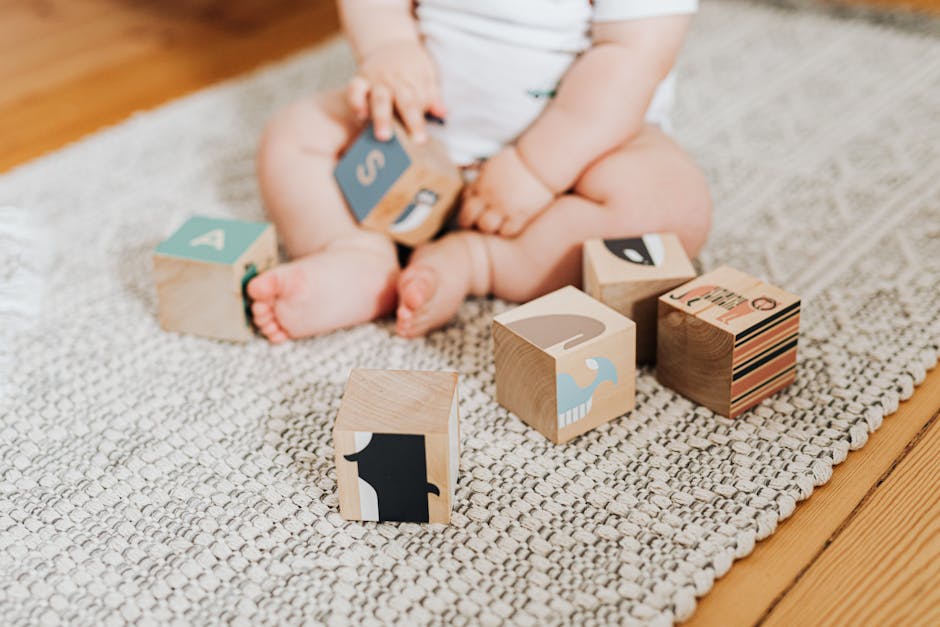
Babies begin mouthing toys around three to six months. This behavior is crucial for exploring their environment. It helps in developing sensory and motor skills, as they learn textures, shapes, and sizes.
Babies mouthing toys is not just a cute habit; it's a vital part of their cognitive growth. This simple act serves as a powerful tool for learning and understanding the world around them. As they explore toys with their mouths, they engage in a journey of discovery that aids in developing critical cognitive skills.
Object Recognition
Object recognition is one of the first cognitive skills babies develop while mouthing toys. When babies put toys in their mouths, they learn about the texture, shape, and size of different objects. This sensory exploration helps them remember and distinguish between various items. Imagine your baby chewing on a rubber duck and a wooden block. They quickly learn to identify these objects, even without seeing them. This kind of learning lays the groundwork for more complex cognitive skills in the future.
Cause And Effect Understanding
Mouthing toys also introduces babies to the concept of cause and effect. When a baby gnaws on a squeaky toy, they soon discover that it makes a sound. This cause and effect relationship is fascinating for them. Have you ever watched a baby's face light up after realizing their actions produce a sound or a reaction? This understanding is crucial as it builds the foundation for problem-solving skills.
The simple act of mouthing toys becomes a stepping stone to more intricate learning experiences. As a parent, you might wonder: Are you providing the right toys for this exploration? Choosing toys of different textures and sounds can enhance your baby's cognitive growth. And remember, each time your baby mouths a toy, they are learning and growing in ways that will prepare them for the next stages of development.
Social Interaction
Social interaction plays a vital role in a baby's development. Babies start to explore the world around them through their senses. Mouthing toys is a common behavior. It helps them understand textures and shapes. This activity is also a form of social interaction. It fosters connections with caregivers and other children.
Imitation And Play
Babies learn through imitation. They watch and mimic adults and other kids. Mouthing toys is part of this learning process. It allows them to explore and play. Playtime is essential for developing social skills. Through play, babies learn how to interact. They start to understand facial expressions and gestures.
Communication Beginnings
Mouthing toys is more than just a sensory experience. It marks the beginning of communication. Babies express curiosity and interest. They signal needs and emotions. Caregivers often respond to these cues. This exchange builds early communication skills. It helps babies learn the basics of conversation.
Safety Considerations
Babies start mouthing toys around three to six months old. It's crucial to ensure toys are safe and free from choking hazards. Always check for small parts and avoid toys with toxic materials to keep your little one safe.
Babies explore the world through their mouths. This natural behavior helps them learn. It's crucial to consider safety when babies mouth toys. Ensuring safe playtime is essential for their well-being.
Choking Hazards
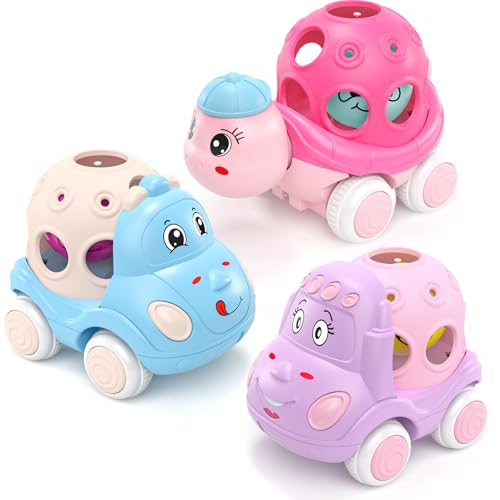
Choking hazards pose a serious risk for babies. Small parts can easily be swallowed. Always check toy labels for age recommendations. Avoid toys with detachable parts. This includes buttons, beads, or small wheels. Inspect toys regularly for wear and tear. Broken toys can create new choking risks. Supervise playtime to prevent accidents.
Toy Selection Tips
Choose toys designed for infants. They should be large enough to prevent swallowing. Opt for toys that are durable and well-made. Soft, non-toxic materials are ideal. Look for toys without sharp edges or points. Consider teething toys for soothing sore gums. Make sure they are BPA-free and easy to clean. Check for recall information before purchasing. A safe toy today ensures peace of mind tomorrow.
Credit: www.today.com
Credit: www.banterspeech.com.au
Frequently Asked Questions
When Do Babies Start Mouthing Toys?
Babies typically start mouthing toys around three to four months. This behavior helps them explore their environment and develop sensory skills. Mouthing is a natural developmental phase. Always ensure toys are clean and safe to prevent choking hazards.
Why Do Babies Mouth Toys?
Babies mouth toys to explore textures and learn about their surroundings. This behavior also soothes teething discomfort. Mouthing stimulates sensory development and helps babies understand the world. Ensure toys are non-toxic and appropriately sized to avoid choking.
Is Mouthing Toys Safe For Babies?
Mouthing toys is generally safe if they are clean and non-toxic. Ensure toys are free from small parts and sharp edges. Regularly inspect toys for damage. Supervise playtime to ensure safety. Always choose age-appropriate toys to prevent choking hazards.
How Can I Keep Mouthing Toys Clean?
Regularly wash toys with soap and water to keep them clean. Use a baby-safe disinfectant for thorough cleaning. Avoid harsh chemicals that might harm your baby. Check manufacturer guidelines for cleaning instructions. Ensure toys are completely dry before giving them back to your baby.
Conclusion
Understanding when babies mouth toys helps ensure their safety. It's a normal stage of development. Babies explore objects by mouthing them. This starts around three to four months. Parents should provide safe toys. Choose ones without small parts. Keep an eye on your baby during playtime.
Regularly check toys for damage. This prevents choking risks. Encourage play with age-appropriate toys. Babies learn and grow through play. Always supervise to keep them safe. Enjoy these precious moments. Watching your baby discover the world. So, stay informed and keep your little one safe.