
As a parent, your baby's health and safety are your top priorities. You want to ensure that everything your little one touches, especially the toys that often find their way into their mouth, is clean and safe.
But how do you disinfect those toys effectively without using harsh chemicals? You might be concerned about exposing your baby to harmful substances, yet you need a solution that is both safe and effective. This article will walk you through simple, practical methods to keep those toys spotless and free from germs.
Discover how easy it is to maintain a clean environment for your baby, allowing you to breathe easy knowing they’re playing with toys that are not only fun but also hygienic. Dive in to find out the secrets of safe toy cleaning that will put your mind at ease.
Importance Of Toy Hygiene
Keeping baby toys clean is crucial for health. Use safe methods to disinfect toys that babies chew. Choose gentle cleaning solutions. Rinse thoroughly to remove residue. Ensure the toys are dry before use. This helps prevent germs and keeps babies safe.
The importance of toy hygiene is a topic that often goes unnoticed by many parents. Yet, if you have ever watched a baby put a toy in their mouth, you know how crucial it is to keep those toys clean. Toys that go in the mouth are breeding grounds for germs, which can potentially make your baby sick. Keeping these toys clean isn't just about cleanliness; it's about ensuring your baby's health and safety.
Why Is Toy Hygiene Crucial?
Babies explore their world through touch and taste. This means almost everything, including toys, ends up in their mouths. If toys are not cleaned regularly, they can harbor bacteria and viruses. These germs can lead to colds, flu, or even more severe infections. By cleaning your baby's toys, you are helping to prevent these illnesses.
Health Benefits Of Clean Toys
Clean toys are not just about avoiding germs. They also reduce the risk of allergies. Dust and dirt can accumulate on toys, leading to allergic reactions or skin irritations. A regular cleaning routine can help minimize these risks and keep your baby comfortable and healthy.
Developing A Cleaning Routine
Creating a schedule for cleaning toys is a practical step. Consider cleaning toys at least once a week, or more often if your baby is sick. Use safe, non-toxic cleaning products to ensure that no harmful chemicals come into contact with your baby's mouth.
What Happens If You Ignore Toy Hygiene?
Neglecting toy hygiene can have consequences. Germs can spread not only to your baby but also to other family members. This can lead to a cycle of illness within your household. Have you ever thought about how a simple cleaning routine could save you from multiple trips to the doctor?
Simple Steps To Maintain Toy Cleanliness
You don’t need fancy equipment to keep toys clean. A simple mixture of soap and warm water can be effective. For a more thorough clean, some toys can be put in the dishwasher or washing machine. Always check the toy's label to ensure it's safe for these methods.
Engage Your Family In The Process
Involve your family in the toy-cleaning process. Older siblings can help wash toys, making it a fun family activity. This not only teaches them about hygiene but also the importance of caring for their younger sibling. Plus, it's a great way to spend quality time together. Toy hygiene is not just a chore; it's a crucial part of caring for your baby. By incorporating it into your routine, you're taking significant steps to protect your child's health. What are your favorite methods for keeping baby toys clean?

Credit: www.instagram.com
Common Germs On Baby Toys
Babies love exploring the world with their mouths. This means their toys are often covered in germs. These germs can pose risks to your baby's health. Understanding these common germs is crucial for keeping your child safe.
Baby toys that go in the mouth collect various germs. Some of these germs are bacteria. Bacteria like E. coli can cause stomach issues. Toys can also have viruses. Viruses can lead to colds or flu-like symptoms.
Why Germs On Toys Are Dangerous
Germs can make your baby sick. Babies have developing immune systems. They are more vulnerable to infections. Germs spread easily through shared toys. This is especially true in playgroups and daycare.
How Germs Spread On Toys
Germs transfer from surfaces to toys. Dirty hands spread germs when babies touch toys. Saliva from one baby can pass germs to another. Germs thrive in warm and moist environments. Toys often provide these conditions.
Signs Of Germs On Baby Toys
Visible dirt on toys can indicate germs. Toys may smell unpleasant. Sticky residue can suggest contamination. These signs require immediate cleaning. Regular cleaning prevents germ buildup.
Preventing Germs On Baby Toys
Regular cleaning is essential. Use safe disinfectants. Wash toys frequently with mild soap. Dry toys thoroughly to prevent mold. Store toys in clean places. Teach older kids to clean toys after use.
Safe Cleaning Products
Ensuring your baby’s toys are clean is essential, especially those that go directly into their mouth. Using safe cleaning products is crucial to protect your little one from harmful chemicals. You might wonder how you can effectively clean these toys while ensuring their safety. The answer lies in selecting cleaning products that are non-toxic and made from natural ingredients.
Non-toxic Options
When choosing cleaning products, opt for those labeled as non-toxic. These are specially formulated to be safe for babies and contain no harmful chemicals. Look for certifications on the packaging that validate their safety.
Brands like Babyganicsand Seventh Generationoffer non-toxic cleaning solutions. They are designed specifically for baby use and are gentle on toys. These products can often be found in major supermarkets or online.
Have you ever noticed how your baby loves to chew on toys at the most unexpected times? That's why it's reassuring to know that non-toxic options are available. They give you peace of mind without compromising on cleanliness.
Natural Ingredients
Natural ingredients are a great choice for cleaning baby toys. These are derived from plants and minerals, making them safe for sensitive skin. Common natural cleaning agents include vinegar, baking soda, and lemon juice.
For example, you can create a homemade solution using equal parts water and vinegar. This mixture is effective at cleaning and disinfecting toys. Simply spray it onto the toy, let it sit for a few minutes, and wipe it clean.
Using natural ingredients is not only safe but also environmentally friendly. If you’re someone who prefers eco-friendly living, this is a win-win situation. Plus, it's an affordable alternative to store-bought products.
Have you ever tried a natural cleaning method and noticed the difference it makes? It’s fascinating how nature can provide effective solutions without the need for harsh chemicals.
Choosing the right cleaning products for baby toys is not just about hygiene; it's about ensuring safety. What methods do you currently use, and are they truly the safest for your child?

Credit: tumama-kids.com
Effective Disinfection Methods
Cleaning baby toys safely is crucial. Use mild soap and warm water for effective disinfection. Rinse thoroughly to remove any residue. This ensures toys are safe for babies to put in their mouths.
Disinfecting baby toys that go in the mouth is crucial. It ensures your child's safety. Germs and bacteria can easily settle on toys. Regular cleaning keeps them safe and healthy. Below are effective methods to disinfect these toys. Each method is simple and uses household items.
Boiling Water
Boiling water is a natural disinfectant. It kills most germs and bacteria. To use this method, boil a pot of water. Submerge the toys for about five minutes. Ensure the toys are heat-resistant. This method works well for hard plastic toys. Avoid using it on toys with electronic parts. Dry the toys completely after boiling.
Dishwasher Safe Toys
Many toys are dishwasher safe. Check the toy's label to confirm. Place the toys on the top rack. Use a gentle cycle with warm water. The heat sanitizes the toys effectively. Avoid using harsh detergents. This method is best for sturdy plastic toys. Ensure the toys are fully dry before use.
Vinegar Solution
Vinegar is a natural disinfectant. It is safe for baby toys. Mix equal parts of water and white vinegar. Use a spray bottle for easy application. Spray the solution on the toys. Let it sit for a few minutes. Wipe with a clean cloth. This method is great for soft and plush toys. Vinegar smell fades as it dries.
Frequency Of Cleaning
Understanding the frequency of cleaning baby toys, especially those that end up in their mouths, is crucial for maintaining a healthy environment. Babies explore the world through their senses, and toys are often a primary source for this exploration. But how often should you clean these toys to ensure they're safe?
Daily Wipe-down
Think of the daily wipe-down as a quick, preventive measure. Each day, take a moment to wipe the toys that your baby frequently puts in their mouth. Use a clean, damp cloth or baby wipes. This prevents the buildup of saliva and germs.
Have you noticed how quickly toys can get sticky? It's usually from drool and food particles. Doing a daily wipe can keep toys fresh and avoid stains. Your baby’s health is paramount, and this routine is easy to integrate into your day.
Weekly Deep Clean
Once a week, it's time for a deeper clean. Gather all the toys that need attention. You can soak them in warm, soapy water to remove grime that might not be visible. Scrub them gently with a soft brush if necessary.
Some toys might be dishwasher safe, which can save you time. Always check the manufacturer's instructions. After cleaning, let toys air dry completely before returning them to your baby’s play area.
How often do you find your baby's toys looking worn out or discolored? A weekly deep clean can help maintain their appearance and extend their lifespan. Plus, it’s a chance to inspect toys for any damage that could pose a risk.
Finding a balance between daily and weekly cleaning ensures your baby’s toys remain safe and enjoyable. Have you ever thought about how clean your baby’s toys really are? Taking these simple steps can make all the difference.
Handling Different Materials
Disinfect baby toys safely by using a mixture of water and vinegar. Soak toys briefly, then rinse well. Ensure toys dry completely before use.
Handling baby toys involves understanding different materials. Each material requires a unique approach. This ensures safety and cleanliness. Let's explore how to disinfect toys based on their material types.
Plastic Toys
Plastic toys are common and durable. They are easy to clean. Use mild soap and warm water. Scrub gently with a soft brush. Rinse thoroughly to remove soap. For extra safety, use a 70% alcohol wipe. Let them air dry completely. Avoid using harsh chemicals. They might damage the toy or harm your child.
Rubber And Silicone Toys
Rubber and silicone toys need gentle care. Use warm water and mild soap. Gently wash the surfaces. You can also boil them for five minutes. This kills germs effectively. Ensure they cool before use. Avoid bleach or strong cleaners. They can degrade the material. Always inspect for tears. Replace damaged toys promptly.
Fabric And Plush Toys
Fabric and plush toys collect dust easily. Many are machine washable. Use a gentle cycle and mild detergent. Air dry or use a low heat dryer. For non-washable ones, use a steam cleaner. A vacuum with a brush attachment also helps. Spot clean stains with soap and water. Ensure they are completely dry before returning to your child. Regular washing keeps them fresh and safe.
Storage Tips For Clean Toys
Safely disinfect baby toys by using a mixture of warm water and mild soap. Rinse thoroughly and air dry. For tougher grime, consider using a vinegar solution, ensuring toys are completely dry before storing to prevent mold.
Storing clean toys is as important as disinfecting them. After all, you wouldn't want your freshly cleaned baby toys to roll back into the dust or get lost under the couch. Proper storage ensures the toys stay clean longer and makes them easily accessible for playtime. Let's dive into some practical storage tips to keep those toys clean and ready for action.
Keep Toys Off The Floor
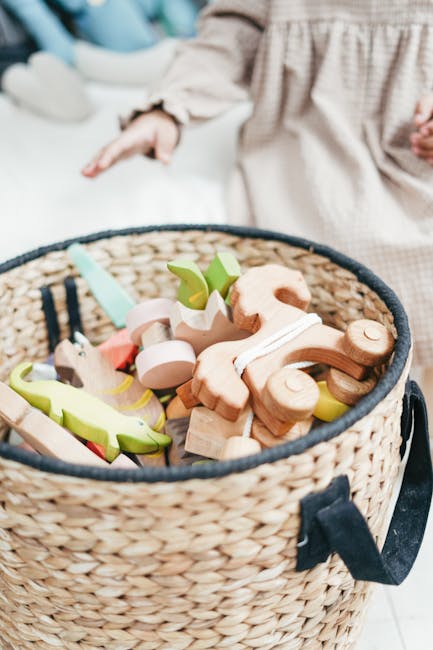
The floor can be a breeding ground for dust and germs. Consider using baskets or toy bins that are raised above ground level. This keeps toys away from dirt and makes it easy for you to grab them when your little one is eager to play.
Use Transparent Containers
Transparent containers are a lifesaver when it comes to organizing baby toys. They let you see exactly what's inside without rummaging through the contents. This not only saves time but helps in maintaining cleanliness as you aren't constantly opening and closing lids.
Label Storage Areas
Labels can transform chaos into order. By labeling each storage bin or shelf, you ensure that toys return to their designated spots after playtime. This simple step keeps your home tidy and helps in maintaining the cleanliness of toys.
Rotate Toys Regularly
Ever noticed how your child seems more interested in toys they haven't seen in a while? Regularly rotating toys keeps them exciting and reduces the wear and tear on any one toy. This also allows you to clean and store toys efficiently without cluttering your space.
Avoid Overcrowding
Overcrowded toy bins can lead to toys getting dirty or damaged. Ensure each toy has enough space to breathe. This not only keeps them clean but also makes it easier for your child to find their favorite toy without causing a mess.
Clean Storage Areas Periodically
Even the best storage solutions need maintenance. Make it a habit to clean storage areas periodically to prevent dust buildup. A quick wipe down can make a world of difference in maintaining a clean environment for your child's toys. Have you ever struggled with keeping toys clean even after storing them? Think about how these tips can make a difference in your daily routine. Taking a little time to organize and store toys properly can save you a lot of hassle later. What storage solution will you try first?

Credit: tumama-kids.com
Avoiding Harmful Chemicals
Cleaning baby toys safely ensures a healthy playtime. Use warm soapy water or vinegar solution for disinfecting. Avoid harsh chemicals to keep toys safe for mouthing.
Ensuring your baby's toys are free from harmful chemicals is crucial, especially when these toys often end up in their mouths. Using harsh chemicals can inadvertently expose your little one to substances that might be unsafe. You can achieve a clean, safe environment for your baby with simple and effective methods that keep harmful chemicals at bay.
Understanding The Risks Of Chemicals
Many commercial cleaning products contain ingredients that could be harmful if ingested. Even trace amounts left on toys can be risky for your baby. By understanding these risks, you can make informed decisions about the cleaning products you use.
Opting For Natural Solutions
Natural solutions like white vinegar and baking soda are excellent alternatives to chemical cleaners. Vinegar, for instance, is a natural disinfectant and safe for toys that often end up in your baby’s mouth. Mixing equal parts of vinegar and water creates a powerful cleaning solution without harmful residues.
Embracing Steam Cleaning
Steam cleaning is another effective way to disinfect toys without chemicals. The high temperature kills bacteria and viruses, making it a safe option. This method is particularly useful for toys made from materials that can withstand heat.
Leveraging Sunlight For Disinfection
Sunlight acts as a natural disinfectant due to its UV rays. Placing toys in direct sunlight for a few hours can help reduce bacteria. Just ensure they don’t overheat or fade in the process.
Choosing The Right Materials
Consider the materials of the toys when deciding on a cleaning method. Some materials are more resistant to natural cleaning methods than others. Always read the toy's care instructions to avoid damage.
Regular Cleaning Routine
Maintaining a regular cleaning schedule helps keep toys safe and reduces the need for deep cleaning with harsh chemicals. A quick wipe with a natural solution after playtime can make a significant difference. Are you concerned about any specific toys and their cleaning requirements? Share your thoughts and experiences. Your insights might help another parent navigating the same challenges.
Frequently Asked Questions
How Often Should I Clean Baby Toys?
Cleaning baby toys regularly is crucial to prevent germ build-up. For toys that go in the mouth, aim for a thorough cleaning once a week. Daily wiping with a damp cloth can help maintain cleanliness. Adjust frequency based on usage, environment, and whether your baby is sick.
Can I Use Vinegar To Disinfect Toys?
Yes, vinegar is a natural disinfectant that's safe for baby toys. Mix equal parts of white vinegar and water in a spray bottle. Spray on toys, let sit for a few minutes, then wipe clean. Vinegar effectively kills germs without harsh chemicals, making it suitable for toys going in the mouth.
Is Boiling Toys Effective For Disinfection?
Boiling is effective for disinfecting certain toys, especially plastic ones. Place toys in boiling water for 5 minutes to kill germs. Ensure toys are heat-resistant before boiling. Avoid boiling toys with electronic components or delicate finishes. This method is ideal for teething toys that require thorough sanitation.
What Disinfectant Is Safe For Baby Toys?
Use mild, non-toxic disinfectants for baby toys, such as diluted bleach solution or natural cleaners. Ensure products are labeled safe for children's items. Avoid strong chemicals that can leave harmful residues. Always rinse toys thoroughly after cleaning to remove any disinfectant traces.
Safety should be the priority.
Conclusion
Keeping baby toys clean is crucial for health. Regular cleaning prevents germs. Parents can use simple methods for disinfecting toys. Vinegar solutions and soapy water work wonders. Rinsing toys thoroughly ensures safety. Avoid harsh chemicals to protect your baby. Natural cleaning methods are gentle and effective.
Prioritize your child’s health by maintaining clean toys. This practice helps in reducing infections. Easy steps make a big difference. Regular cleaning is key. Protect your baby by ensuring toys are clean. Happy and healthy playtime awaits!