

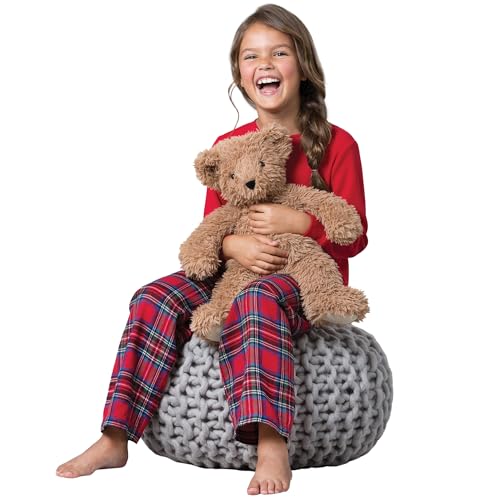
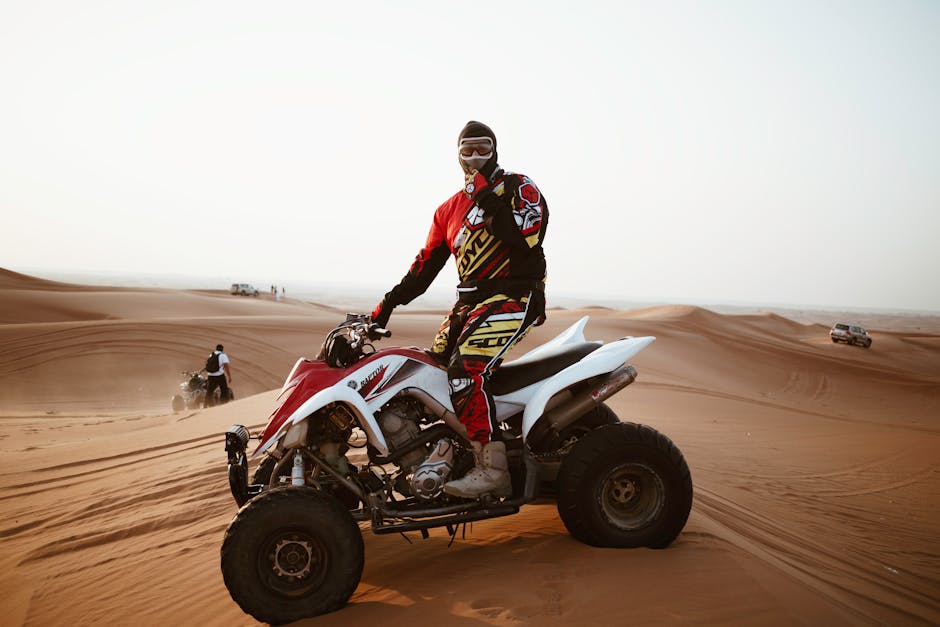
Are you considering a ride-on toy for your child? These toys promise endless fun and adventure, sparking imagination and providing countless hours of entertainment.
However, a question naturally arises: Are ride-on toys safe for your little one? As a parent, you’re always looking out for their safety and well-being, making it crucial to weigh the benefits against potential risks. We’ll delve into the world of ride-on toys, exploring safety features, potential hazards, and tips to ensure a secure playtime experience.
Get ready to discover how you can make an informed decision that balances fun with safety, keeping those precious smiles intact.
Importance Of Safety In Ride On Toys
Ride on toys bring joy to children. These toys offer fun and adventure. Safety must be a top priority for parents. Safe toys protect children from accidents and injuries. Ensuring safety helps kids play without worry. It builds confidence and trust. Parents can enjoy watching their children play safely.
Understanding Safety Features
Check for sturdy construction. Strong materials prevent breakage. Look for secure seats with belts. Belts keep children in place. Examine wheels for stability. Stable wheels prevent tipping. Ensure toys have brakes. Brakes help stop quickly when needed. Toys should be age-appropriate. Age guidelines match skills and size.
Proper Supervision
Adults should always supervise playtime. Supervision prevents accidents. Stay close to your child. Watch for obstacles or hazards. Guide children to play safely. Encourage safe habits. Teach them to avoid risky moves. Supervision builds trust and understanding. It ensures children know safety is important.
Regular Maintenance
Inspect toys frequently for damage. Look for cracks or loose parts. Repair or replace broken pieces. Clean toys to remove dirt and grime. Dirt can affect function. Check batteries and wiring. Ensure they work properly. Regular maintenance keeps toys safe. It extends their life and performance.
Types Of Ride On Toys
Ride on toys come in many forms, like scooters, cars, and bikes. They are popular among kids for fun and play. Ensuring safety involves wearing helmets and choosing age-appropriate toys. Regular checks for loose parts can prevent accidents.
When considering ride on toys for your child, safety is often a top concern. Understanding the different types of ride on toys is crucial to making an informed decision. Each type offers unique features and benefits, catering to different age groups and skill levels. Let's delve into the world of ride on toys and explore the various options available.
Manual Ride On Toys
Manual ride on toys are typically powered by your child's energy. These toys, such as scooters and balance bikes, require physical effort to move. They are great for developing motor skills and strength. When my nephew got his first scooter, it was as if he'd unlocked a new level of independence. These toys often allow children to control speed and direction, fostering confidence. However, ensure they wear protective gear like helmets and knee pads. You wouldn’t want a minor spill to spoil the fun.
Battery-powered Ride On Toys
Battery-powered ride on toys add a thrill to playtime. These include mini cars and motorcycles that mimic real-life vehicles. They're perfect for kids who enjoy a little adventure and are generally easy to operate. My niece couldn’t stop smiling when she rode her battery-powered Jeep in the backyard. Though they offer excitement, supervise your child to ensure they are aware of their surroundings. Check the battery life regularly to prevent sudden stops during play. Are you ready to see your child in the driver's seat?
Pedal-powered Ride On Toys
Pedal-powered ride on toys, like tricycles and pedal cars, offer a classic play experience. They help build leg strength and coordination while teaching basic cycling skills. Watching my cousin pedal his way through the park brought back memories of my first tricycle. These toys provide a good workout and are generally safe for young children. Make sure the pedals are easy to reach, and the seat is comfortable. Isn’t it amazing how something so simple can spark joy and physical growth? Each type of ride on toy has its pros and cons, but with the right precautions, they can offer safe and enjoyable play. Which type will you choose to see your child’s face light up with excitement?
Common Safety Concerns
Parents often worry about the safety of ride-on toys. These toys can tip over, causing falls or injuries. Ensuring proper supervision and choosing age-appropriate toys can reduce risks.
When considering ride-on toys for your child, safety is likely at the forefront of your mind. These toys offer endless fun, but they also come with common safety concerns that need to be addressed. By understanding these potential risks, you can take proactive steps to ensure your child's playtime remains safe and enjoyable.
Risk Of Falls And Injuries
Ride-on toys, especially those on wheels, can pose a risk of falls and injuries. Children can easily lose balance or navigate uneven surfaces, leading to tumbles. Always supervise your child and encourage them to ride in safe, flat areas. Wearing helmets and protective gear can significantly reduce injury risks. Are you ensuring your child wears these every time they hop on their toy? Keep a watchful eye and remind them of the importance of safety gear. While it's tempting to let kids ride freely, setting boundaries is crucial. Define clear riding zones to minimize accidents and instill safe riding habits.
Choking Hazards
Small parts on ride-on toys can become choking hazards, especially for younger children. Regularly inspect toys for loose or broken pieces. Do you take the time to assess each toy's condition before playtime begins? Consider the age-appropriateness of the toy. Are you choosing toys that match your child's developmental stage? This simple step can prevent potential dangers. If a toy has detachable parts, ensure they are securely fastened. A quick check before each play session can make all the difference.
Battery-related Issues
Battery-operated ride-on toys offer convenience but come with their own set of risks. Overheating or leaking batteries can be hazardous. Are you checking the battery compartments regularly for any signs of damage? Proper charging is essential. Avoid overcharging batteries and follow the manufacturer's guidelines. How often do you review these instructions to ensure compliance? Storing batteries safely when not in use is another critical aspect. Keep them out of reach of children and in a cool, dry place. Taking these precautions can prevent potential accidents. By addressing these common safety concerns, you can create a safer environment for your child's playtime. Are you ready to take the necessary steps to ensure their safety?
Safety Standards And Regulations
Ride on toys follow strict safety standards to ensure children's safety. Regulations cover design, materials, and age-appropriate guidelines. These measures help prevent accidents and injuries, offering peace of mind for parents.
Safety is a top priority when it comes to ride-on toys. As a parent, you want your child to have fun while staying safe. But how can you be sure these toys meet safety standards? Let's explore the safety standards and regulations that ensure your child's toys are safe.
Government Safety Standards
Government agencies play a crucial role in ensuring ride-on toys are safe for children. In the United States, the Consumer Product Safety Commission (CPSC) sets mandatory safety standards. These standards cover various aspects, including materials used, stability, and performance. Did you know that ride-on toys must pass rigorous testing before they hit the shelves? Tests check for choking hazards, sharp edges, and the toy's ability to withstand impact. By adhering to these standards, manufacturers help ensure your child's safety.
Industry Guidelines
Beyond government regulations, the toy industry also follows its own set of guidelines. The Toy Association provides best practices for designing and manufacturing ride-on toys. These guidelines often go beyond legal requirements, offering an extra layer of safety. Have you ever noticed age recommendations on toy packaging? These are part of industry guidelines, ensuring toys are appropriate for different developmental stages. Checking these recommendations can help you choose the safest option for your child. Understanding these standards can make you feel more confident when purchasing a ride-on toy. With this knowledge, do you feel better equipped to evaluate the safety of toys for your child?
Age Appropriateness
Ride on toys bring joy to children. They offer fun and excitement. Safety is crucial though. Choosing the right toy for each age matters. It ensures a safe and enjoyable experience.
Choosing The Right Toy For Age
Every age needs a different kind of toy. Babies need simple toys. They should be easy to handle. Avoid toys with small parts. Toddlers can have more complex toys. They start understanding movement. Older kids need toys that challenge them. They should be sturdy and safe.
Developmental Considerations
Children grow fast. Their skills change with age. Babies learn to sit and crawl. Toys should support these skills. Toddlers develop balance. They learn to walk and run. Toys should help them practice these. Older kids need toys that boost confidence. They should encourage creativity and social skills.

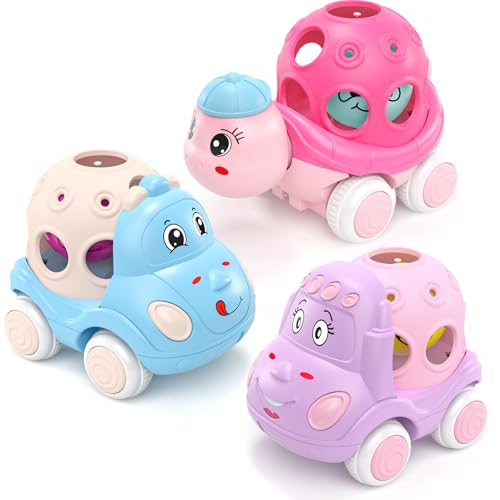
Credit: www.amazon.com
Parental Supervision
Ride-on toys offer endless fun for kids. But safety is crucial. Parental supervision plays a key role. It ensures children are safe while enjoying their toys. Watching over them helps prevent accidents. It also teaches kids to be cautious.
Role Of Supervision
Parents must watch their children closely. Supervision reduces risks. It keeps kids safe during playtime. Parents can spot hazards quickly. They can intervene if needed. This vigilance helps prevent injuries. It also reassures children, making them feel secure.
Tips For Active Supervision
Stay nearby when children play with ride-on toys. Keep a watchful eye on them. Choose safe play areas away from traffic and water. Make sure the ground is flat and free of obstacles. Encourage children to wear helmets and safety gear. Teach them to follow safety rules.
Communicate with your child. Explain the importance of safety. Ask questions about their play. Listen to their concerns. Be attentive to their needs. This interaction builds trust. It also fosters a safe environment for play.
Safety Features To Look For
Ride-on toys can be safe when equipped with essential safety features. Look for sturdy seat belts and non-slip wheels. Ensure toys have speed controls and are made from durable materials.
Ride-on toys offer hours of entertainment for children, but safety is always a priority for parents. When selecting a ride-on toy, it's crucial to identify safety features that enhance your child's protection. Understanding these features can make a significant difference in ensuring safe playtime. So, what should you look for to keep your child safe?
Protective Gear And Accessories
Always ensure your child has the right protective gear. Helmets are a must, even for toys that seem harmless. They protect against potential falls and bumps. Knee and elbow pads add another layer of safety, preventing scrapes and bruises. Accessories like seat belts can also be important, especially in battery-operated ride-ons. They keep your child secure in their seat, preventing sudden falls during sharp turns or stops.
Design And Stability Features
The design of the toy plays a crucial role in safety. Look for toys with a low center of gravity. It reduces the risk of tipping over, especially during enthusiastic play. Wide wheels or a broad base add stability, making the toy less likely to wobble. Check for sturdy construction. A well-built toy withstands rough handling and ensures longevity. Also, consider the weight limit. It should comfortably support your child's weight, preventing structural failures. Safety features are not just about avoiding accidents. They give you peace of mind, knowing your child can explore and enjoy without constant worry. What safety measures do you value most for your child's ride-on adventures?
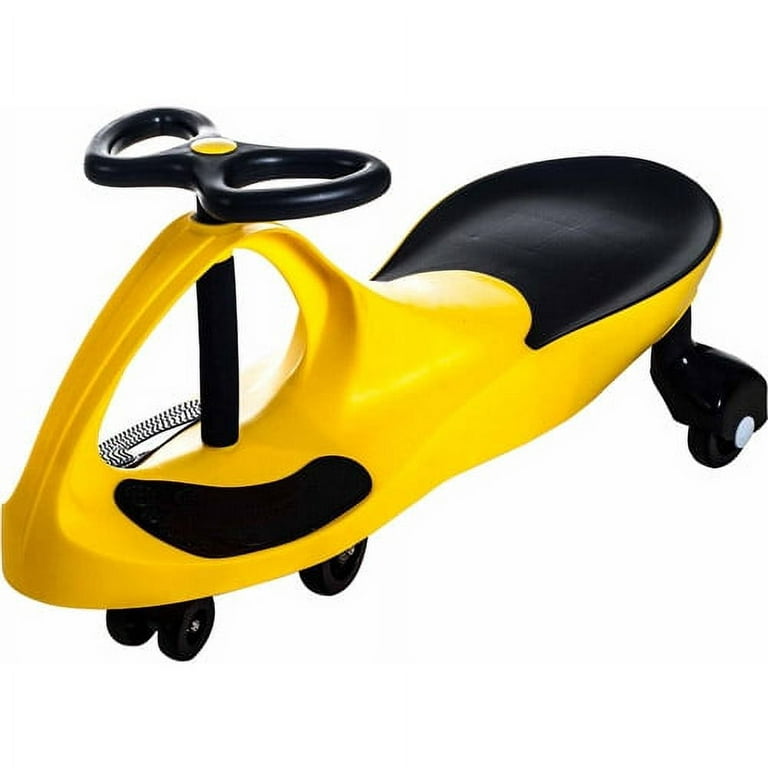
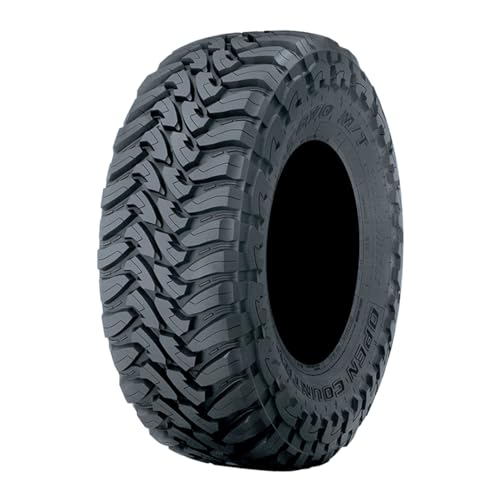
Credit: www.walmart.com
Educating Children On Safe Play
Ride-on toys bring joy to kids, but safety is crucial. Teaching children how to play safely ensures they enjoy these toys without harm. Parents and guardians play a key role in educating kids on safe play practices. This education helps prevent accidents and builds confidence.
Teaching Safety Rules
Start with the basics. Explain the importance of wearing helmets while riding. Helmets protect the head during falls. Discuss the dangers of speeding. Children should learn to ride at a safe pace. Clear boundaries are essential. Set areas where riding is allowed and where it is not. This helps avoid accidents in dangerous zones.
Promoting Awareness
Aware children make safer choices. Teach them to be mindful of their surroundings. Encourage them to look around before moving. This prevents collisions with objects or people. Use role-play to demonstrate safe riding practices. Kids enjoy role-play and learn quickly. Show them real-life scenarios they might face while riding.
Maintaining And Inspecting Toys
Ride-on toys can be safe with regular inspections and maintenance. Check for loose parts, sharp edges, and battery safety. Ensure proper supervision during playtime to prevent accidents.
Ensuring the safety of ride-on toys is crucial for keeping your child protected during playtime. Regular maintenance and inspection can prevent accidents and prolong the life of the toys. As parents, you want your children to enjoy their toys without compromising their safety. How can you achieve this? By dedicating a little time to maintenance and inspection, you can ensure peace of mind while your child has endless fun.
Regular Maintenance Tips
Keeping ride-on toys in good condition requires consistent upkeep. First, always follow the manufacturer's instructions for maintenance. If you lost the manual, a quick online search using the toy's model number can help you find it. Check the wheels regularly. Ensure they are not wobbly or loose. If they have screws, tighten them periodically to prevent detachment during use. Lubricate moving parts like pedals and steering mechanisms. This will not only enhance the toy's performance but also prevent rusting and wear. Look out for cracks or sharp edges on the toy's body. These can pose injury risks. Sand down any rough areas and replace broken parts promptly.
Safety Inspection Checklist
Before your child hops onto a ride-on toy, a quick safety check can make all the difference. Here’s a simple checklist to follow: - Check the brakes: If the toy has brakes, ensure they work effectively. Test them on a flat surface to see if they engage properly. - Inspect the battery: For battery-operated toys, ensure the battery is charged and not leaking. A leaking battery can be hazardous. - Secure seatbelts: If the toy comes with a seatbelt, make sure it is intact and functioning. A secure belt can prevent falls. - Verify weight limits: Ensure your child’s weight does not exceed the toy’s limit. Overloading can strain the toy and increase the risk of accidents. - Assess stability: Place the toy on a flat surface and gently push it to see if it tips over easily. A stable toy reduces the risk of falls. By integrating these steps into your routine, you will help ensure your child's ride-on toys are both fun and safe. What's more, you can relax knowing you've taken proactive steps to guard against potential hazards.
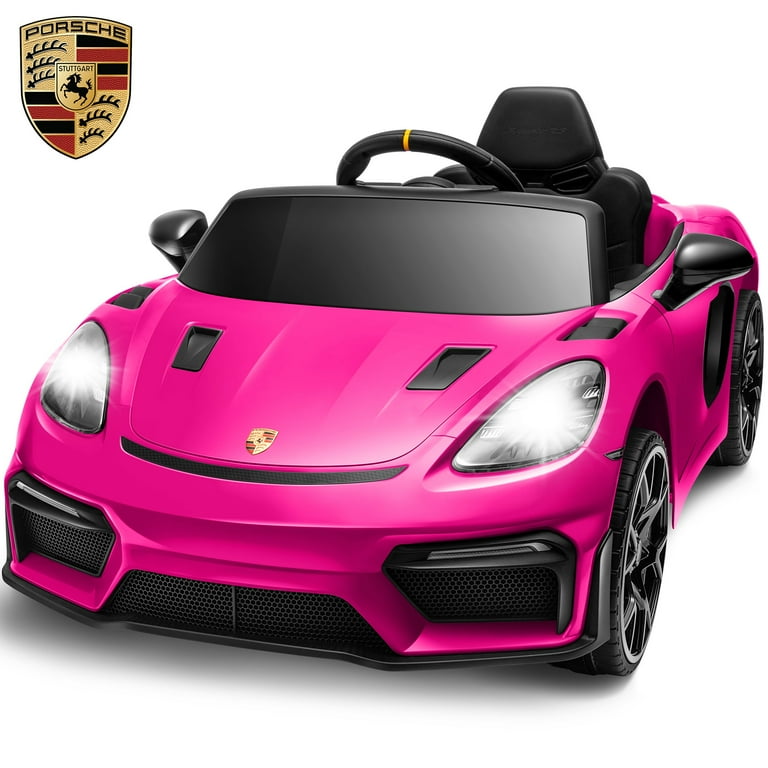
Credit: www.walmart.com
Balancing Fun And Safety
Ride-on toys offer thrilling adventures for children, sparking excitement and joy. Ensuring their safety is crucial for worry-free playtime. Parents should focus on age-appropriate designs and durable materials to protect little riders.
Balancing fun and safety with ride-on toys is a common concern for parents. These toys bring joy and excitement to children, but they also come with a responsibility to ensure safety. The key is to create a play environment where children can explore and learn without unnecessary risks. Let's delve into how you can strike this balance effectively.
Encouraging Safe Exploration
Encouraging your child to explore safely involves setting clear boundaries. Make sure they understand the limits of where they can ride their toy. Supervision is critical, especially for younger children who are still learning about their surroundings. Teach your child how to use their ride-on toy properly. Demonstrate how to start, stop, and maneuver safely. This not only ensures their safety but also builds confidence in their ability to control their toy. Consider the terrain where your child will be riding. Smooth, even surfaces reduce the risk of accidents. If your child is riding outdoors, ensure the area is free from obstacles like stones or sharp objects.
Creating A Safe Play Environment
Creating a safe play environment starts with choosing the right space. Indoor play areas should be spacious and free from furniture that could cause injury. For outdoor play, a fenced yard is ideal to keep your child within a safe perimeter. Make safety gear a non-negotiable part of playtime. Helmets, knee pads, and elbow pads can prevent injuries. It might feel like an extra step, but it can make a huge difference in case of a fall. Regularly inspect the ride-on toy for any signs of wear and tear. Loose parts or sharp edges can pose hazards. A quick check can prevent accidents and prolong the life of the toy. How do you ensure your child’s ride-on toys are both fun and safe? By taking proactive steps, you can provide a secure environment that allows them to enjoy their playtime to the fullest.
Frequently Asked Questions
Are Ride On Toys Safe For Toddlers?
Ride on toys can be safe for toddlers if used correctly. Ensure the toy is age-appropriate and meets safety standards. Always supervise your child during play. Check that the toy is in good condition and has no loose parts. Properly fitting helmets and protective gear can also enhance safety.
What Safety Features Should Ride On Toys Have?
Ride on toys should have stable construction and non-slip pedals. Look for toys with adjustable seats and sturdy handlebars. Safety belts can prevent falls, especially in motorized toys. Make sure the toy has no sharp edges. Adequate brakes are essential for controlling speed and stopping safely.
How Do I Choose A Safe Ride On Toy?
Choose a ride on toy based on age recommendations and weight limits. Look for toys with recognized safety certifications. Assess the toy for durability and stability. Inspect for potential choking hazards. Consider the environment where the toy will be used, avoiding stairs or uneven surfaces.
Can Ride On Toys Cause Injuries?
Ride on toys can cause injuries if not used properly. Common injuries include falls, collisions, and pinched fingers. Supervision is crucial to prevent accidents. Using safety gear like helmets can minimize risks. Teach your child to use the toy safely and follow any instructions provided.
Conclusion
Ride on toys can be safe with proper precautions. Supervision is key. Parents should ensure toys meet safety standards. Check for sturdy construction and no sharp edges. Always read the instructions. Helmets and protective gear are essential. Teach kids to follow rules and stay alert.
Choose age-appropriate toys for safety. Regular maintenance prevents accidents. Inspect wheels and brakes often. Keep toys away from stairs and roads. Encourage responsible play. With care, ride on toys offer fun and learning. Safety should always be the priority. Enjoy the adventure responsibly!


