
As a parent, you want the best for your little one, especially when it comes to their health and safety. You might have noticed how quickly baby toys find their way into your child's mouth, and you know that keeping them clean is crucial.
Imagine the peace of mind you'll feel knowing these toys are free from germs and dirt. You'll discover easy, effective ways to clean those mouth-bound toys, ensuring that playtime remains safe and enjoyable. Dive in to learn the secrets behind maintaining a germ-free environment for your baby's favorite playthings.

Credit: cleancorp.biz
Choosing Safe Cleaning Products
Cleaning baby toys that go in the mouth requires safe, non-toxic products. Opt for mild, unscented soap and water. Rinse thoroughly to ensure no residue remains.
Choosing safe cleaning products for your baby's toys is crucial to ensure their health and safety. When toys end up in your baby's mouth, they need to be cleaned with products that don't leave harmful residues. This section will guide you on selecting the safest options, so you can keep your child's playtime both fun and worry-free.
Understanding Product Labels
Reading labels might seem tedious, but it's essential. Look for terms like "non-toxic" or "natural ingredients." If a product lists harsh chemicals or words you can't pronounce, it's best to leave it on the shelf. Consider using natural options like vinegar and baking soda. These are effective and safe for cleaning toys. A simple mix of water and vinegar can clean most surfaces without any harmful side effects.
Avoiding Harmful Chemicals
Steer clear of products containing bleach, ammonia, or synthetic fragrances. These can be harmful if ingested or inhaled. Always check the ingredient list to avoid these substances.
Making Homemade Solutions
You can create your own cleaning solutions at home. Mix equal parts water and white vinegar for a basic cleaner. This is not only safe but also cost-effective.
Testing Products First
Before using a new cleaning product, test it on a small part of the toy. This ensures the cleaner won’t damage the toy or leave residues. It’s a quick step that can save you from potential problems.
Considering Eco-friendly Brands
Eco-friendly brands often offer safer products for cleaning baby toys. These products are usually free from harmful chemicals and are biodegradable. Check for certifications like "Green Seal" or "EcoLogo" for assurance.
Seeking Expert Recommendations
Don't hesitate to ask your pediatrician or other parents for advice on safe cleaning products. They can provide insights based on experience and expertise. Sometimes, personal recommendations are the most trustworthy. Are you confident about the products you're using to clean your baby's toys? Ensuring safety in cleaning is as important as the cleaning process itself. Keep your little one's health a priority by choosing wisely.
:max_bytes(150000):strip_icc()/__opt__aboutcom__coeus__resources__content_migration__mnn__images__2011__12__BabyToyInMouthShutterstock-84250ed653774947830e21918fa62b90.jpg)
Credit: www.treehugger.com
Cleaning Techniques For Soft Toys
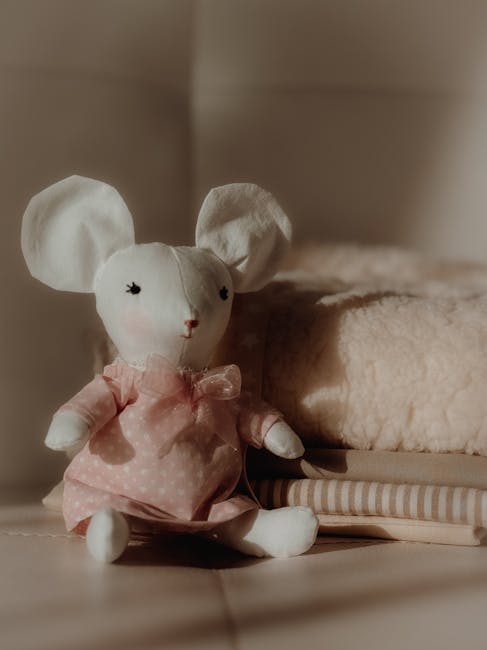
Soft toys often bring comfort and joy to your baby. They also gather germs easily, especially those that your little one loves to chew on. Keeping these toys clean isn't just about hygiene; it's about ensuring your baby's health. So, how do you make sure their favorite snuggle buddy is safe?
Let’s explore some effective cleaning techniques for soft toys. Whether you prefer hand washing or using the machine, it’s crucial to maintain cleanliness without damaging the toy.
Hand Washing Steps
- Step 1:Check the label. Most soft toys come with care instructions. Follow them closely to avoid any mishaps.
- Step 2:Fill a basin with lukewarm water. Add a mild detergent that’s gentle on fabrics.
- Step 3:Submerge the toy. Gently scrub areas that look dirtier. Pay attention to seams where dirt tends to accumulate.
- Step 4:Rinse thoroughly. Ensure all soap residues are gone by rinsing multiple times.
- Step 5:Squeeze out excess water. Avoid twisting or wringing to keep the toy’s shape intact.
- Step 6:Air dry. Lay the toy flat in a well-ventilated area away from direct sunlight.
Hand washing gives you control over the cleaning process. You can spot clean specific areas as needed. This method is ideal for delicate toys that might not withstand machine washing.
Machine Washing Guidelines
- Step 1:Place the toy in a mesh laundry bag. This protects it from rough tumbles inside the machine.
- Step 2:Select a gentle cycle. Use cold water to prevent colors from fading.
- Step 3:Add a mild detergent. Avoid bleach or harsh chemicals that could damage fabric.
- Step 4:Run the cycle. Watch closely in case of any issues like excessive shedding.
- Step 5:Air dry. Machine drying can alter the toy’s shape or texture.
Machine washing is convenient for busy days when time is scarce. It’s perfect for robust toys that can handle a bit of agitation. Always consider whether the toy is machine-friendly before tossing it in.
Are there specific toys your baby can’t live without? If so, keeping them clean becomes even more vital. Prioritize techniques that preserve the toy’s charm while ensuring it’s germ-free. Remember, a clean toy is a safe toy for your baby’s happy playtime.
Sanitizing Hard Toys
Keeping baby toys clean is important for their health. Toys that go in the mouth need extra care. Hard toys can be sanitized with different methods. Let's explore how to keep them germ-free.
Using Dishwasher Safely
Many hard toys are dishwasher-safe. Check the toy's label first. Use the top rack of the dishwasher for safety. Avoid high heat settings. Choose a gentle cycle for best results. This prevents damage. Use mild detergent to avoid residue.
Inspect toys after washing. Ensure they are intact and clean. Dry them completely before use. Moisture can lead to mold growth. Regular cleaning keeps toys safe for babies.
Manual Cleaning Methods
Sometimes toys need hand cleaning. Use warm water and mild soap. Scrub gently with a soft brush or cloth. Rinse thoroughly to remove soap. Dry the toy completely with a clean towel. Air drying is effective too.
Disinfect toys with a solution of water and vinegar. Mix equal parts in a spray bottle. Spray the toy, then wipe with a clean cloth. This method is safe for babies. It kills germs without harsh chemicals.
Check toys often for damage. Replace any broken toys immediately. Safe toys provide a healthy play environment for babies.
Natural Cleaning Alternatives
Parents often seek natural ways to clean baby toys. Using natural cleaning alternatives can ensure safety while keeping toys germ-free. These methods avoid harsh chemicals and are gentle on sensitive skin. Let's explore some effective natural cleaning solutions.
Vinegar And Baking Soda Solutions
Vinegar is a powerful, natural disinfectant. It kills many types of germs. To clean toys, mix equal parts of water and vinegar. Soak a cloth in the solution. Wipe the toys thoroughly. For stubborn stains, sprinkle baking soda on the toys first. Then scrub gently with the vinegar solution. Rinse well and let them dry.
Essential Oils For Disinfection
Essential oils offer a natural way to disinfect toys. Tea tree oil and lavender oil have antibacterial properties. Add a few drops to water in a spray bottle. Shake well and spray on the toys. Wipe with a clean cloth. Ensure the oils are safe for babies. Always test a small area first.
Drying And Storage Tips
Proper drying and storage of baby toys are crucial. Wet toys can harbor bacteria. Storing them incorrectly can lead to damage. Here are some effective drying and storage tips. Keep your baby's toys clean and safe.
Air Drying Vs. Towel Drying
Air drying is gentle and effective. Place toys on a clean surface. Let them dry naturally. This method prevents mold and mildew. It also maintains the toy's shape.
Towel drying is quicker. Use a clean towel to pat toys dry. Be gentle to avoid damage. This method is ideal for immediate use. Ensure the towel is clean and dry.
Storing Toys Properly
Proper storage extends toy life. Use a dedicated storage bin. Keep it dry and clean. Avoid overcrowding to prevent damage. Separate toys based on material. This prevents cross-contamination.
Store toys in a cool, dry place. Avoid direct sunlight. It can fade colors and weaken materials. Regularly check stored toys for cleanliness. This ensures they remain safe for use.

Credit: cleancorp.biz
Frequency Of Cleaning
Cleaning baby toys that go in the mouth is crucial. Babies explore the world using their mouths. This makes their toys prone to germs. Regular cleaning helps keep these toys safe. But how often should you clean them? Understanding the frequency of cleaning ensures baby toys remain hygienic.
Daily Cleaning Routines
Every day, certain toys need cleaning. These are the toys your baby uses most. Wipe them with a damp cloth. Use mild soap and water. This quick clean removes visible dirt. It also reduces bacteria. Dry the toys thoroughly before giving them back to your baby.
Deep Cleaning Schedule
Some toys need a deeper clean. Do this weekly or monthly. Check the toy’s material. Plastic toys are dishwasher safe. Use the top rack to avoid damage. For cloth toys, use the washing machine. Set it on a gentle cycle. Use baby-safe detergent. Rinse thoroughly to remove soap residue. Air-dry them completely.
Identifying Toys That Need Replacement
As a parent, you know that toys play a huge role in your baby’s development and entertainment. However, toys that frequently end up in your little one's mouth require special attention. While regular cleaning is crucial, identifying toys that need replacement is equally important. Over time, toys wear out, and their safety can be compromised. Let's delve into the signs you should watch out for.
Signs Of Wear And Tear
Have you noticed any chipped paint or cracks in your baby's toys? These are clear signs that the toy might be nearing its end. Chipped paint can be dangerous if ingested, and cracks can harbor bacteria, making cleaning ineffective.
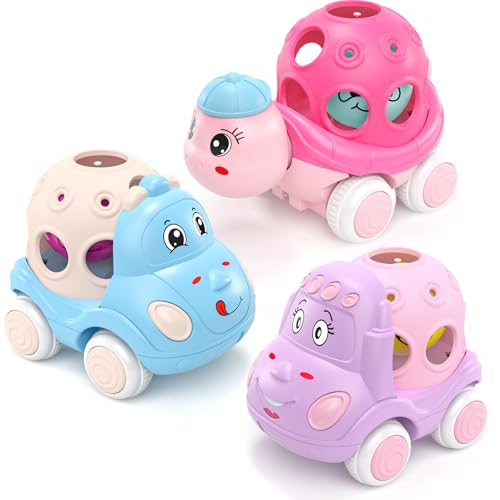
Another sign is loose parts. If a toy has pieces that are easily detached, it can pose a choking hazard. Always check for wobbly wheels on toy cars or loose eyes on stuffed animals.
Think about the texture of the toy. Is it becoming sticky or discolored? These changes can indicate the material is breaking down and may not be safe for your baby's mouth anymore.
Safety Hazards
Safety is non-negotiable when it comes to your baby's toys. Are there sharp edges or corners that have developed over time? These can cause injuries, especially when your baby is exploring with their mouth.
Consider the material of the toy. Has it been recalled or flagged for safety issues recently? Staying informed about recalls ensures you're not inadvertently putting your baby at risk.
Evaluate the toy's size. Small parts or toys that can fit entirely in your baby's mouth should be replaced immediately. They pose a serious choking risk.
So, what should you do when you spot these signs? Are you prepared to make the decision to replace them for your baby's safety?
While it might be tempting to hold onto toys for sentimental reasons, prioritizing your baby's safety is crucial. Regularly inspect toys and keep an eye out for the signs mentioned above. Your vigilance can make playtime safer and more enjoyable for your baby.
Frequently Asked Questions
How Often Should I Clean Baby Toys?
Clean baby toys that go in the mouth daily to ensure safety. Regular cleaning prevents germs and bacteria build-up. For toys not used daily, clean them weekly. Always clean toys when visibly dirty or after playdates. Regular cleaning promotes a healthy environment for your baby.
What Is The Best Method For Cleaning Baby Toys?
Use a mild soap and warm water for cleaning most baby toys. Rinse thoroughly to remove soap residues. For toys with batteries, clean surfaces with a damp cloth. Ensure they are completely dry before giving them back to your baby.
Always check manufacturer instructions for specific cleaning guidelines.
Can I Use Disinfectant Wipes On Baby Toys?
Yes, but ensure they are baby-safe and non-toxic. Disinfectant wipes can effectively clean toys, especially on-the-go. Always follow the product's instructions for safe use. After wiping, let the toys dry completely before returning them to your child. Check for any residue and rinse if needed.
Are Dishwasher-safe Toys Really Safe To Wash In A Dishwasher?
Yes, if labeled dishwasher-safe, they can be cleaned in the dishwasher. Use the top rack for added safety. A dishwasher's heat effectively sanitizes toys. Always check the manufacturer's guidelines before washing. Ensure the toys are thoroughly dried before allowing your baby to use them again.
Conclusion
Cleaning baby toys is essential for safety. Regular cleaning prevents germs. Use mild soap and water. Avoid harsh chemicals. Check toys for damage. Discard broken ones promptly. Dry toys properly after cleaning. Moisture causes mold. Keep toys organized and clean.
Store them in a safe place. Follow these steps for healthy playtime. Simple routines make a big difference. Your baby deserves clean toys. Always prioritize their health. Enjoy peace of mind with clean toys. Keep your baby happy and healthy.
Follow these tips to maintain cleanliness. Ensure a safe environment for your child. Happy cleaning!