
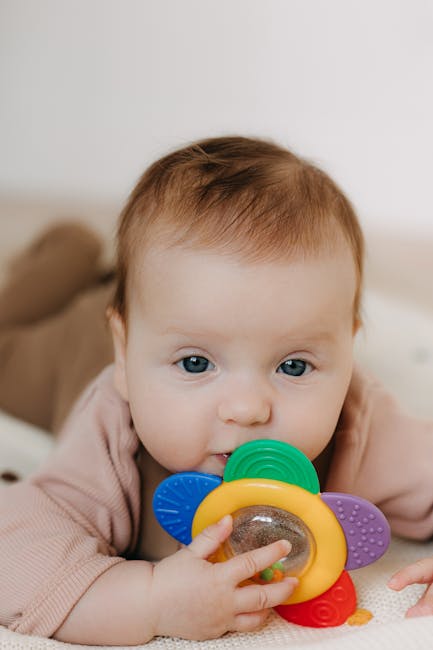
As a parent, you know that your baby’s teething toys can quickly become a breeding ground for germs. Keeping these toys clean is crucial for your little one's health and safety.
But do you ever wonder if you're doing it right? You might worry about using harsh chemicals or wonder if there's a simpler way. Imagine the peace of mind you’ll feel when you know exactly how to sanitize those toys effectively.
This guide will empower you with simple, safe methods that ensure your baby's toys remain germ-free. Discover the secrets to protecting your child's health with ease, and say goodbye to uncertainty. Dive in and learn how to make cleanliness a part of your daily routine.
Importance Of Sanitizing Teething Toys
Keeping baby teething toys clean is crucial for health. Regular sanitizing removes harmful germs. It ensures a safe chewing experience.
Teething toys are a lifesaver for parents and a source of comfort for babies. However, these toys often end up on the floor, in the mouth, and even in places we’d rather not think about. Keeping them sanitized is crucial to ensure your baby's health and safety.
Why Cleanliness Matters
Babies have developing immune systems. Germs from dirty toys can lead to infections. Just think about the peace of mind you get knowing your child is safe from harmful bacteria.
Preventing Illness
Teething toys can harbor bacteria, mold, and viruses. Regular sanitization reduces the risk of your baby falling sick. A simple routine can safeguard your child's health.
Enhancing Baby's Safety
Some cleaning products can leave residues that aren't safe for babies. Opt for non-toxic methods like using vinegar or boiling water. This ensures that while the toys are germ-free, they're also safe for chewing.
Building A Routine
Establishing a cleaning schedule can make life easier. Consider sanitizing toys once or twice a week. You might even find it becomes a meditative ritual, offering a break in your hectic day.
Real-life Experience: A Parent's Perspective
I remember the first time my baby dropped her teething ring on the dog’s bed. At that moment, I realized the importance of having a reliable cleaning routine. It taught me that a little prevention can save a lot of worry. How often do you sanitize your baby's toys? Could your routine use a refresh? Making small changes today can lead to healthier tomorrows for your little one.

Credit: honeybkids.com
Choosing Safe Cleaning Products
Choosing the right cleaning products for baby teething toys is crucial. Babies often put these toys in their mouths. This makes it important to clean them safely. Using the wrong products can harm your baby. It's essential to know which products are safe and effective. Here’s a guide to help you make the right choice.
Read The Labels Carefully
Always check the labels on cleaning products. Look for words like "non-toxic" and "baby-safe." Avoid products with strong chemicals. These can leave harmful residues. Natural ingredients are usually safer for babies.
Avoid Harsh Chemicals
Stay away from bleach and ammonia-based cleaners. These are too harsh for baby toys. They can cause irritation or allergic reactions. Opt for mild cleaners or natural alternatives.
Consider Homemade Solutions
Homemade cleaners can be effective and safe. A simple mix of water and vinegar works well. It disinfects without harmful chemicals. Just be sure to rinse well after cleaning.
Use Baby-friendly Brands
Many brands offer cleaning products for baby items. These are formulated with safe ingredients. They are tested to ensure they are gentle. Check online reviews to find trustworthy brands.
Test Products On A Small Area First
Before using a new product, test it on a small area. This ensures it won't damage the toy. It also helps you check for any residue. Always do this step for safety.
Cleaning Methods For Different Materials
As a parent, keeping your baby's teething toys clean is crucial for their health. Different materials require specific cleaning methods. Understanding these methods ensures your baby’s toys are sanitized effectively, preventing any harmful germs from making their way to your baby's mouth. Let’s explore how to clean teething toys made of silicone, rubber, wood, and plastic.
Silicone And Rubber Toys
Silicone and rubber toys are popular choices for teething due to their soft texture and durability. You can easily clean them by using warm, soapy water. Scrub them gently with a soft brush to remove any residue.
Additionally, most silicone and rubber toys are dishwasher-safe. Place them on the top rack to avoid any damage. This method can save you time, especially if your day is packed with chores.
Have you ever thought about boiling them? Boiling for a few minutes kills germs effectively. Ensure the toys can withstand high heat before trying this method. Always check the manufacturer’s instructions first.
Wooden Teething Toys
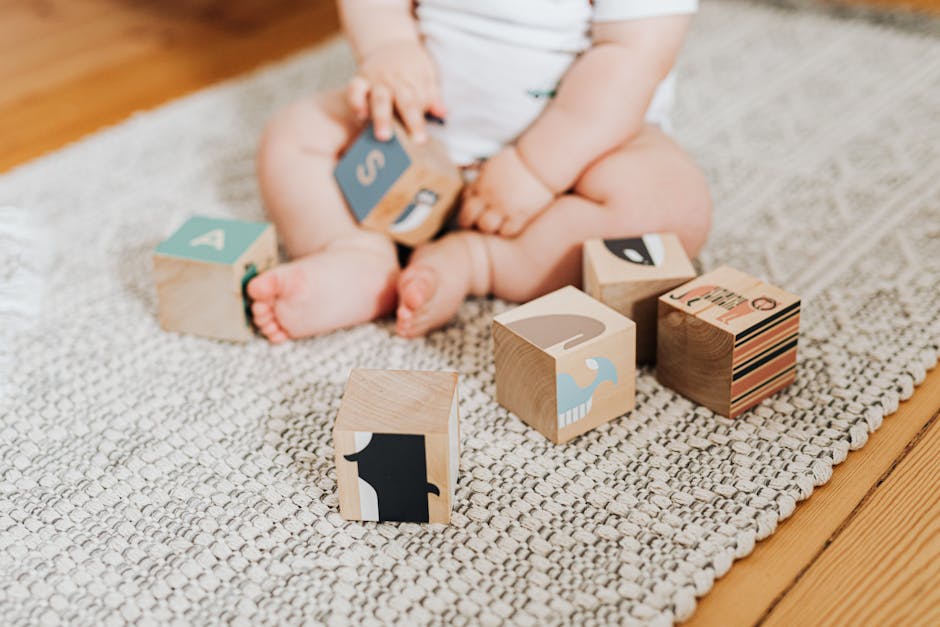
Wooden toys are eco-friendly and safe but need special care. Avoid soaking them in water, as this can lead to warping. Instead, use a damp cloth with mild soap to wipe them clean.
Consider using a natural disinfectant like vinegar diluted with water. This prevents any chemical residue. Always dry wooden toys thoroughly to prevent mold growth.
Have you noticed a change in texture after cleaning? Applying a little olive oil can help maintain their smooth surface. It also adds a layer of protection against moisture.
Plastic Teething Toys
Plastic toys are sturdy and widely available. They can be cleaned with warm soapy water. A toothbrush works well for scrubbing the grooves where dirt hides.
If the toys are dishwasher-safe, use this method for convenience. High temperatures in the dishwasher can eliminate bacteria effectively.
Do you have toys with electronic components? Use a disinfectant wipe for these parts. Always ensure that no moisture enters the electronic sections.
Cleaning your baby's teething toys doesn’t have to be a chore. With the right methods tailored to each material, you can ensure your baby's toys remain safe and clean. Remember, a few minutes spent cleaning today can protect your baby’s health tomorrow. What cleaning method do you find most effective?
Diy Natural Cleaning Solutions
Keeping baby teething toys clean is essential. Babies explore the world with their mouths. So, cleaning these toys naturally is important. DIY natural cleaning solutions offer a safe option. They avoid harsh chemicals. These solutions are easy to make at home. They ensure your baby's safety. Plus, they are cost-effective and environmentally friendly.
1. Vinegar And Water Solution
Mix equal parts of white vinegar and water. This solution is a natural disinfectant. It kills germs effectively. Soak the toys for 10 minutes. Then, rinse with warm water. Let them air dry completely. Ensure no vinegar residue remains.
2. Baking Soda Paste
Baking soda is a gentle cleaner. Make a paste with water and baking soda. Apply to the toys and scrub gently. Rinse thoroughly with water. This removes stains and odors. Ensure toys are dry before use.
3. Lemon Juice And Water
Lemon juice is a natural antibacterial. Mix lemon juice with water in equal parts. Wipe the toys with a cloth soaked in the mixture. Rinse with warm water. Let the toys air dry. This leaves a fresh scent.
4. Essential Oil Spray
Use essential oils like tea tree or lavender. Add a few drops to water. Pour into a spray bottle. Spray the toys lightly. Wipe clean with a soft cloth. Ensure oils are safe for babies. This adds a natural fragrance.
5. Boiling Water
Boiling water kills bacteria effectively. Immerse heat-resistant toys in boiling water for a few minutes. Use tongs to remove them. Let them cool and dry. This method is simple and chemical-free.
Frequency Of Sanitizing
Keeping baby teething toys clean is essential for your child's health. Babies explore with their mouths. This makes toys a prime spot for germs. Sanitizing these toys regularly is crucial. But how often should you do it? The frequency of sanitizing depends on several factors. This includes how often your baby uses the toy. Also, consider if your baby has been sick. Let's break down the best practices for sanitizing frequency.
How Often Should You Sanitize?
Sanitize teething toys at least once a week. This keeps them safe and clean. If your baby has a cold or flu, sanitize more often. Daily cleaning might be necessary in such cases. Frequent sanitizing ensures the toys remain free from harmful germs.
Signs You Need To Sanitize More Often
Watch for signs your toys need more frequent cleaning. If the toy falls on the floor, sanitize it immediately. Notice any visible dirt or grime? It's time for a wash. Also, if your baby shares toys with others, sanitize them more often.
Using Baby-safe Cleaning Products
Always use baby-safe cleaning products for sanitizing. Avoid harsh chemicals. They can harm your baby. Opt for mild soap and warm water. Some toys may require a specific cleaner. Check the manufacturer's guidelines for best results.
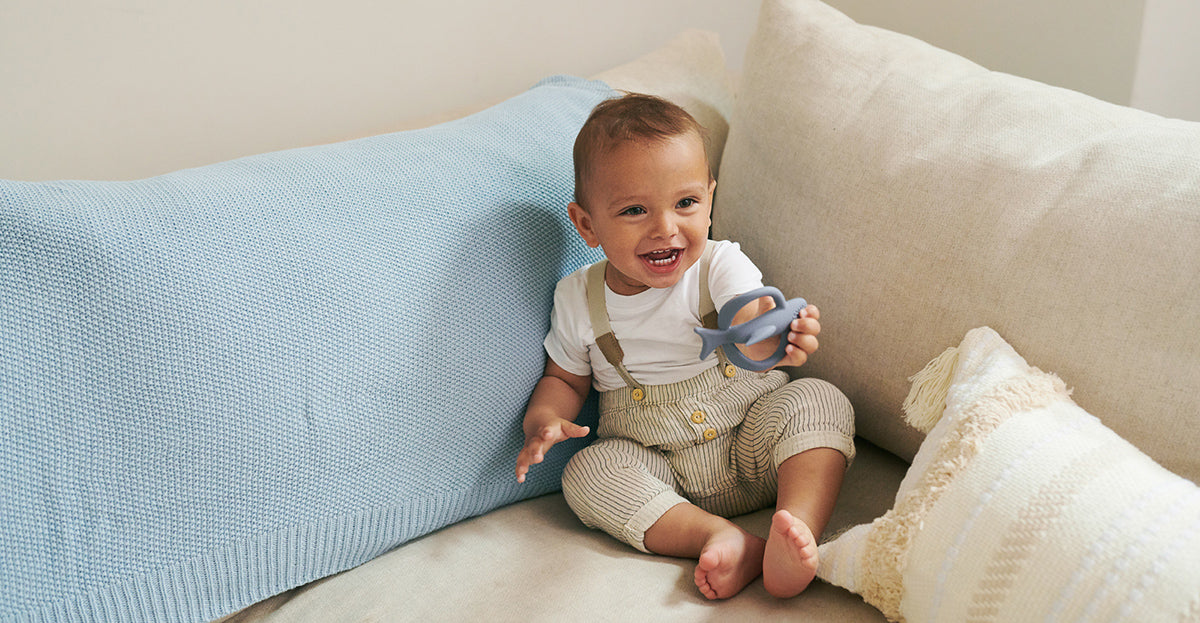
Creating A Sanitizing Routine
Establish a regular sanitizing routine. Set a schedule that fits your lifestyle. Consistency is key. This ensures your baby's toys are always clean. It also helps prevent germs from spreading.
Credit: www.matchstickmonkey.com
Signs A Toy Needs Immediate Cleaning
Baby teething toys bring comfort but can also harbor germs. It's important to recognize when these toys need cleaning. Dirty toys can impact a baby's health. Keep an eye out for specific signs to ensure your baby stays safe and healthy.
1. Visible Dirt And Grime
Check for dirt on the toy's surface. Look for sticky spots or grime. If you see any, it's time to clean.
2. Foul Odor
Smell the toy. A bad odor means bacteria may be present. Clean the toy immediately to remove any germs.
3. Sticky Or Slimy Texture
Feel the toy. A sticky or slimy texture is a red flag. This texture can attract more germs. Clean the toy right away.
4. Dropped On The Ground
Did the toy fall on the ground? Clean it even if it looks clean. Floors can have unseen dirt and bacteria.
5. Contact With Sick Individuals
If the toy was near someone sick, clean it. Germs can transfer easily. Sanitizing the toy reduces the risk of illness.
Storing Clean Teething Toys
Keeping baby teething toys clean is essential for your child's health. Use warm, soapy water to wash them thoroughly. Rinse well and dry completely before storing to prevent bacteria growth.
Storing clean teething toys properly is crucial for keeping your baby safe from germs and bacteria. After spending time and effort cleaning those beloved toys, you don't want to undo your hard work by storing them incorrectly. A well-organized storage solution can ensure that the toys remain clean and ready to soothe your little one’s sore gums.
Choose The Right Storage Container
Selecting the right container is the first step. Transparent containers allow you to see what's inside without opening them, keeping everything clean and organized. Make sure the container is made from a non-toxic material and has a tight-fitting lid to prevent dust and germs from getting in.
Designate A Clean Storage Area
Choose a specific place in your home to store the clean teething toys. This could be a cupboard or a shelf that’s out of reach of pets and older siblings. Keeping them in a dedicated space ensures that your clean efforts aren't compromised by dirt or clutter from other items.
Use Labels For Easy Access
Labeling your storage containers can save you time and help keep things organized. Consider using labels like "Clean Teething Toys" or "Sanitized Toys" to avoid any confusion. This simple step can be especially helpful if you have multiple caregivers for your baby, ensuring everyone knows where to find the toys.
Avoid Overcrowding The Storage Space
Storing too many toys in one container can lead to them getting dirty again. Ensure that there’s enough space for each toy to breathe, avoiding unnecessary contact that could transfer germs. Regularly check the storage area to ensure it remains organized and clean.
Consider Rotating Toys
Rotate the toys you store to ensure they all get used evenly, which can prevent any one toy from becoming a breeding ground for germs. By rotating toys, you also maintain your baby’s interest and ensure each toy remains in good condition. This can be a fun way to keep things fresh for your little one.
Keep Storage Areas Dry
Moisture can lead to mold and bacteria growth. Ensure that your storage area is dry, and if necessary, use silica gel packets to absorb any excess moisture. This is especially important if you live in a humid climate. Properly storing clean teething toys not only extends their lifespan but also keeps your baby safe. Do you have a special routine for storing your baby's toys? Share your experiences in the comments!
Common Mistakes To Avoid
Avoid using harsh chemicals or hot water. These can damage the toys. Always rinse thoroughly to remove any soap residue. Regular checks for any cracks or damages are essential. This ensures safety and hygiene for your baby.
Sanitizing baby teething toys is crucial for keeping your little one safe. Many parents make common mistakes that compromise the cleanliness of these toys. Avoid these errors to ensure your baby's toys remain germ-free. Proper sanitization helps protect your child from harmful bacteria.
Using Harsh Chemicals
Some parents use strong cleaning agents, which can be harmful. These chemicals may leave residue on the toys. Babies often put toys in their mouths, ingesting harmful substances. Opt for mild soap and warm water instead. Ensure all cleaning agents are safe for babies.
Not Rinsing Thoroughly
Incomplete rinsing leaves soap or cleaner residue. This residue can irritate your baby's skin or mouth. Always rinse toys thoroughly after washing. Use clean water to remove all traces of cleaner. This ensures toys are safe for your baby to chew.
Ignoring Manufacturer Instructions
Each toy has specific cleaning guidelines. Ignoring these can damage the toy. Some toys require specific cleaning methods. Always read and follow the manufacturer's instructions. This ensures proper sanitization and longevity of the toy.
Skipping Regular Cleaning
Many parents forget regular sanitization. Toys should be cleaned frequently. Germs accumulate quickly on teething toys. Set a regular cleaning schedule. Consistent cleaning keeps toys free from germs and bacteria.
Using Hot Water On All Toys
Hot water can warp or damage some toys. Not all materials withstand high temperatures. Check the toy's material before using hot water. Use warm water for delicate materials. This prevents damage and ensures effective cleaning.
Expert Recommendations
Experts suggest using mild soap and warm water to clean baby teething toys. Rinsing thoroughly ensures no residue remains. Regular cleaning prevents germs from building up.
Cleaning your baby's teething toys is crucial to ensure their health and well-being. Experts recommend specific methods to effectively sanitize these toys, keeping harmful germs at bay. Let's delve into expert recommendations and learn how to maintain a hygienic environment for your baby.
1. Use Mild Soap And Water
Experts agree that the simplest method is often the best. Washing teething toys with mild soap and warm water removes most germs. This method is effective for daily cleaning. Ensure you rinse thoroughly to remove soap residue. After washing, let the toys air dry completely to prevent mold growth.
2. Opt For Dishwasher Safe Toys
Many experts suggest choosing dishwasher-safe teething toys for convenience. The high temperatures in a dishwasher can kill most bacteria and viruses. Check the manufacturer's guidelines to confirm if your baby's toys are dishwasher safe. If they are, place them on the top rack for a thorough clean.
3. Utilize Baby-safe Sanitizers
Some experts recommend using baby-safe sanitizers for an extra layer of cleanliness. These products are designed to be gentle on your baby's toys while effectively eliminating bacteria. Make sure the sanitizer you choose is free from harmful chemicals. Always read the instructions to ensure proper use.
4. Embrace Natural Methods
Are you concerned about chemical exposure? Experts suggest natural methods like boiling water for durable toys. This method is great for items without electronic components. Another option is using a vinegar solution, mixing one part vinegar with ten parts water. This is a safe, natural disinfectant.
5. Regular Inspections
Experts also emphasize the importance of regular inspections. Check for signs of wear and tear that might trap dirt or bacteria. When was the last time you examined your baby's toys closely? Regular checks ensure they remain safe and hygienic for your little one. By incorporating these expert recommendations, you're taking proactive steps to safeguard your baby's health. Each method is straightforward and easy to implement in your routine.
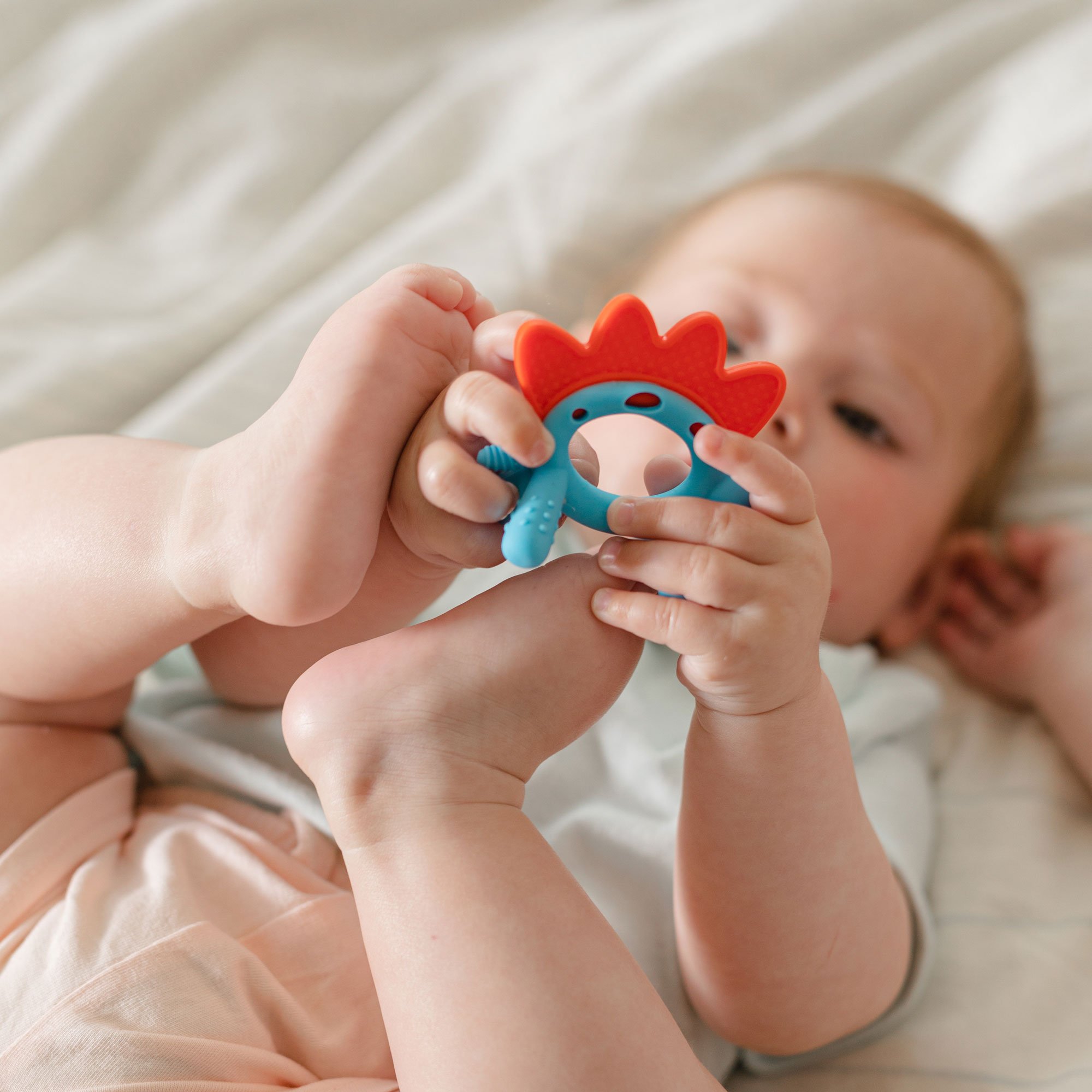
Credit: us.nuby.com
Frequently Asked Questions
How Often Should You Sanitize Teething Toys?
Sanitize teething toys at least once a week to keep them clean. If your baby has been sick, sanitize them more often. Regular cleaning helps prevent the spread of germs and ensures your baby's safety.
Can I Use Boiling Water To Sanitize Toys?
Yes, boiling water is effective for sanitizing teething toys made of silicone or hard plastic. Submerge the toys in boiling water for 5 minutes. Ensure they cool down before giving them back to your baby.
Is Vinegar Safe For Cleaning Teething Toys?
Vinegar is a natural and safe cleaning agent for teething toys. Mix equal parts water and vinegar, then wipe the toys. Rinse thoroughly with water to remove any vinegar residue before use.
Are Dishwashers Suitable For Sanitizing Teething Toys?
Some teething toys are dishwasher safe. Check the manufacturer's instructions to ensure they can withstand high temperatures. Place them on the top rack and use a gentle cycle for best results.
Conclusion
Keeping baby teething toys clean protects your child's health. Regular sanitizing prevents germs. Choose safe cleaning methods. Use mild soap and warm water. Rinse thoroughly. Dry completely before use. Avoid harsh chemicals. Check labels for cleaning instructions. Inspect toys for damage often.
Replace worn or broken toys promptly. Store toys safely to avoid contamination. Teaching good habits starts early. Clean toys often to ensure safety. A little effort makes a big difference. Your baby deserves the best care. Healthy toys lead to happy playtime.
Stay consistent with cleaning routines. Enjoy watching your baby grow and explore safely.