As a caring parent, you want to ensure that every aspect of your child's environment is safe and healthy. This includes the toys they play with every day.
You've probably heard about various cleaning methods, but you might be wondering: Is it safe to clean baby toys with hydrogen peroxide? This question is more than just a passing thought; it's a crucial part of maintaining your little one's well-being.
Imagine the peace of mind you'd feel knowing that your child's favorite toys are not only spotless but also free from harmful germs. You'll discover the facts about using hydrogen peroxide for cleaning baby toys, helping you make informed decisions that prioritize your child's safety and happiness. Stay with us to find out everything you need to know!
Credit: www.wonderbaby.org
Benefits Of Cleaning Baby Toys
Cleaning baby toys ensures safety and hygiene. Hydrogen peroxide effectively disinfects, killing germs without harsh chemicals. This makes it a safe option for keeping toys clean, protecting babies from harmful bacteria and viruses.
Cleaning baby toys is more than just a routine task; it's an essential part of keeping your child healthy. Toys can quickly become a breeding ground for germs. Regular cleaning prevents the spread of bacteria and viruses. This not only protects your child but also gives you peace of mind.
Importance Of Sanitization
Sanitization is crucial because babies explore the world with their mouths. A toy that was on the floor can easily end up in your baby's mouth. This makes toys a potential source of illness. Regular sanitization minimizes these risks. It ensures that germs don't hitch a ride into your child's digestive system. You might wonder if soap and water are enough. While they do a decent job, they might not eliminate all pathogens. This is where hydrogen peroxide can be a helpful ally. It's a safe and effective way to kill a broad range of bacteria.
Common Cleaning Methods
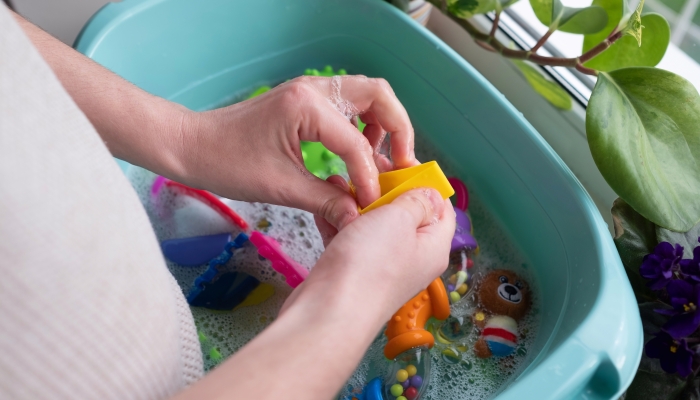
There are several ways to clean baby toys, but not all are equal. Soap and warm water are a good start. They're suitable for daily maintenance. For a deeper clean, you might use a dishwasher if the toy's material allows it. Wipes are convenient for quick clean-ups, especially when you're out and about. But they may not kill all germs. Boiling is effective for some toys, but it's not suitable for everything. It can damage toys with electronic parts or those that can't withstand high heat. Have you ever tried using hydrogen peroxide? It's a powerful disinfectant that can reach places soap and water might miss. Simply spray it on the toys, let it sit, and then rinse. It's a simple yet effective method to ensure thorough cleaning. Cleaning baby toys is an ongoing task. But it doesn't have to be a daunting one. With the right tools and methods, you can keep your child's playthings safe and germ-free. What cleaning methods do you find most effective for your baby's toys?
Understanding Hydrogen Peroxide
Hydrogen peroxide serves as a gentle cleaner for baby toys, effectively eliminating germs without harmful residues. Diluting it in water ensures safe use on various surfaces, providing peace of mind for parents. Always rinse toys thoroughly after cleaning to protect sensitive skin and ensure complete removal of any residue.
When it comes to cleaning baby toys, safety is the top priority for any parent. One method that's gaining popularity is using hydrogen peroxide. But before you grab that bottle, it’s crucial to understand what hydrogen peroxide is and how it works. This knowledge will help you make informed decisions about using it to sanitize your baby's toys.
Chemical Composition
Hydrogen peroxide is a simple compound made up of two hydrogen atoms and two oxygen atoms (H2O2). It’s similar to water but with an extra oxygen atom. This extra oxygen gives it its powerful cleaning properties. This compound is available in different concentrations. The one commonly found in households is usually a 3% solution. It’s important to use the right concentration to ensure safety while cleaning.
Antimicrobial Properties
Hydrogen peroxide is known for its antimicrobial properties. It effectively kills bacteria, viruses, and fungi, making it an excellent disinfectant for toys. Imagine a world where you’re constantly worried about germs on your baby’s toys. Hydrogen peroxide can be your ally in this battle. It works by releasing oxygen that helps break down the cell walls of microorganisms, rendering them harmless. But here’s a question for you: Are you aware that overuse of disinfectants can lead to resistant strains of bacteria? It's a good practice to use hydrogen peroxide wisely and not excessively. Using hydrogen peroxide to clean toys is not just about keeping them germ-free. It’s about ensuring that your little one has a safe play environment. So next time you clean those toys, remember the power of hydrogen peroxide lies in its simple yet effective composition and its ability to protect against germs.
Safety Of Hydrogen Peroxide
Hydrogen peroxide is a common household cleaner. Many parents wonder if it's safe for baby toys. This solution kills germs effectively. It's often used in medical settings. But, its safety for baby toys requires careful consideration.
Hydrogen peroxide is a chemical compound. It’s generally safe in small amounts. Still, it can cause irritation. So, knowing how to use it properly is important.
Potential Risks
Hydrogen peroxide can irritate skin and eyes. High concentrations pose greater risks. It may damage the toy material. Some toys are sensitive to chemicals. Always check the toy label first.
Inhaling hydrogen peroxide can be harmful. It may cause respiratory issues. Ensure good ventilation during cleaning. Using it in well-ventilated areas reduces risks.
Precautionary Measures
Test hydrogen peroxide on a small toy area. This ensures no damage occurs. Use a diluted solution for cleaning. A 3% concentration is usually safe. Rinse the toy thoroughly after cleaning. This removes any residue.
Store hydrogen peroxide safely. Keep it out of reach of children. Use protective gloves when handling. This prevents skin irritation.
Ensure proper ventilation while cleaning. Open windows or use fans. This helps avoid inhalation risks.

Credit: www.amazon.com
Effectiveness On Different Materials
Cleaning baby toys safely is crucial. Hydrogen peroxide is a popular choice. Understanding its effectiveness on different materials is important. Some materials respond better than others.
Plastic Toys
Plastic toys are common. Hydrogen peroxide works well on them. It kills germs and bacteria. It's safe on most plastics. It doesn't cause fading or damage. Just wipe or spray and let it dry. It's an easy solution for busy parents.
Fabric And Plush Toys
Fabric and plush toys need special care. Hydrogen peroxide can sanitize them. It's best to test a small area first. Some fabrics may fade or change texture. Use a spray bottle for a light mist. Allow the toy to air dry completely. This method helps maintain cleanliness.
Wooden Toys
Wooden toys require gentle cleaning. Hydrogen peroxide can be effective. It cleans without harsh chemicals. Apply with a soft cloth or sponge. Avoid soaking the wood. Too much moisture can cause damage. Regular cleaning keeps wooden toys safe for play.
Alternative Cleaning Solutions
Parents often worry about cleaning baby toys safely. Hydrogen peroxide is popular, but exploring other methods is essential. These alternatives can be safer and effective. Natural and commercial options offer diverse cleaning solutions.
Natural Cleaning Agents
Natural agents offer gentle cleaning options. White vinegar is excellent for disinfecting. Mix equal parts vinegar and water. This solution cleans without harsh chemicals. Baking soda is another option. It scrubs away dirt effectively. Lemon juice is also useful. Its acidity helps sanitize surfaces. Essential oils can add fragrance and cleaning power. Choose oils like tea tree or lavender.
Commercial Toy Cleaners
Commercial cleaners are designed for toy safety. They often have kid-safe ingredients. Look for cleaners with non-toxic labels. Some products offer antibacterial properties. These can help reduce germs. Ensure the cleaner is suitable for the toy material. Always read the label instructions carefully. This ensures safe and effective use. Consider eco-friendly options for a greener choice.
Tips For Safe Cleaning Practices
Cleaning baby toys safely is crucial. Hydrogen peroxide is effective but must be used with care. Ensure toys are thoroughly rinsed to avoid residue, keeping your child's play environment safe.
Cleaning baby toys safely is crucial for maintaining your child's health and well-being. Using hydrogen peroxide is a popular choice, but it demands careful handling. Let's explore some practical tips for safe cleaning practices that ensure your child's toys are germ-free without compromising safety.
Proper Dilution Techniques
Hydrogen peroxide is effective but can be harsh. It's essential to dilute it properly to avoid damage to toys or irritation to your baby's skin. A common practice is to mix one part hydrogen peroxide with two parts water. This dilution maintains its disinfecting power while minimizing risks. Test the diluted solution on a small area of the toy first. This ensures that the solution won't discolor or damage the material. If you're unsure, consult the toy's care instructions or manufacturer.
Safe Drying Methods
After cleaning, drying toys thoroughly is just as important as the cleaning process itself. Moisture left on toys can encourage mold growth, which poses health risks. Use a clean towel to remove excess liquid, then place the toys in a well-ventilated area. Sunlight can be an excellent drying agent. The sun's rays help in further disinfecting toys naturally. Just be cautious with colored toys, as prolonged exposure to direct sunlight might cause fading. Have you ever noticed your child's favorite toy still damp after cleaning? This can lead to unpleasant odors. Avoid this by ensuring toys are completely dry before handing them back to your little one. By following these tips, you can safely use hydrogen peroxide to clean baby toys, keeping them hygienic and safe for your child. Remember, a little precaution goes a long way in ensuring your baby's environment remains healthy.
Expert Opinions
Experts discuss the safety of using hydrogen peroxide for cleaning baby toys. It effectively kills germs. Yet, it may cause irritation if not rinsed thoroughly. Always ensure toys are well-rinsed and dried before giving them back to your child.
Cleaning baby toys with hydrogen peroxide raises questions about safety. Parents often seek expert opinions to ensure their child's well-being. Let's dive into what the specialists say.
Pediatrician Recommendations
Pediatricians often advise careful cleaning methods for baby toys. They emphasize the importance of using non-toxic substances. Hydrogen peroxide is commonly recommended due to its mild nature. Pediatricians suggest rinsing toys thoroughly after cleaning. This prevents residue that might irritate sensitive skin. They also recommend testing a small area first. This ensures the toy material doesn't react adversely.
Consumer Safety Reports
Consumer safety reports provide valuable insights into cleaning practices. Many studies highlight hydrogen peroxide's effectiveness in killing germs. It is often deemed safer than harsher chemicals. Reports suggest using a diluted solution for toy cleaning. This minimizes risks while maintaining cleaning power. Safety experts often stress proper storage after cleaning. Toys should be dried completely to prevent mold growth.

Credit: www.kitchenstewardship.com
Frequently Asked Questions
Can Hydrogen Peroxide Disinfect Baby Toys Safely?
Yes, hydrogen peroxide can safely disinfect baby toys. It is a non-toxic option that effectively kills germs. Ensure toys are rinsed thoroughly after cleaning. Allow them to dry completely before giving them back to your child. Always follow the manufacturer's instructions for cleaning specific toy materials.
How Often Should I Clean Baby Toys?
Clean baby toys regularly to keep them germ-free. For toys used frequently, clean them weekly. If your child has been sick, clean toys immediately. Always sanitize toys that have been shared with other children. Regular cleaning helps prevent the spread of germs and keeps your child healthy.
What Are The Benefits Of Using Hydrogen Peroxide?
Hydrogen peroxide is a powerful disinfectant that kills bacteria and viruses. It is a safe, non-toxic alternative to harsh chemicals. It's environmentally friendly and leaves no harmful residue. Using hydrogen peroxide ensures a clean, germ-free environment for your baby to play in safely.
Is Hydrogen Peroxide Safe For All Toy Materials?
Hydrogen peroxide is safe for most toy materials, including plastic and rubber. Avoid using it on colored fabrics as it may cause fading. Always test a small area first. Consult the toy's care instructions to ensure compatibility. Proper usage ensures toys remain in good condition.
Conclusion
Hydrogen peroxide cleans baby toys safely. It kills germs effectively. Rinse toys thoroughly after cleaning. Ensure no residue remains. Regular cleaning keeps toys safe. Choose non-toxic cleaners for baby items. Parents want peace of mind. Hydrogen peroxide is a good option.
Always test on a small area first. Check for reactions on delicate toys. Clean wisely and protect your child's health. Safe cleaning practices matter. Keep toys fresh and germ-free. Parents can trust this simple method. Cleaning baby toys doesn't have to be complicated.
Safety and cleanliness go hand in hand.