
You want the best for your baby, ensuring their environment is safe and clean. When it comes to cleaning toys, you might wonder: Is it okay to use Lysol?
This question is more than just a passing thought—it's about safeguarding your child's health while maintaining a hygienic play area. Imagine the peace of mind you'll feel knowing that each toy is not just clean, but safe. You’ll discover the truth behind using Lysol on baby toys, uncovering what works and what doesn’t.
Join us as we explore the best ways to keep your little one's toys spotless without compromising on safety. Your child's well-being is worth it, and you're about to find out how simple it can be.
Safety Of Lysol On Baby Toys
It's natural to want the best for your baby, especially when it comes to hygiene. You might wonder if using Lysol on baby toys is a safe option. It's a common question many parents face while navigating the world of baby care.
Using Lysol on baby toys has its pros and cons. You want to ensure that the toys your baby handles are germ-free. But you also need to think about the chemicals involved.
Is Lysol Safe For Baby Toys?
Lysol is effective at killing germs, which is why many parents consider it for cleaning toys. However, the safety of Lysol depends on how you use it. You must follow instructions carefully to avoid any harmful effects.
Consider the materials of the toys. Some toys can absorb chemicals more easily than others. Always check if the toy is suitable for disinfectants before applying Lysol.
How To Properly Use Lysol On Baby Toys
Read the label. Lysol products come with specific instructions. Follow these to ensure safe usage. This includes how long to let the product sit and how much to use.
Rinse thoroughly. After disinfecting, rinse toys well. This helps remove any leftover residue that might be harmful if ingested.
Consider natural options. Vinegar and baking soda can be effective for cleaning toys. They are less harsh and often a safer choice for sensitive baby skin.
Use hot water and soap. Sometimes, a simple wash can do the trick without the need for chemicals. This is especially true for toys that aren't heavily soiled.
As a parent, I've faced the dilemma of using Lysol on my child's toys. Once, I cleaned a rubber ducky with Lysol, only to realize the smell lingered longer than expected. It made me reconsider my approach.
Ask yourself, is the convenience worth the potential risk? Would you feel better using a gentler method? Your choices impact your peace of mind and your baby's safety.
Ultimately, the decision lies with you. Evaluate the materials, read labels, and consider alternatives. Your baby's safety is paramount, and keeping informed helps you make the best choices.

Credit: cbicorporate.com
Ingredients In Lysol
Lysol contains ingredients like ethanol and quaternary ammonium compounds. Safety for baby toys depends on proper usage and rinsing. Always check the label for instructions before using it to clean toys.
When considering whether it's okay to use Lysol on baby toys, understanding its ingredients is crucial. Lysol is a popular disinfectant known for its ability to kill germs effectively. But, as a parent, you might wonder what exactly is in Lysol and how safe it is for your little one’s toys.
Active Ingredients: The Germ Fighters
Lysol products commonly contain active ingredients like benzalkonium chloride or hydrogen peroxide. These components are responsible for killing bacteria and viruses. Benzalkonium chloride is often used in hospitals due to its effectiveness. However, it's essential to ensure it doesn't leave residues harmful to babies. Hydrogen peroxide is another potent germ-killer. It breaks down into water and oxygen, making it a safer choice for sanitizing toys without harmful residues.
Fragrances: The Scent Factor
Lysol often includes fragrances to leave a pleasant smell. While this might seem harmless, consider if your baby is sensitive to strong scents. Some babies might have allergic reactions or skin irritations due to fragrances in cleaning products. Always check labels for fragrance-free options if you're concerned.
Other Ingredients: The Hidden Components
Apart from the active ingredients, Lysol may contain other components like alcohols and surfactants. These help in breaking down dirt and grease but could be harsh on sensitive skin. It’s wise to test a small area first and observe any reactions if you’re using a new cleaning product. Are you confident about the safety of these ingredients for your baby’s toys? Knowing what you're applying is as crucial as knowing how to apply it.
Safety Tips: Ensuring Safe Use
If you decide to use Lysol, here are some safety tips: - Dilute Properly: If using a concentrated form, ensure proper dilution to avoid residues. - Ventilate Well: Use in a well-ventilated area to disperse strong odors. - Rinse Thoroughly: Always rinse toys with water after disinfecting to remove any chemical traces. Remember, your baby's health is paramount. Balancing cleanliness with safety ensures you create a healthy environment for your child.
Effects Of Chemicals On Babies
Parents often worry about the safety of their children's toys. Babies explore the world with their mouths and hands. So, the materials of toys matter. Cleaning these toys is crucial. Yet, the chemicals used in cleaning products can pose risks. Understanding these effects is vital for every parent.
Understanding Chemical Exposure In Infants
Infants have sensitive skin and developing systems. Chemicals can be harsh on their delicate skin. Many cleaners contain ingredients that are not baby-safe. Babies might inhale, ingest, or absorb these through their skin. Even small amounts can affect them.
Common Chemicals Found In Cleaning Products
Some cleaners contain alcohol, bleach, or ammonia. These can irritate a baby's skin or eyes. Fragrances and dyes might also cause allergies. Always check labels for harmful ingredients. Choose products specifically designed for babies.
Potential Health Risks
Prolonged exposure can cause health issues. Respiratory problems might arise from inhaling chemicals. Skin rashes and allergies are common reactions. Ingesting residues can upset their stomach. This makes thorough rinsing crucial after cleaning.
Safe Alternatives For Cleaning Baby Toys
Consider natural cleaning options. Vinegar and baking soda are effective. They are gentle and non-toxic. Hot water and mild soap can clean most toys. Always ensure toys are dried well after cleaning.
Parental Tips For Chemical Safety
Keep all cleaning products out of reach. Educate yourself about baby-safe products. Test any new cleaner on a small toy first. Observe your baby for any reactions. Stay informed and proactive about safety.
Alternative Cleaning Methods
Cleaning baby toys is crucial for maintaining a healthy environment. While Lysol is popular, many parents seek alternative methods. Safety and effectiveness are priorities. Alternatives include natural solutions and DIY options. These are often gentler, eco-friendly, and cost-effective.
Natural Cleaning Solutions
Vinegar and water form a powerful cleaning duo. Mix equal parts for a safe solution. This mixture disinfects and removes bacteria. It's non-toxic, ensuring safe play. Essential oils like tea tree or lavender add antibacterial properties. They provide a pleasant scent too. Baking soda is another natural cleaner. Sprinkle on toys, then scrub with a damp cloth. It deodorizes and cleans effectively.
Diy Cleaning Solutions
Make a simple cleaner with lemon juice and water. Lemon juice is a natural disinfectant. Mix one part juice with two parts water. Spray on toys, let sit, then wipe clean. Hydrogen peroxide is a strong disinfectant. Mix with water for a gentle cleaner. Use equal parts for best results. These DIY solutions are easy to prepare. They ensure toys remain safe for little hands.
Safe Cleaning Practices
Ensuring your baby's toys are safe and clean is crucial for their health. You may wonder if using Lysol on baby toys is safe. The answer lies in understanding effective cleaning practices that ensure both cleanliness and safety. Let's dive into how you can disinfect, dry, and store toys properly.
Proper Disinfection Techniques
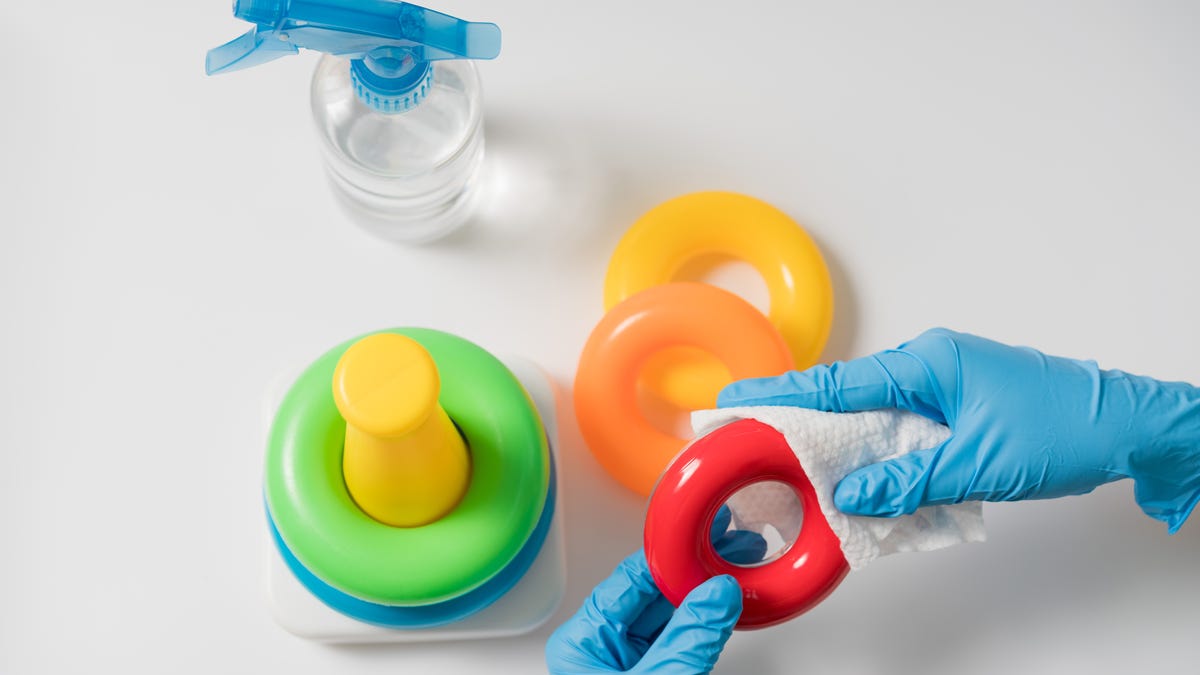
Disinfecting baby toys should be done with care. First, check if the toy is washable. Many plastic toys can be wiped with a disinfectant like Lysol. Spray lightly and let it sit for the recommended time on the label. This ensures germs are killed effectively.
Soft toys or plush items might require a different approach. Consider using a gentle soap and warm water for washing. If you use Lysol, make sure it's safe for fabrics and use sparingly. Always read the instructions carefully.
Drying And Storage Tips
After cleaning, drying toys completely is essential to prevent mold growth. Air drying is often the best method. Lay toys on a clean towel and let them dry naturally. This helps avoid any moisture-related issues.
For storage, consider using a clean basket or bin. Keep them in a dry area where they won't collect dust. Regularly check stored toys for any signs of damage or dirt. This ensures toys remain safe for your baby to enjoy.
Have you ever thought about the impact of a dirty toy on your child's health? It's a small step to clean, but it makes a significant difference. Ensuring toys are clean isn't just about hygiene; it's about peace of mind for you as a parent.
Choosing Safe Cleaning Products
Choosing safe cleaning products for baby toys is essential. Babies explore the world by touching and tasting. Their toys need to be clean and free from harmful chemicals. Parents often wonder if products like Lysol are safe for this purpose. Understanding which cleaning products are safe ensures your baby's health and safety.
Eco-friendly Options
Eco-friendly cleaning products are better for the environment. They often contain fewer chemicals. This means less chance of harmful residues on toys. Natural ingredients can clean effectively. Vinegar, for example, is a popular choice. It is both eco-friendly and safe. Baking soda is another option. It is gentle and non-toxic.
Non-toxic Brands
Non-toxic brands offer peace of mind. These products are designed with health in mind. They avoid harsh chemicals. Some popular brands include Seventh Generation and Babyganics. These products are safe for sensitive skin. They are also free from synthetic fragrances. This makes them ideal for cleaning baby toys.
Expert Opinions On Toy Cleaning
Cleaning baby toys is crucial for a healthy environment. Parents often wonder about the safest cleaning methods. Experts offer varied opinions on this topic. Understanding these insights helps make informed choices.
What Pediatricians Recommend
Pediatricians emphasize safe cleaning methods. They suggest using mild soap and water. This avoids harmful chemical exposure to babies. Lysol may contain strong chemicals. Pediatricians caution its use on toys frequently handled by babies.
Insights From Child Development Specialists
Child development specialists focus on hygiene and safety. They recommend avoiding harsh cleaning agents. Gentle cleaning solutions are preferred. Specialists highlight the importance of regular cleaning. This reduces germs and keeps toys safe.
Environmental Experts' Views
Environmental experts consider chemical impacts. They suggest eco-friendly cleaning options. These are safer for both children and the planet. Non-toxic products are recommended. Experts advise careful reading of labels. Choose products without harmful ingredients.
Consumer Safety Advocates' Advice
Consumer safety advocates stress product safety. They advise checking cleaner labels. Ensuring safe ingredients is crucial. Advocates recommend testing on a small area first. This prevents damage to toys. Safety is a top priority.
Common Practices Among Parents
Many parents use simple cleaning techniques. Homemade solutions like vinegar and water are popular. These are safe and effective. Parents prefer natural methods. They ensure toys remain safe for play.
Credit: www.cnet.com
Credit: www.lysol.com
Frequently Asked Questions
Can I Use Lysol On Baby Toys?
Yes, you can use Lysol on baby toys, but with caution. Ensure the toys are non-porous and rinse thoroughly. Always follow the manufacturer's instructions and recommendations for safe usage.
Is Lysol Safe For All Toy Materials?
Lysol is safe for hard, non-porous surfaces. Avoid using it on plush or absorbent toys. Always test on a small area first to prevent damage.
How Often Should I Disinfect Baby Toys?
Disinfect baby toys regularly, ideally weekly or when visibly dirty. Frequency depends on toy usage and exposure to germs. Always follow safe cleaning practices to protect your child.
What Alternatives Exist To Lysol For Cleaning Toys?
Alternatives include mild soap and water, vinegar solutions, or baby-safe disinfectant wipes. These options are effective and often gentler on toys, ensuring a safe environment for your baby.
Conclusion
Keeping baby toys clean is important for health and safety. Lysol can be a useful tool for disinfecting. But, always follow safety guidelines. Check toy labels for cleaning instructions. Use Lysol on hard, non-porous surfaces. Avoid using it on plush toys or items babies chew on.
Rinse toys well after disinfecting. This helps remove any residue. Remember, a clean toy can prevent germs. So, clean regularly but carefully. Safe cleaning keeps toys fun and safe for your little ones.