
You know that keeping your baby's toys clean is crucial for their health and safety. But with a busy schedule, who has the time for a deep clean?
That's where spot cleaning comes in. Imagine being able to quickly and effectively remove germs and grime from your baby's favorite toys without the hassle. It sounds like a dream, right? By learning how to spot clean, you can ensure your little one's toys are always ready for playtime.
This guide will show you simple, effective techniques to maintain cleanliness and protect your baby. Curious to know how you can achieve this with minimal effort? Keep reading to discover the secrets of efficient toy cleaning.
Types Of Baby Toys
Choosing the right cleaning method for baby toys starts with understanding the different types of toys your little one might have. Each type requires specific care to ensure they remain safe and hygienic for your baby. Whether it's the plush teddy bear your child sleeps with or the rattling plastic toy they love to shake, knowing how to spot clean these toys can make your life easier and keep your baby healthy. Let's dive into the types of baby toys you might encounter and how you can keep them clean.
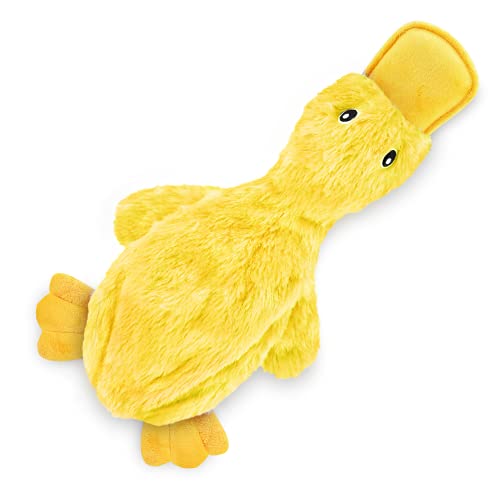
Soft Toys
Soft toys, like stuffed animals and fabric dolls, are a favorite for many children. These cuddly companions can harbor germs, especially after a bout of drooling or a spill of juice. A quick way to clean them is by using a damp cloth with mild soap to wipe down the surface. You can also use a gentle disinfectant spray designed for fabrics. Remember, some toys can go in the washing machine, but always check the label first.
Plastic Toys
Plastic toys are durable and often easy to clean. They can be wiped down with a cloth soaked in warm soapy water or a disinfectant wipe. If the toy has intricate parts, consider using an old toothbrush to reach small crevices. Would you believe that some parents simply pop plastic toys into the dishwasher? Just make sure they're dishwasher-safe before trying this.
Wooden Toys
Wooden toys are sturdy and timeless, but they need special care to avoid damage. Avoid soaking them in water; instead, use a damp cloth to spot clean. If you notice any stains, a mixture of vinegar and water can help remove them. It’s crucial to dry wooden toys immediately after cleaning to prevent warping. How do you maintain wooden toys in your household?
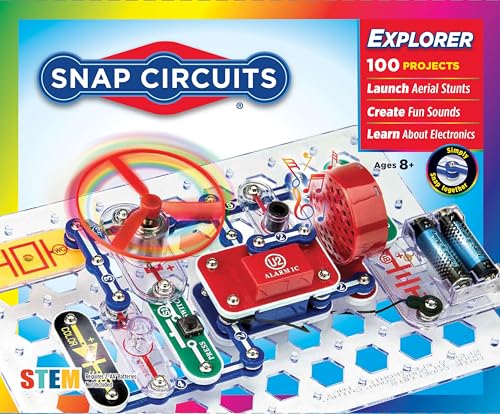
Electronic Toys
Electronic toys can be tricky since they often have batteries and circuits that shouldn't get wet. Spot clean these toys using a slightly damp cloth, ensuring you avoid the battery compartment. For stubborn grime, a cotton swab dipped in alcohol can work wonders. Always make sure the toy is turned off before cleaning to prevent any damage. Have you ever found yourself worrying about cleaning your baby's favorite electronic gadget?
Keeping baby toys clean doesn't have to be a daunting task. With these practical tips, you can ensure your child's toys are safe and ready for playtime. What's your favorite cleaning hack for baby toys?

Credit: www.whattoexpect.com
Why Spot Cleaning Matters
Spot cleaning baby toys is crucial for keeping them safe and germ-free. Regular cleaning helps prevent the spread of bacteria, ensuring a healthier playtime. Focus on removing visible dirt and stains for easy maintenance and a clean environment.
Spot cleaning baby toys is often overlooked but plays a crucial role in maintaining a healthy and safe environment for your child. It ensures that toys remain free from harmful germs and extends their lifespan, saving you money in the long run. It’s not just about keeping toys looking nice; it's about creating a safe play space for your little one.
Health And Safety
Your baby explores the world through touch and taste, making toy cleanliness vital. Germs and bacteria can easily accumulate on toys, especially those that find their way into little mouths. Spot cleaning regularly helps prevent the spread of illnesses, giving you peace of mind that your child is playing in a safe environment. Imagine picking up a toy your baby just finished chewing on. A quick wipe-down with a baby-safe cleaner can remove lingering germs. This simple act can prevent common colds and stomach bugs from spreading in your home.
Prolonging Toy Lifespan
Toys are more than just playthings; they are an investment. Regular spot cleaning maintains their appearance and functionality. It helps prevent build-up of grime and discoloration, keeping toys looking new for longer. Think about a time when you found a forgotten toy under the couch, covered in dust. A thorough spot clean can bring it back to life, making it safe and appealing for your baby again. This habit reduces the need for frequent replacements, which is both eco-friendly and economical. Spot cleaning is a small task with big rewards. Have you tried it yet? If not, what’s holding you back from giving your baby a cleaner play space today?
Spot Cleaning Materials
Spot cleaning baby toys requires the right materials. Parents want to ensure their children play with clean toys. Safe cleaning is essential. Using appropriate materials can help keep toys germ-free. Let's explore some effective spot cleaning materials.
Safe Cleaning Solutions
Start with mild soap and warm water. This combo can clean most toys safely. For a natural option, use white vinegar. It disinfects and is gentle on toys. Mix one part vinegar with one part water. Always rinse toys after cleaning. This removes any residue.
Cleaning Tools
A soft cloth or sponge works well for most toys. These tools help to scrub gently. Use a toothbrush for small parts or crevices. It can reach spots other tools miss. For plush toys, a lint roller can remove surface dirt. It is quick and easy to use. Remember, cleaning tools should be clean too. This prevents spreading germs to toys.
Step-by-step Cleaning Guide
Keeping baby toys clean is essential for a healthy play environment. This step-by-step cleaning guide will help ensure toys are safe for little ones. Understanding the cleaning process can make the task easier and more effective. Here's a simple guide to spot cleaning baby toys.
Assessing Toy Material
Start by identifying what the toy is made of. Plastic toys are easy to clean. Fabric toys need delicate handling. Wooden toys require a different approach. Check for any damage or loose parts that might need attention. Knowing the material helps decide the best cleaning method.
Preparing Cleaning Solution
Create a mild cleaning solution using water and baby-safe soap. Avoid harsh chemicals that may harm your baby. Mix the solution in a clean spray bottle. This helps control the amount used during cleaning. For fabric toys, a little baking soda in water can be effective.
Cleaning Process For Different Toys
For plastic toys, spray the cleaning solution directly. Use a soft cloth to wipe thoroughly. Rinse with clean water and dry. Fabric toys can be dabbed with a damp cloth using the solution. Ensure not to soak them. Wooden toys need gentle wiping with a damp cloth. Avoid excess water to prevent damage.
Drying And Storing
Dry toys completely before storing. Use a clean towel for drying fabric toys. Air drying is suitable for plastic and wooden toys. Store in a clean, dry area. Avoid humidity to prevent mold. Regular cleaning keeps toys safe and enjoyable for your baby.
Common Mistakes To Avoid
Keeping baby toys clean is crucial for safety. Parents often make common mistakes during this process. These errors can harm the toys or make cleaning ineffective. Understanding these mistakes is essential to ensure your baby's toys remain safe and clean.
Using Harsh Chemicals
Some cleaners contain strong chemicals that can damage toys. These chemicals may also leave residues harmful to babies. Opt for mild, baby-safe cleaning solutions. This keeps toys in good condition and safe for children.
Ignoring Toy Labels
Toy labels offer important cleaning instructions. Many parents overlook these labels and use incorrect methods. Each toy has specific materials and cleaning needs. Always check the label before cleaning to avoid damage.
Over-wetting Toys
Excessive moisture can ruin toy materials. It can cause mold or damage electronics in toys. Use damp cloths instead of soaking toys. This method ensures cleanliness without harming the toy's structure.

Credit: maggymaid.com
Frequency Of Spot Cleaning
Keeping your baby’s toys clean is crucial for their health and safety. However, how often should you spot clean these toys? The frequency of spot cleaning depends on several factors, including how often your child uses the toys and where they play. Let's explore how to determine the best cleaning schedule and the factors that influence it.
Determining Cleaning Schedule
Have you ever wondered how often you should be cleaning your child's toys? A regular cleaning schedule can help maintain a hygienic play environment. Start by observing your child's play habits. Do they love playing with certain toys more than others?
If a toy is a constant companion on your child’s adventures, it might need more frequent cleaning. Consider setting a reminder to spot clean these favorites every few days. This can prevent germs from accumulating and keep the toys fresh and safe.
Factors Affecting Cleaning Frequency
Several factors can affect how often you need to clean your child's toys. Think about where your child plays with these toys. Are they mostly played with indoors, or do they often go outside?
Outdoor play can introduce dirt and bacteria, requiring more frequent spot cleaning. Another factor is if your child is currently ill, as toys can harbor germs that might prolong sickness. In such cases, it might be wise to increase the cleaning frequency.
Finally, consider the material of the toys. Plush toys might require less frequent cleaning than plastic ones, which can be wiped down quickly. Pay attention to any signs of dirt or stickiness, as this is a clear indicator that it’s time for a clean.
Spot cleaning baby toys doesn't have to be a daunting task. By understanding your child's habits and the environment, you can set an effective cleaning routine. What’s your go-to strategy for keeping your child’s toys clean?
Maintaining Cleanliness Long-term
Spot clean baby toys by wiping them with a damp cloth. Use mild soap for extra dirt. Dry them thoroughly to prevent mold.
Keeping your baby’s toys clean is more than a one-time task. It’s an ongoing process that requires a bit of diligence and regular attention. By focusing on maintaining cleanliness long-term, you ensure your child’s playtime is safe and hygienic. Here’s how you can achieve that with ease.
Routine Checks
Regular inspections are key. Make it a habit to look over your baby’s toys every week. Check for dirt, food residues, or any sticky spots that may have accumulated. Does a toy look or feel grimy? Wipe it down immediately with a damp cloth or a baby-safe wipe. This quick action prevents the buildup of germs and keeps toys fresh. Consider involving your little one in these checks. It can be a fun way to teach them about cleanliness and responsibility. Plus, it adds a playful twist to what might otherwise feel like a chore.
Storage Tips
How you store toys can greatly affect their cleanliness. Use baskets or bins with lids to keep dust and debris at bay. This simple step can make a significant difference. Categorize toys by type or material. This organization not only makes finding toys easier but also ensures delicate or fabric-based toys are stored separately and stay cleaner. Store frequently used toys within easy reach. If they’re easy to grab, they’re also easy to put back, reducing the likelihood of toys being left on the floor, gathering dust and germs. A thoughtful question to ponder: Are your toy storage habits helping or hindering your cleaning efforts? Reflect and adjust as needed to find what works best for you and your family.
Credit: www.reddit.com
Frequently Asked Questions
How Often Should I Spot Clean Baby Toys?
Spot clean baby toys whenever they appear dirty or after each use. Regular cleaning helps prevent germ build-up and keeps toys safe. High-use toys may need more frequent cleaning. Always follow the manufacturer's cleaning instructions.
What Materials Are Safe For Cleaning Toys?
Use mild soap and water for most toys. For deeper cleaning, vinegar and baking soda are effective and safe. Avoid harsh chemicals, as they can be harmful. Always rinse toys thoroughly after cleaning.
Can I Use Bleach On Baby Toys?
Bleach can be used sparingly on hard, non-porous toys. Always dilute it with water and rinse thoroughly. Avoid using bleach on fabric or plush toys. Ensure all bleach residue is removed to keep toys safe for babies.
How Do I Clean Electronic Baby Toys?
For electronic toys, use a damp cloth with mild soap. Avoid submerging them in water. Focus on cleaning the surfaces and any reachable crevices. Ensure no moisture enters the electronic components to prevent damage.
Conclusion
Spot cleaning baby toys keeps them safe and germ-free. Focus on areas most touched by your child. Use mild soap and warm water for cleaning. Rinse thoroughly and let them dry completely. Cleaning toys regularly prevents bacteria buildup. It's simple and quick.
Make it part of your routine. Safe toys mean happy playtime for your little one. Always check labels for cleaning instructions. Some toys need special care. Keep an eye out for broken parts. Repair or discard them if needed. Your child’s health is worth the effort.
Happy cleaning!