
How to Make Educational Baby Toys? Are you searching for ways to boost your baby's learning through play? You're in the right place.
Creating educational toys at home is not only fun but also an excellent way to ensure your little one gets the best start. Imagine your child playing with toys that spark curiosity, enhance motor skills, and build problem-solving abilities—all crafted by you.
This article is your guide to transforming everyday items into powerful learning tools for your baby. Dive in and discover how simple it is to make toys that will captivate your child's imagination and support their development. Ready to unleash your creative side and give your baby the gift of learning? Let's get started!
Credit: www.mynametags.com
Benefits Of Diy Educational Toys
Creating educational baby toys at home can be fun and rewarding. DIY toys enhance creativity and learning in young minds. These homemade toys are cost-effective, customizable, and foster parent-child bonding.
Creating educational toys for your baby at home not only saves money but also offers a host of benefits that store-bought toys might not provide. DIY educational toys are crafted with love and tailored specifically to your child’s developmental needs. They offer a unique opportunity for you to bond with your little one while nurturing their growing mind.
Encourages Creativity And Innovation
When you make toys yourself, you tap into your creativity. This creativity becomes contagious. Your baby will also explore and experiment, learning to think outside the box. Imagine crafting a simple puzzle from colorful cardboard. Each piece cut with care, inviting your child to solve and reconstruct, sparking their curiosity and problem-solving skills.
Personalized Learning Experience
DIY toys can be customized to suit your child's interests and learning pace. You know your baby best, so you can tailor toys to their current skills and encourage new challenges. Consider making a sensory bag filled with safe household items. This simple toy can evolve based on your baby’s growing curiosity, offering a personalized learning tool that store-bought versions can't match.
Cost-effective
Crafting toys at home often requires materials you already have. This makes it an affordable option for parents who want to provide enriching play experiences without breaking the bank. Think about using old fabric to sew a soft book. Not only does it save money, but it also repurposes items you might otherwise discard, teaching your child the value of recycling.
Enhances Motor Skills
DIY toys often require your child to manipulate, grasp, and move objects, promoting fine motor development. These activities are crucial for your baby’s physical growth. Try creating a stacking toy with varying-sized cups. As your child learns to stack and balance them, they practice coordination and dexterity in a playful way.
Strengthens Parent-child Bond
Working on DIY projects together strengthens your bond. These moments are filled with laughter, learning, and discovery, creating memories that last a lifetime. As you sew a felt animal or paint a wooden block, you’re not just making a toy. You’re investing time in your child, showing them the joy of creation and collaboration.
Promotes Sustainable Practices
Making toys at home encourages the use of eco-friendly materials. This instills sustainable practices in your child from an early age, nurturing environmentally-conscious habits. By crafting toys from natural or recycled materials, you teach your child the importance of caring for the planet. This lesson is as valuable as the educational benefits of the toy itself. What DIY toy will you create next? Dive into your craft supplies and start a project that both you and your baby will cherish. Each creation is a step toward a brighter, more imaginative future for your child.
Choosing Safe Materials
Creating educational baby toys at home is a rewarding activity. But safety should always be the top priority. Choosing safe materials ensures your toys are both fun and secure. Understanding what materials are safe can make a big difference. Let’s explore how to select the best ones for your little one.
Non-toxic Materials
Babies love to explore with their mouths. So, using non-toxic materials is crucial. Look for items labeled as BPA-free and phthalate-free. Natural wood can be a great choice. It’s durable and often comes untreated. If using fabric, opt for organic cotton. Avoid synthetic dyes which might be harmful. Beeswax is an excellent choice for wood finishes. It’s natural and safe for babies.
Age-appropriate Selections
Consider the age of your baby when selecting materials. Infants need soft, lightweight materials. This reduces the risk of injury. Felt and soft cotton are ideal for this age. Toddlers can handle more complex toys. Choose sturdy materials like hardwood or thicker fabrics. Keep in mind choking hazards. Avoid small parts that could be swallowed. Always ensure toys are the right size for your child's age.
Simple Diy Toy Ideas
Creating educational baby toys at home is easy and fun. Use household items like cardboard and fabric to craft toys that boost learning and creativity. These simple DIY projects engage babies while aiding their development and exploration.
Crafting educational toys at home can be fun and rewarding. Parents often seek simple projects. These DIY toys nurture creativity and learning. Let’s explore some easy ideas. These toys engage your baby’s senses and stimulate their mind.
Sensory Bottles
Sensory bottles captivate with colors and sounds. Fill a clear plastic bottle with water. Add glitter, small beads, or food coloring. Seal the lid tightly with glue. Shake it and watch the magic. Babies love the swirling colors and sounds. These bottles enhance visual and auditory skills.
Soft Fabric Blocks
Soft fabric blocks are safe and soft. Use colorful fabric scraps. Cut them into squares. Sew the squares together, leaving an opening. Fill with cotton or soft stuffing. Sew the opening closed. These blocks are great for stacking and squeezing. They help develop motor skills and hand-eye coordination.
Homemade Rattles
Homemade rattles are easy to make. Use a small plastic container. Fill it with rice, pasta, or beans. Secure the lid with glue. Babies love shaking them to hear the sound. These rattles promote auditory development and muscle strength. They're simple, yet effective toys.
Enhancing Cognitive Skills
Crafting educational baby toys can enhance cognitive skills effectively. Use bright colors and different textures to stimulate a baby's senses. Simple shapes and patterns encourage problem-solving and hand-eye coordination.
Enhancing Cognitive Skills When it comes to making educational baby toys, enhancing cognitive skills is a crucial focus. Babies are natural learners, absorbing everything around them. Your toys can be the tools that help them develop essential thinking skills. By engaging in simple yet effective activities, you can spark their curiosity and aid their cognitive growth. Ever wondered how a simple toy could boost a baby's brainpower? Let's dive into some practical ideas.
Puzzle Play
Puzzle play offers a fantastic way to sharpen a baby's problem-solving abilities. You might recall a time when you saw a little one trying to fit a square peg into a round hole. The concentration on their face was priceless, wasn't it? To create a simple puzzle toy, you can use cardboard cutouts. Cut different shapes and sizes, then paint them in bright colors. This hands-on activity encourages babies to think critically and improves their hand-eye coordination.
Color And Shape Recognition
Introducing colors and shapes early on can significantly impact a baby's cognitive development. Have you ever watched a baby light up at the sight of a vibrant red or a striking blue? You can make a toy that teaches these concepts using felt or fabric swatches. Sew or glue different colored shapes onto a soft, baby-safe mat. Babies can spend hours exploring and learning to recognize the differences in colors and shapes, laying the foundation for future learning. Engage your creativity and consider how these simple activities can be integrated into your toy-making. Do you have a favorite toy from your childhood that inspired you? Maybe it's time to recreate that magic for the next generation. Your efforts could make a profound difference in a child's cognitive journey.
Promoting Motor Skills
Creating educational baby toys can help develop motor skills effectively. Simple designs like soft blocks or rattles encourage infants to grasp, shake, and explore. These activities enhance hand-eye coordination and sensory development, laying a strong foundation for future learning.
Promoting motor skills in infants is crucial for their development. These skills help babies learn how to move and control their bodies. Creating toys that encourage these skills can make playtime both fun and educational. As a parent, I remember watching my little one trying to grasp toys, and the joy when they finally succeeded. This experience taught me the importance of toys that promote motor skills. Let's explore some DIY educational baby toys that can help.
Stacking Toys
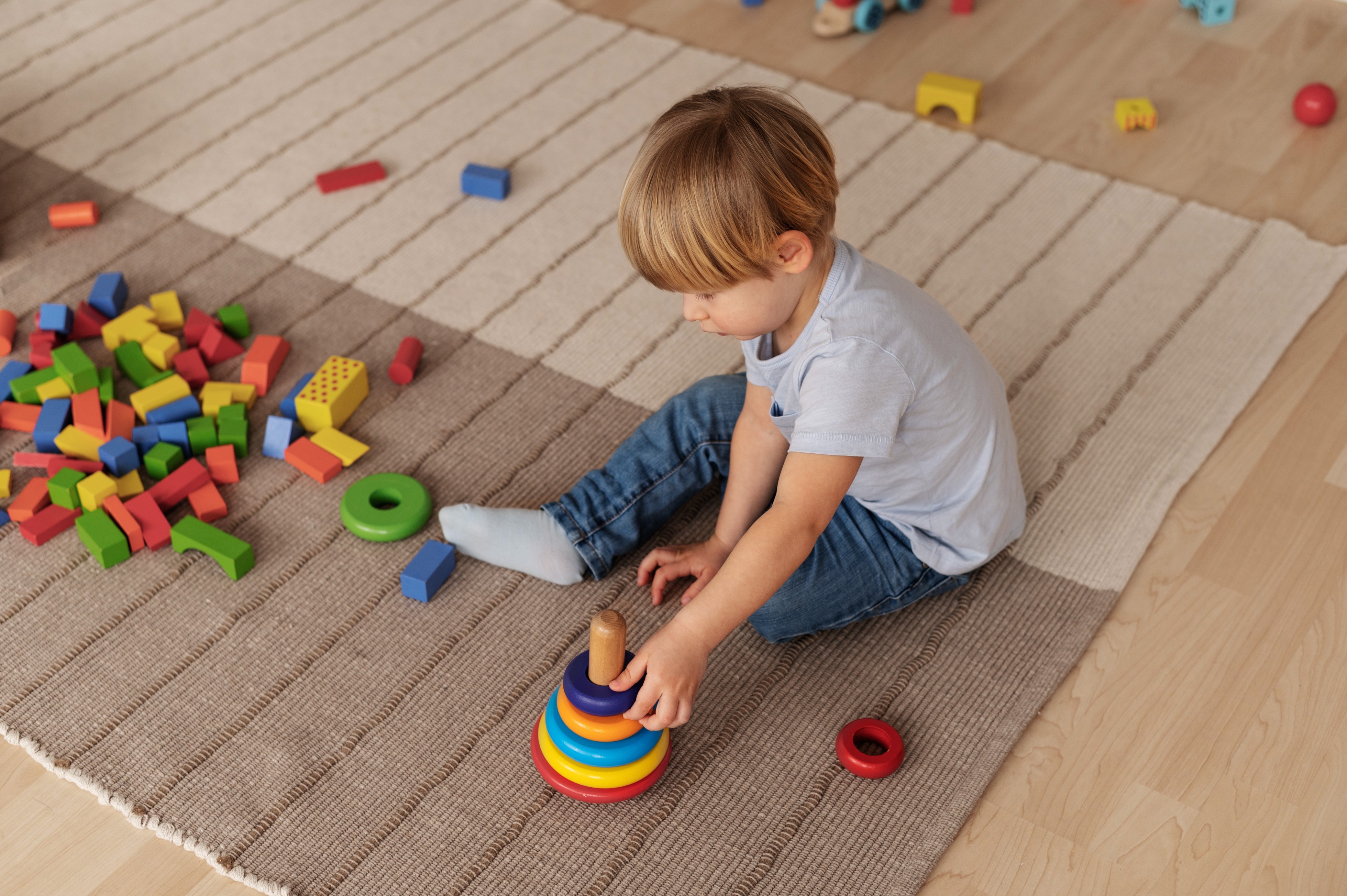
Stacking toys are fantastic for developing hand-eye coordination. You can create simple stacking toys using colorful plastic cups or cut-out cardboard rings. Arrange them in different sizes and let your child practice stacking them in order. Not only do these toys improve motor skills, but they also introduce concepts of size and order. Have you noticed how your child beams with pride after successfully stacking blocks? This simple activity boosts their confidence and problem-solving skills.
Pull-along Toys
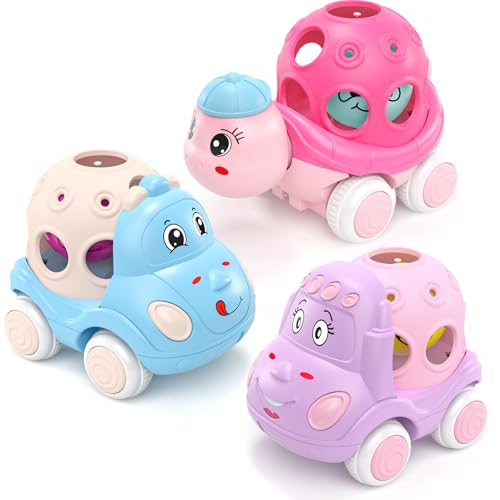
Pull-along toys are perfect for encouraging movement. You can easily make one using a small box with wheels and a string. Decorate the box with bright colors or animal shapes to catch your child's eye. When your baby pulls the toy, they practice coordination and balance. Watching your child giggle while pulling a toy across the room is a delightful moment. It's a simple yet effective way to encourage walking and exploration. Creating educational toys at home is not only economical but also offers you a chance to bond with your child. What innovative toy will you try making today?

Credit: www.pinterest.com
Encouraging Creativity
Spark a child's imagination with DIY educational toys. Use simple materials like fabric and wood. Encourage learning through play.
Encouraging creativity in your little one is one of the most rewarding aspects of parenting. When babies engage in creative play, they learn to express themselves and think critically. Making educational toys at home can be a fun way to nurture these skills. Plus, it gives you a chance to use simple materials to spark curiosity and wonder in your child’s eyes.
Diy Art Supplies
Creating art supplies at home can be both fun and educational. Simple items like non-toxic paints, homemade playdough, or finger paints can work wonders. Have you ever seen the joy on a baby's face when they make their first painting? Use everyday items like flour, water, and food coloring to make safe art materials. Let your baby explore colors by mixing them. This hands-on experience can help them learn about colors and textures while boosting their creativity.
Music And Sound Makers
Music is a wonderful tool for stimulating creativity in babies. You can make simple musical instruments with items you already have at home. For instance, a small container filled with rice can become a shaker. Invite your baby to shake, rattle, and roll these homemade instruments. Observe how they react to different sounds and rhythms. This not only entertains but also helps develop their auditory skills. Have you noticed how a simple beat can make your baby giggle with delight? Encourage your baby to create their own music. Use kitchen utensils as drumsticks or fill bottles with different materials for varied sounds. These sound experiments can be both educational and fun, making your baby more attuned to the world of music. Engage with your child during these activities. Your involvement will make the experience more meaningful and memorable. Are you ready to join the creative adventure with your baby?
Incorporating Learning Themes
Crafting educational baby toys involves integrating learning themes that foster curiosity and skill development. Colors, shapes, and textures can be combined to stimulate sensory exploration. Simple puzzles and stacking blocks encourage problem-solving, helping young minds grow while playing.
Creating educational baby toys at home is not only a fun project but also a meaningful way to engage with your child's early learning. When you add learning themes to your DIY toys, you turn playtime into a rich educational experience. Imagine watching your little one's eyes light up as they discover something new. It’s not just about making toys but creating tools that encourage curiosity and growth.
Nature Exploration
Introduce your baby to the wonders of nature through toys that reflect the environment around them. Consider making a simple sensory bottle using water, glitter, and small nature-themed items like leaves or pebbles. This can captivate your baby's attention and introduce them to different textures and colors. You can also sew fabric squares with different natural patterns—think leaves, clouds, or animals. These can be used as soft blocks or a simple matching game. Ask yourself: How can a simple toy show the beauty of the world outside?
Alphabet And Numbers
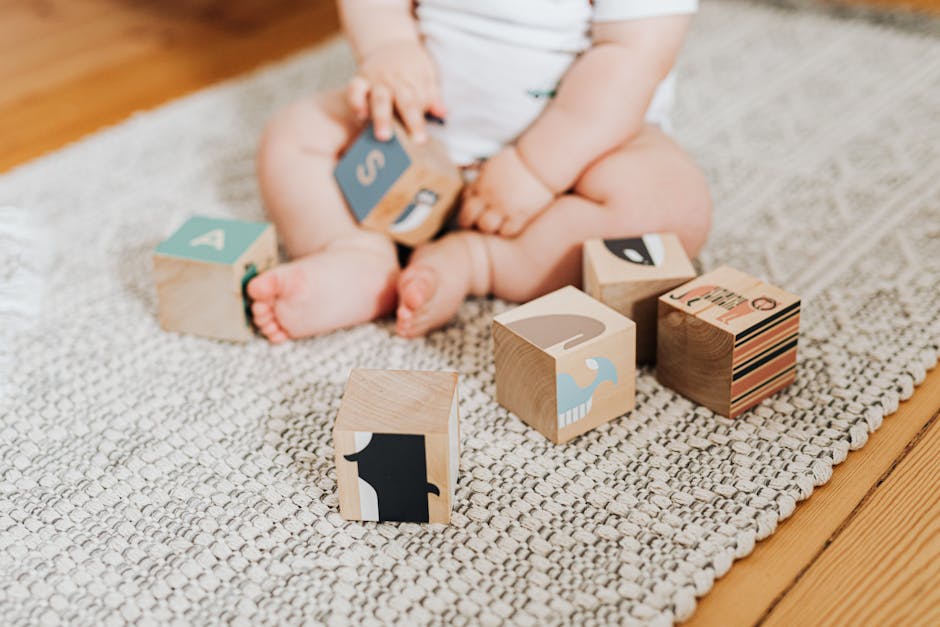
Early exposure to letters and numbers can set a solid foundation for future learning. Create a set of alphabet blocks using safe, non-toxic paint on wooden cubes. Each block can feature a letter, number, and a simple image that starts with that letter. Imagine how your child might giggle at a block with a painted apple for "A." You can also craft a soft fabric book with numbers and letters sewn onto each page. Use different colors and textures to make each page exciting. Does your baby seem more interested in colors or shapes? Tailor your designs to what captures their attention most. Encouraging learning through play doesn't have to be complex. With simple materials and creative ideas, you can create toys that nurture your baby's development in a fun and engaging way. What themes will you choose for your next DIY project?

Credit: www.amazon.com
Safety Tips For Diy Toys
Creating educational baby toys at home requires attention to safety. Use non-toxic materials and ensure parts are large enough to prevent choking. Always supervise playtime and regularly inspect toys for wear and tear.
Creating educational toys for your little ones can be both rewarding and fun. However, safety should always be your top priority. DIY toys offer a unique opportunity to customize playtime, but ensuring they are safe is crucial. Let's dive into some essential safety tips to keep your homemade toys both educational and secure.
Choking Hazards
Small parts are a significant concern when making toys for babies. Always avoid using beads, buttons, or any tiny components that could easily be swallowed. Instead, opt for larger pieces that are securely attached. Test the toy by trying to pull small parts off with your hands; if you can remove them, so can your baby. Consider the size of the toy as well. A good rule of thumb is to ensure that no part of the toy can fit through a toilet paper roll. If it can, it's too small for your little one.
Regular Maintenance
DIY toys require regular checks to ensure they remain safe. Keep an eye out for wear and tear, such as loose threads, splinters, or chipped paint. These can pose a risk to your baby's safety and need immediate fixing. Create a maintenance schedule. Perhaps every Sunday evening, take a few minutes to inspect the toys. This habit can prevent potential accidents before they happen. When using materials like fabric or wood, ensure they are non-toxic. Babies love to explore with their mouths, so safe materials are essential. Have you checked if your paint or fabric is baby-safe? It's worth double-checking before you start your next project. Engaging with your DIY toy-making process also means thinking about its longevity and safety. As you create, ask yourself: How can I make this toy as safe as it is fun?
Frequently Asked Questions
What Materials Are Best For Baby Toys?
Soft, non-toxic materials like cotton and silicone are ideal for baby toys. These materials are safe, durable, and easy to clean. Avoid small parts that can be a choking hazard. Opt for brightly colored items to stimulate visual development. Always check labels for safety certifications before purchasing or crafting toys.
How Can Toys Enhance Learning For Babies?
Toys can boost cognitive development and motor skills. Shapes and colors help babies recognize patterns, while textured toys improve touch sensitivity. Musical toys can enhance auditory skills. Interactive toys encourage problem-solving and creativity. Choose toys appropriate for your baby's age and developmental stage for maximum benefit.
Are Diy Baby Toys Safe?
DIY baby toys can be safe if made from non-toxic materials. Ensure toys don't have sharp edges or small parts. Follow safety guidelines and age recommendations when crafting. Regularly inspect toys for wear and tear. Properly constructed DIY toys can be both fun and educational for babies.
What Age Is Suitable For Educational Toys?
Educational toys are suitable from birth onwards. For newborns, focus on sensory toys like rattles. As babies grow, introduce toys that promote motor skills and problem-solving. Choose age-appropriate toys to match developmental stages. Always monitor your baby during playtime to ensure safety and engagement.
Conclusion
Crafting educational baby toys is simple and rewarding. These toys boost learning through play. They build essential skills in a fun way. You can easily use items at home. Creativity helps make engaging toys. Remember, safety is key for every toy.
Small parts can be dangerous. Always supervise playtime. Make toys colorful and interactive. Babies love bright colors and sounds. Feel free to experiment with ideas. Every toy can teach something new. Involve your child in the process. They learn best with you.
Enjoy creating these playful learning experiences!