
Imagine watching your toddler's eyes light up with curiosity as they explore the world around them. Every day, they embark on countless adventures, discovering new sights, sounds, and sensations.
But did you know that you have the power to turn these moments into a rich learning experience? Learning toys are not just playthings; they are essential tools that can shape your child's development in remarkable ways. You might wonder, why are these toys so crucial?
Well, they do more than just entertain. They spark creativity, enhance problem-solving skills, and build the foundation for lifelong learning. By choosing the right toys, you can give your toddler a head start on their developmental journey. Dive into this article to uncover the science-backed reasons why learning toys are vital for your toddler's growth and how they can transform playtime into a powerful learning experience. Let's explore how you can make the most of these magical moments with your little one.

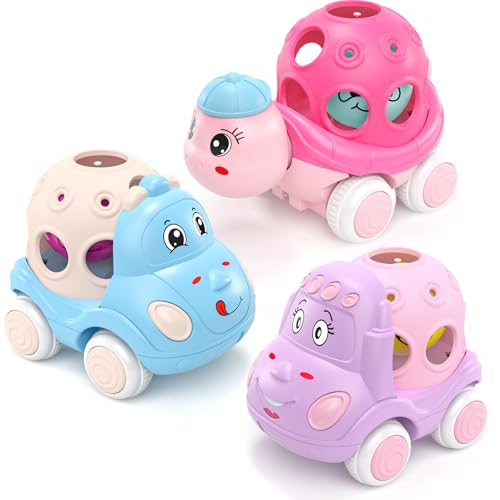
Credit: www.amazon.com
Importance Of Play In Early Childhood
Play is a vital part of early childhood development. It helps toddlers explore their world. Through play, they learn important life skills. These skills include problem-solving and communication. Play also boosts creativity and imagination. Learning toys play a big role in this process. They provide the tools for play that foster growth. Understanding the importance of play is crucial for parents and caregivers.
How Play Enhances Cognitive Development
Play stimulates the brain. It helps toddlers think and learn. Learning toys challenge their minds. They encourage curiosity and exploration. Playing with blocks, for example, teaches shapes and sizes. It also helps toddlers understand spatial relationships. These activities build a strong foundation for future learning.
Social Skills Through Play
Play offers a great way to develop social skills. Toddlers learn to share and take turns. Playing with others teaches cooperation. It also helps them learn to express emotions. Learning toys like dolls or action figures encourage role-playing. This type of play helps toddlers understand different perspectives.
Physical Benefits Of Play
Play is good for physical health too. It keeps toddlers active and moving. Toys like balls and jump ropes promote physical activity. They help develop motor skills and coordination. Physical play also boosts strength and balance. Active play is essential for healthy growth.
Emotional Development Through Play
Play helps toddlers manage emotions. It provides a safe space to express feelings. Through play, they learn to deal with frustration. They also experience joy and satisfaction. Learning toys can teach patience and perseverance. These toys help toddlers develop emotional resilience.
Cognitive Development
Toddlers benefit greatly from learning toys. These toys boost brain growth and help develop important skills. Shapes, colors, and sounds engage young minds, making learning fun.
Cognitive development is a crucial part of a toddler's growth, impacting their ability to think, learn, and understand the world around them. Learning toys play a significant role in this developmental phase. They help toddlers build essential brain functions and enhance their cognitive skills through play. But how do these toys contribute to a toddler’s cognitive growth?
Enhancing Problem-solving Skills
Learning toys are excellent tools for improving a toddler's problem-solving abilities. Imagine a simple shape sorter toy. As your child tries to fit different shapes into their respective slots, they learn to recognize patterns and develop spatial awareness. These toys encourage toddlers to think critically. They must figure out why a square doesn't fit into a circular hole. This process teaches patience and persistence. Have you ever watched a child’s face light up when they finally solve a puzzle? That’s the joy of learning in action.
Stimulating Curiosity And Exploration
Toddlers are naturally curious. Learning toys can fuel this curiosity. A toy with different textures, colors, and sounds invites exploration. It encourages them to ask questions and seek answers. Consider a toddler playing with a toy that makes animal sounds. They might press a button repeatedly to hear a lion's roar, sparking curiosity about animals and their habitats. This exploration can lead to a lifelong love for learning. When you provide toys that stimulate curiosity, you’re helping your child become an eager learner. You’re laying the foundation for a future where they’re excited to discover new things. Isn’t that something every parent hopes for? Incorporating learning toys into your child's playtime isn’t just about keeping them entertained. It’s about providing them with tools that support their cognitive development. By engaging with these toys, toddlers build essential skills that will benefit them throughout their lives.
Physical Development
Physical development in toddlers is crucial. Learning toys play a vital role. They support muscle growth and coordination. These toys offer more than just fun. They help build essential physical skills. Kids develop strength, balance, and control. The right toys make a difference. Let's explore how they aid physical development.
Improving Fine Motor Skills
Fine motor skills are small muscle movements. These include fingers and hands. Learning toys enhance these skills. Puzzles and building blocks are great. They require precise hand movements. Toddlers learn to pick and place items. This improves their finger strength. Toys like beads and strings are useful. They enhance dexterity and grip strength. Kids develop skills needed for writing later.
Promoting Hand-eye Coordination
Hand-eye coordination is key for toddlers. It links their vision and movements. Toys that promote this are vital. Stacking toys help in this area. Kids see, aim, and stack. Ball games also assist. They throw, catch, and kick. These actions sync their hands and eyes. This coordination is important for sports. It also aids daily tasks like dressing.
Emotional And Social Growth
Toddlers thrive on exploration and play, which fuels emotional and social growth. Learning toys offer engaging experiences that nurture curiosity, imagination, and interaction. Through play, children develop essential skills like sharing, empathy, and communication.
Understanding the emotional and social growth of toddlers is crucial for parents and caregivers. These early years shape how children perceive themselves and interact with the world around them. Learning toys play a pivotal role in nurturing these aspects, offering more than just fun and games.
Building Confidence And Independence
Learning toys can be a powerful tool to help your toddler build confidence. When a child successfully completes a puzzle or stacks blocks, they experience a sense of accomplishment. This boosts their self-esteem and encourages them to tackle new challenges independently. Consider a simple shape sorter. As your toddler learns to match shapes with corresponding holes, they not only develop problem-solving skills but also learn to trust their abilities. This trust in self is the foundation for their growing independence. Encouraging your toddler to play with toys that require decision-making fosters their ability to think and act on their own. With each small success, they gain the courage to explore further, setting the stage for lifelong learning and self-reliance.
Encouraging Social Interaction
Toys designed for group play are excellent for promoting social interaction. They provide opportunities for toddlers to share, take turns, and communicate. Social skills developed through play are essential for forming friendships and effective teamwork in the future. Imagine your toddler playing with a kitchen set with a friend. They learn to negotiate roles, share pretend food, and collaborate on imaginative scenarios. These interactions help them understand empathy and cooperation. You can also use toys as a medium to teach your toddler about emotions. Dolls, for instance, can be used to discuss feelings and scenarios, aiding your child in identifying and expressing their own emotions. This emotional literacy is key to developing strong social bonds. When choosing learning toys, think about how they can contribute to your child's emotional and social growth. What toys could help your toddler gain confidence or improve their social skills? Your thoughtful selections today can pave the way for their success tomorrow.
Types Of Learning Toys
Toddlers thrive with learning toys that spark curiosity. These toys develop motor skills, enhance cognitive abilities, and foster creativity. Engaging playtime nurtures social interaction and language skills, laying a strong foundation for growth.
Understanding the types of learning toys available for toddlers can make a significant difference in their development. Each toy category offers unique benefits that cater to different aspects of cognitive and physical growth. Choosing the right toys can stimulate a toddler's curiosity and enhance their learning experience. Let’s dive into some popular types of learning toys and see how they can benefit your little ones.
Educational Puzzles
Educational puzzles are fantastic for developing problem-solving skills and hand-eye coordination. They challenge toddlers to think critically as they figure out how the pieces fit together. Consider puzzles with large, chunky pieces that are easy for small hands to grasp. These encourage dexterity and improve fine motor skills. When my niece mastered her first animal puzzle, her beaming smile was priceless. It was a simple yet effective way to boost her confidence. Puzzles can also introduce concepts like shapes, colors, and numbers. This early exposure lays a foundation for more complex learning later on. Have you ever watched a toddler's eyes light up when they finally fit a piece correctly? That moment of realization is a powerful learning experience.
Interactive Books
Interactive books are more than just stories; they are gateways to imagination and learning. These books often include flaps to lift, textures to feel, or sounds to activate, making reading an engaging activity. Interactive elements keep toddlers interested and encourage them to explore the book. This exploration helps develop language skills and a love for reading. My son’s favorite book has pages that make animal sounds. Every time he hears the lion roar, his giggle fills the room, making reading time a cherished ritual. These books often include repetitive phrases and rhymes, which aid in language development. Can you imagine the joy of hearing your child repeat a phrase from their favorite storybook? It’s a small step towards language mastery.
Building Blocks
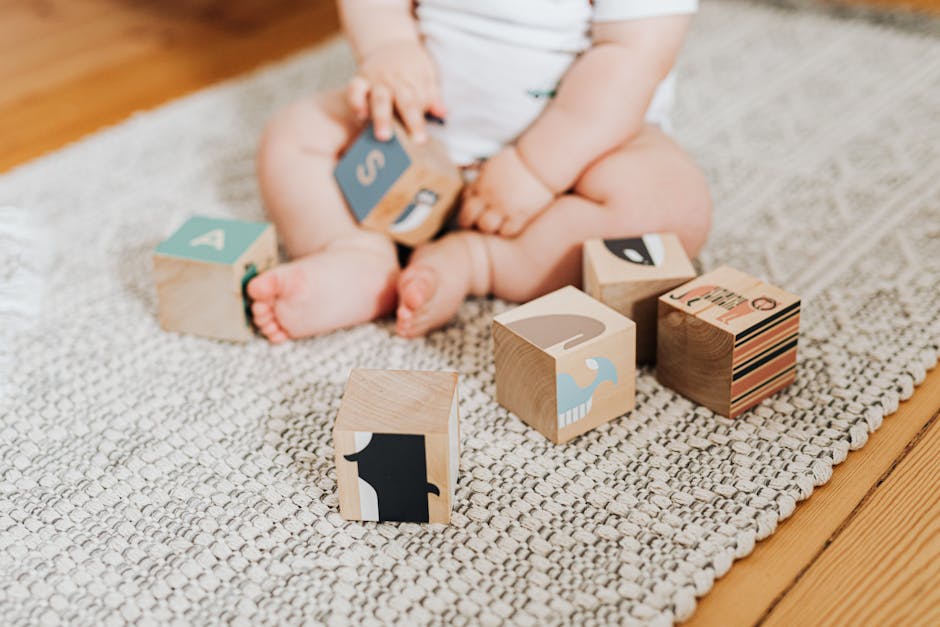
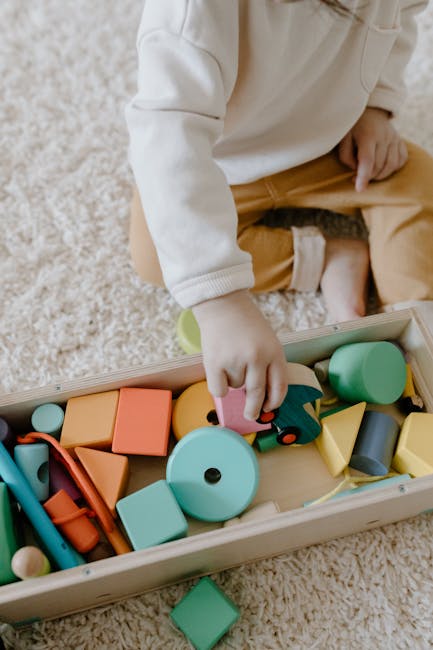
Building blocks are a timeless learning toy that fosters creativity and spatial awareness. They offer endless possibilities for construction, allowing toddlers to build anything their imagination conceives. Blocks help develop fine motor skills as toddlers stack and balance them. Every time my daughter successfully builds a tower taller than herself, she squeals with delight. It's a testament to her growing coordination and patience. These toys also teach basic principles of engineering and physics, like balance and gravity. Watching a block structure tumble can be just as educational as building it. Have you ever noticed how toddlers learn from every fall, adjusting their strategy for the next attempt? It’s a testament to their resilience and adaptability. Choosing the right learning toys can be a rewarding experience for both you and your toddler. Which type of toy do you think would engage your child the most?
Credit: skoolzy.com
Choosing The Right Toys
Choosing the right learning toys for toddlers can be challenging. Parents want toys that are fun and educational. Learning toys help children develop essential skills. They promote cognitive growth and encourage creativity. But which toys are best for your toddler? Consider two key factors: age appropriateness and safety.
Age Appropriateness
Toys should match your child's developmental stage. Each age group has different needs. For instance, one-year-olds enjoy toys with bright colors. They like simple shapes and sounds. Two-year-olds might prefer puzzles or building blocks. These toys stimulate their growing minds. Always check age labels on toys. They guide you to the right choice.
Safety Considerations
Safety is crucial when selecting toys. Look for non-toxic materials. Ensure toys have no sharp edges or small parts. Small pieces can be a choking hazard. Check the durability of the toy. Sturdy toys last longer and are safer. Always supervise playtime for extra safety. Your child's well-being comes first.
Incorporating Toys In Daily Routine
Incorporating toys into a toddler's daily routine can be beneficial. Learning toys stimulate a child's mind. They foster creativity and problem-solving skills. By weaving these toys into everyday life, parents can boost a child's development. It's not just about play; it's about growth and learning.
Structured Playtime
Structured playtime provides toddlers with a sense of routine. Set aside specific times for play each day. This helps children know what to expect. During these sessions, introduce different learning toys. Rotate toys to keep them engaged. Use puzzles, blocks, or sorting games. Each toy offers unique learning opportunities. These activities build focus and concentration.
Integrating Learning In Everyday Activities
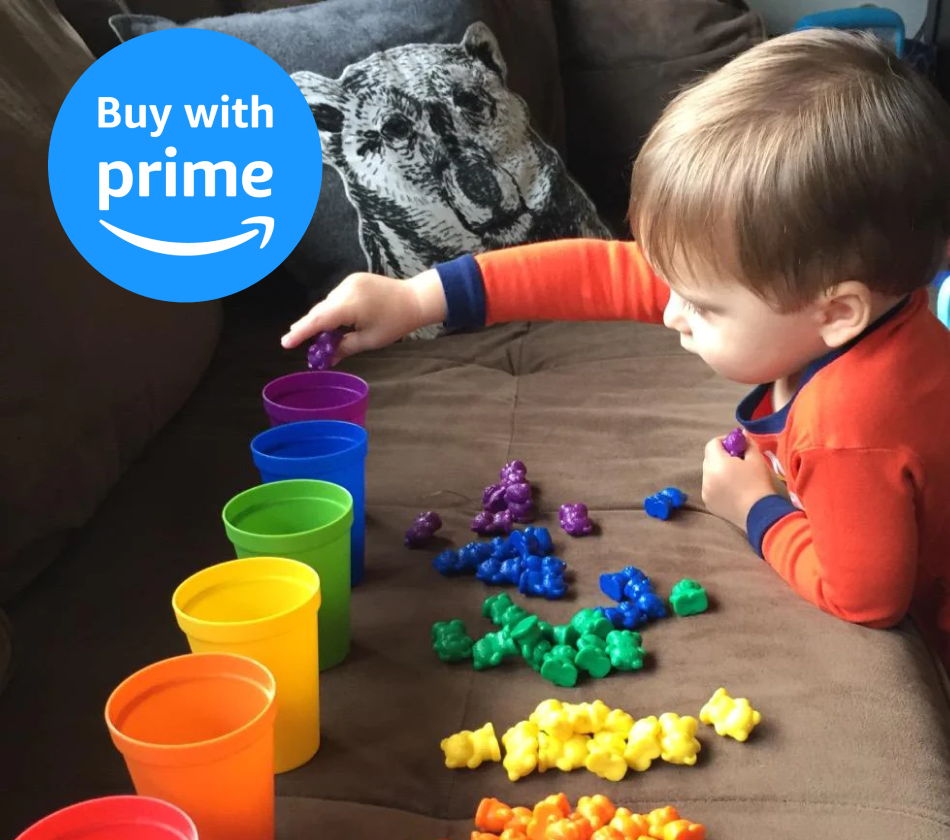
Learning doesn't have to be formal. Use everyday activities as teaching moments. During meal times, count pieces of fruit together. Bath time can include floating toys to teach buoyancy. When outdoors, collect leaves and talk about colors. These moments make learning a natural part of life. Toys can aid in these scenarios. A simple toy car can teach motion and speed. A dollhouse can spark creativity and storytelling. Through these activities, toddlers learn naturally. It enriches their understanding of the world.

Credit: www.amazon.com
Benefits For Parents And Caregivers
Learning toys play a crucial role in a toddler's development. They engage young minds, boost creativity, and improve problem-solving skills. Parents and caregivers see benefits as these toys foster independence and confidence in toddlers.
Introducing learning toys into a toddler's world brings joy and growth. These toys offer countless benefits for parents and caregivers. They serve as tools for fostering deep connections. They also provide a unique window into a child's development. Let's explore how these toys bring joy and value to every caregiving experience.
Strengthening Parent-child Bond
Learning toys create moments of shared joy. Parents and toddlers play and explore together. This shared time strengthens emotional ties. It also builds trust and understanding. As parents engage, they show love and attention. These moments nurture a sense of security in children. The bond grows stronger with each interaction.
Observing Developmental Milestones
Learning toys offer insight into a child's growth. Parents can watch as skills develop. They notice new abilities and strengths. Observing milestones brings satisfaction and pride. It helps caregivers understand a child’s unique pace. This awareness aids in nurturing further growth. Toys become tools for tracking progress. Parents gain confidence in their role. They feel more connected to their child's journey.
Frequently Asked Questions
What Are Learning Toys For Toddlers?
Learning toys are designed to stimulate toddlers' brains. They help develop cognitive, motor, and social skills. These toys include puzzles, building blocks, and musical instruments. They encourage exploration and creativity. Learning toys lay the foundation for lifelong learning. They make education fun and engaging for toddlers.
How Do Learning Toys Benefit Toddlers?
Learning toys boost cognitive, physical, and social skills. They enhance problem-solving and critical thinking abilities. These toys improve hand-eye coordination and fine motor skills. They encourage social interaction and cooperation. By engaging toddlers, they make learning enjoyable. Learning toys support overall developmental milestones effectively.
Are Educational Toys Suitable For All Toddlers?
Yes, educational toys suit most toddlers. They cater to various developmental stages and interests. Parents should choose toys appropriate for their child's age and abilities. Safety is essential; ensure toys meet safety standards. Observing your child's preferences can guide toy selection.
Educational toys offer diverse benefits universally.
How To Choose The Best Learning Toys?
Consider age and developmental stage when selecting toys. Look for toys that encourage creativity and problem-solving. Choose toys that grow with your child. Ensure safety standards are met. Opt for toys that promote interaction and communication. Variety keeps engagement high.
Always prioritize quality and durability.
Conclusion
Learning toys help toddlers grow in many ways. These toys boost creativity and help them think. They also teach problem-solving skills. Toddlers learn to share and play with others. Their motor skills improve with hands-on play. Each toy offers new experiences and challenges.
Parents see their child's progress and joy. Choosing the right toys matters. It shapes how toddlers learn and grow. Parents should look for toys that match their child's needs. Investing in learning toys is investing in their future. Simple toys can make a big difference.
Let's help toddlers explore and learn happily.


