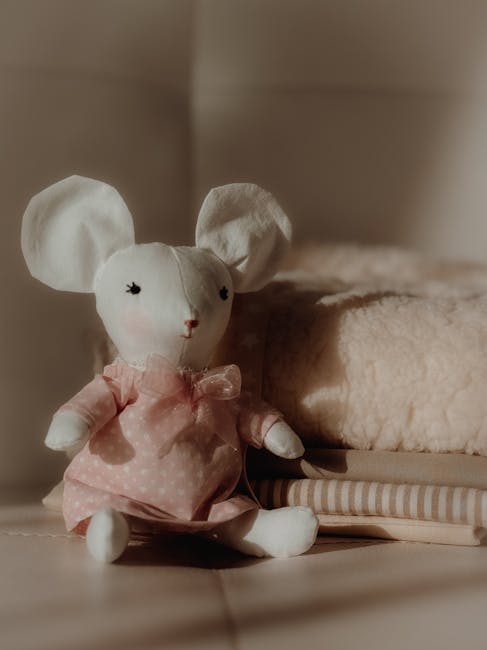
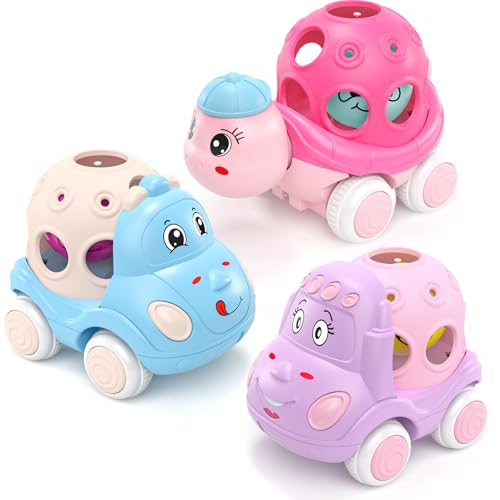
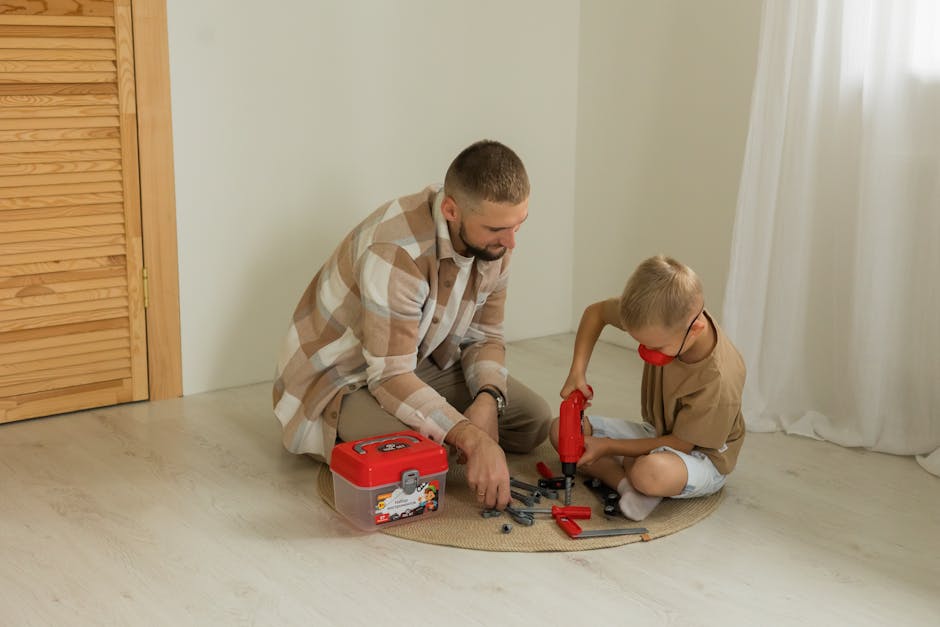
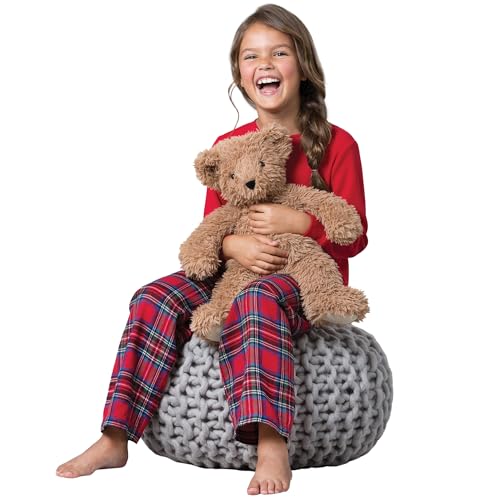

Are baby toys safe? It's a question that’s likely crossed your mind as you watch your little one reach for that colorful rattle or soft plush bear.
You want to ensure every item your baby touches is as safe as it is engaging. After all, those toys aren’t just playthings; they’re tools for learning and growth. But with so many choices on the market, how do you navigate the aisles with confidence?
We’ll uncover the secrets to selecting toys that are not only fun but also safe for your baby. Keep reading to discover how you can make informed choices and give your child the best start in life. Your peace of mind and your baby’s safety are just a few scrolls away.
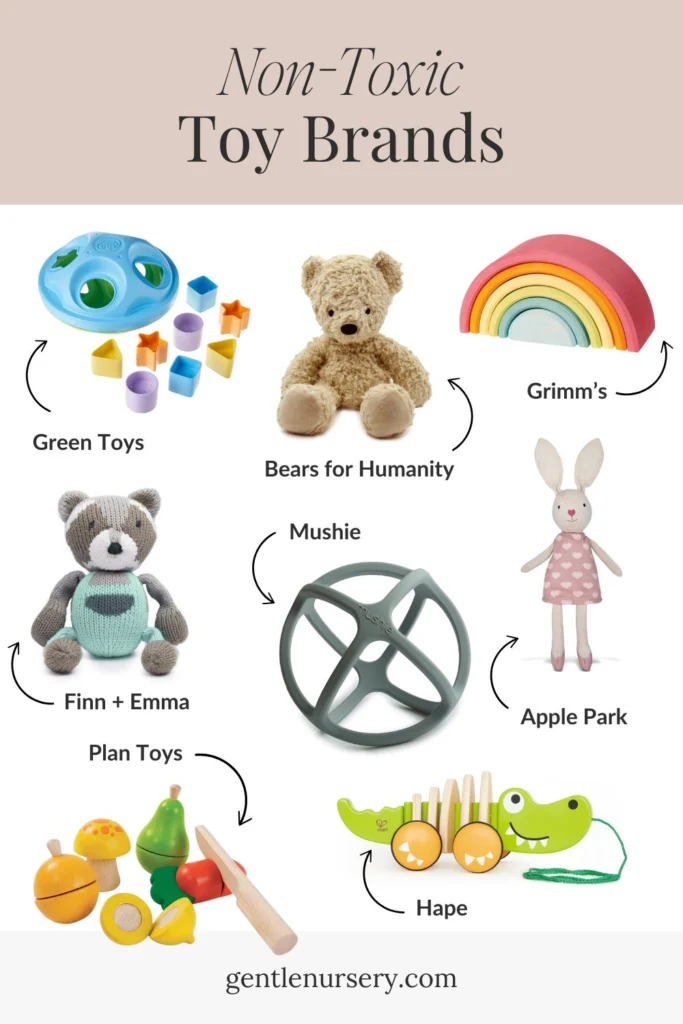
Credit: www.gentlenursery.com
Choosing Safe Materials
Choosing safe materials for baby toys is crucial for your child's health. Toys often end up in your baby's mouth. So, it's vital to select items made from safe materials. This reduces the risk of harmful chemicals and choking hazards.
Non-toxic Options
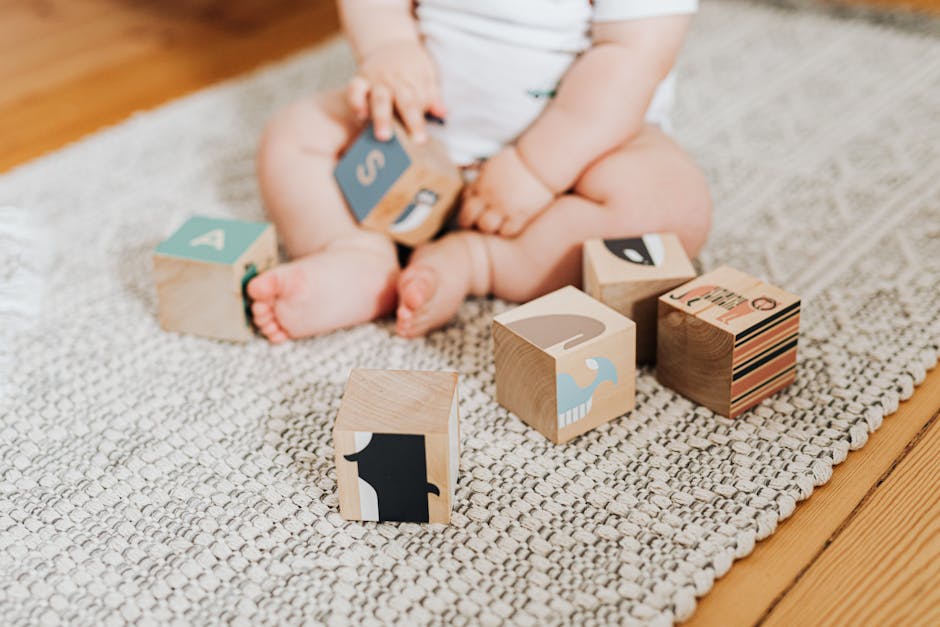
Opt for toys labeled as non-toxic. Many toys are made from plastics that contain harmful chemicals. Look for toys made from organic cotton or BPA-free plastics. These materials are safer for your baby to chew and play with. Wooden toys can also be a great option. Ensure they are painted with non-toxic paints.
Avoiding Small Parts
Small parts can pose a choking hazard. Choose toys with large pieces that can't fit in your baby's mouth. Check for securely attached pieces. Loose buttons or small detachable parts can be dangerous. Always review the manufacturer's age recommendations. They help you avoid toys that may contain small, unsafe pieces for young babies.
Age-appropriate Toys
Choosing the right toy for your baby is crucial. Toys should match your baby's age and abilities. This ensures safe play and encourages learning. Properly chosen toys can aid in development. They help in building cognitive and motor skills. Safety is the top priority with baby toys. Let's explore age-appropriate toys for your child.
Developmental Stages
Babies grow rapidly in their first years. Each stage needs different toys for learning. For newborns, simple rattles and soft toys work well. These stimulate senses and provide comfort. As babies grow, introduce toys that promote movement. Crawling mats and activity gyms are great for this. Toddlers enjoy puzzles and building blocks. They enhance problem-solving and creativity. Select toys that support their current growth phase.
Choking Hazards
Choking hazards are a serious concern with baby toys. Toys with small parts can be dangerous. Always check the size of toy parts. Avoid toys with detachable pieces for babies under three. Inspect toys regularly for wear and tear. Broken toys may have sharp edges or small pieces. Always follow age recommendations on toy packaging. They are there to keep your child safe.
Checking For Recalls
As a parent, ensuring the safety of your child's toys is a top priority. It's essential to stay vigilant about toy recalls, which can alert you to potential dangers. Checking for recalls may seem daunting, but it’s a straightforward process that can protect your child from harm. Let’s dive into how you can keep updated and where to find this crucial information.
Staying Updated
Keeping tabs on toy recalls is easier than you might think. Many organizations regularly update their websites with recall information, making it accessible to everyone. You can sign up for email alerts from sites like the Consumer Product Safety Commission (CPSC) so you'll always be in the loop.
Regularly checking these resources can become part of your routine. Consider setting a monthly reminder on your phone. This way, you won’t miss any important updates that could affect your child's toys. Have you ever found yourself wondering if a toy your child loves has been recalled? Staying updated can ease your mind.
Where To Find Recall Information
There are several reliable sources for toy recall information. The Consumer Product Safety Commission (CPSC) is a great starting point. Their website provides comprehensive lists of recalls and safety alerts.
Another useful resource is the manufacturer's website. Many companies post recall notices directly on their sites. This can be particularly helpful if you have a favorite brand or specific toy in mind.
Social media can also be a valuable tool. Follow reputable safety organizations and manufacturers to catch updates in real-time. Sometimes, a simple scroll through your feed can reveal a recall you might have missed elsewhere.
By using these resources, you can ensure that your child's toys remain safe. Do you have a system in place to check for recalls? If not, it might be time to start one. Your child's safety could depend on it.
Inspecting Toys Regularly
Ensuring the safety of baby toys is crucial. Regular inspection keeps toys safe for play. It helps catch potential hazards early. This practice ensures your child's well-being and peace of mind. Each toy should be checked frequently. Small damages can pose big risks. Let's explore how to inspect toys effectively.
Signs Of Wear And Tear
Look for broken parts. Loose pieces can be dangerous. Check for sharp edges. They can cause injuries. Examine the toy's surface. Are there any cracks? Cracks can hide germs. Inspect seams on soft toys. Open seams can expose stuffing. Stuffing can be a choking hazard. Worn-out toys should be repaired or discarded promptly.
Importance Of Routine Checks
Routine checks ensure toys stay safe. They help spot issues early. Regular inspections build good habits. They reinforce the importance of safety. Toys experience wear over time. Inspections help maintain their condition. Safe toys mean safer playtime. Parents can relax knowing toys are checked often. It keeps playtime fun and secure.
Understanding Labels And Certifications
When shopping for baby toys, one of the most important aspects to consider is safety. Understanding labels and certifications can be a helpful guide in ensuring the toys you select are safe for your child. These labels provide essential information about the toy's safety standards and potential risks. But how do you decipher them effectively? Let’s delve into the key elements you should look for when reading labels and certifications.
Recognizing Trusted Certifications
Have you ever noticed symbols like CE or ASTM on toys? These aren't just random marks—they signify that the toy meets specific safety standards. The CE mark indicates conformity with European health, safety, and environmental protection standards. Meanwhile, ASTM standards are widely recognized in the United States for product safety.
Knowing these certifications can empower you to make informed choices. You might find that a toy with a CE mark gives you peace of mind, especially when considering toys from international brands. Next time you pick up a toy, check for these marks to ensure it complies with rigorous safety requirements.
Reading Warning Labels
Warning labels on toys often include crucial information about age appropriateness and choking hazards. It's easy to overlook these details, but doing so could lead to safety issues. For instance, a toy marked for ages 3 and up might contain small parts unsuitable for younger children.
Consider how these warnings fit into your child's play environment. If a toy indicates it should not be used near water, ensure it stays out of the bath. Questions like these can prompt proactive safety measures. Are you checking these labels before purchasing?
Understanding labels and certifications is not just about ticking boxes; it's about safeguarding your child's playtime. By recognizing trusted certifications and carefully reading warning labels, you can provide a safe and joyful play experience for your little one. Take the time to learn these details, and you'll find shopping for toys becomes a reassuring experience rather than a daunting task.
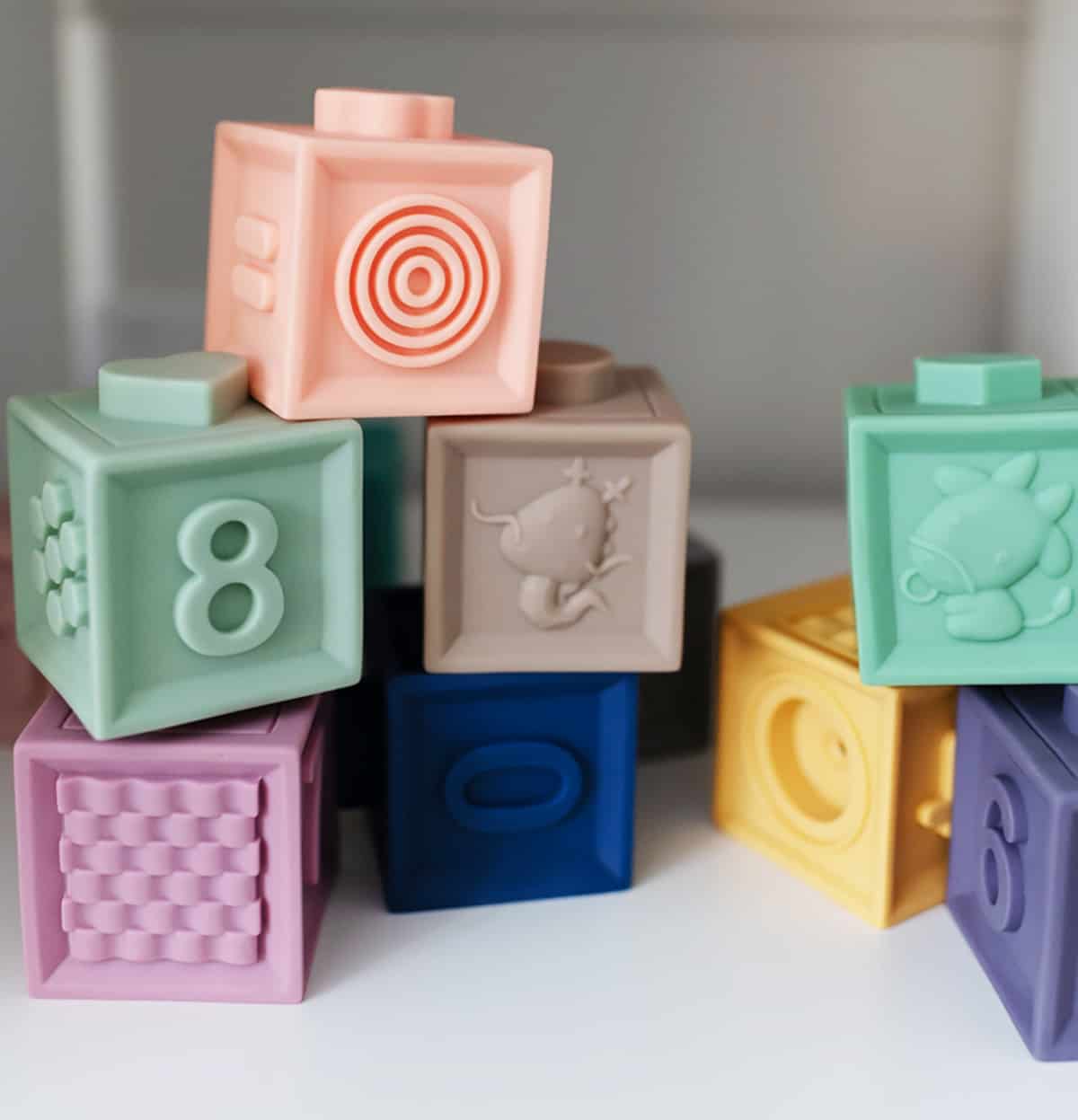
Credit: lexiscleankitchen.com
Safe Toy Storage
Ensuring baby toys are stored safely is crucial for child safety. Safe toy storage helps keep play areas tidy and prevents accidents. Proper organization also makes playtime more enjoyable for both children and parents.
Organizing Play Areas
Keep toys in designated areas to avoid clutter. Use bins and shelves to organize toys efficiently. Labels can help children identify where each toy belongs. This encourages them to clean up after playtime. Choose storage solutions that are easy for children to access. This promotes independence and responsibility.
Preventing Accidents
Avoid placing toys in walkways or staircases. This reduces the risk of trips and falls. Ensure shelves are secured to the wall. This prevents them from tipping over. Use soft storage containers for heavy or large toys. This minimizes injury if a child pulls them down.
Check toy boxes for sharp edges or loose parts. Safety should be a priority in all storage choices. Regularly inspect storage areas for hazards. This includes ensuring lids are lightweight and easy to open. Children should not struggle to access their toys.
Supervised Playtime
Supervised playtime with baby toys is crucial for child safety. Parents play a vital role in ensuring a safe play environment. By engaging actively, parents can prevent potential hazards. Supervised playtime enhances both safety and learning experiences for babies.
Active Parental Involvement
Parental involvement transforms playtime into a learning opportunity. Watching your child helps you understand their preferences. It also allows you to notice any toy-related risks. Choose age-appropriate toys and stay present during play. Active involvement fosters a secure and joyful experience.
Creating A Safe Environment
Setting up a safe play area is essential. Ensure the space is free from small objects and sharp edges. Use safety gates or barriers to limit access to unsafe areas. Regularly check toys for wear and tear. A clean and organized space reduces accidents.

Credit: www.amazon.com
Frequently Asked Questions
Are All Baby Toys Safe For Infants?
Not all baby toys are safe for infants. It's crucial to check age recommendations. Avoid small parts that can cause choking. Choose toys made from non-toxic materials. Regularly inspect toys for wear and tear. Always supervise playtime to ensure safety.
What Materials Are Safe For Baby Toys?
Baby toys should be made from non-toxic materials. Look for BPA-free plastics, organic cotton, and natural wood. Ensure paints and finishes are lead-free. Avoid toys with harmful chemicals. Check for certifications like ASTM or CPSC for safety standards. Always prioritize your baby's health and safety.
How Often Should Baby Toys Be Cleaned?
Clean baby toys regularly to maintain hygiene. Wash plastic toys with soap and water weekly. Use a damp cloth for wooden toys. Soft toys can be machine washed. Always follow manufacturer's cleaning instructions. Regular cleaning prevents germ buildup and keeps your baby safe.
Can Old Toys Be Harmful To Babies?
Old toys can pose risks to babies. They might contain banned substances like lead. Wear and tear can create small parts or sharp edges. Check for safety recalls on older toys. Regularly inspect for damage or degradation. It's safer to update toys as needed.
Conclusion
Baby toys can be safe with the right choices. Always check safety labels. Choose toys suitable for your child's age. Regularly inspect toys for damage. Broken toys can be risky. Clean toys often to remove germs. Avoid toys with small parts for young kids.
Supervise playtime to ensure safety. Read reviews and research before buying. Safety standards exist for a reason. Trust your instincts as a parent. Safe toys lead to happy playtime. Prioritize your child's well-being above all. Keep safety in mind, always.