



When Do Babies Begin to Play With Toys?
Have you ever wondered when your little one will start engaging with toys? As a new parent, it’s exciting to think about the day your baby reaches for that first colorful rattle or soft plush toy.
Understanding when babies begin to play with toys isn't just about marking a milestone; it's about unlocking a world of discovery and learning for your child. By knowing what to expect, you can choose the right toys that will not only captivate your baby’s attention but also support their development.
Dive into this article to find out when your baby is likely to start playing with toys and learn how to make the most of this fascinating stage in their growth. Your journey into the joyful world of baby playtime starts here, and you won't want to miss a single detail.

Credit: www.itzyritzy.com
Early Sensory Exploration
Babies start playing with toys around three to four months old. They explore textures, colors, and sounds. This early sensory play supports their development and curiosity.
Babies are little explorers from the moment they are born. Their curiosity fuels their early sensory exploration. As they begin to interact with the world, toys become essential tools in their development. These colorful and engaging objects are more than just entertainment; they're gateways to learning, understanding, and mastering new skills.
What Does Early Sensory Exploration Look Like?
Early sensory exploration is all about babies using their senses to understand the world. They touch, see, hear, and even taste their toys. Think of a baby grabbing a soft, crinkly toy. Their tiny fingers and eyes light up with excitement. This process helps them connect actions to outcomes. Every toy introduces new textures, sounds, and colors. Even a simple rattle can be an exciting discovery. As your baby shakes it, they learn cause and effect. This sensory play lays the foundation for more complex problem-solving skills later in life.
Why Is Sensory Exploration Important?
Engaging with toys through sensory exploration has more benefits than you might expect. It boosts brain development and enhances motor skills. When babies handle toys, they're practicing coordination. This kind of play builds cognitive abilities. Babies learn about the world through touch and sound. Sensory exploration also nurtures emotional growth. It's fascinating how a favorite toy can soothe a fussy baby.
How Can You Encourage Sensory Exploration?
Start by introducing a variety of toys with different textures and sounds. Look for soft toys, ones that make gentle noises, or have bright colors. These can stimulate your baby's senses and keep them engaged. Create a safe play environment where your baby can explore freely. Supervision is key, but allow them the space to discover. Your presence offers comfort and encouragement as they navigate new experiences. Encourage interaction by playing alongside your baby. Show them how a toy works, but let them lead their exploration. Your involvement can enhance their learning process. Isn't it amazing how something as simple as a toy can shape your baby's world?
Grasping And Holding
Babies begin to explore their world with their tiny hands. Grasping and holding are key milestones in this journey. These skills open the door to interaction with toys and other objects. As babies develop, their ability to hold and manipulate toys evolves. This playful exploration aids their growth and understanding of the world around them.
Grasping Reflex
Newborns have a natural grasping reflex. It's an instinctive action where they close their fingers around any object placed in their palm. This reflex is strong but fades after the first few months. As this reflex diminishes, intentional grasping emerges.
Developing Motor Skills
Between three to four months, babies start developing motor skills. They begin to reach out and grasp objects voluntarily. This stage marks the shift from reflexive to purposeful actions. Babies now try to hold toys and explore their textures.
Improving Hand-eye Coordination
Hand-eye coordination improves as babies grow. By five to six months, they can direct their hands towards toys. This coordination enables them to bring toys closer for a better look. They also start passing toys from one hand to the other.
Grip Strength And Control
By seven to nine months, grip strength and control enhance. Babies can now hold objects with more precision. They enjoy picking up smaller toys and examining them closely. This period is crucial for their tactile exploration.
Encouraging Play
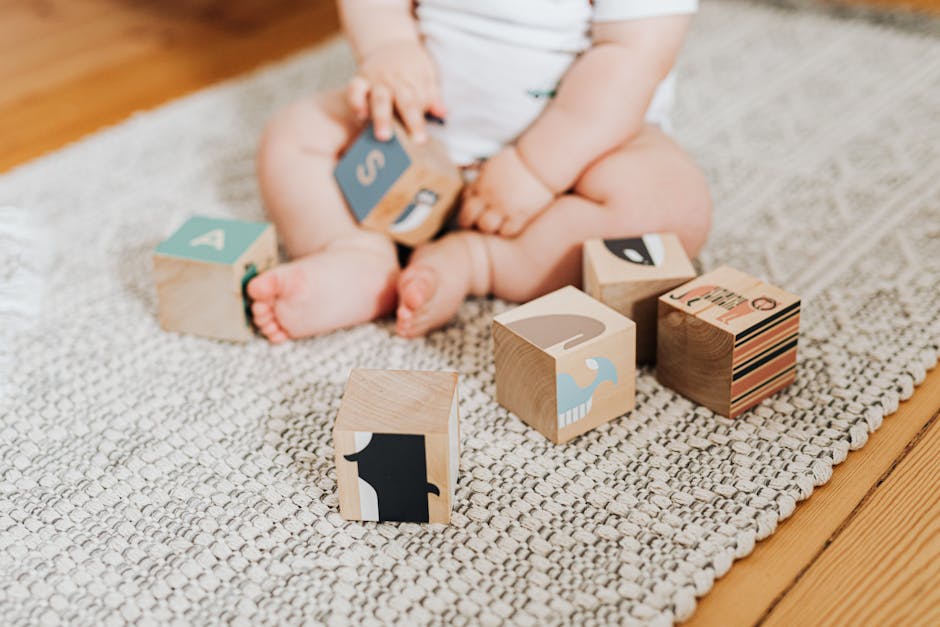
Parents can encourage play by offering a variety of toys. Choose toys that are easy to grasp and safe to explore. Soft blocks, rattles, and textured toys are excellent choices. These toys stimulate their senses and support developmental milestones.
Interactive Play
Interactive play is a crucial stage in a baby's development. This phase involves babies actively engaging with toys and their surroundings. It promotes learning and enhances motor skills. Babies begin to interact with toys at different stages, depending on individual growth.
Understanding Interactive Play In Babies
Interactive play usually starts around three to six months. During this time, babies show interest in objects and toys. They start by reaching out and grasping items within their reach. This marks the beginning of their exploration journey.
Benefits Of Interactive Play
Interactive play helps babies develop cognitive abilities. It encourages problem-solving as they figure out how toys work. It also boosts fine motor skills as they learn to manipulate objects. Social skills are enhanced when they play with others or mimic adults.
Choosing The Right Toys
Select toys that are safe and appropriate for your baby's age. Soft, colorful toys with different textures are ideal. They stimulate senses and keep the baby engaged. Toys that make sounds or have moving parts can capture attention effectively.
How To Encourage Interactive Play
Spend time playing with your baby. Demonstrate how to use toys and interact with them. Encourage imitation and praise their efforts. This builds confidence and motivates them to explore more.
Signs Your Baby Is Ready For Interactive Play
Look for cues like reaching out for toys or responding to sounds. Babies may also show excitement when interacting with objects. These signs indicate readiness for more complex interactive activities.

Credit: www.itzyritzy.com
Exploring Cause And Effect
Babies start interacting with toys around three to four months old. This is when their curiosity peaks. They grasp, shake, and explore toys, boosting their sensory and motor skills.
Understanding when babies begin to play with toys is a fascinating journey into their development. One of the most exciting aspects is how they explore cause and effect through play. Watching a baby discover that shaking a rattle makes a sound or that pressing a button lights up a toy is a delight. This exploration is not only entertaining but crucial for their cognitive growth. Let's dive deeper into how this unfolds.
Recognizing Cause And Effect
Babies first start to recognize cause and effect around four to six months. During this period, they become curious about how their actions can influence the world. You might notice your little one repeatedly dropping a toy just to see you pick it up. This isn't just a game; it’s their way of understanding that their actions cause reactions.
Interactive Toys And Their Impact
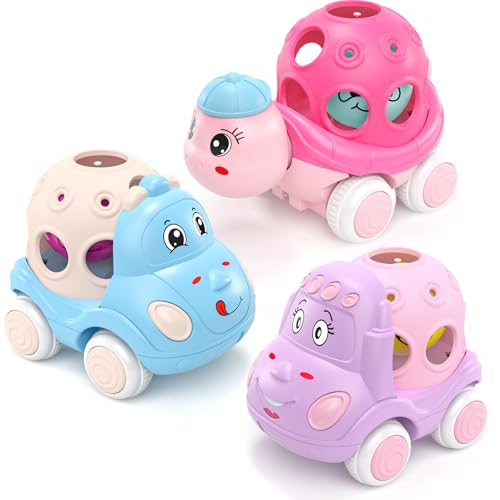
Interactive toys play a significant role in this stage. Toys with buttons, levers, or parts that move when touched are excellent for teaching cause and effect. Imagine a toy piano that plays music when keys are pressed. Your baby will quickly learn that their action leads to a delightful sound. This not only entertains but also encourages them to experiment with their environment.
Encouraging Curiosity And Learning
As a parent, you can encourage this learning by providing a variety of toys that offer different cause and effect experiences. Offer toys that make noise, light up, or move in response to your baby's actions. Engage with your baby during playtime. Show them how a toy works and then let them try it. This shared playtime strengthens your bond and enhances their learning.
Personal Experiences To Share
I remember my own child’s fascination with a simple jack-in-the-box. Each time they turned the crank and the clown popped out, their eyes widened with surprise and joy. This simple toy taught them about anticipation and reaction. Have you noticed similar moments with your child? These are not just precious memories but important learning milestones.
Questions To Ponder
Have you ever wondered how these early play experiences shape future learning? Or how a simple action like pressing a button can lay the groundwork for understanding more complex concepts later in life? Think about the toys your baby interacts with daily. Are they fostering a sense of curiosity and discovery? Reflect on these questions as you observe your baby's play. By providing diverse experiences and engaging with your child, you can support their understanding of cause and effect. These playful moments are building blocks for their future learning and development.
Imaginative Play
Babies start playing with toys around three to four months old. Soft toys and rattles catch their interest first. These simple toys help develop their senses and motor skills.
Imaginative play is a crucial part of your baby's development, sparking creativity and aiding in cognitive growth. As babies grow, they start to interact with their surroundings in more complex ways, turning simple toys into tools for exploration and imagination. This stage of play is not just about fun; it's a foundational aspect that nurtures problem-solving skills and emotional understanding.
What Is Imaginative Play?
Imaginative play involves your baby using toys to mimic real-life scenarios or create fantasy worlds. It starts when they begin to see toys as more than just objects to chew or shake. A stuffed animal might become a friend or a superhero in their eyes. Think about the way a toddler can turn a simple block into a car or a phone. It's fascinating to witness how they use their imagination to transform everyday items into symbols and stories.
Signs Your Baby Is Ready For Imaginative Play
You might notice your baby starting to babble in a way that sounds conversational. They might hold toys and move them around, acting out scenarios. These are signs that your little one is engaging in imaginative play. Observe how they interact with others or even with toys alone. They may start assigning roles or creating narratives without guidance. This is a sign their brain is processing complex ideas and emotions.
Encouraging Imaginative Play
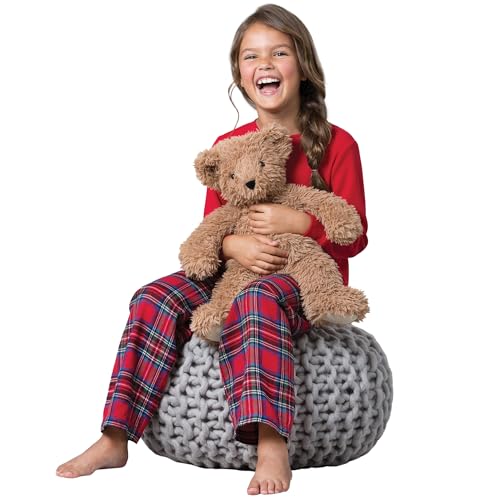
Encouraging imaginative play doesn't require expensive toys. Simple items like dolls, cars, or blocks can stimulate creativity. Create a safe space where your baby feels free to explore and express themselves. Join in their play by asking questions like, "What is your teddy doing today?" This invites them to think deeper and share their ideas. You might be surprised at the stories they come up with!
The Benefits Of Imaginative Play
Imaginative play is more than just a pastime; it builds essential skills. Your baby learns to understand the world, develop language, and navigate social interactions. They practice empathy by imagining different scenarios and feelings. Consider how these skills will serve them later in life. The ability to think creatively and empathize with others is invaluable. It lays the groundwork for a successful and fulfilling future.
Creating An Environment For Imaginative Play
You can foster imaginative play by providing diverse toys and props. Everyday items, like kitchen utensils or old clothes, can become tools of imagination. Rotate toys to keep things fresh and exciting. Think about how you can engage in their world. Participate in their stories and encourage them to explore different roles and scenarios. This not only boosts their creativity but also strengthens your bond.

Credit: www.habausa.com
Social Play Dynamics
Understanding social play dynamics is vital for parents and caregivers. Babies don't just play with toys; they engage in social play. This type of play helps them learn about relationships and communication. Social play dynamics offer insights into how babies interact with their environment and people around them.
Understanding Social Play
Babies start showing interest in toys around three months. At this stage, they enjoy watching toys move. They often smile or giggle, which shows engagement. Interaction becomes more complex as they grow.
Recognizing Play Patterns
Babies can hold toys and explore them by six months. They might shake a rattle or chew on teething toys. These actions are early forms of play patterns. Observing these patterns can help understand a baby's preferences.
Encouraging Interactive Play
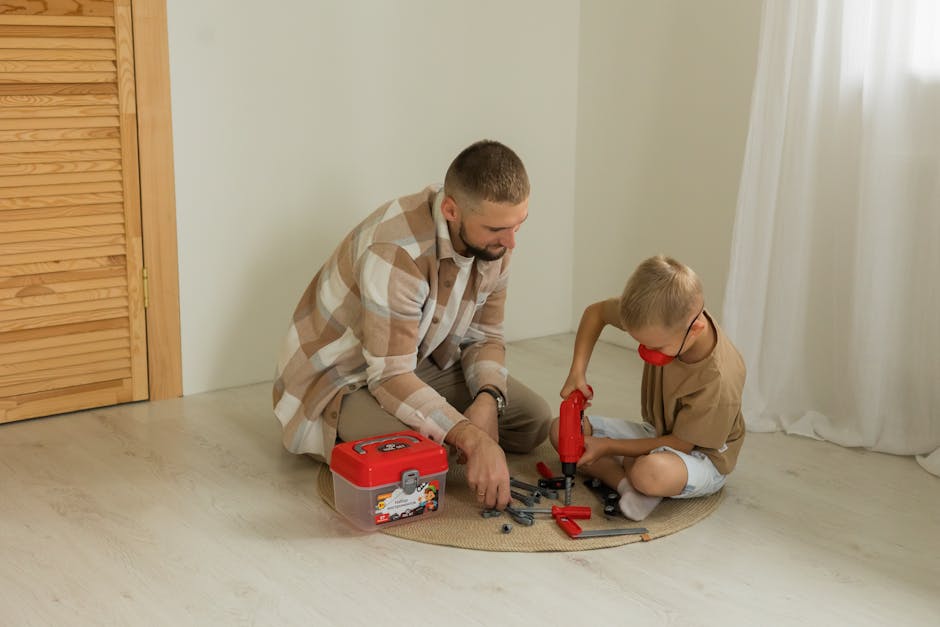
Interactive play involves more than just toys. Parents can encourage social play by playing peek-a-boo or singing. These activities promote bonding and communication. They also make playtime more enjoyable.
The Role Of Caregivers
Caregivers play a crucial role in a baby's social play. They should provide a safe environment for exploration. Their presence offers reassurance and encourages social interaction. Engaging with a baby during playtime boosts development.
Benefits Of Social Play
Social play strengthens emotional bonds. It enhances language skills and stimulates cognitive growth. Babies learn about cause and effect through play. These benefits contribute to overall development.
Safety Considerations
Babies start interacting with toys around three months old, exploring textures and sounds. Ensure toys are safe, avoiding small parts that pose choking hazards. Always supervise playtime to prevent accidents and ensure a secure environment for your little one.
When babies start playing with toys, it's a magical moment that marks a new phase in their development. However, ensuring their safety while they explore and learn is crucial. It's not just about watching over them but also choosing the right toys that won't pose any risks. What steps can you take to make playtime safe and enjoyable for your little one?
Choose Age-appropriate Toys
Babies' toys should match their developmental stage. For newborns, soft and light toys like rattles are ideal. As they grow, you can introduce more complex toys such as stackable blocks. Always check the age recommendations on toy packaging. They offer valuable insights into what's safe and suitable for your child's age.
Inspect For Small Parts
Small parts can be a choking hazard. Make it a habit to examine toys for detachable pieces. Squeeze toys, plush animals, and teething rings should be free from buttons or other small components. Even if a toy seems harmless, a quick inspection can prevent an unfortunate incident.
Look For Durable Materials
Babies are naturally curious and tend to throw toys around. Opt for toys made from durable materials that can withstand rough play. Wooden toys or high-quality plastic ones are excellent choices. They not only last longer but also reduce the risk of breaking into harmful pieces.
Avoid Toxic Materials
Some toys may contain harmful chemicals. Check for labels indicating non-toxic materials. If a toy emits a strong chemical smell, it's best to avoid it. Babies often put toys in their mouths, so ensuring they're free from toxic substances is essential for their health.
Regularly Clean Toys
Keeping toys clean is vital to prevent germs. Wipe down toys with mild soap and water regularly. Some can be cleaned in the dishwasher, which is a convenient option. Clean toys not only ensure safety but also contribute to a healthier play environment.
Monitor Playtime
Even with the safest toys, always supervise your baby's playtime. Your presence not only ensures safety but also enriches their learning experience. You can guide them, celebrate their little achievements, and keep a watchful eye on their interactions with toys. How often do you join your child in play?
Secure Play Area
Create a safe play zone free from sharp edges and hard surfaces. Use a soft mat or carpet to cushion falls. Remove any potential hazards like cords or small items that might distract or endanger them. A secure environment makes playtime more enjoyable and less stressful for you. Safety considerations are an integral part of your baby's playtime. Taking proactive measures can make a significant difference. By ensuring the toys are appropriate, clean, and free from hazards, you create a safe haven for their exploration and growth. What steps do you take to ensure your child's playtime safety?
Choosing Age-appropriate Toys
Choosing age-appropriate toys is crucial for a baby's development. Toys encourage exploration and learning. They help babies understand the world around them. Parents often wonder about the right toys for their child's age. Selecting the right toys can aid in growth and skill-building. It also ensures safety and enjoyment.
Understanding Developmental Stages
Babies grow rapidly in their first year. Each stage brings new skills and interests. From grasping to crawling, babies learn quickly. Toys should match these developmental milestones. This keeps them engaged and stimulated. Parents should be aware of what stage their baby is in. This helps choose toys that fit their needs.
Safety First
Safety is a top priority when picking toys. Babies explore with their mouths. Toys must be free from small parts. Avoid sharp edges and toxic materials. Always check labels for age recommendations. Ensuring safety prevents accidents. This allows babies to play without risks.
Encouraging Sensory Exploration
Babies use senses to explore their surroundings. Toys should stimulate touch, sound, and sight. Textured toys are excellent for tactile learning. Musical toys engage hearing. Brightly colored toys captivate visual attention. Sensory exploration aids cognitive development. It keeps playtime fun and interactive.
Promoting Motor Skills
Motor skills are crucial in early development. Toys that encourage movement are beneficial. Soft balls and rattles improve hand-eye coordination. Push toys help with crawling and walking. These toys build strength and balance. They prepare babies for more complex movements.
Facilitating Social Interaction
Social skills develop through interaction. Toys can foster social play. Dolls and stuffed animals encourage role-play. Blocks and puzzles are perfect for shared play. These toys promote communication and teamwork. They help babies understand social cues.
Adapting To Changing Interests
Babies' interests change as they grow. Toys should evolve with their curiosity. Rotate toys to keep playtime exciting. Introduce new textures and sounds. This keeps babies engaged and learning. It supports continuous development and exploration.
Frequently Asked Questions
When Do Babies Start Playing With Toys?
Babies typically begin to play with toys around three to six months of age. At this stage, they become more curious and start interacting with objects around them. Toys help in developing their motor skills, hand-eye coordination, and cognitive abilities as they explore textures, colors, and sounds.
What Types Of Toys Are Suitable For Infants?
Soft toys, rattles, and teething rings are ideal for infants. These toys are safe and help stimulate sensory development. Toys with bright colors and different textures engage babies effectively. Ensure toys are age-appropriate and made from non-toxic materials to ensure safety during playtime.
How Do Toys Benefit Baby's Development?
Toys play a crucial role in a baby's growth. They boost cognitive skills, motor abilities, and sensory development. Interactive play encourages problem-solving and creativity. Toys also aid in social interactions as babies learn to share and communicate. Overall, they contribute significantly to developmental milestones.
Are There Safety Tips For Baby Toys?
Always choose age-appropriate toys and check for small parts that can pose choking hazards. Ensure toys are made from non-toxic materials and are easy to clean. Regularly inspect toys for wear and damage to prevent accidents. Supervised playtime ensures the baby's safety while they explore and learn.
Conclusion
Babies explore the world through play. Toys become their partners in discovery. From rattles to plush animals, each toy offers a new experience. Watch their joy as they grasp and shake. These moments build skills and spark curiosity. It's amazing to see little ones interact with toys.
Parents witness their growth and development firsthand. Choosing safe, age-appropriate toys is important. These toys help in learning and development. Bonding during playtime strengthens family connections. Celebrate these milestones with joy and wonder. Embrace these playful moments. They shape your child's future.
Treasure the time spent playing together.