

When babies play with toys, magical things happen. You might not see it right away, but every rattle shake and block stack is a step in their incredible journey of discovery.
Imagine watching your little one’s eyes light up as they explore the textures, colors, and sounds of their toys. It’s not just play; it’s their first taste of the world. As a parent, you want the best for your child.
You want to ensure they grow, learn, and thrive in a fun way. Understanding how toys impact your baby's development is key. This article will reveal how playtime with toys can boost your baby’s brainpower, improve motor skills, and even enhance social abilities. Stick with us to uncover the secrets behind those giggles and grins. You’ll see playtime in a whole new light and discover how to maximize these precious moments for your baby’s benefit. Ready to dive in? Let’s explore the world where play meets learning!

Credit: www.manhattantoy.com
Benefits Of Playtime
Playtime is crucial for a baby's development. It offers numerous benefits that nurture growth. Engaging with toys helps babies learn and explore their surroundings. Toys stimulate their senses and encourage curiosity. This leads to significant developmental milestones.
Boosting Creativity
Playing with toys sparks imagination. It allows babies to explore new ideas. They create stories and scenarios in their minds. This helps develop problem-solving skills. Creativity in playtime also nurtures critical thinking. Babies learn to express themselves freely. This boosts their confidence and self-esteem.
Enhancing Motor Skills
When babies play, they refine motor skills. Grasping toys strengthens hand muscles. Crawling towards toys improves coordination. Fine motor skills develop as they stack blocks. Large movements like pushing toys enhance balance. These activities build a strong physical foundation. It prepares babies for future tasks.
Promoting Social Interaction
Playtime encourages social skills. Babies learn to share toys with others. They observe and mimic behaviors. This is the foundation of communication skills. Group play introduces cooperation and teamwork. Babies learn patience and empathy. Social interaction during play fosters emotional growth. It prepares them for life outside the home.
Types Of Toys
Babies love exploring the world around them. Toys play a big role in their exploration. Different types of toys offer various benefits. Selecting the right toys can encourage growth and development. Let's dive into the categories of toys that engage and nurture your little one.
Educational Toys
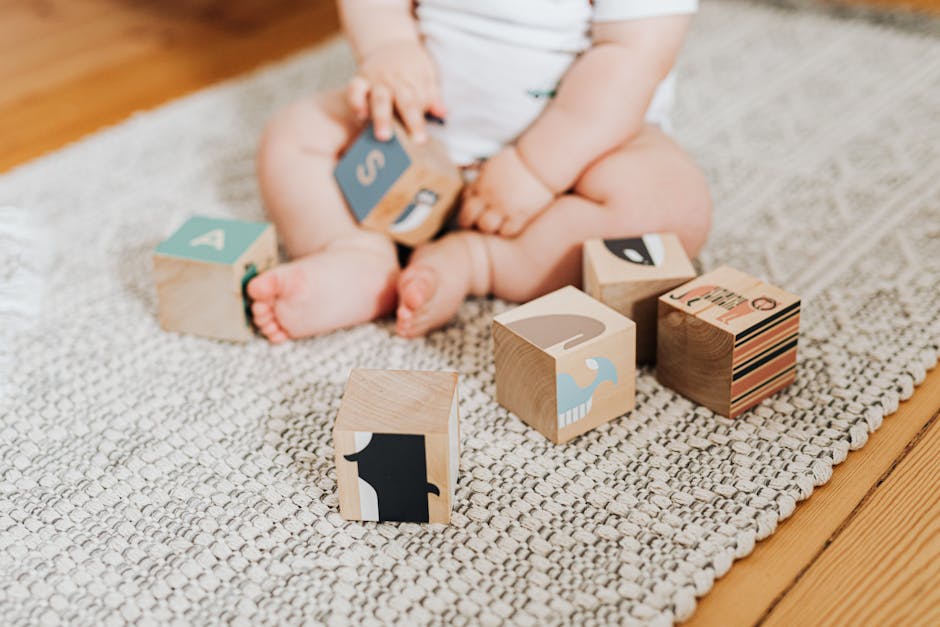
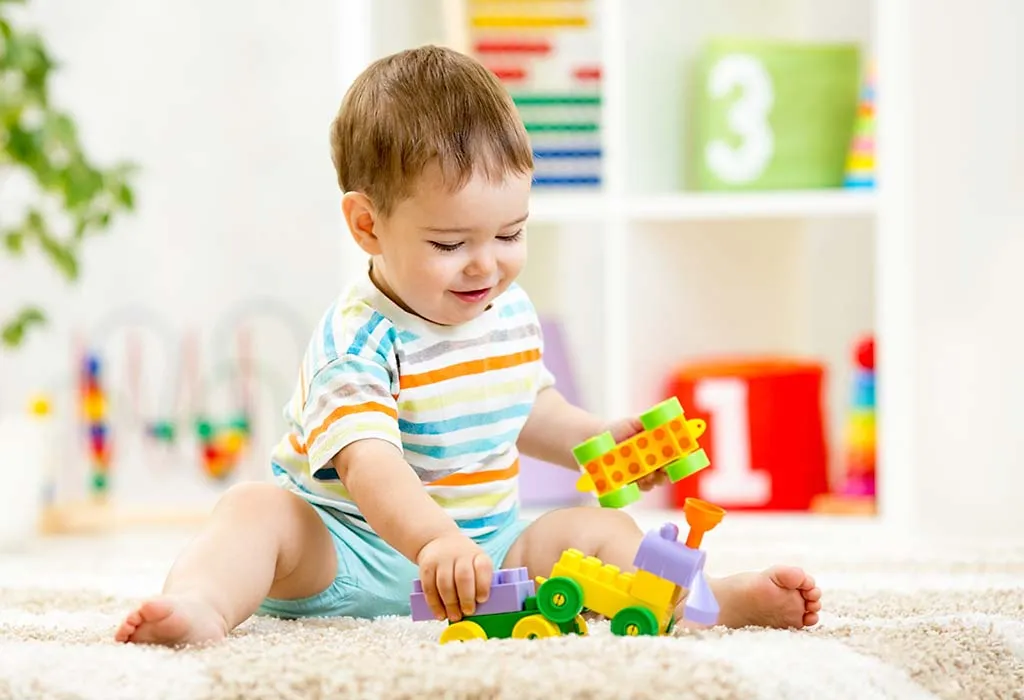
Educational toys stimulate learning through play. They make learning fun and interactive. Building blocks teach colors and shapes. Puzzles enhance problem-solving skills. Alphabet toys introduce letters and sounds. These toys develop cognitive abilities. They nurture curiosity and understanding.
Sensory Toys
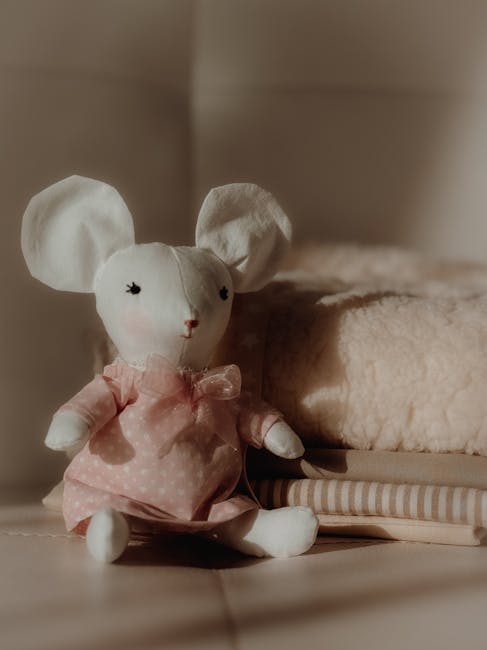
Sensory toys engage the senses. They help babies explore textures, sounds, and colors. Soft toys are great for touch exploration. Toys with rattles improve listening skills. Brightly colored toys capture attention. These toys enhance sensory development. They foster keen observation and creativity.
Interactive Toys
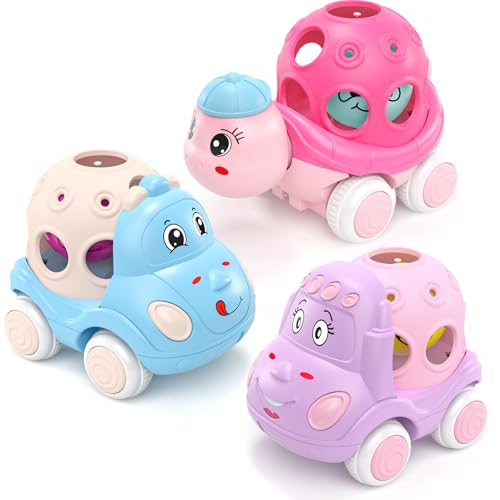
Interactive toys encourage active participation. They promote social skills and communication. Musical toys invite dancing and singing. Push-and-pull toys develop motor skills. Talking dolls teach language. These toys engage and entertain. They build confidence and interaction skills.
Choosing Age-appropriate Toys
Choosing the right toys for your child can be a challenge. It's essential to pick age-appropriate toys. These toys help in your child's development and safety. They also ensure your little one stays engaged and happy. Different age groups have different needs. Let's explore what suits infants, toddlers, and preschoolers best.
Infants: Soft And Safe
Infants need toys that are gentle and secure. Soft toys are perfect. They are easy to grasp and cuddle. Look for toys made of non-toxic materials. Rattles can be a great choice, too. They stimulate hearing and hand-eye coordination. Consider toys with different textures. They help with sensory development. Make sure there are no small parts. Safety is a priority at this age.
Toddlers: Exploration And Learning
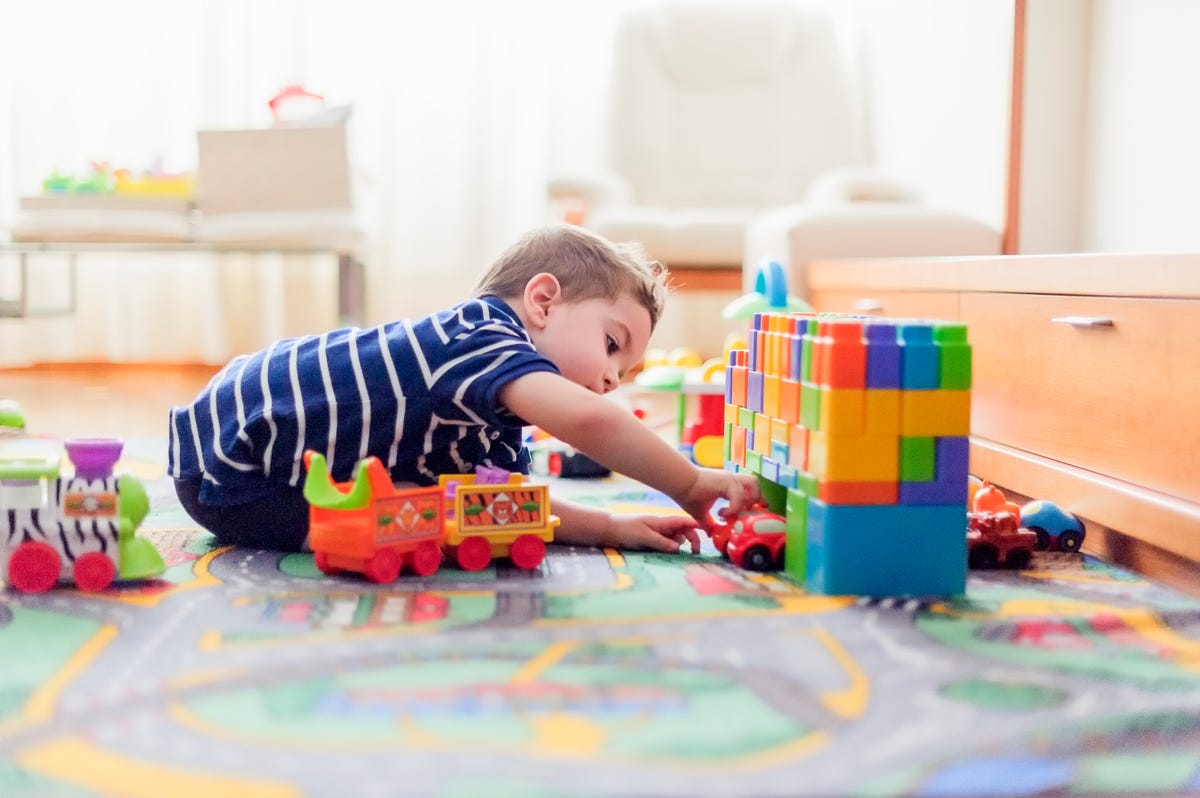
Toddlers are curious about the world around them. They love to explore and learn. Choose toys that encourage their curiosity. Blocks and stacking toys are excellent. They aid in understanding shapes and colors. Puzzles are great for problem-solving skills. Musical toys capture their attention and nurture creativity. Always check for durability and safety. Toddlers can be rough with their toys.
Preschoolers: Building And Imagining
Preschoolers have active imaginations. They enjoy building and creating. Construction sets are ideal. They offer endless possibilities for creativity. Art supplies are also popular. They foster expression and artistic skills. Look for toys that encourage role-playing. They allow children to explore different scenarios. These toys can help develop social skills. Ensure toys are appropriate for their skill level.
Credit: www.cnet.com
Safety Considerations
Ensuring the safety of babies while they explore toys is crucial. Parents must consider several factors to keep their little ones safe. From the size of toy parts to the materials used, safety is a top priority. Proper supervision during playtime is equally important. Let's explore key safety considerations for when babies play with toys.
Avoiding Small Parts
Babies love to explore with their mouths. Toys with small parts pose a choking risk. Always check toy labels for age recommendations. Choose toys with larger parts for babies. This ensures they can't swallow or choke on any pieces.
Non-toxic Materials
Toys should be made from safe materials. Babies often chew on toys. Ensure toys are free from harmful chemicals. Look for labels indicating non-toxic materials. Opt for toys made from BPA-free plastics or organic materials. Safety always comes first.
Supervision During Play
Always supervise babies while they play. Even the safest toys need monitoring. Babies can be unpredictable. Stay close and watch for any hazards. This prevents accidents and keeps them safe. Supervision is key to safe playtime.
Encouraging Play And Growth
Play is essential for a baby's growth. It nurtures their cognitive and physical development. Through play, babies explore their surroundings and learn new skills. Encouraging play helps enhance their imagination and problem-solving abilities. Parents play a vital role in supporting this development. Creating the right environment can boost a child's curiosity and happiness.
Creating A Playful Environment
A playful environment sparks a child's interest. Use soft colors and varied textures. These elements stimulate a baby's senses. Arrange toys within easy reach. This encourages exploration and independence. Rotate toys to keep the experience fresh and exciting. A safe space ensures worry-free playtime.
Balancing Guided And Independent Play
Guided play helps introduce new concepts. Parents can demonstrate how toys work. This builds a child's understanding. Encourage independent play for creativity. Let babies explore toys on their own. This fosters self-confidence and decision-making. A balance of both supports overall development.
Incorporating Play Into Daily Routine
Include play in daily activities. Turn bath time into a playful experience. Use toys that float or squirt water. Sing songs during diaper changes. This makes routines fun and engaging. Encourage play during meals with colorful utensils. Integrating play into everyday moments enhances learning.
Credit: www.prwe.com
Role Of Parents In Play
Parents play a key role in guiding babies during toy play. They help infants learn new skills by interacting together. Their involvement ensures toys are used safely and effectively, enhancing the baby's learning and development.
When babies play with toys, it's not just about entertainment. It's a crucial part of their development, and parents play an essential role in this process. By being involved, you can guide your child through learning, emotional growth, and even strengthen your bond with them. So, what does this role look like in practice?
Observing Developmental Milestones
As your baby plays, take note of their progress. Are they picking up toys more easily? Do they seem to recognize familiar objects? These small achievements are developmental milestones and are vital to understanding your baby's growth. By observing these changes, you can gauge if your child is on track or if they might need a little extra support.
Engaging In Play Activities
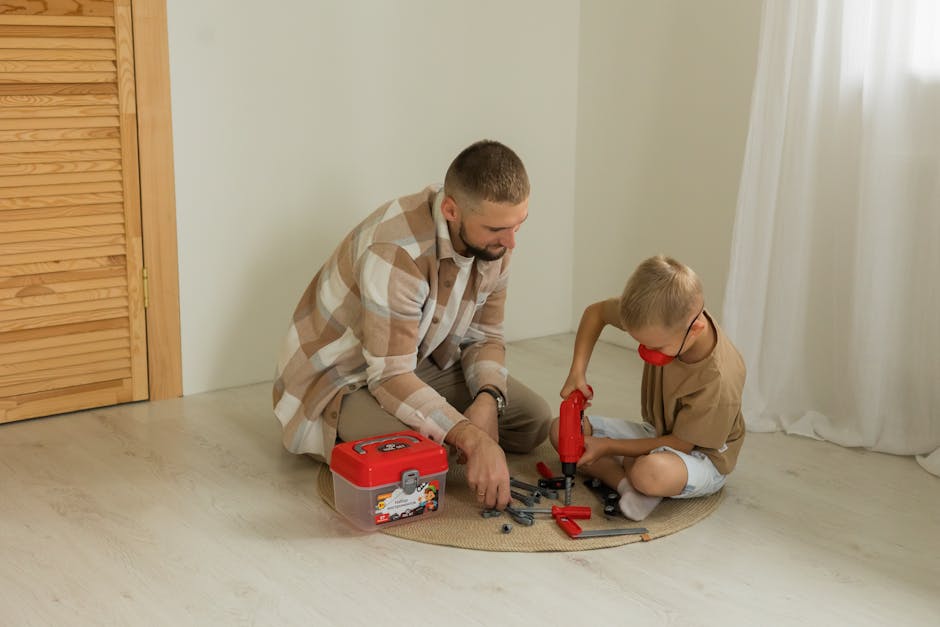
Don't just watch—join in the fun! Whether it's stacking blocks or playing peek-a-boo, your involvement makes a big difference. You become part of their learning environment. Plus, it's a wonderful way to create joyful memories together. What activity can you enjoy with your child today?
Supporting Emotional Growth
Your presence during playtime helps your baby feel secure and loved. This emotional connection is the foundation for healthy development. When your child feels safe, they are more likely to explore and take risks, which are crucial for learning. How can you show your support and encouragement during play? Being present and involved in your baby's play has benefits far beyond the moment. It sets the stage for a lifetime of learning and emotional well-being.
Frequently Asked Questions
Why Do Babies Play With Toys?
Babies play with toys to explore their environment. Toys help in developing cognitive and motor skills. Through play, babies learn about textures, colors, and sounds. This engagement is crucial for their overall growth and development.
What Are The Benefits Of Toy Play?
Playing with toys enhances a baby’s sensory experiences. It improves hand-eye coordination and problem-solving skills. Toys can also promote social interaction and emotional development. They stimulate creativity and imagination, fostering learning in a fun way.
When Do Babies Start Playing With Toys?
Babies typically start engaging with toys around three months of age. At this stage, they begin to grasp objects. As they grow, their interaction with toys becomes more intentional and exploratory. This marks the beginning of their active play period.
How Do Toys Impact A Baby's Development?
Toys play a vital role in a baby's development. They encourage physical activities like grasping and crawling. Toys also stimulate cognitive skills, like recognizing shapes and colors. Interactive toys promote social skills and emotional bonding with caregivers.
Conclusion
Toys play a vital role in a baby's growth. They stimulate curiosity and imagination. Babies learn by exploring their toys. This enhances their cognitive skills. Playing helps develop motor skills. It also fosters social interaction. Parents should choose safe, age-appropriate toys.
This ensures a safe play environment. Remember, every toy is a learning opportunity. Observing your baby can guide toy choices. This supports their development effectively. Encourage playtime daily. It strengthens parent-child bonds. Engaging with toys brings joy and learning together.
A simple yet powerful tool for growth. Keep the play fun and educational. Your baby will thank you.