How Do Sensory Toys Help in a Toddler's Development?
Imagine watching your toddler’s eyes light up with wonder, their tiny fingers exploring new textures, and their giggles filling the room as they discover a world of colors and sounds. Sensory toys are not just playthings; they're powerful tools that can unlock a treasure trove of developmental benefits for your little one.
Curious about how these toys can support your child's growth? You’re not alone. Many parents are eager to understand how to best nurture their child's development during these crucial early years. By diving into the magic of sensory toys, you'll uncover the secrets to enhancing your toddler's cognitive skills, fine motor abilities, and even emotional well-being.
Stay with us as we unravel the remarkable impact of sensory toys and reveal how they can make a meaningful difference in your child's developmental journey.
Role Of Sensory Toys
Sensory toys play a crucial role in a toddler's development. They stimulate multiple senses simultaneously. These toys engage sight, sound, touch, and sometimes even smell. By interacting with sensory toys, toddlers explore the world around them. This exploration helps build vital developmental skills. Let's delve into how sensory toys aid in enhancing cognitive, emotional, and motor skills.
Enhancing Cognitive Skills
Sensory toys promote problem-solving abilities. They challenge toddlers to think and react. Playing with puzzles or toys with different textures enhances memory. It boosts attention span. These activities encourage curiosity and exploration, key elements in learning.
Boosting Emotional Development
Emotions are complex for toddlers. Sensory toys help them express feelings better. Soft or soothing toys can calm anxiety. Bright colors and varied textures excite them. These toys also teach empathy. Sharing toys with peers fosters social skills.
Improving Motor Skills
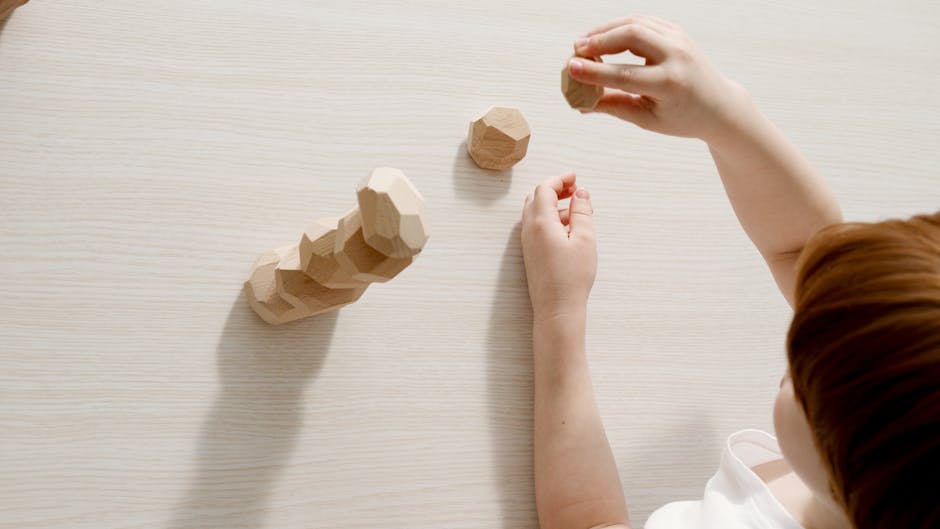
Motor skills are essential for daily activities. Sensory toys enhance hand-eye coordination. They improve fine motor skills. Activities like stacking blocks or molding clay strengthen muscles. These tasks also refine grip and control. They prepare toddlers for writing and other precise movements.
Types Of Sensory Toys
Sensory toys boost toddler development by engaging touch, sight, and sound. Textured balls and colorful blocks enhance tactile skills. Musical instruments and soft lights encourage auditory and visual exploration.
Understanding the types of sensory toys can greatly benefit your toddler's development. Sensory toys are designed to stimulate a child's senses, enhancing their learning and growth. Different types of sensory toys target various senses and can aid in developing skills like concentration, coordination, and creativity. But what types of sensory toys should you consider for your toddler? Let’s explore some of the most effective categories.
Tactile Toys
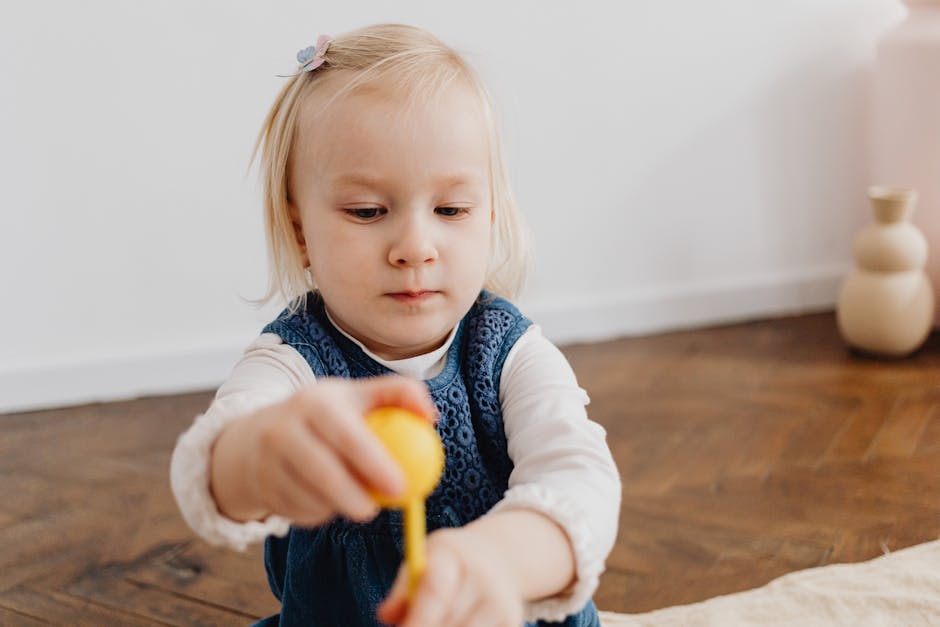
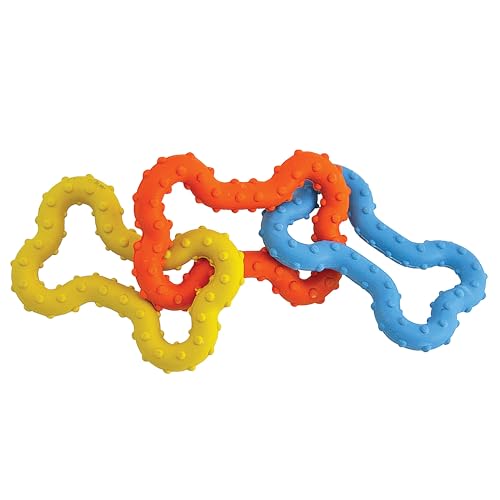
Tactile toys engage the sense of touch, which is crucial for toddlers as they explore the world. These toys come in various textures, shapes, and sizes, encouraging children to feel and manipulate different materials. Think about playdough, textured balls, or soft fabric books. Playing with tactile toys can improve hand-eye coordination and fine motor skills. I remember giving my niece a set of squishy stress balls, and she loved squeezing and stretching them. It was not just playtime; it was a learning experience in disguise.
Auditory Toys
Auditory toys focus on sound, helping toddlers develop their listening skills. Toys like musical instruments, rattles, or sound-making books introduce children to different noises and rhythms. These toys not only entertain but also teach cause and effect, as toddlers learn that shaking a rattle produces a sound. Is there a more joyful noise than the giggle of a toddler playing with a xylophone? Such experiences lay the foundation for language development and auditory processing.
Visual Toys
Visual toys cater to the sense of sight, encouraging toddlers to observe and differentiate colors, shapes, and patterns. Items like colorful blocks, puzzles, or light-up toys can captivate a child's attention and spark curiosity. Visual stimulation aids in developing focus and cognitive abilities. My friend’s son spent hours with his colorful stacking rings, learning to sort them by size and color. Watching him, I realized how these simple toys can teach complex concepts like order and classification. So, which type of sensory toy will you introduce to your toddler next? Each category offers unique benefits, and incorporating a mix can provide a well-rounded developmental experience.
Benefits Of Sensory Play
Sensory play is a fantastic way for toddlers to engage with the world around them. It involves activities that stimulate a child's senses, including sight, sound, touch, taste, and smell. These activities are crucial for healthy brain development and offer numerous benefits that can help your toddler grow and learn.
Encouraging Exploration
When toddlers play with sensory toys, they discover new textures, colors, and sounds. This exploration helps them understand their environment better. A simple water play session can turn into a science experiment, as they learn about floating and sinking.
Have you noticed how your toddler loves to squish and squeeze play dough? They're not just playing—they're figuring out how things work. Encouraging this curiosity is key to developing problem-solving skills.
Stimulating Creativity
Sensory toys can transform everyday play into a creative adventure. Think about how a box of colorful beads can inspire them to create unique patterns or jewelry. This kind of play stimulates imagination and encourages creative thinking.
Providing your child with sensory toys can also lead to unexpected discoveries. They might find that mixing different colored paints creates new shades, sparking a lifelong interest in art.
Fostering Social Interaction
While sensory play often starts as a solo activity, it can quickly turn into a social one. Sharing toys and tools, like a sand table, encourages children to interact and communicate with each other. This can be a great way to develop social skills like sharing and cooperation.
Have you ever noticed how toddlers naturally gather around a bubble machine? It's a perfect opportunity for them to learn about taking turns and working together. Sensory play can be a fun bridge to building friendships.
Are you ready to watch your toddler thrive through sensory play? Consider adding a few sensory toys to their collection and observe the magic unfold. You'll be amazed at how these simple tools can contribute to their development in profound ways.
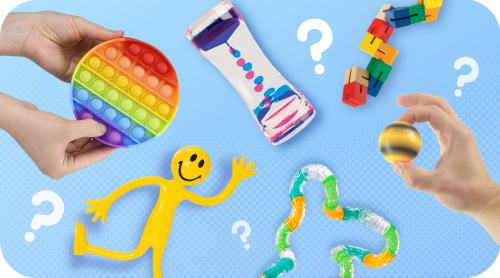
Credit: nationalautismresources.com
Choosing The Right Sensory Toys
Choosing the right sensory toys can greatly impact a toddler's development. These toys engage multiple senses, offering various benefits. They stimulate touch, sight, and hearing, fostering growth in young children. Parents often seek guidance in selecting suitable toys for their toddlers.
Age-appropriate Options
Each age group benefits from specific sensory toys. Babies enjoy simple toys with bright colors and soft textures. Toddlers, aged one to three, need toys that challenge their developing skills. Consider toys that encourage exploration and problem-solving.
Safety Considerations
Safety is crucial when choosing sensory toys. Ensure toys are free from small parts to prevent choking. Non-toxic materials are essential for toys meant for toddlers. Always check age recommendations on toy packaging.
Educational Value
Sensory toys should offer educational value. Toys that teach shapes, colors, and numbers are beneficial. Musical toys enhance auditory skills and rhythm understanding. Choose toys that promote learning and fun together.
Integrating Sensory Play In Daily Routine
Sensory toys boost toddler development by enhancing motor skills and encouraging creativity. They engage touch, sight, and sound, aiding learning. Through play, toddlers explore their senses, building essential cognitive skills.
Integrating sensory play into your toddler's daily routine can significantly enhance their development. Sensory toys engage their senses and stimulate brain development, helping them learn about the world around them. By introducing sensory play into everyday life, you can nurture your child's curiosity and creativity while strengthening their cognitive and motor skills.
Creating A Play Schedule
Creating a play schedule is a practical way to integrate sensory play into your toddler's routine. Start by identifying times when your child is most alert and eager to explore. It might be after breakfast or before dinner. Organize short, focused play sessions around these times. Keep them varied to maintain interest—one day you could focus on textures, the next on sounds. Consistency is key. A regular schedule helps your child anticipate and look forward to these sensory experiences. This structured approach also aids in developing a sense of routine and discipline.
Incorporating Sensory Play In Everyday Activities
Incorporating sensory play doesn't mean you need a separate play area or expensive toys. Everyday activities offer countless opportunities for sensory exploration. While cooking, let your toddler feel different food textures or smell the spices. Bath time is another perfect sensory play moment. Add bubbles or waterproof toys to make it more engaging. Encourage them to splash and notice the water's movement. Think about the activities you already do and how you can add a sensory element. When folding laundry, let your toddler touch the fabrics and describe their textures. By weaving sensory play into daily life, you enrich their environment with minimal effort. How can you creatively transform your daily tasks into sensory adventures for your toddler? The possibilities are endless, and the benefits are profound.

Credit: www.amazon.com
Challenges And Solutions
Sensory toys boost toddler development by enhancing motor skills and promoting cognitive growth. They encourage exploration and improve focus.
Understanding the challenges and finding solutions in a toddler's development is crucial, especially when using sensory toys. These toys can be powerful tools, but they can also present unique hurdles. By identifying the obstacles and addressing them, you can optimize the benefits of sensory play.
Overcoming Sensory Overload
Sensory overload can be a real issue for toddlers. Bright colors, loud noises, and varied textures might overwhelm your child. This is where thoughtful selection of sensory toys comes into play. Choose toys that engage one or two senses at a time. If your toddler is sensitive to loud noises, opt for toys that focus on touch or sight. A soft, colorful squishy toy can be less intimidating than a loud, flashing one. Introduce new toys gradually. Allow your toddler to explore each toy at their own pace. This helps them build confidence and reduces the risk of sensory overload.
Adapting To Individual Needs
Every toddler is unique, and their sensory needs vary. A toy that captivates one child may not interest another. Understanding your toddler's preferences is key. Observe what excites or calms your toddler. Do they enjoy the feel of smooth surfaces or the sound of crinkling paper? Use these observations to guide your toy choices. Tailor the sensory experience to fit their developmental stage. Younger toddlers might benefit from simpler toys like soft rattles, while older ones might enjoy building blocks with different textures. Have you ever noticed how your toddler responds to a particular texture or sound? It could be the key to unlocking their potential. By adapting to their needs, you can make sensory play both fun and beneficial.
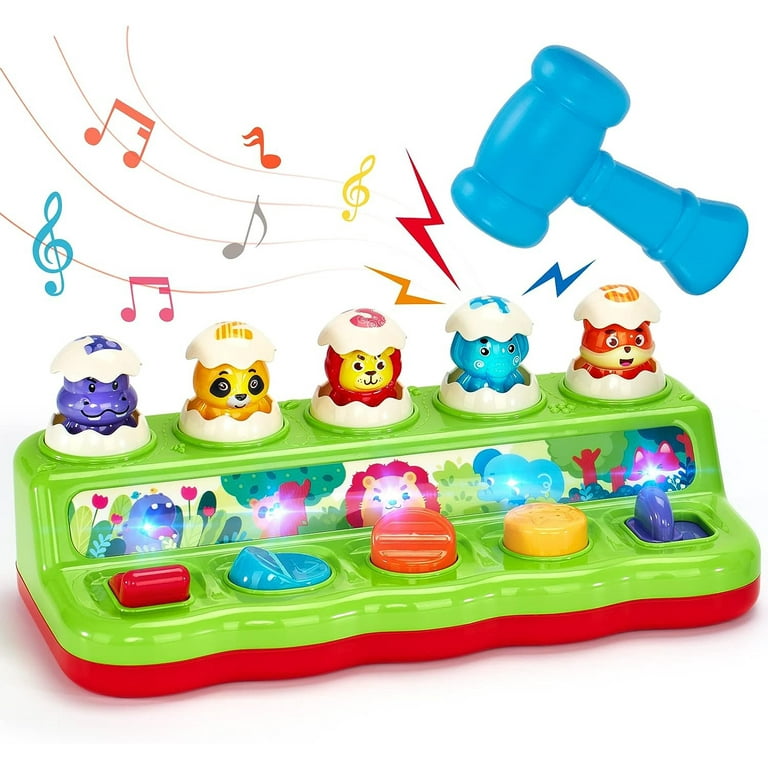
Credit: www.walmart.com
Frequently Asked Questions
What Are Sensory Toys For Toddlers?
Sensory toys are designed to stimulate a toddler's senses. They engage touch, sight, sound, taste, and smell. These toys help in developing motor skills and cognitive growth. They encourage exploration and creativity. Sensory toys are beneficial for toddlers' overall development.
How Do Sensory Toys Boost Brain Development?
Sensory toys stimulate brain connections through interactive play. They enhance cognitive skills by engaging multiple senses. This sensory input helps toddlers process information effectively. These toys also foster problem-solving and critical thinking skills. They are vital for a toddler's brain development.
Why Are Sensory Toys Important For Toddlers?
Sensory toys are crucial for toddler development. They improve hand-eye coordination and fine motor skills. These toys also enhance cognitive and language development. Sensory play aids in emotional regulation and social skills. They are essential for a toddler's holistic growth.
Can Sensory Toys Improve Toddler's Motor Skills?
Yes, sensory toys enhance motor skills in toddlers. They encourage fine and gross motor development. Through play, toddlers refine hand-eye coordination and dexterity. These toys provide opportunities for movement and exploration. They play a key role in developing motor skills.
Conclusion
Sensory toys play a vital role in toddler development. They engage multiple senses. This helps children learn about their environment. With sensory toys, toddlers improve their fine motor skills. They also enhance cognitive abilities. These toys encourage creativity and imagination.
By providing sensory toys, you support emotional growth. Toddlers learn to express themselves better. Social skills also improve through interactive play. Parents and caregivers can see positive changes. Sensory toys are wonderful tools for overall growth. Consider adding them to your child's playtime.
They help nurture a well-rounded and happy child.