



Do you often notice your child flitting from one activity to the next, leaving a trail of half-finished puzzles and abandoned blocks? You're not alone.
Many parents are eager to find ways to boost their child's attention span, and you might be surprised by how much toys can help. Imagine your child sitting focused, engaged, and learning through play. Sounds like a dream, right? The right toys can transform this dream into a reality.
They can turn scattered attention into laser-like focus, sparking creativity and enhancing cognitive skills. Intrigued? Stick around to discover how you can cultivate your child's attention span with the power of play. Your child's journey to better focus starts here.

Credit: www.amazon.com
The Science Of Attention Span
Exploring attention span development involves understanding how toys can aid in focusing skills. Toys like puzzles and building blocks encourage concentration, stimulating brain growth. Interactive play enhances cognitive abilities, helping children learn how to maintain focus effectively.
Attention spans are essential for learning and development, especially in children. The ability to focus helps them absorb information, solve problems, and interact with the world. Understanding the science behind attention spans can provide valuable insights into how toys can aid in developing this crucial skill.
Role In Child Development
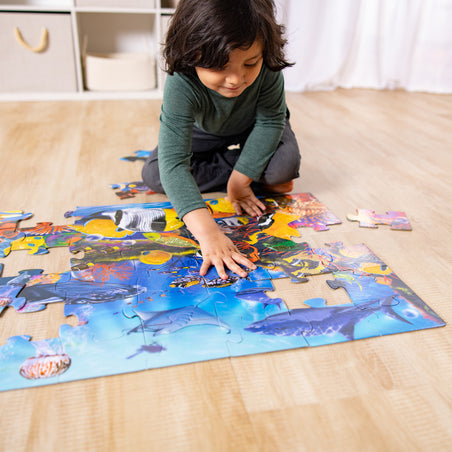
Attention span plays a pivotal role in a child's growth. It affects how they learn, socialize, and manage emotions. A child with a strong attention span can concentrate on tasks longer, leading to better academic performance and improved relationships. Imagine a toddler sitting with a puzzle. As they try to fit pieces together, their focus strengthens. Each successful attempt boosts their confidence and keeps their attention engaged. This kind of play is not just fun; it's building blocks for their future.
Factors Affecting Focus
Several factors influence a child's ability to focus. Age is a primary determinant, with younger children naturally having shorter attention spans. However, environment and the type of activity also play significant roles. A noisy room can distract children easily, while a quiet, organized space can enhance focus. Similarly, toys that are too challenging might frustrate them, whereas those that are too simple may lead to boredom. Consider the balance between challenge and skill. It's the sweet spot where attention thrives. Have you noticed how a child immersed in play often loses track of time? That's the magic of focus at work. By choosing the right toys, you can nurture this attention span, setting the stage for lifelong learning.

Credit: www.amazon.com
How Toys Influence Attention
Toys play a crucial role in developing a child's attention span. Engaging toys capture interest, encouraging focus and concentration. Interactive play helps children practice maintaining attention over time, boosting their ability to concentrate on tasks.
How toys influence attention is a fascinating topic that intertwines the world of play with the realm of cognitive development. Toys are not just about fun; they play a vital role in shaping the way children learn to focus. As a parent, I’ve watched my child's attention sharpen with the right toys. Have you ever noticed how certain toys captivate your child for longer periods? This is no coincidence. Toys can be pivotal in nurturing attention span. Let’s dive into how this happens.
Types Of Toys That Enhance Focus
Different toys have unique ways of capturing a child's attention. Puzzle games are fantastic for boosting concentration. They challenge kids to think and solve problems, keeping them engrossed. Building blocks offer another avenue for focus. They encourage creativity and require planning, sustaining a child’s interest. Even board games demand attention as they involve strategy and rule-following. Next time you pick a toy, consider how it might engage your child's mind in a focused way.
The Role Of Play In Cognitive Growth
Play isn't just an escape from reality; it’s a crucial part of developing cognitive skills. Through play, children learn to concentrate and make decisions. Playtime with toys helps in building memory and improving problem-solving abilities. Notice how a child sticks to a game, trying different strategies until they succeed? This persistence enhances cognitive growth. Think about how you can integrate more play into your child's routine. What toys could help them develop these critical skills? The possibilities are endless, and the benefits, immense. As you explore toy options, consider how each one might influence your child's attention and cognitive development. What would happen if you chose a toy specifically designed to enhance focus? You might be surprised at the lasting impact it can have.
Choosing The Right Toys
Choosing the right toys can significantly influence a child's attention span development. Toys aren't just for fun; they shape skills and abilities. The right toy can encourage focus, creativity, and learning. Selecting toys that match your child's needs is crucial.
Age-appropriate Options
Not all toys suit every age group. For infants, simple toys with bright colors work best. They stimulate the senses and keep a child's attention. Toddlers enjoy toys that challenge their motor skills. Stacking blocks or sorting shapes can be both fun and educational. For preschoolers, puzzles and simple board games are great choices. They encourage problem-solving and patience. Choose toys that match the child's developmental stage.
Balancing Fun And Educational Value
It's important to find toys that are both fun and educational. Toys should hold a child's interest while teaching them something new. Consider toys that introduce numbers, letters, or shapes in playful ways. Look for toys that encourage creativity, like building sets or art supplies. A toy that is only fun might lose its charm quickly. On the other hand, a purely educational toy might not hold attention. The key is balance. Fun and learning should go hand in hand.
Interactive Toys And Technology
Interactive toys can help children develop focus. These toys engage kids, improving their attention span. Through play, children learn to concentrate and stay engaged longer.
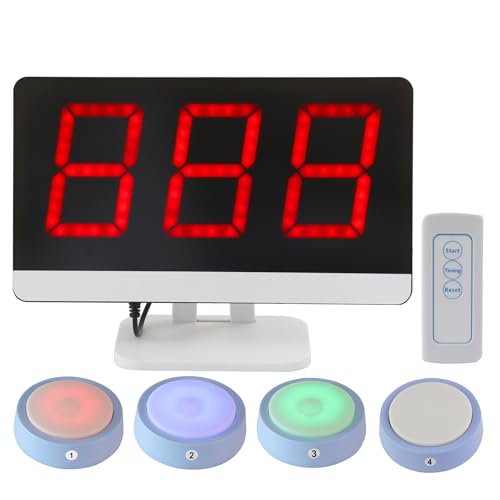
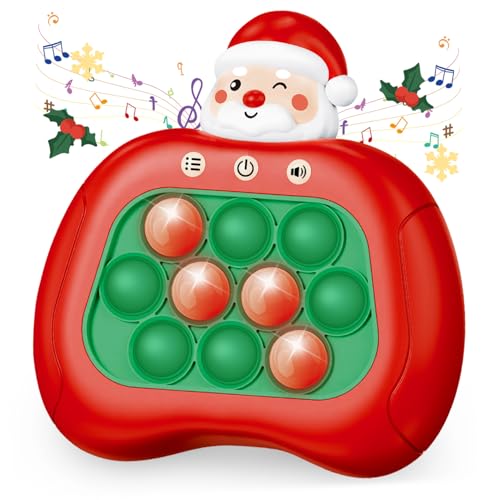
Interactive toys and technology have revolutionized how children learn and play. These toys engage young minds, sparking curiosity and creativity. Yet, as parents, you might wonder: Are tech-driven toys beneficial, or do they just increase screen time?
Benefits Of Tech-driven Toys
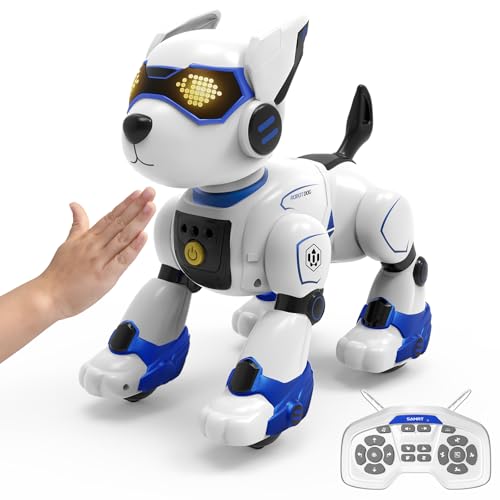
Tech-driven toys offer a wealth of benefits. They can enhance cognitive skills, improve problem-solving abilities, and foster creativity. Think about a programmable robot that teaches coding through play—it's not just a toy, but a learning tool. These toys often encourage interactive play, which can be more engaging than passive activities. They can also adapt to your child's learning pace. This personalized experience can make learning more effective and fun. Moreover, many tech toys are designed to grow with your child. This adaptability ensures that the toy remains relevant as your child develops new skills. It's like having a companion that evolves alongside your child.
Potential Drawbacks And Screen Time
Despite their advantages, tech-driven toys come with potential drawbacks. One major concern is increased screen time. Excessive screen exposure can lead to issues like eye strain or reduced physical activity. Balance is crucial. While tech toys offer educational value, it's important to mix them with traditional play. Encourage your child to spend time outdoors or engage in creative, non-digital activities. Consider setting clear boundaries around screen time. Implementing time limits can help maintain a healthy balance between digital and physical play. This way, you ensure that tech toys remain a beneficial part of your child's development. Have you noticed changes in your child's attention span with tech toys? Share your experiences in the comments below. Let's learn from each other and find the best ways to enrich our children's playtime.
Diy Toys For Attention Building
DIY toys offer a creative way to boost a child's attention span. They engage children with hands-on activities. These toys, made at home, can captivate and hold focus. Parents can create these toys using simple materials. They make learning fun and interactive. Crafting DIY toys is also budget-friendly. It encourages parental involvement in playtime. This helps nurture a child's concentration. Explore these simple projects to enhance attention-building skills.
Simple Crafts To Encourage Focus
Crafting can be a peaceful activity. It demands attention and patience. Consider making paper plate spinners. They are simple yet engaging. Children can decorate them with bright colors. Spinning them helps improve focus and coordination. Another craft idea is a sensory bottle. Fill a bottle with water, glitter, and beads. Children will love watching the glitter swirl. This visual engagement can hold attention for extended periods.
Incorporating Everyday Items
Everyday household items can become attention-building toys. Use empty toilet paper rolls to create binoculars. Children can decorate them with stickers and paint. This activity fosters creativity and focus. Or, collect buttons and thread to make a button snake. Children can string buttons onto a long thread. This activity sharpens fine motor skills and concentration. Even a simple cardboard box can spark imagination. Turn it into a playhouse or a car. This encourages role-play and sustained attention.
Parental Involvement And Guidance
Engaging with children through toys can enhance their attention span. Parental guidance in choosing appropriate toys is crucial. It helps develop focus and encourages learning in a fun way.
Parental involvement and guidance play a crucial role in nurturing a child's attention span through toys. Your presence and interaction can transform simple playtime into rich learning experiences. By being engaged, you help children explore, learn, and grow, setting a foundation for their cognitive development.
Encouraging Play And Exploration
Stimulate curiosity by providing a variety of toys that cater to different interests. A child may take delight in building blocks one day and be captivated by a puzzle the next. This diversity keeps their mind active and attentive. Join in their play sessions without taking over. Your participation shows them that their activities are valued. Ask questions like, "What will happen if you stack another block?" to encourage critical thinking. Create a play environment that is both safe and stimulating. Ensure toys are accessible and organized. This encourages independent exploration and maintains their focus longer.
Monitoring And Adjusting Toy Choices
Observe which toys capture your child's attention. Notice how they interact with them. Are they engaged for a significant time, or do they lose interest quickly? Adjust toy choices based on these observations. If a toy isn't captivating, swap it for something else. Sometimes, a fresh rotation of toys can reignite a child's interest. Consider age-appropriate toys that challenge without frustrating them. A toy that's too easy may bore them, while one that's too complex can lead to disinterest. Striking the right balance is key to maintaining their attention. Reflect on your own childhood toy experiences. Did you have a favorite that kept you engaged for hours? Sharing these stories can help you understand and relate to your child's preferences. How often do you reassess your child's toy collection? It's a simple step that can significantly enhance their attention span development. Engage with your child, and you'll find you're fostering not only their growth but also a stronger bond with them.
Signs Of Improved Focus
Signs of improved focus in children can be exciting for parents. Toys play a vital role in this development. They can enhance concentration and attention span. Recognizing these signs early helps in nurturing a child's growth. Parents should observe subtle changes that indicate progress. This awareness can guide them in choosing appropriate toys.
Recognizing Progress In Attention Span
Notice how long your child plays with a toy. Longer playtime may signal better concentration. Look for sustained interest in activities. This could be reading books or completing puzzles. Pay attention to fewer distractions during play. Your child might ignore the TV or phone. This focus shows their growing ability to concentrate. Notice improved organization in play. Your child might sort toys by color or size. These actions reflect their developing attention skills.
Celebrating Milestones
Celebrate small achievements to encourage your child's progress. Acknowledge when they finish a puzzle or complete a game. Praise them for focusing on a task. This boosts their confidence and motivation. Create a reward system for reaching milestones. It can be as simple as stickers or extra playtime. Share their successes with family. This recognition can inspire them to continue improving. Keep a journal to track their growth. Record moments of improved focus. This can be a source of pride for both you and your child.
Credit: www.melissaanddoug.com
Frequently Asked Questions
What Toys Help Improve Attention Span?
Toys that engage children with interactive elements can improve attention span. Puzzles, building blocks, and memory games are effective. These toys require focus and problem-solving skills, enhancing concentration. Choose toys that match the child’s interests and developmental stage for optimal benefits.
How Do Toys Aid In Attention Span Development?
Toys stimulate the brain and require concentration, promoting attention span growth. Interactive play encourages cognitive development and focus. Toys that challenge children mentally and physically can improve their ability to concentrate. Selecting age-appropriate toys is crucial for effective attention span enhancement.
Are Electronic Toys Beneficial For Attention?
Electronic toys can be beneficial if they encourage active engagement. Games that require problem-solving and strategy help improve attention span. However, moderation is key; excessive screen time may have negative effects. Balance electronic and traditional toys for a well-rounded attention span development.
Can Playtime Influence Attention Span?
Yes, structured playtime significantly influences attention span development. Activities that require focus and planning enhance concentration skills. Incorporating diverse toys during playtime can stimulate different areas of the brain. Encourage regular play sessions to support sustained attention and cognitive growth.
Conclusion
Understanding attention span development is crucial for children's growth. Toys play a significant role in enhancing focus. Choosing the right toys can boost attention and learning. Opt for toys that engage and challenge. Simple puzzles, building blocks, and interactive games can be effective.
These toys help children stay focused and interested. Parents should observe and support their child's progress. Encourage playtime with varied toys. Balance screen time with physical play. Every child's attention span can improve with the right tools. Make playtime a learning experience.
Focused play leads to better development.


