

Imagine watching your little one reach for a colorful toy, grasp it with tiny fingers, and shake it with pure delight. Did you know that these playful moments are more than just adorable?
They're crucial for your baby's development. Toys are powerful tools that can significantly boost your infant's motor skills. As a parent, you want to give your child the best start in life, and understanding how toys can enhance their growth is a game-changer.
You'll discover the fascinating ways in which the right toys can transform playtime into a vital part of your child's developmental journey. Stick around, because what you learn here could make a big difference in your baby’s future abilities.
Role Of Toys In Infant Development
Understanding the role of toys in infant development is crucial. Toys are not just fun; they are essential tools for growth. They play a key role in helping infants develop motor skills. Through play, babies learn to move and interact with their environment. Toys offer opportunities for infants to practice and refine these skills. This interaction aids in strengthening muscles and improving coordination.
How Toys Enhance Motor Skills
Toys engage infants in active play. They encourage reaching, grasping, and moving. These actions are vital for developing motor skills. Grasping toys help improve hand-eye coordination. Rolling balls stimulate crawling and muscle use. Simple actions like stacking blocks boost fine motor skills.
Importance Of Sensory Toys
Sensory toys are essential for motor skill development. They stimulate touch, sight, and sound. Textured toys enhance tactile exploration. Bright colors draw visual attention and engagement. Sounds encourage auditory responses and movement. These sensory experiences support motor skill growth.
Interactive Play With Toys
Interactive toys promote active participation. They foster movement and exploration. Toys that respond to touch or sound engage infants further. This interaction motivates repeated actions. Consistent play strengthens motor abilities. Push toys, for instance, encourage walking and balance.
Choosing The Right Toys
Choosing suitable toys can enhance motor skills. Opt for toys that encourage movement and interaction. Avoid overly complex toys for infants. Simple designs are often best for skill development. Ensure toys are safe and age-appropriate. Safe toys allow infants to explore freely.
Credit: thewarrencenter.org
Types Of Toys For Motor Skills
Choosing the right toys can boost an infant's motor skills. Toys encourage movement, coordination, and strength. They make learning fun and interactive. Different toys target different motor skills. Selecting diverse toys offers varied benefits. Let's explore some types of toys for motor skills.
Soft Toys And Rattles
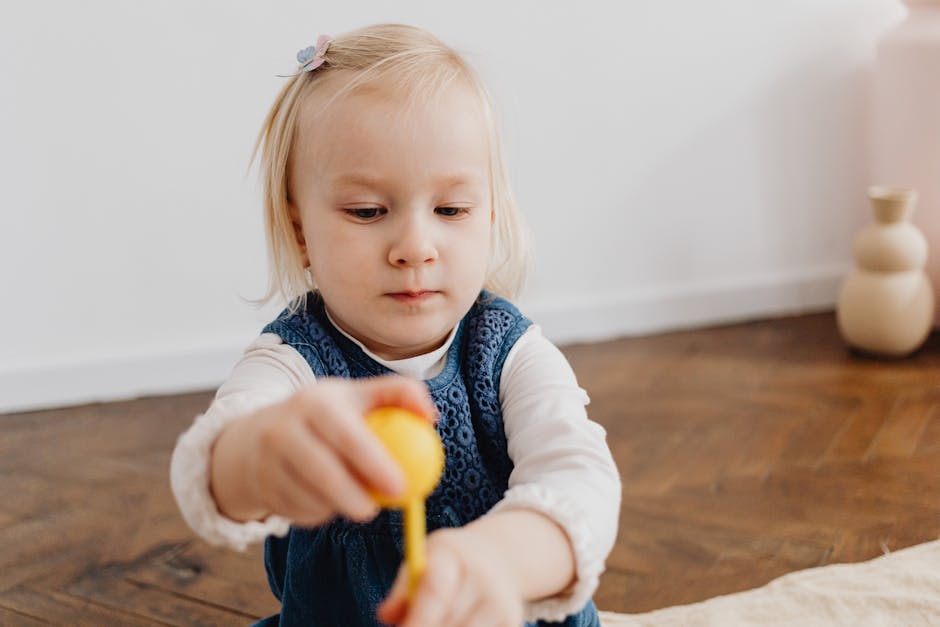
Soft toys are gentle on little hands. Babies can squeeze and hold them easily. This builds grip strength and coordination. Rattles add sound to the mix. Shaking them teaches cause and effect. The noise captures interest, encouraging movement. Together, they enhance sensory and motor development.
Stacking And Building Blocks
Stacking blocks are perfect for improving hand-eye coordination. Infants learn to balance and place objects. This requires fine motor skills. Building blocks promote creativity and problem-solving. They come in different shapes and sizes. Manipulating them strengthens fingers and hands.
Push And Pull Toys
Push and pull toys encourage crawling and walking. Babies push them to move forward. This builds leg strength and balance. Pull toys follow, requiring coordination. They teach infants about direction and speed. These toys also promote exploration and confidence.
Fine Motor Skill Enhancement
Fine motor skills involve small muscle movements. These skills are crucial for infants. Developing these skills helps in everyday tasks. Toys play a significant role in this development. They offer various activities that enhance motor abilities. Let’s explore how specific toys aid in this process.
Grasping And Holding
Grasping and holding are vital for hand control. Toys like rattles encourage this. Babies reach out and try to hold them. The texture and size of rattles are perfect for tiny hands. Soft blocks also help. They teach infants how to grip objects securely. These actions strengthen hand muscles.
As infants play, they learn coordination. Their fingers and thumbs work together. This is essential for writing and other future tasks. Regular practice with such toys improves dexterity.
Pinching And Picking
Pinching and picking activities refine fine motor skills. Toys with small parts challenge infants. They learn to pick up tiny pieces. This action develops the pincer grasp. It is a crucial skill for holding a pencil.
Puzzles with knobs are excellent. They require precise finger movements. As infants try to fit pieces, they improve hand-eye coordination. This skill is important for many daily tasks.
Such toys keep infants engaged. They enjoy the challenge while enhancing motor skills. Parents can observe progress as infants play. Each successful attempt boosts confidence.

Credit: www.discountschoolsupply.com
Gross Motor Skill Development
Gross motor skills involve large muscle movements. These are crucial for infants. They help babies crawl, walk, and explore. Toys can aid in this development. They encourage movement and coordination. Let's explore how specific toys help.
Crawling and walking aids are essential. They support a baby's first steps. Push toys or walkers motivate movement. Babies learn balance and coordination. These toys also build leg strength. Babies feel more confident standing up. They gradually start taking steps.
Climbing And Balancing Toys
Climbing and balancing toys challenge infants. They help develop strength and stability. Rockers and soft climbing structures are great. Babies can climb over or balance on them. This enhances their muscle control. It also improves their spatial awareness. Climbing toys also boost problem-solving skills. Babies learn to navigate small obstacles.
Sensory Toys For Coordination
Sensory toys play a crucial role in developing infant motor skills. These toys engage multiple senses, promoting coordination and physical development. Babies explore their surroundings through touch, sound, and sight. Sensory toys provide varied stimuli, helping them practice movements and enhance motor skills. They come in different forms, each targeting specific senses. By offering diverse experiences, sensory toys encourage infants to interact and learn.
Textures And Sounds
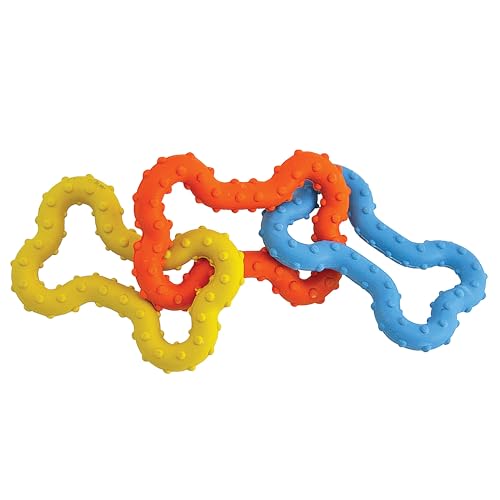
Textures and sounds stimulate a baby's sense of touch and hearing. Toys with varied surfaces invite exploration. Rough, smooth, or bumpy textures can intrigue infants. They learn to grasp and manipulate objects. Sound-producing toys capture attention. Rattles, crinkle toys, or musical instruments offer auditory feedback. Babies shake or squeeze them, improving hand-eye coordination. Each interaction builds motor skills. These toys encourage movement and exploration.
Visual Stimulation
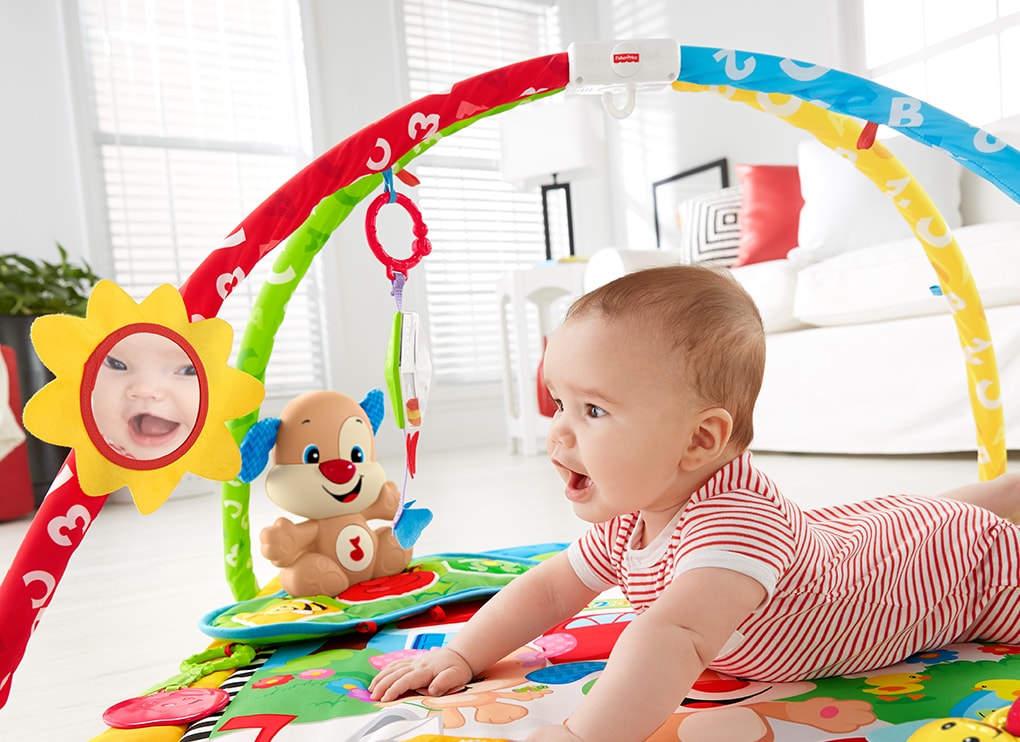
Visual stimulation is vital for developing coordination. Bright colors and patterns attract a baby's gaze. Toys with contrasting hues enhance visual tracking. They encourage infants to focus and follow objects. Mirrors and light-up toys provide reflections and illumination. Babies reach for moving images, practicing hand control. Visual stimulation supports spatial awareness. It helps infants understand distance and depth. By engaging sight, these toys aid in coordination development.

Credit: www.amazon.com
Safety Considerations
Toys support infant motor skills by encouraging safe exploration and interaction. Soft, non-toxic materials ensure worry-free play. Always supervise to prevent choking hazards, ensuring a secure environment for growth.
When choosing toys for infants, safety is the top priority. Toys play a crucial role in developing motor skills. It's important to ensure they are safe for little hands and mouths. Parents often worry about their child's safety with toys. This section will explore key safety considerations.
Age-appropriate Choices
Select toys designed for your child's age. Toys suitable for older kids can pose risks. Small parts can cause choking hazards. Ensure the toy's size is too large to swallow. Check packaging for recommended age ranges. This ensures the toy supports proper development. Age-appropriate toys help build motor skills safely.
Non-toxic Materials
Infants explore the world by mouthing objects. Choose toys made from non-toxic materials. Avoid toys with harmful chemicals like BPA or lead. Check for labels indicating safety standards. This protects your child’s health and development. Opt for toys made from natural or BPA-free plastics. Non-toxic toys ensure safe play and peace of mind.
Parental Involvement And Play
As a parent, your involvement in your baby's playtime is more crucial than you might think. It's not just about providing toys; it's about how you interact during play. Your engagement can make a significant difference in your child's motor skills development.
Imagine the joy your baby feels when you join in on their play. Your presence encourages them to try new things and boosts their confidence. Are you ready to discover how you can make playtime more effective?
Guided Play Techniques
You can guide play by introducing toys that challenge your baby's motor skills. Think about toys that require squeezing, stacking, or reaching. These activities help strengthen those tiny muscles.
Try positioning toys just out of reach to encourage crawling or stretching. This simple act can support coordination and balance. Have you noticed how quickly your baby adapts to new challenges during play?
Take a moment to observe your child's reactions. Are they using one hand more than the other? This could hint at hand dominance. Your role is to offer gentle guidance while allowing room for exploration.
Encouraging Exploration
Encourage your baby to explore different textures and materials. Introduce toys with varied surfaces like soft plush or smooth plastic. This sensory variety stimulates their touch and enhances motor development.
Let your child lead the play sometimes. Your baby might surprise you with their creativity and curiosity. Are there new ways they use familiar toys?
Remember, it's not about doing things perfectly. It's about being present and supportive. How can you make playtime a more enriching experience for both you and your child?
Impact Of Technology On Toy Choices
Technology has transformed toy choices for infants. Modern toys offer new ways to develop motor skills. Parents now face decisions between digital and traditional toys. Each type has unique benefits. Understanding these can help in selecting the best options for infant development.
Digital Vs. Traditional Toys
Digital toys often include screens and electronic sounds. They captivate infants with bright lights and engaging interactions. These toys can stimulate visual and auditory senses. Traditional toys, like blocks and dolls, encourage hands-on play. They help infants improve grip and hand-eye coordination. Both toy types offer valuable learning experiences.
Interactive Learning Tools
Interactive toys involve active participation from infants. They include features that respond to touch or movement. Such toys promote curiosity and problem-solving skills. They encourage infants to explore cause and effect. This type of play supports both fine and gross motor skill development. Choosing interactive toys can provide diverse learning opportunities.
Frequently Asked Questions
How Do Toys Improve Infant Motor Skills?
Toys engage infants in activities that promote hand-eye coordination and movement. Grasping, stacking, and pushing toys develop fine motor skills. Interactive play encourages crawling, reaching, and walking, enhancing gross motor abilities. Toys also stimulate sensory exploration, helping infants understand their environment and improve physical skills through repetitive practice.
Which Toys Are Best For Motor Skill Development?
Toys like stacking blocks, shape sorters, and soft balls are ideal for motor skill development. These toys encourage infants to manipulate objects, improving hand-eye coordination. Activity gyms and push toys promote crawling and walking, enhancing gross motor skills. Opt for age-appropriate toys that stimulate movement and exploration.
Can Toys Help With Infant Balance?
Yes, toys can aid in developing infant balance. Push toys and ride-on toys encourage standing and walking, improving stability. Activity centers and toys with different textures help infants practice balance while sitting or crawling. Engaging in play with these toys strengthens muscles, contributing to better balance and coordination.
Are Interactive Toys Beneficial For Motor Skills?
Interactive toys are highly beneficial for motor skill development. They encourage active play, requiring infants to push, pull, or press buttons. This helps improve fine and gross motor skills. Such toys also stimulate sensory exploration, enhancing hand-eye coordination and encouraging physical movement through engaging activities.
Conclusion
Toys play a big role in boosting infant motor skills. They offer hands-on learning experiences. Babies grasp and move toys, which builds strength. Crawling after toys improves coordination. Each play session is a chance to grow. Parents can choose toys that match their baby's stage.
This helps with development. Simple blocks, balls, and rattles are great choices. Playtime should be fun and safe. Through toys, infants explore their world. This exploration supports physical growth. Watching them play is rewarding. It shows progress in motor skills.
Remember, every toy is a stepping stone. Keep playtime lively and engaging.


