

When Do Babies Bring Toys to Mouth?
Ever noticed how your little one loves to explore the world with their mouth? It’s a fascinating stage in their development, and you might be wondering when exactly babies start bringing toys to their mouth.
This intriguing behavior is more than just a quirky habit—it’s a crucial part of their growth and learning. By understanding this phase, you can better support your baby’s development, ensuring they’re safe while they satisfy their natural curiosity. This article will guide you through the milestones, explain why it happens, and offer tips to make this stage as beneficial as possible.
Ready to dive into the world of sensory exploration with your baby? Let’s explore together.
Early Sensory Exploration
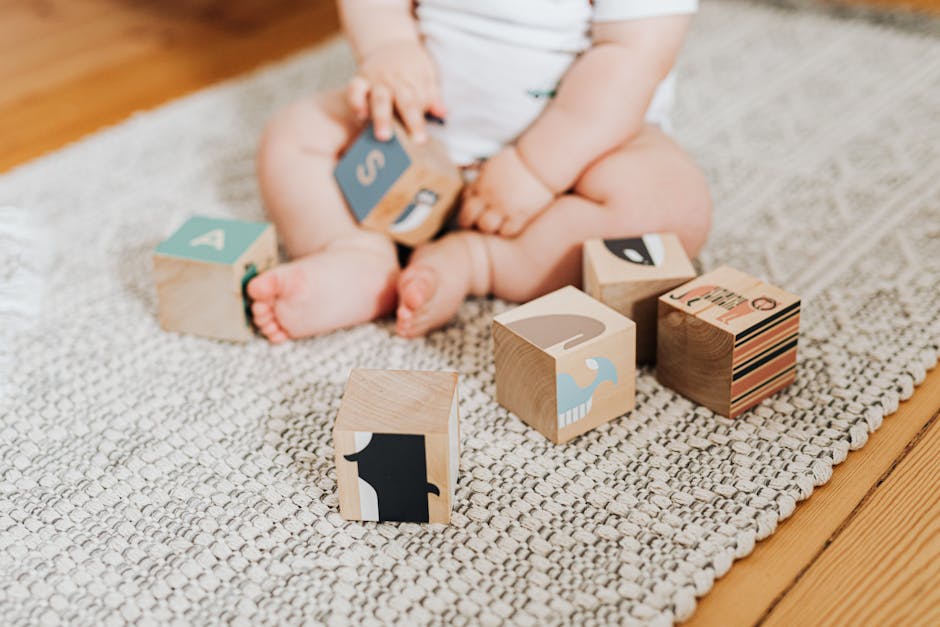
Babies are naturally curious. They explore the world through their senses. A major part of this exploration involves bringing toys to their mouths. This behavior is part of early sensory exploration. It helps them learn about their environment. Understanding this developmental phase can ease parental concerns.
Why Babies Use Their Mouths
Babies use their mouths as a primary tool for exploration. During infancy, the mouth is a vital sensory organ. Through it, babies gather information about objects. They taste, touch, and feel textures with their mouths. This process aids in understanding their surroundings.
Babies begin mouthing objects around 3 to 6 months. At this age, they start grasping toys. Bringing toys to their mouth follows naturally. This milestone indicates growing curiosity and cognitive development. Parents witness these changes as their baby becomes more interactive.
Safety Considerations
Ensure toys are safe for mouthing. Choose toys designed for infants. They should be free from small parts. This prevents choking hazards. Regularly check toys for wear and tear. Safety is crucial during this exploratory phase.
Encouraging Safe Exploration
Provide a variety of safe toys. Different textures and shapes stimulate sensory exploration. Soft, washable toys are ideal. They offer comfort and safety. Encourage your baby’s curiosity by offering diverse play options.

Credit: www.healthline.com
Mouthing Reflex In Infants
Babies typically start bringing toys to their mouths around three to four months old. This behavior is part of their mouthing reflex, helping them explore and learn about objects through taste and texture. It also plays a key role in soothing teething discomfort.
The mouthing reflex in infants is a fascinating and essential developmental phase. It's a natural behavior where babies bring objects to their mouths, and it's not just about teething. This reflex plays a crucial role in their growth, helping them explore the world and develop key skills.
Understanding The Mouthing Reflex
From the moment babies are born, the mouthing reflex is hard at work. It's an instinctive action that helps them learn about their environment. By placing toys in their mouths, they begin to understand different textures, shapes, and sizes. You might notice your little one mouthing everything within reach. This is normal and beneficial. It encourages sensory development, allowing them to experience the world in a tactile way.
When Does Mouthing Begin?
Most babies start mouthing objects around three to four months of age. This is when their hand-eye coordination begins to improve, allowing them to grasp toys and bring them to their mouths. As they grow, this behavior becomes more frequent. You may find your baby reaching for toys with more intention and curiosity.
Why Is Mouthing Important?
Mouthing helps with oral development. It strengthens the muscles in the mouth, preparing them for speech and eating solid foods. It also acts as a form of exploration. Babies learn through their senses, and mouthing is an early step in their learning journey.
Keeping Your Baby Safe During Mouthing
Safety is a priority during this phase. Always ensure the toys your baby mouths are clean and free from small parts that could be a choking hazard. Consider toys specifically designed for teething. They are made from safe materials and often provide additional relief for sore gums.
How To Support Your Baby’s Mouthing Reflex
Offer a variety of textures. This can be as simple as providing different types of teething toys or cloths. Each texture offers a new experience for your baby. Engage with them. When your baby mouths a toy, talk to them about what they might be feeling. Use words like "soft," "bumpy," or "smooth." Have you ever watched as a baby explored a new toy with their mouth? It's a reminder of how every small action contributes to their growth. What new things will your baby discover today?
Developmental Milestones
Babies experience rapid growth and change during their early months. Observing these changes can be fascinating for parents. One key milestone is the tendency to bring toys to their mouth. This action is part of exploring their surroundings and learning about textures and shapes. Understanding when babies typically reach this milestone helps parents provide appropriate toys and nurture healthy development.
Three To Six Months
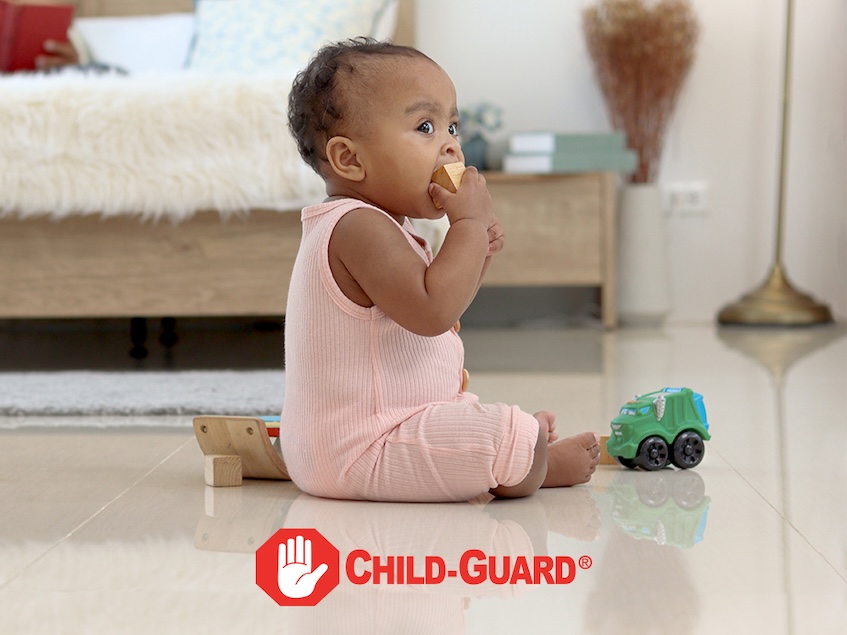
During this stage, babies start to gain more control over their hands. They begin to grasp objects and explore them. Bringing toys to their mouth is a common behavior. This is a way for them to understand the world. It helps them discover different textures. Most babies start teething around this age. Toys provide comfort to sore gums. Parents should ensure toys are safe and free from small parts.
Six To Nine Months
Babies become more curious and active during these months. They are improving their hand-eye coordination. Toys become a vital part of learning. Bringing toys to their mouth continues as a way to explore. It is an important sensory experience. Babies might start crawling. This means they can reach more objects. Parents should check toys for safety regularly. Ensure toys are clean and suitable for teething. Babies at this stage can handle slightly larger toys.
Credit: fresh-lock.com
Role Of Teething
Teething is a natural process that begins around six months of age. During this time, babies explore the world through their mouths. They often bring toys and other objects to their mouths. This behavior is not just curiosity. It plays an essential role in their development. Understanding the role of teething helps parents guide their baby's exploration. It also helps ensure safety during this developmental stage.
Understanding Teething
Teething can be uncomfortable for babies. As teeth push through gums, babies feel pressure and pain. Chewing on toys provides relief. The pressure on gums eases discomfort. It is a natural way to soothe sore gums. This is why babies often bring toys to their mouths during teething.
Benefits Of Mouthing Toys
Mouthing toys during teething offers several benefits. It helps develop oral motor skills. Babies learn to move their mouths in new ways. This is important for speech development later. Mouthing toys also helps with sensory exploration. Babies experience different textures and shapes. This exploration is crucial for cognitive growth.
Choosing The Right Toys
Choose safe toys for teething babies. Look for toys made of soft, non-toxic materials. Avoid small parts that can be a choking hazard. Teething rings are a popular choice. They are designed to be safe and soothing. Silicone or rubber toys are also excellent options. They are easy to clean and durable.
Safety Precautions
Always supervise your baby during playtime. Ensure toys are clean before use. Inspect toys regularly for wear and tear. Broken toys can pose safety risks. Replace damaged toys immediately. Keeping toys clean and safe prevents health risks. This ensures a safe teething experience for your baby.
Importance Of Safety
Babies are naturally curious, and putting toys in their mouths is a key part of how they explore the world. This behavior helps them learn about different shapes, textures, and even tastes. However, it's crucial to ensure that the toys they interact with are safe, as they are still developing and are more vulnerable to potential hazards. How can you ensure your baby's playtime remains a safe and joyful experience?
Choosing Safe Toys
When selecting toys, always check for age-appropriate labels. These labels provide guidance on which toys are suitable for your baby's developmental stage. Toys designed for older children can pose risks, such as small parts that might be swallowed.
Examine toys for sturdy construction. Toys should be robust enough to withstand chewing without breaking into small, sharp pieces. Materials should be non-toxic, as babies will inevitably taste-test everything they can grasp.
Consider the size of the toy. A good rule of thumb is to avoid toys that can fit entirely into a toilet paper roll, as these may pose choking hazards. You can also look for toys that adhere to safety standards, such as those marked with the ASTM or CE certification.
Supervision Tips
Never underestimate the power of supervision. Keeping an eye on your baby while they play is one of the best ways to ensure their safety. This way, you can quickly intervene if they try to chew on something inappropriate.
Create a safe play area. Designate a specific area for your baby to play, free of small objects and potential hazards. Make sure this space is regularly checked and cleaned to keep it safe and inviting.
Engage with your baby during playtime. Not only does this enhance their learning experience, but it also allows you to observe their interactions with toys closely. You might even notice favorite toys that help in their development.
Safety during play is not just about the toys themselves but how they are used. So, what steps will you take to safeguard your baby's adventures in their exciting world of discovery?
Credit: www.banterspeech.com.au
Encouraging Healthy Habits
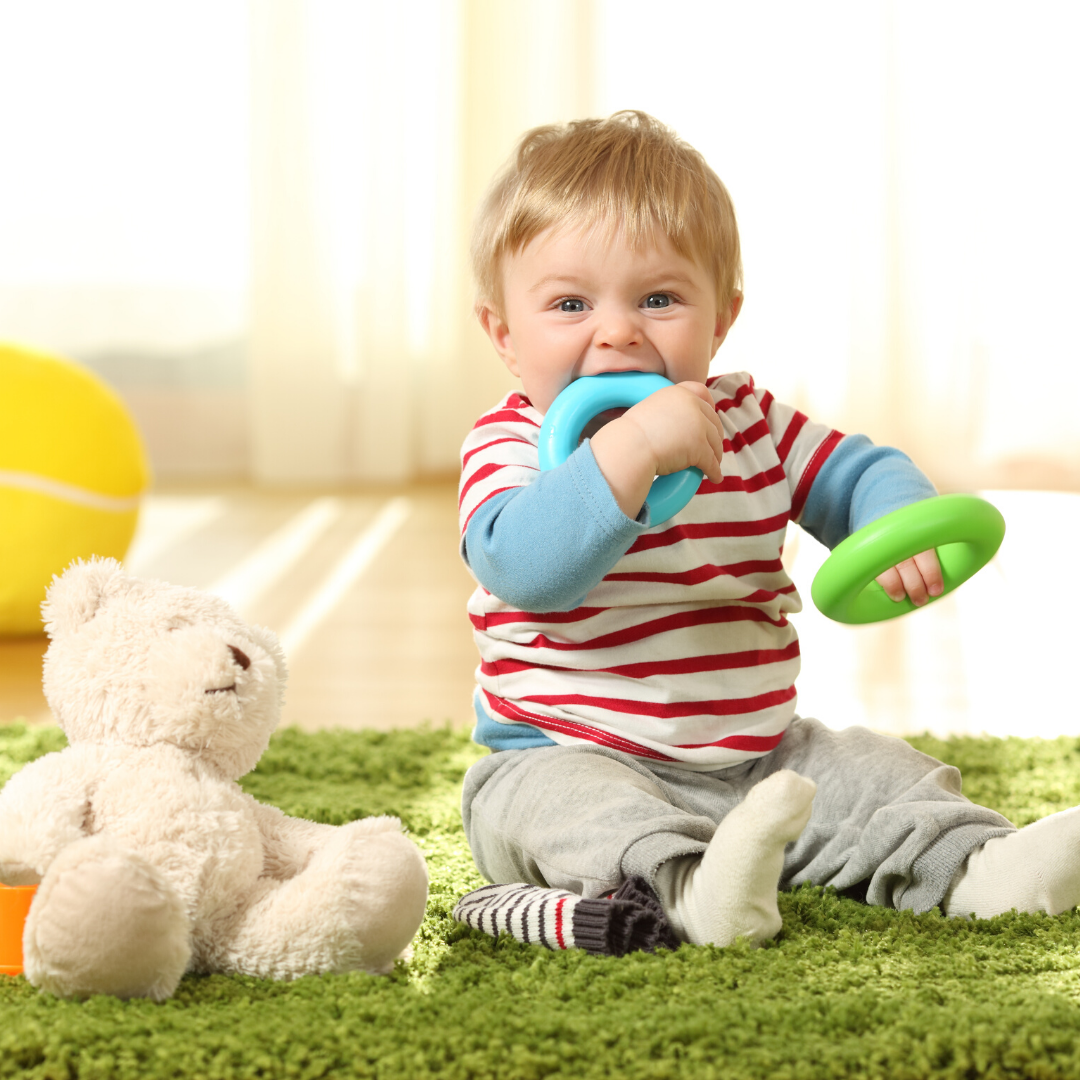
Encouraging healthy habits in infants is crucial for their development. Bringing toys to the mouth is a natural behavior. It helps babies explore the world through their senses. Parents can guide this exploration safely and effectively.
Provide Safe Toys
Choose toys made of non-toxic materials. Ensure they are large enough not to swallow. Soft textures and varied shapes stimulate interest. Inspect toys regularly for wear and damage.
Supervise Playtime
Always watch your baby during playtime. Prevent choking hazards and ensure safe exploration. Be attentive to your baby's reactions. Remove any toy that causes discomfort.
Encourage Varied Textures
Introduce toys with different textures. Encourage sensory exploration and tactile learning. Soft, smooth, and bumpy surfaces offer diverse experiences. Rotate toys to maintain interest and curiosity.
Maintain Hygiene
Regularly clean toys your baby mouths. Use soap and water or baby-safe disinfectants. Ensure toys are dry before giving them back. This practice prevents germs and keeps your baby healthy.
Model Positive Behavior
Show your baby how to interact with toys. Demonstrate gentle handling and respect for items. Babies learn by observing adults. Your actions guide their behavior.
Frequently Asked Questions
When Do Babies Start Mouthing Toys?
Babies usually begin bringing toys to their mouths around 3 to 6 months old. This behavior helps them explore textures and sensations. It also aids in soothing gums during teething. Always ensure that toys are clean and safe, free from small parts that could be swallowed.
Why Do Babies Mouth Everything?
Babies mouth objects to explore their environment and learn through taste and texture. This behavior is crucial for their sensory development. It also helps in teething, as chewing soothes their gums. Ensure toys are safe to prevent choking hazards.
How Can I Ensure Toy Safety For My Baby?
Choose toys made from non-toxic materials and avoid small, detachable parts. Always supervise your baby during playtime. Regularly inspect toys for damage or wear. Clean them frequently to maintain hygiene and prevent the spread of germs.
What If My Baby Doesn’t Mouth Toys?
Not all babies mouth toys at the same age. If your baby isn't mouthing toys, it might be developing other skills. Consult your pediatrician if you have concerns about their development. They can provide guidance tailored to your baby's needs.
Conclusion
Babies explore their world by bringing toys to their mouths. This behavior begins around 4 to 7 months. It's a normal part of development. Helps with learning textures and shapes. Teething can also be a reason. Parents should ensure toys are safe and clean.
Watch for small parts and sharp edges. Offer diverse toys to stimulate curiosity. Every baby is unique. Development varies slightly from child to child. Encourage exploration while ensuring safety. Enjoy these moments as your baby grows and learns. Embrace the journey of discovery together.