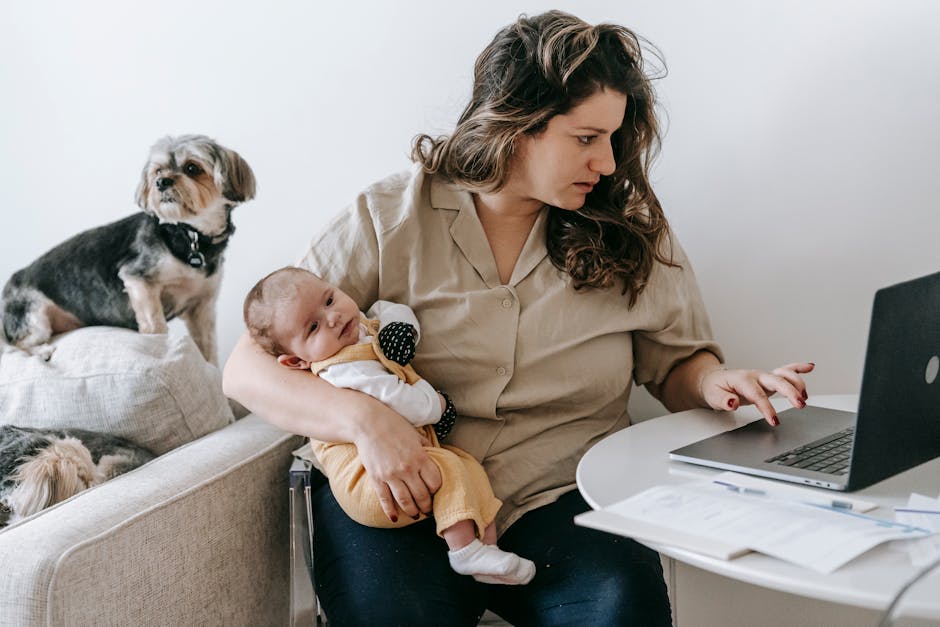
Your dog is a cherished member of your family, always ready to play and explore. However, when your furry friend sets their sights on your baby's toys, it can become a real challenge.
You might find yourself constantly picking up toys or worrying about your baby's safety. But what if there was a way to keep both your baby and your dog happy, without the stress? Imagine a home where your baby’s toys remain untouched by your curious canine.
In this guide, you'll discover simple, effective strategies to stop your dog from turning those colorful baby toys into their new favorite chew items. Let’s dive in and restore peace in your household.
Understanding Dog Behavior
Dogs often find baby toys irresistible, mistaking them for their own. Teach your dog boundaries using commands like "leave it. " Keep baby toys out of reach to prevent temptation. Offer dog-safe alternatives to satisfy their play instincts.
Understanding dog behavior is crucial when you're trying to stop your furry friend from stealing your baby's toys. Dogs are naturally curious creatures, often driven by instincts that can sometimes be puzzling to us. By decoding their behavior, you can address the root causes and find practical solutions. This way, both your pup and your baby can coexist peacefully.
Reasons Behind Toy Stealing
Why do dogs seem to have an insatiable desire for baby toys? Often, it’s the enticing smells and textures that draw them in. Babies tend to drool on their toys, leaving them with a scent that’s intriguing to a dog’s sensitive nose. Additionally, the soft and chewy texture of baby toys can mimic the feel of their favorite chew toys. Dogs also engage in stealing toys out of boredom or a need for attention. If your dog feels neglected, they might start grabbing toys just to get you to notice them. Consider whether your dog is getting enough physical and mental stimulation throughout the day. Have you ever noticed that your dog only goes for toys when you’re not looking? This could be a sign that they’re testing boundaries. Establishing clear rules and consistent training can help curb this sneaky behavior.
Common Misconceptions
Many people think that dogs steal toys because they’re being spiteful or naughty. But this isn't usually the case. Dogs don’t have the same complex emotions as humans. They’re not plotting against you; they’re simply following their instincts. Some might assume that punishing your dog is the best way to stop the behavior. However, punishment can often lead to more stress and anxiety, worsening the problem. Instead, focus on positive reinforcement to encourage good behavior. Another common misconception is that providing more toys will solve the problem. While it's important to have toys available, it’s more effective to rotate them to keep your dog interested. Quality over quantity is key here, as dogs can get bored with the same toys over time. Understanding these aspects of dog behavior can help you address toy-stealing in a way that's compassionate and effective. What steps will you take to ensure both your baby and dog are happy at home?

Credit: www.youtube.com
Creating Boundaries
Establish clear boundaries to keep your dog away from baby toys. Use physical barriers like gates or playpens. Teach commands such as "leave it" or "stay" to reinforce behavior.
Creating boundaries is essential to keep your dog from turning your baby’s toys into chewables. Dogs are naturally curious, and baby toys often look like the perfect playthings. By setting clear boundaries, you can keep your dog's playful antics from resulting in chewed-up toys and potential hazards for your baby.
Designated Play Areas
Have you ever considered creating specific play zones for your dog and baby? These areas can help your dog understand where they can and cannot go. Use baby gates or playpens to section off parts of your home. This physical barrier not only protects your child's toys but also provides a safe environment for both your baby and dog. Assign a specific area where your dog can play with their own toys. This helps them learn that their toys are separate from your baby's. Reinforce this habit by consistently placing dog toys in this area and praising your dog when they play there. Creating designated spaces can teach your dog about boundaries. It’s like having a room of their own where they can be themselves without getting into trouble. Wouldn't you appreciate having your own space too?
Introducing Safe Zones
Safe zones can be a game-changer in managing your dog's behavior around baby toys. These are areas where your baby can freely play without the risk of having their toys chewed on. A playpen is a great option to create a secure space for your baby. It allows your child to explore without constant supervision, knowing their toys are safe. Teach your dog that these safe zones are off-limits. Use commands like "stay" or "leave it" to reinforce this boundary. Consistency is key—reward your dog with treats when they respect these spaces. Having a safe zone doesn’t just protect toys; it also instills a sense of security for your baby. Do you think your dog will understand these boundaries with consistent training? Remember, patience and persistence are your best allies in this journey.
Training Techniques
Training your dog to stop taking baby toys is important. It keeps your baby safe and toys clean. Training will also improve your dog's behavior. With proper techniques, this can be done effectively. Let's explore some training techniques to help address this issue.
Basic Obedience Commands
Teaching basic commands is the first step. Commands like 'sit,' 'stay,' and 'leave it' are useful. These commands help manage your dog's actions. Start with short training sessions. Keep them fun and engaging. Use a firm voice but stay calm. Reward your dog for obeying. Consistency is key for success.
Positive Reinforcement Strategies
Positive reinforcement builds good behavior. Reward your dog with treats or praise. Do this each time they follow commands correctly. When your dog leaves the toy, give a treat. Praise them for choosing their own toy. This makes the learning process enjoyable. Your dog will associate good behavior with rewards. Avoid scolding harshly. Focus on rewarding positive actions.

Credit: www.dogmeetsbaby.expert
Using Deterrents
Dogs often mistake baby toys for their own. Utilize deterrents like bitter sprays or specific scents to discourage this behavior. Consistent training and supervision can also help keep toys safe from curious pups.
When your furry friend has a knack for swiping your baby's toys, it can be both amusing and frustrating. You might have tried numerous tactics to keep your dog's paws off those colorful playthings, but there's still hope. Using deterrents can be a game-changer in discouraging this behavior. Let's explore how scent-based and taste-based deterrents can effectively curb your dog's toy-stealing antics.
Scent-based Deterrents
Dogs have a keen sense of smell. You can use this to your advantage by applying scents that dogs generally dislike. Consider scents like citrus or vinegar. A simple trick is to spray a small amount of lemon juice on the toys. This scent is usually unpleasant for dogs, making the toys less appealing. Some pet stores offer ready-made deterrent sprays. These are designed to be safe for both babies and dogs. Have you ever noticed your dog's aversion to certain smells? Harness that power to protect your baby's toys!
Taste-based Deterrents
Taste deterrents are another effective strategy. These are often bitter solutions that can be applied to toys. You might be surprised by how quickly a bitter apple spray can deter your dog from grabbing toys. It's safe, easy to apply, and widely available. Ensure the taste deterrent is non-toxic and approved for use around pets and children. Have you tried a taste deterrent before? If not, it might be just the trick you need. By utilizing scent and taste-based deterrents, you create a boundary without harsh discipline. These methods are simple, cost-effective, and safe for your household. Wouldn't it be great to enjoy peace of mind knowing your baby's toys are secure?
Substituting Toys
Prevent dogs from stealing baby toys by providing them with their own engaging alternatives. Choose durable, dog-safe toys that mimic the texture and size of baby toys. Rotate these toys regularly to keep your dog interested and content.
Substituting Toys is a clever strategy to keep your dog from stealing your baby's toys. It's about providing alternatives that satisfy your dog's playful nature, ensuring harmony in your home. Imagine the joy of seeing your dog happily playing with their own toys while your baby safely enjoys theirs. Let's explore how you can make this happen.
Choosing Appropriate Dog Toys
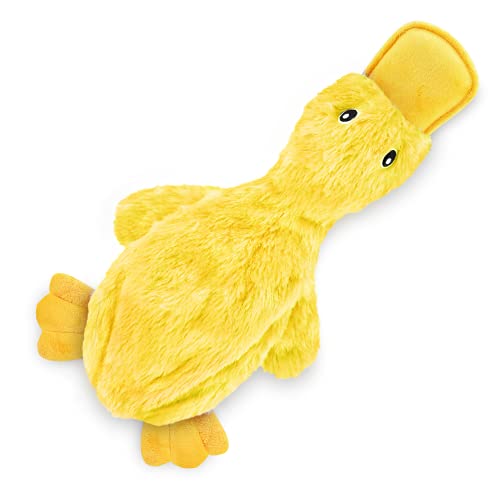
Selecting the right toys for your dog is crucial. Opt for toys that mimic the texture and size of baby toys, but are safe and durable for dogs. This way, your dog is less tempted to snatch your baby's toys. Look for toys that stimulate your dog's senses. Toys with squeakers or unique textures can be more appealing than your baby's toys. Consider your dog's preferences. Does your dog love chewing, chasing, or tugging? Tailor the toy selection to their interests.
Rotating Toy Selection
Keep your dog's interest alive by rotating their toys. Just like how babies get bored with the same toys, dogs need variety too. Switch out toys weekly. This keeps them curious and excited, reducing the allure of your baby's toys. Observe your dog's reactions. If a toy seems less engaging, swap it with another. It's like having a mini surprise for your dog regularly. Substituting toys isn't just about buying new ones. It's about understanding your dog's likes and dislikes and keeping them entertained. What toys does your dog love most? Share your thoughts in the comments!
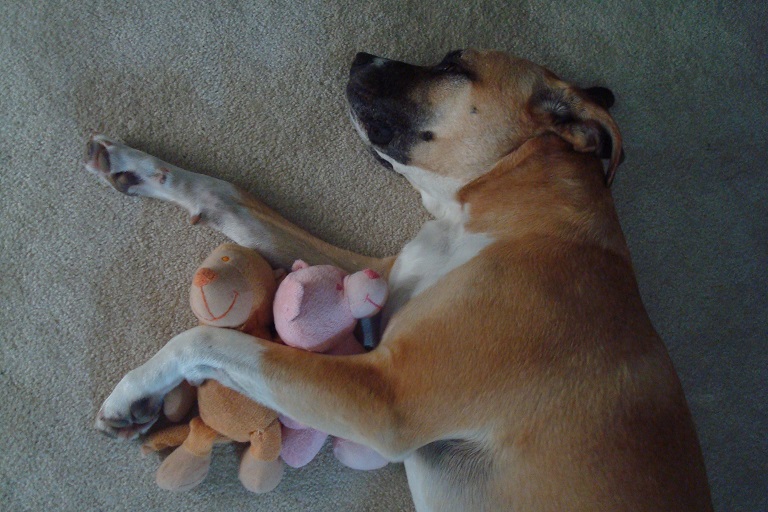
Credit: www.thatmutt.com
Supervised Interaction
Training dogs to leave baby toys alone involves consistent supervision. Keep toys separate and provide alternatives. Reward good behavior to reinforce learning.
Supervised interaction is key to ensuring your dog and baby coexist peacefully without a battle over toys. It's about creating a safe environment where your dog learns to respect baby toys as off-limits. A watchful eye is necessary to prevent unwanted behavior and to guide them towards better choices.
Monitoring Playtime
Keep an eye on your dog during playtime with your baby. Observing their behavior can offer insights into when and why your dog might be tempted to grab a toy. Does your dog show interest in specific toys? Use this knowledge to modify their behavior. Watch for cues like excessive curiosity or hovering around the play area. This allows you to step in before the toy theft happens.
Intervening When Necessary
When your dog starts eyeing baby toys, step in promptly. Use a firm voice to correct their behavior. Redirect their attention by offering an appropriate dog toy. This teaches them that baby toys are not theirs to play with. Engage them in a different activity, like a game of fetch, to divert their focus. Consistent intervention helps reinforce boundaries. Supervised interaction isn't just about keeping toys safe; it's about nurturing a respectful relationship between your dog and baby. How do you balance supervision without hovering? Finding this balance can prevent toy theft and ensure harmonious playtime.
Establishing Consistent Routines
Establishing consistent routines is crucial in teaching your dog new habits. Dogs thrive on predictability and structure, which helps them understand what is expected. Setting up a routine can make it easier to teach your dog not to steal baby toys. By organizing daily activities, you provide clear boundaries and expectations.
Feeding And Playtime Schedules
Start with regular feeding times to give your dog a sense of security. Dogs are less likely to seek out toys when they know food is coming soon. Align playtimes with your baby's sleep schedule. This keeps your dog entertained when your baby is resting. Structured playtimes help burn off energy, reducing toy theft.
Incorporating Training Sessions
Schedule short training sessions every day. Focus on commands like 'leave it' to deter toy stealing. Use rewards to reinforce positive behaviors during these sessions. Consistent training helps your dog understand boundaries around baby toys. Keep sessions short to maintain your dog's interest and focus.
Consulting Professionals
Consulting professionals offer solutions to stop dogs from taking baby toys. They provide strategies like designated play areas and positive reinforcement. These techniques help maintain harmony in homes with pets and young children.
Consulting professionals can help stop your dog from stealing toys. They offer expert advice tailored to your dog's needs. Professional help ensures effective solutions and a harmonious home. Below are some insights on how behaviorists, trainers, and veterinarians can assist.
Behaviorists And Trainers
Behaviorists study animal behavior patterns. They identify reasons behind your dog's actions. They use strategies to modify unwanted behavior. Trainers focus on teaching dogs new commands. They reinforce positive actions through rewards. Both professionals work to improve your dog's behavior. They create personalized plans for your pet. This ensures lasting change and a happier environment.
Veterinary Advice
Veterinarians check for underlying health issues. Sometimes, stealing toys signals stress or medical problems. A vet can identify such concerns. They provide health assessments and advice. This ensures your dog is healthy and well-adjusted. Vets also recommend dietary adjustments if needed. Professional veterinary advice is crucial for your dog's well-being. It supports behavioral changes effectively.
Frequently Asked Questions
Why Do Dogs Steal Baby Toys?
Dogs often steal baby toys due to curiosity or boredom. Toys have enticing smells and textures that attract them. To prevent this, ensure your dog has plenty of their own toys. Regular playtime and mental stimulation can also help reduce this behavior.
How Can I Train My Dog Not To Steal?
Training involves consistent commands and rewards for good behavior. Use the "leave it" or "drop it" command when they approach baby toys. Reward them when they obey. Regular training sessions and positive reinforcement are key to success.
Are Baby Toys Safe For Dogs?
Baby toys are not designed for dogs and may pose choking hazards. They can break easily, posing a risk to your dog. Always provide your dog with toys specifically designed for canine use to ensure safety.
What Toys Should I Give My Dog Instead?
Provide your dog with durable, dog-safe toys like rubber chew toys or treat-dispensing puzzles. These toys are designed to withstand vigorous chewing. They also keep your dog engaged, reducing the likelihood of them stealing baby toys.
Conclusion
Teaching your dog respect for baby toys is crucial. Consistent training builds good habits. Keep your dog occupied with its own toys. Maintain a routine to prevent boredom. Use praise when your dog behaves well. Patience makes a big difference.
Everyone's involved in keeping toys safe. Your baby and dog can coexist happily. It's all about balance and understanding. Keep practicing and stay positive. Changes take time, but are worth it. Celebrate small victories along the way. A peaceful home with happy kids and pets is possible.
You got this!