
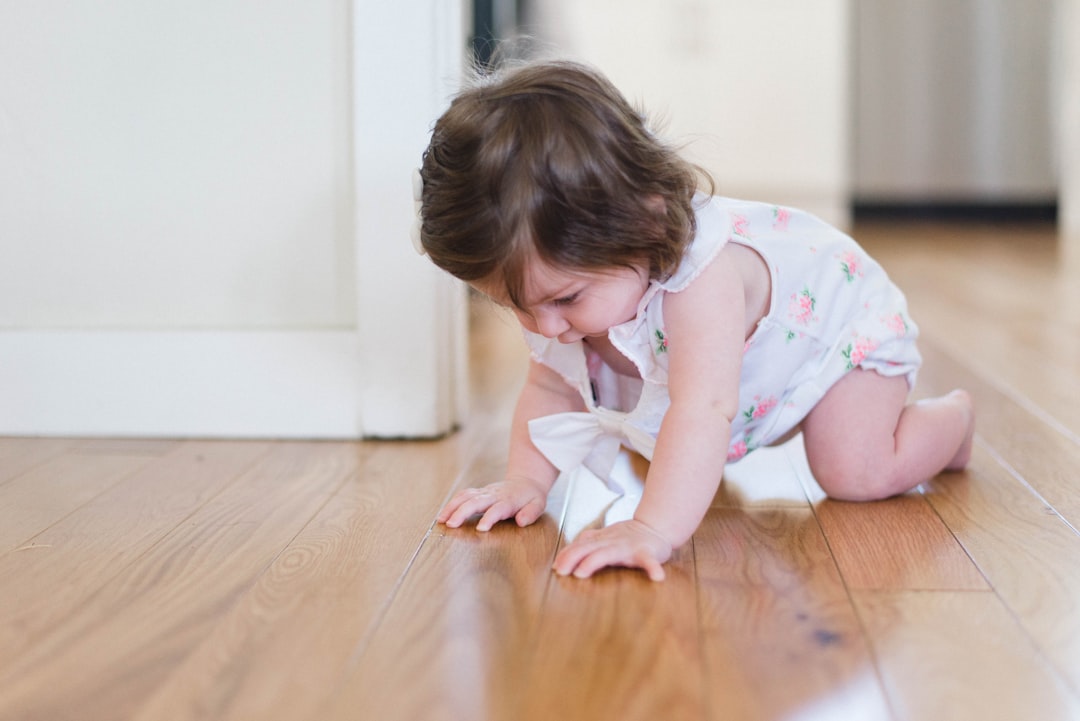
Ever noticed how your little one loves to clutch their favorite teddy or rattle while crawling around? It might seem like a simple act, but there's more to this adorable habit than meets the eye.
Understanding why babies carry toys as they explore their world is not just fascinating—it's crucial for understanding their development. You'll discover how this behavior supports their growth, enhances their sensory experiences, and even strengthens their emotional bonds. Curious to know how such a small gesture plays a big role in your baby's life?
Keep reading to uncover the delightful reasons behind this charming behavior and how it impacts your child’s development in ways you might not expect.
Developmental Milestones
Babies carry toys while crawling to explore and learn about their world. This behavior helps develop motor skills and coordination. Holding toys also boosts their sensory experiences and strengthens hand-eye coordination.
Understanding the developmental milestones of babies can be a delightful journey. These milestones are the skills and abilities that most children achieve by a certain age. Watching a baby progress from crawling to walking, or from babbling to forming words, is an incredible experience. One such intriguing milestone is when babies start carrying toys around while they crawl.
Strengthening Motor Skills
When babies crawl with toys, they are improving their motor skills. Holding a toy requires coordination and balance. This simple act helps them develop the muscles in their arms, hands, and fingers. It also enhances their hand-eye coordination. Next time you see your baby clutching a teddy bear while on the move, know that they're building essential skills for the future.
Boosting Cognitive Development
Carrying toys around isn't just about physical strength. It's also about cognitive development. Babies learn about object permanence when they take a toy with them. They're beginning to understand that objects exist even when they can't see them. This is a crucial step in their mental growth.
Encouraging Exploration
When a baby carries a toy while crawling, it opens up a world of exploration. They become little adventurers, eager to discover new places with their favorite item in tow. This behavior encourages curiosity and a sense of independence. Have you noticed how proud they look when they move across the room with their beloved toy? It's because they're becoming more confident explorers.
Enhancing Emotional Security
Toys often provide emotional comfort to babies. Carrying a familiar item can make a new or intimidating environment less frightening. It acts as a security blanket, offering reassurance. This emotional support can be crucial, especially during transitional phases like moving to a new house or starting daycare.
Facilitating Social Interaction
Toys can also serve as conversation starters for your baby. They might crawl up to another child holding a toy, initiating a form of social interaction. This helps them learn about sharing and playing together. Have you ever seen your baby offer their toy to another child? It's a small but significant step towards understanding relationships. Do these insights resonate with your experiences? Watching your child achieve these milestones can be both exciting and educational. Each step they take with a toy in hand is a testament to their growing skills and independence. What toy does your baby love to carry around? Let us know in the comments!

Credit: www.choa.org
Cognitive Growth
Understanding the fascinating process of cognitive growth in babies can be both exciting and eye-opening for any parent or caregiver. As your little one begins to explore the world, you might notice them carrying toys around while crawling. This simple action is more than just a cute habit; it's a crucial part of their mental development. Let's dive into how carrying toys contributes to their cognitive growth and why it's an essential milestone.
Why Carrying Toys Matters
When a baby carries a toy around, they are engaging in a process that boosts their brain development. This action helps them understand cause and effect. They learn that moving the toy from one place to another creates change. This understanding lays the foundation for problem-solving skills.
Moreover, carrying toys enhances their memory. By repeatedly interacting with the same object, they start to remember its characteristics and how it feels. This repetition strengthens neural pathways and aids in information retention.
Building Coordination And Balance
Carrying toys requires coordination and balance. As your baby crawls, they need to manage the weight and size of the object. This effort helps improve their motor skills. They learn to balance their movements, a skill that will benefit them as they begin to walk.
Consider this: how often do you see a baby drop a toy and then pick it up again? This trial-and-error process is essential. Each time they pick up the toy, they refine their hand-eye coordination and grip.
Encouraging Exploration
Babies are natural explorers. Carrying toys gives them a sense of purpose in their journey. They become more curious about their surroundings. This curiosity drives them to explore different textures, shapes, and sizes.
As they crawl with a toy, they are more likely to venture into new areas. This behavior fosters spatial awareness and helps them understand their environment better.
Social Interaction And Learning
Have you ever noticed how a baby’s face lights up when you engage with them and their toy? Carrying toys can be a way for them to invite interaction. They might offer their toy to you, seeking your reaction. This exchange is a form of communication.
Through these interactions, they learn about sharing and social cues. It's a small step towards understanding relationships and empathy.
So next time your baby proudly crawls around with their favorite toy, remember that it's more than just play. It's an essential part of their cognitive growth. How can you encourage more of these learning moments? Consider providing a variety of toys to stimulate their senses and curiosity. And most importantly, enjoy these precious moments as you watch them grow.
Motor Skills Enhancement
Babies carry toys around while crawling to develop motor skills. This activity strengthens their muscles and coordination. It also enhances their hand-eye coordination, helping them learn how to grasp and move objects effectively.
Motor skills are crucial as they lay the foundation for a child's physical development. Babies often carry toys when they crawl, which might seem like a simple act but plays a significant role in enhancing their motor skills. Understanding how this activity contributes to their growth can provide insights into their developmental journey.
Understanding The Basics Of Motor Skills
Babies develop motor skills in stages. Initially, they learn to control their head, then move on to grabbing objects. Crawling with toys is a step forward in this journey. It combines hand-eye coordination with movement, helping babies improve their spatial awareness.
Coordination And Balance
When a baby carries a toy while crawling, they learn to balance. This act requires coordination between their hands and legs. As they move, they constantly adjust their weight to keep from tipping over. This practice strengthens their muscles and improves their balance.
Hand-eye Coordination
Crawling with toys enhances hand-eye coordination. Babies need to look at the toy they're carrying while navigating their environment. This practice helps them understand how their actions influence their surroundings, a skill they will use throughout life.
Problem-solving Skills
Encountering obstacles while carrying toys challenges babies to find solutions. They might need to figure out how to get around a chair or how to hold onto their toy while crawling over a small bump. This problem-solving process is vital for cognitive development.
Encouraging Independence
As babies learn to carry toys around, they develop a sense of independence. They decide which toy to carry and where to take it, giving them a small sense of control. This independence encourages them to explore their environment more confidently.
Practical Tips For Parents
Encourage your baby to carry toys by providing safe and lightweight options. Observe which toys they prefer and place them just out of reach to motivate crawling. Celebrate their efforts to boost their confidence. Next time you see your baby carrying a toy while crawling, remember the incredible skills they're developing. How might you support them in this exciting learning phase?
Emotional Comfort
Babies often carry toys while crawling for emotional comfort. These toys offer a sense of security and familiarity. Holding onto a toy can calm them, helping them explore their surroundings with confidence.
When you see a baby clutching a toy as they crawl around, it might seem like a simple act of play. Yet, this behavior often roots deeper in the concept of emotional comfort. From the moment they are born, babies seek comfort in various forms, and toys can offer a unique sense of security and familiarity.
Understanding Emotional Bonds
Babies often form attachments to specific toys. It's not just any toy; it's their favorite teddy bear or that colorful block. These toys become part of their world, offering a sense of stability amidst their constant exploration. Why do you think babies cry when their favorite toy is missing? It's because these toys are more than objects; they are companions in their tiny adventures. The presence of these toys can turn an unfamiliar environment into a comforting space.
Providing Security In New Experiences
As babies crawl into new territories, they are exposed to unfamiliar sights and sounds. It's exciting yet daunting. Carrying a toy offers a security blanket—a reminder of the familiar. Imagine crawling under a table or discovering a new corner of the room. With a toy in hand, babies have a piece of home with them. It's like having a trusted friend by their side, providing encouragement and boosting confidence.
Fostering Independence
Carrying toys around is also a step towards independence. Babies begin to understand that they can bring comfort wherever they go. This realization can be empowering. This behavior encourages them to explore more. You might notice your baby venturing into new spaces, clutching their toy tightly. It's a sign that they are building self-assurance, knowing they have something familiar with them.
Building Emotional Resilience
Toys play a role in emotional resilience. When babies face a challenging situation—like meeting new people or hearing loud noises—having their toy helps them cope. Consider how you'd feel in a stressful situation with a familiar item. It's similar for babies. The toy acts as a soothing presence, helping them navigate their emotions and adapt to changes.
Encouraging Emotional Expression
Babies express emotions differently than adults. Toys become a medium through which they can communicate feelings. Holding a toy might signal happiness, while abandoning it might suggest discomfort. Watch how your baby interacts with their toy during different activities. This can provide insights into their emotional state and preferences. It’s a way for them to show what they feel without words. Reflect on your own childhood. Do you recall a favorite toy that provided comfort? Understanding this behavior in babies can enrich your parenting journey, offering support as they grow emotionally.
Exploration And Curiosity
Babies explore their world with eager curiosity. Every sight, sound, and touch is new. They crawl across the floor, toys in hand. These toys become companions in their journey. They are not just objects, but tools for discovery.
Exploration Through Movement
Crawling is a baby's first taste of freedom. They can move and explore independently. Toys give them a reason to crawl further. Each movement brings new experiences. They learn about textures and shapes as they move.
Curiosity In Action
Babies are naturally curious. Every toy holds a mystery waiting to be solved. They turn it over, press buttons, and shake it. Each action teaches them cause and effect. Curiosity drives them to understand their toys.
Building Confidence
Carrying toys helps build confidence. A toy in hand provides comfort. It assures them they can hold and manipulate objects. This boosts their self-esteem. They feel proud of their abilities.
Strengthening Bonds
Toys often have sentimental value. A favorite toy becomes a friend. Babies form bonds with these objects. Familiar toys make them feel secure. They enjoy sharing toys with parents, creating joyful moments.
Encouraging Problem-solving Skills
Interacting with toys encourages problem-solving. Babies figure out how to fit pieces together. They learn to open and close lids. These activities sharpen their thinking skills. Problem-solving becomes a fun challenge.

Credit: www.walmart.com
Social Interaction
Babies often carry toys while crawling to explore their surroundings. This behavior helps them feel secure and connected. Toys offer comfort and stimulate curiosity in new environments.
Babies are like little explorers, constantly learning about the world around them. One fascinating aspect of their development is how they engage in social interaction through play. When babies carry toys while they crawl, it isn't just about moving objects from one place to another. It’s a dynamic part of how they start understanding relationships, communication, and cooperation. This activity is crucial for their social growth, helping them connect with others in their environment.
Understanding Social Interaction Through Play
In those early years, play is a baby’s primary way to interact with their surroundings. When your baby crawls with a toy, they might be trying to show it to you. This simple act is a form of communication. It's like saying, "Look what I have!" Your response to this can build their confidence and encourage more interactions. Babies often mimic actions they observe. If they see you using a phone or holding a spoon, they might carry a toy in a similar manner. This imitation is a sign of their social learning. They’re practicing the roles they see adults play, which is foundational in developing their social skills.
Enhancing Cooperation Skills
When babies carry toys around, they may also be inviting others to join in their play. You might notice them handing a toy to another child or even to you. This sharing is a basic form of cooperation. It sets the groundwork for teamwork and collaboration, essential skills later in life. Have you ever tried to join your baby in their play? It’s an opportunity for you both to engage in a shared activity. Whether you’re helping them stack blocks or simply watching them play, your involvement teaches them the importance of working together.
Encouraging Communication
Crawling with toys is a chance for babies to express themselves. They can show preferences by picking specific toys, or they might make sounds to catch your attention. This is an early form of communication, teaching them to use gestures and sounds to convey messages. Imagine your baby crawling towards you with their favorite stuffed animal. They might babble or make sounds to invite interaction. Responding to these cues enhances their language skills, setting a foundation for verbal communication.
Building Relationships
Toys are more than just objects; they can be tools for building relationships. When a baby hands you a toy, they’re not just sharing an item. They’re sharing a moment with you. This act helps strengthen your bond and builds trust. Think about the times your baby has crawled to you with a toy. Each interaction is a chance to nurture your relationship. Engaging with them during playtime reinforces your connection, making them feel secure and valued. So, next time your baby crawls around with a toy, consider the social lessons they’re learning. How can you use these moments to deepen your bond and foster their social skills?
Imitative Behavior
Imitative behavior plays a significant role in a baby's development. Babies are natural observers and learners. They watch and mimic the actions of those around them. Carrying toys while crawling is a common behavior. It's a way for babies to imitate adults and older children. This imitation helps them learn about their world.
Learning Through Observation
Babies are keen observers of their surroundings. They see adults and siblings carrying items. This act sparks their curiosity and desire to do the same. Imitating this behavior helps them feel connected to their environment. It also supports their cognitive development.
Developing Motor Skills
Carrying toys while crawling aids in motor skill development. Babies learn to balance and coordinate their movements. Holding an object challenges them physically. It enhances their grip and hand-eye coordination. These skills are essential for future activities.
Encouraging Exploration
Carrying toys encourages babies to explore. They move around to find new objects. This exploration is crucial for their learning. It helps them understand spatial relationships. It also boosts their curiosity and problem-solving abilities.
Building Emotional Connections
Imitative behavior helps in building emotional connections. Babies feel a sense of belonging by mimicking others. It strengthens their bonds with family members. Carrying a toy can also provide comfort and security. It becomes a familiar companion in their daily adventures.

Credit: www.amazon.com
Sensory Experiences
Babies crawling with toys showcase a fascinating aspect of their growth. It's all about sensory experiences. As they explore the world, toys become their tools of discovery. These experiences play a vital role in their development. Understanding why they carry toys while crawling reveals much about their learning journey.
Exploring Textures And Shapes
Babies love touching different textures. Toys offer varied surfaces. Soft, rough, smooth — each texture feels unique. This exploration helps them identify objects by touch. Shapes also matter. Round toys feel different from square ones. Grasping them aids motor skills.
Understanding Sounds
Babies are curious about sounds. Toys often make noises. Rattles, bells, and squeaks catch their attention. These sounds provide auditory stimulation. They learn to associate sounds with actions. Shaking a toy produces sound. This teaches cause and effect.
Visual Exploration
Bright colors attract babies. Toys come in vibrant hues. Red, blue, yellow — each color stands out. Visual exploration develops their sight. They track toys with their eyes. This enhances focus and attention.
Developing Coordination
Carrying toys helps coordination. Crawling requires balance. Holding a toy adds complexity. It strengthens their grip. Coordination improves as they move and hold. Each step they take builds confidence.
Frequently Asked Questions
Why Do Babies Carry Toys While Crawling?
Babies carry toys while crawling to enhance their motor skills and sensory development. Holding toys can improve their grip strength and coordination. Toys also stimulate their curiosity and exploration. This behavior supports cognitive growth and provides emotional comfort.
How Does Carrying Toys Help Babies Develop?
Carrying toys helps babies develop hand-eye coordination and spatial awareness. It strengthens their grasp and fine motor skills. Toys also encourage exploration and problem-solving. This activity aids in their overall cognitive development and boosts creativity.
What Types Of Toys Are Best For Crawling Babies?
Soft, lightweight, and easy-to-grasp toys are best for crawling babies. Toys with textures, sounds, and bright colors can stimulate their senses. These features encourage exploration and interaction. Safe and age-appropriate toys enhance their developmental progress and keep them engaged.
Can Toy Carrying Boost A Baby's Confidence?
Yes, toy carrying can boost a baby's confidence. Successfully holding and moving with toys builds self-assurance. It reinforces their ability to control their environment. This confidence encourages them to explore more and take on new challenges.
Conclusion
Babies carrying toys while crawling is both cute and meaningful. It aids in their development. Grasping toys strengthens their hands. It also boosts their coordination skills. Toys provide comfort and familiarity. They help babies feel safe while exploring. Carrying toys develops independence too.
Babies learn to make choices. Each toy becomes a learning tool. They discover textures, colors, and sounds. Parents can support this by providing safe toys. Encourage curiosity and learning. Celebrate these small steps in growth. They are essential for your baby's journey.
Enjoy watching them explore their world with joy.