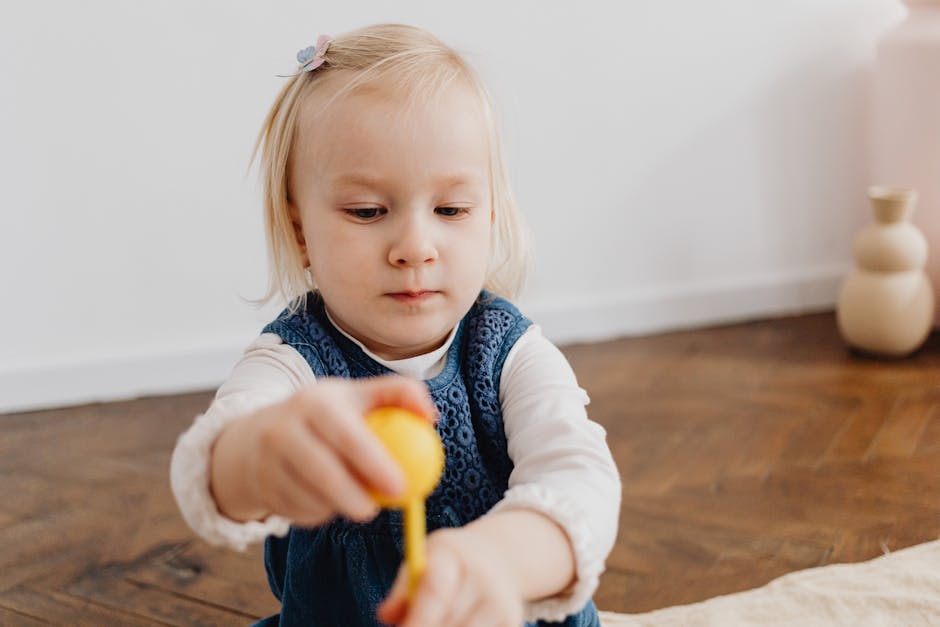
Watching your baby discover new skills is one of the most rewarding parts of parenting. As they begin to explore the world around them, one important milestone is learning to grasp toys.
This simple yet crucial skill helps develop their fine motor abilities, coordination, and even boosts their cognitive growth. But encouraging your little one to reach out and grab their favorite toy might seem challenging at first. Are you wondering how you can gently guide your baby toward this exciting step?
Don't worry, you're not alone. You'll find easy and effective ways to help your baby grasp toys, turning playtime into a fun and educational experience for both of you. Let’s dive into practical tips that will have your baby reaching for the stars—or at least their toys—in no time!

Credit: www.youtube.com
Grasping Milestones
Watching your baby learn to grasp toys is exciting. These milestones show your child's growing skills. Understanding these milestones helps you support your baby's development. Babies progress at their own pace. Some may grasp earlier, while others take time. Always celebrate each small achievement.
Understanding Early Grasping Milestones
Babies start with reflexive grasping. This means they hold objects placed in their hand. This reflex fades around three months. Intentional grasping follows. Babies reach for toys they want. This shows interest and focus.
Importance Of Tummy Time
Tummy time strengthens your baby's muscles. It helps with reaching and grasping. Encourage tummy time daily. Make it fun with colorful toys. Babies build strength as they push up on arms.
Using Different Toys
Offer a variety of toys. Soft toys are easy to grasp. Textured toys stimulate senses. Rattles attract attention with sound. Each toy type supports different skills. Rotate toys to keep interest fresh.
Observing Finger Movements
Notice your baby's finger actions. Babies first use whole hand grasps. Later, they use fingers more precisely. Watch for pincher grasp development. This involves thumb and index finger. Pincher grasp helps with small objects.
Creating A Safe Environment
Ensure toys are safe and age-appropriate. Avoid small parts that pose choking risks. Check toy labels for recommended age. Supervise your baby during playtime. Safety is crucial during this learning phase.
Encouraging Grasping Through Play
Playtime boosts your baby's grasping skills. Offer toys within reach. Encourage reaching and touching. Play peek-a-boo with toys. Babies learn through fun interactions. Celebrate each attempt to grasp.

Credit: www.youtube.com
Choosing The Right Toys
Babies develop their grasping skills by exploring toys with different textures and shapes. Soft toys and rattles are great choices. Encourage playtime on a mat or in a crib where they can reach and hold toys easily. Bright colors attract attention, making it fun for them to learn.
Choosing the right toys is crucial in encouraging your baby to grasp toys. As parents, we often wonder which toys will best support our little one's development. The trick lies in selecting toys that not only engage your baby but also promote their motor skills. By paying attention to size, shape, texture, and color, you can create an exciting play environment that invites your baby to reach out and grasp.
Size And Shape
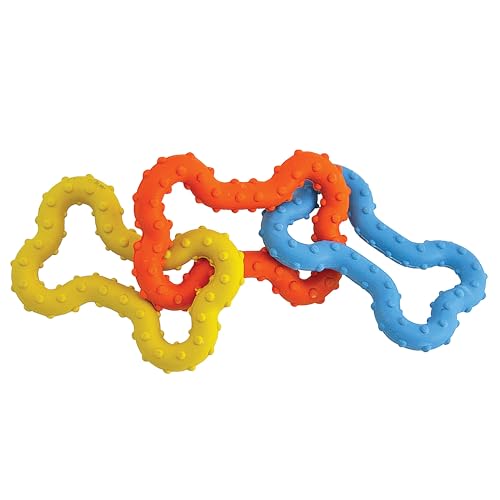
When selecting toys, consider their size and shape. Toys that fit comfortably in your baby's small hands are perfect for encouraging grasping. Avoid oversized toys that might be difficult to hold. Instead, opt for lightweight toys with rounded edges. Babies often enjoy toys like small rattles or rings. These are easy to hold and shake. Observe your baby as they explore, noting which shapes they seem drawn to.
Texture And Color
Toys with varied textures and vibrant colors can captivate your baby's attention. A toy with a mix of smooth and bumpy surfaces can stimulate their sense of touch. This encourages them to reach out and feel the difference. Bright colors can also attract your baby's gaze. Look for toys with contrasting colors, like a yellow duck with blue spots. These can motivate your baby to reach out and explore. Remember the first time you saw your baby’s eyes light up at a colorful toy? That moment is a reminder of the power of sensory play. What toys have captured your baby's interest? Share your experiences and see what other parents recommend. By choosing the right toys, you’re setting the stage for exciting milestones in your baby’s development.
Creating A Stimulating Environment
Colorful toys within reach can spark a baby's curiosity. Soft textures and gentle sounds capture their attention. Simple encouragement helps little hands grasp and explore new objects.
Creating a stimulating environment for your baby is vital for their development, especially when it comes to grasping toys. Babies are naturally curious and ready to explore their world. The key is to provide a space that encourages them to reach out and grab. This involves creating a safe play area and offering a variety of toys that spark interest and excitement.
Safe Play Area
Start by ensuring your baby's play area is safe and inviting. Safety is crucial to giving your baby the confidence to explore freely. Use soft mats or blankets to cushion any tumbles. Make sure the area is free from any sharp objects or small items that can pose a choking hazard. A comfortable, secure environment allows your baby to focus on the fun of reaching for toys without any worries.
Variety Of Toys
Offer a range of toys to keep your baby engaged. Different textures and colors can spark curiosity and encourage grasping. Think about what your baby likes. Do they enjoy toys that make sounds or ones they can squeeze? Having a mix of toys ensures that your baby always has something new to explore. This variety can be the difference between a fleeting interest and a long-lasting engagement.
Have you ever noticed how your baby reaches for a toy with a bright color or an interesting shape? This is because their little minds are constantly seeking new experiences. By providing a stimulating environment, you nurture their innate curiosity. Your attention to detail in creating this space can make grasping toys an exciting adventure rather than a daunting task.
Interactive Play Techniques
Babies learn to grasp toys through interactive play techniques. Parents can encourage this skill by offering brightly colored toys. Gentle movements and soft textures stimulate interest and improve hand-eye coordination.
Interactive play is a wonderful way to help your baby learn how to grasp toys. It's all about engaging them in activities that are fun and stimulating. You might be surprised at how quickly they pick up new skills when you incorporate these techniques into your daily routine. Playing together not only strengthens your bond but also supports your baby's development. So, let's dive into some practical methods to encourage your baby to grasp toys.
Demonstration
The power of demonstration is often underestimated. Try showing your baby how to grasp a toy by doing it yourself. Sit with them, pick up a toy, and move it around to catch their attention. Your baby is watching and learning. They are natural imitators, so when they see you doing something, they will likely want to try it too. Make sure to use toys that are colorful and easy to grip. Think about how engaging it is for a baby to watch you shake a rattle or squeeze a soft toy. This simple act can ignite their curiosity and motivate them to reach out.
Guided Reach
Guided reach is another interactive play technique that can be highly effective. Hold a toy just out of your baby's grasp and encourage them to reach for it. You might be amazed at how determined they become in trying to get it. Sometimes, a little guidance can go a long way. Gently guide your baby's hand towards the toy to help them feel the motion needed to grasp it. Consider what happens when you place their favorite toy slightly out of reach. You create a playful challenge that inspires them to stretch and grab, enhancing their motor skills. What techniques have you found helpful in encouraging your baby to grasp toys? Let us know in the comments!
Incorporating Daily Activities
Incorporating daily activities into your baby's routine can boost their development. Encouraging your baby to grasp toys during everyday tasks can be fun and effective. Regular activities offer a natural setting to develop motor skills. Let's explore two common routines where you can foster toy-grasping skills.
Mealtime Opportunities
Mealtime is a perfect chance for skill-building. Place small toys or soft items near your baby. Let them explore these during feeding. Their interest in new objects can encourage reaching and grabbing. Use colorful, lightweight toys to capture their attention. This activity also helps with hand-eye coordination. The texture and shape of toys stimulate curiosity. Mealtime becomes not just about nourishment but discovery.
Bath Time Games
Bath time offers a playful environment for learning. Floating toys provide an excellent opportunity for grasping practice. Babies enjoy splashing and catching toys in water. Ensure toys are safe and easy to hold. Encourage your baby to reach for them. Bath time games enhance sensory experience and improve motor skills. Soft, squeezable toys are ideal for tiny hands. Their bright colors and gentle sounds make playtime exciting. Turn routine baths into interactive sessions of growth.
Building Motor Skills
Encouraging your baby to grasp toys is not just about play; it's about building essential motor skills. These skills lay the foundation for your child's future abilities to perform tasks like writing, buttoning shirts, or even playing sports. But how can you effectively nurture these skills while keeping things fun and engaging? Let's dive into some practical strategies that you can easily incorporate into your daily routine.
Tummy Time
Tummy time is an excellent way to kickstart your baby's motor skills development. As your little one spends time on their stomach, they naturally begin to strengthen their neck, back, and shoulder muscles. Have you noticed your baby lifting their head during tummy time? That's a sign those muscles are working hard!
Consider placing a favorite toy just out of reach. This encourages your baby to stretch their arms, improving coordination and strength. Do you remember the excitement of watching your baby finally reach that toy? It's a small victory that signals the growth of their motor skills. The joy on their face is priceless.
Hand Exercises
Hand exercises might sound daunting, but they're simpler than you think. These exercises help your baby become more aware of their hands, which is crucial for grasping. Try gently massaging your baby's hands during playtime. This helps them understand how their fingers can move independently.
Introduce toys with different textures and shapes. This variety stimulates their sense of touch and encourages them to explore with their fingers. Have you ever watched as your baby figured out how to hold a squishy toy? That discovery moment is a testament to their growing skills.
What other creative methods have you tried to encourage your baby to grasp toys? Share your experiences and insights in the comments below. Together, we can create a treasure trove of ideas to support our little ones in their motor skills journey.
Monitoring Progress
Monitoring your baby's progress in grasping toys is essential. It helps you understand their development. Observing how they interact with toys can offer insights into their motor skills. You'll notice their grasp improving over time. Each small achievement is a significant milestone. Let's explore how to track these developments effectively.
Tracking Development
Keep a journal of your baby's progress. Note the first time they grasp a toy. Record any new techniques they use. Take photos or videos to capture these moments. This visual record helps you see improvements over time. Set small goals for your baby. Encourage them to reach for toys slightly out of grasp. This promotes determination and strength. Celebrate every success, no matter how small.
When To Consult A Professional
Consult a professional if your baby shows little interest in toys. Early intervention can be beneficial. Seek advice if they struggle to hold objects by six months. Professionals can assess their development. They provide guidance and support. Trust your instincts. If you feel something is off, seeking help is wise.

Credit: www.candokiddo.com
Frequently Asked Questions
How Can I Encourage My Baby To Grasp Toys?
To encourage your baby to grasp toys, offer a variety of colorful and textured toys. Place them within easy reach during tummy time. Use toys that make sounds to capture their interest. Engage in interactive play by gently placing toys in their hands.
What Toys Are Best For Developing Grasping Skills?
Toys that are colorful, lightweight, and easy to hold are ideal for developing grasping skills. Consider soft rattles, textured balls, and teething rings. Choose toys that make gentle sounds to stimulate auditory senses. Ensure they are safe and free from small parts.
When Should My Baby Start Grasping Toys?
Most babies start grasping toys around 3 to 4 months of age. Each baby develops at their own pace, so some may start earlier or later. Encourage grasping through play and interaction. Always consult your pediatrician if you have concerns about developmental milestones.
Why Is Toy Grasping Important For Babies?
Grasping toys helps develop fine motor skills and hand-eye coordination in babies. It strengthens their hand muscles and enhances sensory exploration. This developmental milestone is crucial for future tasks like feeding and writing. Engaging in play encourages cognitive and physical growth.
Conclusion
Helping your baby grasp toys is a joyful journey. Simple activities enhance their skills. Use colorful toys to catch their interest. Practice patience while playing together. This builds their confidence and strength. Encourage them with smiles and cheers. Your involvement matters most.
Every small success counts. Celebrate their progress with hugs. Keep the playtime fun and relaxed. These moments create lasting bonds. Your support nurtures their growth. Enjoy watching them discover the world. Cherish each little victory along the way.