
Watching your baby grow and discover the world is a magical experience. One of the key milestones you'll notice is when your little one starts to grasp toys.
It’s not just a cute habit—it's a sign of development and curiosity. But when exactly should this happen? And what if it doesn’t seem to be happening as expected? You might be wondering if everything is on track or if there's something more you should be doing.
Understanding the timing and significance of this milestone can ease your worries and help you support your baby's growth. Dive into the details so you can nurture your baby's development with confidence and joy.

Credit: www.candokiddo.com
Grasping Toys: An Early Skill
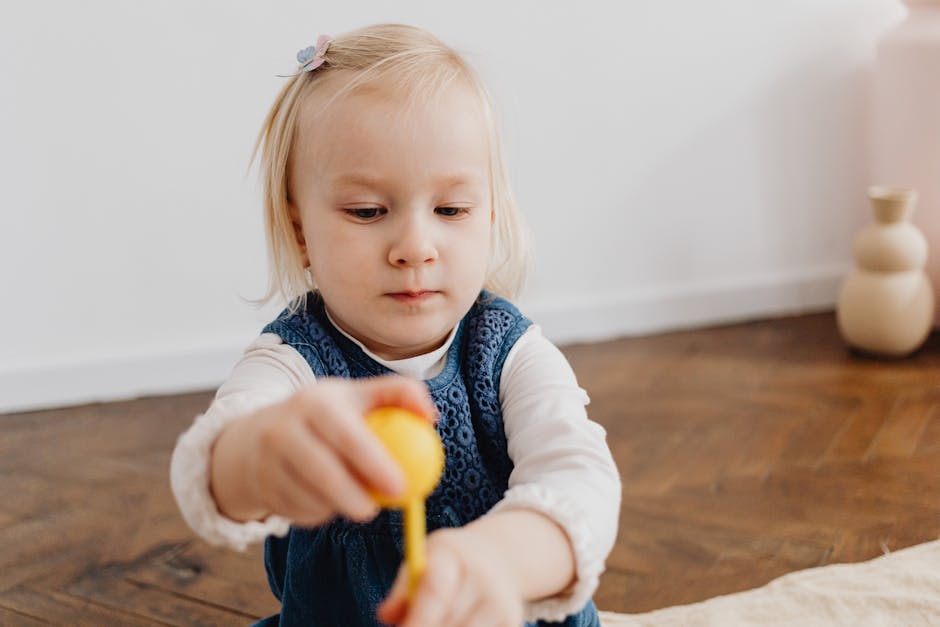
Babies usually start grasping toys around 3 to 5 months. This skill helps develop hand-eye coordination. Watching them reach out and grab is fascinating.
Grasping toys is a fascinating early skill that marks a significant milestone in a baby's development. This ability opens up a world of exploration and learning for your little one. Watching a baby reach for a toy for the first time is a moment of wonder, sparking curiosity about how this skill develops.
Initial Reflexive Grasp
In the first few weeks of life, babies exhibit a reflexive grasp. This is an involuntary response where their tiny fingers curl around anything that touches their palm. Often, you might notice this when they clutch your finger tightly, a heartwarming moment for any parent. This reflex is an important precursor to voluntary grasping. Although it's automatic, it sets the stage for more intentional movements. The reflexive grasp gradually fades, giving way to more coordinated actions.
Transition To Voluntary Grasping
Around three to four months, babies start to transition to voluntary grasping. This is when they consciously reach out to grab toys and other objects. You might notice your baby looking intently at a rattle before reaching out to grasp it. During this period, providing a variety of toys can stimulate their interest and enhance their skills. Soft, colorful toys of different textures are particularly engaging for little hands. How does your baby respond when presented with a new toy? Observing their reactions can offer valuable insights into their preferences and development. Encouraging voluntary grasping can be a fun, interactive experience for both you and your baby. Simple activities like holding a toy slightly out of reach can motivate them to stretch and grasp. Each successful attempt boosts their confidence and coordination. By understanding these stages, you can better support your baby's growth and celebrate each small achievement along the way.

Credit: weeandcharming.com
Key Developmental Stages
Understanding when a baby begins to grasp toys is essential. This skill is part of their key developmental stages. Babies explore the world through touch. Grasping toys is not only fun. It supports their growth. Parents often wonder when their child will start reaching for objects. Recognizing these stages helps in nurturing their development.
Newborn Reflexes
Newborns have instinctive reflexes. One such reflex is the grasp reflex. When you place an object in their palm, they close their fingers around it. This action is automatic. It shows their early ability to hold onto things. As weeks pass, this reflex becomes less pronounced. Babies begin to open their hands more often. This sets the stage for intentional actions.
Three To Four Months: Intentional Reaching
At three to four months, babies start reaching for toys. Their movements become more purposeful. They begin to recognize objects in front of them. Reaching is a sign of their growing curiosity. At this age, coordination improves. They may try to grab toys on their own. Such actions show their interest in exploring their surroundings.
Six To Nine Months: Improved Coordination
Between six and nine months, coordination becomes better. Babies can now grasp and manipulate toys with both hands. They may pass toys from one hand to another. This skill demonstrates their growing dexterity. Their ability to grasp toys firmly increases. Parents often notice them playing with toys for longer periods. This stage marks significant progress in their motor skills.
Factors Influencing Grasping
Babies typically start grasping toys around three to five months. Their growing curiosity and developing motor skills play a key role. Colorful and lightweight toys can encourage their grip, aiding in sensory exploration.
Understanding when a baby should start grasping toys involves several factors. It’s not just about age; it’s about a combination of physical, cognitive, and environmental elements that contribute to this essential milestone. Let's take a closer look at how each factor plays a role in your baby's ability to grasp toys.
Physical Development
A baby's physical development is a key factor in grasping abilities. Babies generally start developing the motor skills needed to grasp objects around 3 to 4 months old. However, every child grows at their own pace. Have you noticed how a baby's hand opens and closes when they’re excited? That's them practicing these skills. Encouraging them with soft, colorful toys can enhance their motor skills.
Cognitive Growth
Grasping isn't just a physical activity; it also involves cognitive growth. Babies need to be interested in an object to try and grab it. If a toy catches their attention, they’re more likely to reach for it. This process helps their brain develop hand-eye coordination. You can stimulate this by providing toys that make noise or have bright colors. What toys do you notice your baby reaching for most?
Environmental Influences
The environment plays a crucial role in a baby’s ability to grasp toys. A clutter-free, safe space encourages exploration. Make sure toys are within easy reach to tempt those little hands. Observing how your baby interacts with their surroundings can provide insights into their development. Have you tried placing toys slightly out of reach to encourage movement and problem-solving? These factors together create a foundation for your baby’s grasping abilities. By being aware of them, you can support and encourage your child's development in a fun and effective way.
Encouraging Toy Interaction
Encouraging toy interaction helps babies develop important skills. Grasping toys aids their hand-eye coordination. It also improves their motor skills. Babies learn about the world through play. Introducing toys at the right time is crucial. Parents can support this growth by creating engaging play sessions. This involves choosing the right toys and a safe environment.
Choosing Age-appropriate Toys
Age-appropriate toys keep your baby engaged. They cater to their developmental stage. For infants, soft and colorful toys work best. Toys with different textures stimulate their senses. As babies grow, introduce more complex toys. Stacking blocks or simple puzzles challenge their skills. Always check age recommendations before buying.
Safe Play Environments
A safe play area is vital for babies. Clear the space of small objects. Remove any choking hazards. Ensure the floor is clean and soft. Babies explore with their mouths, so cleanliness matters. Use baby-proofing tools to cover sharp edges. Always supervise your baby during playtime.
Interactive Play Techniques
Interactive play boosts a baby's learning. Show them how to hold toys. Encourage them to reach and grasp. Use sounds and expressions to keep their attention. Take turns playing with toys. This helps them understand interaction. Praise their efforts to build confidence.
Signs Of Developmental Delays
Parents eagerly await milestones in their baby's development. Grasping toys is one such exciting milestone. Some babies may face challenges reaching this milestone. Recognizing signs of developmental delays is crucial. Early detection can lead to timely intervention. Understanding these signs helps in supporting your baby's growth.
Recognizing Red Flags
Watch your baby closely. Difficulty holding toys can be a warning sign. Babies should grasp toys by six months. Lack of interest in toys might indicate delays. Weak hand grip is another red flag. Trouble reaching for objects requires attention. If your baby ignores colorful toys, observe closely.
Consulting Healthcare Professionals
Seeking guidance from healthcare professionals is essential. Pediatricians can assess developmental progress. They provide insights on your baby's growth. Early consultation helps identify delays. Therapists offer strategies to improve motor skills. Regular check-ups ensure healthy development. Professionals can guide you on next steps.
Supporting Development At Home
Babies usually start grasping toys between 3 to 5 months. This milestone encourages hand-eye coordination and fine motor skills. Offering soft and colorful toys can help stimulate their senses and support their development.
Supporting your baby's development at home is both a joy and a responsibility. Watching them reach milestones, such as grasping toys, is a memorable experience. Engaging with your baby and providing the right environment is crucial. This helps them develop essential motor skills and boosts their cognitive growth.
Creating Stimulating Environments
Creating a stimulating environment doesn't require expensive toys or complex setups. Use everyday household items to spark curiosity. Think colorful scarves, crinkly paper, or soft fabrics. Place these items within your baby’s reach during tummy time. This encourages them to stretch out and grab what's around them. Vary the textures and sounds of the objects they can grasp. This not only keeps them interested but also enhances their sensory development. Ask yourself, how can your living room become a mini-exploration zone for your baby?
Incorporating Play Into Daily Routines
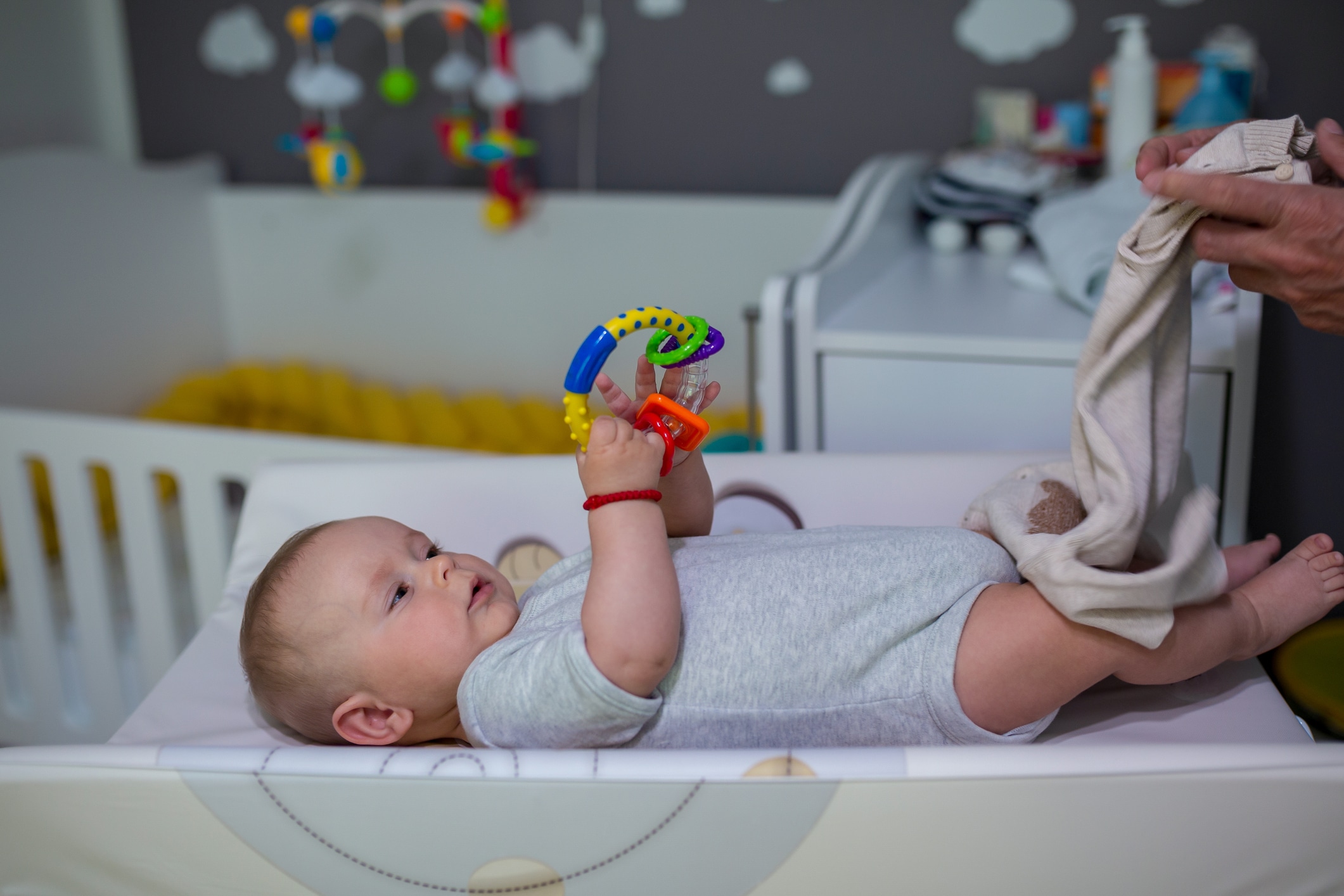
Play doesn't have to be a separate activity. Turn bath time into a sensory experience with floating toys. Use mealtime as an opportunity for them to hold a spoon or touch different foods. Even diaper changing can become playful by offering a soft toy to grasp. This keeps their hands busy and makes the task smoother. While folding laundry, hand them a soft sock to hold. It’s a simple way to involve them in your routine while developing their motor skills. How can you creatively add play into your daily tasks? Your daily activities are rich with opportunities for your baby's growth.
Credit: circlecare4kids.com
Frequently Asked Questions
When Do Babies Start Grasping Toys?
Babies typically begin grasping toys around 3 to 4 months old. At this stage, their motor skills are developing. They start to reach for objects and explore them with their hands. Providing toys that are easy to grasp can help enhance their coordination and hand-eye development.
How Can I Encourage Toy Grasping?
To encourage toy grasping, offer colorful and textured toys. These stimulate interest and improve sensory skills. Place toys within reach to motivate your baby to grasp them. Engage them with interactive play to boost their motor skill development and curiosity.
Always supervise playtime for safety.
Are There Specific Toys For Grasping Practice?
Yes, certain toys are great for grasping practice. Soft, lightweight toys are ideal for little hands. Toys with rings, rattles, and textures can help develop motor skills. Choose toys that are easy to hold and shake. This encourages exploration and strengthens the grasp reflex.
Is Grasping Toys Important For Development?
Grasping toys is crucial for development. It helps improve hand-eye coordination and fine motor skills. Through grasping, babies learn to explore their surroundings. It aids in cognitive development and understanding of cause and effect. Grasping also prepares them for later skills like writing and feeding.
Conclusion
Babies begin grasping toys around three to four months old. This stage is crucial for their development. Watching their progress is exciting. Encourage them with safe, colorful toys. Soft textures and gentle sounds attract attention. Always supervise playtime to ensure safety.
Every baby develops at their own pace. Some might take a little longer. Patience is key. Celebrate every small achievement. Cherishing these moments builds a strong bond. Understanding their growth helps in nurturing. Trust your instincts and enjoy this journey.