
Watching your little one grow is a thrilling experience, filled with many delightful milestones. One of these exciting moments is when your baby starts to grasp toys.
It might seem like a small step, but it's a significant development in their journey to explore the world. You might wonder, "When should my baby start grasping toys? " Understanding this can ease your worries and help you support their growth effectively.
In the following article, you'll uncover the secrets behind this crucial stage of development. Discover the signs to look for, the ideal time frame, and how you can encourage your baby's budding curiosity. Stick around to ensure you're not missing out on essential tips that can enhance your baby's development and bring joy to both of you. Don't miss a chance to be a part of this magical phase in your baby's life!
Credit: circlecare4kids.com
Developmental Timeline
Watching your baby grow is a journey filled with tiny milestones that make every day an adventure. One of those remarkable achievements is when your little one starts grasping toys. But when does this happen, and what can you expect during each stage?
Each baby is unique, yet there is a general timeline that most follow. Understanding this can help you know what to look for and how to support your baby's development. Let's break it down into key stages.
Newborn Reflexes
In the first few weeks, your baby relies on reflexes rather than conscious control. The grasp reflex is one such phenomenon. If you place a finger in your newborn's palm, you'll notice them instinctively closing their hand around it.
This reflex is not a deliberate attempt to hold onto something but rather a basic survival mechanism. It’s fascinating to see how nature prepares your baby for future skills. Did you ever try this with your baby and feel the surprising strength of their tiny grip?
Two To Four Months
By two months, babies start to gain control over their movements. They become more aware of their surroundings and may try to touch objects within reach. It's a slow but exciting transition from reflexes to more intentional actions.
During this period, you might notice your baby staring at toys and waving their arms around. This is their way of practicing coordination. Have you placed toys within reach and watched as they gradually learn to interact with them?
Four To Six Months
At this stage, babies become more adept at grasping. They begin to reach out and successfully grab toys, albeit with a somewhat clumsy grip. This newfound ability allows them to explore objects through touch and taste.
You'll notice your baby experimenting with different ways to hold onto toys. They might drop them frequently, but that's part of the learning process. Isn't it amazing to see how they start making choices about which toys to grab?
Six To Nine Months
By six months, babies often demonstrate improved dexterity. Their grasp becomes more precise, and they can transfer toys from one hand to another. This skill is crucial for their cognitive development.
As they approach nine months, babies start using a pincer grasp, holding objects between the thumb and forefinger. Have you observed your little one picking up tiny objects with this advanced technique? It’s like watching a mini engineer at work!
As you watch these milestones unfold, consider how each skill builds upon the last. How do you think grasping toys impacts your baby's understanding of the world around them?

Credit: www.candokiddo.com
Motor Skills Progression
Understanding when babies should grasp toys is all about observing their motor skills progression. As your little one grows, you'll notice changes in their ability to control their movements. These changes are crucial as they lay the foundation for more complex skills. Watching these developments can be a fascinating journey, filled with milestones that both surprise and delight.
Hand-eye Coordination
Hand-eye coordination begins to emerge around three months of age. This is when your baby starts to focus on objects and may attempt to reach for them. It's a thrilling time when those tiny fingers try to connect with the world around them. Have you ever watched your baby intensely focus on a toy? It’s like witnessing the first steps of a dancer, every move intentional and captivating.
To encourage this skill, place colorful and lightweight toys within their sight. You might find that your baby prefers toys that make sounds or have bright colors. These features can catch their attention and prompt them to reach out. Consider those moments as their first steps towards mastering coordination.
Fine Motor Skills
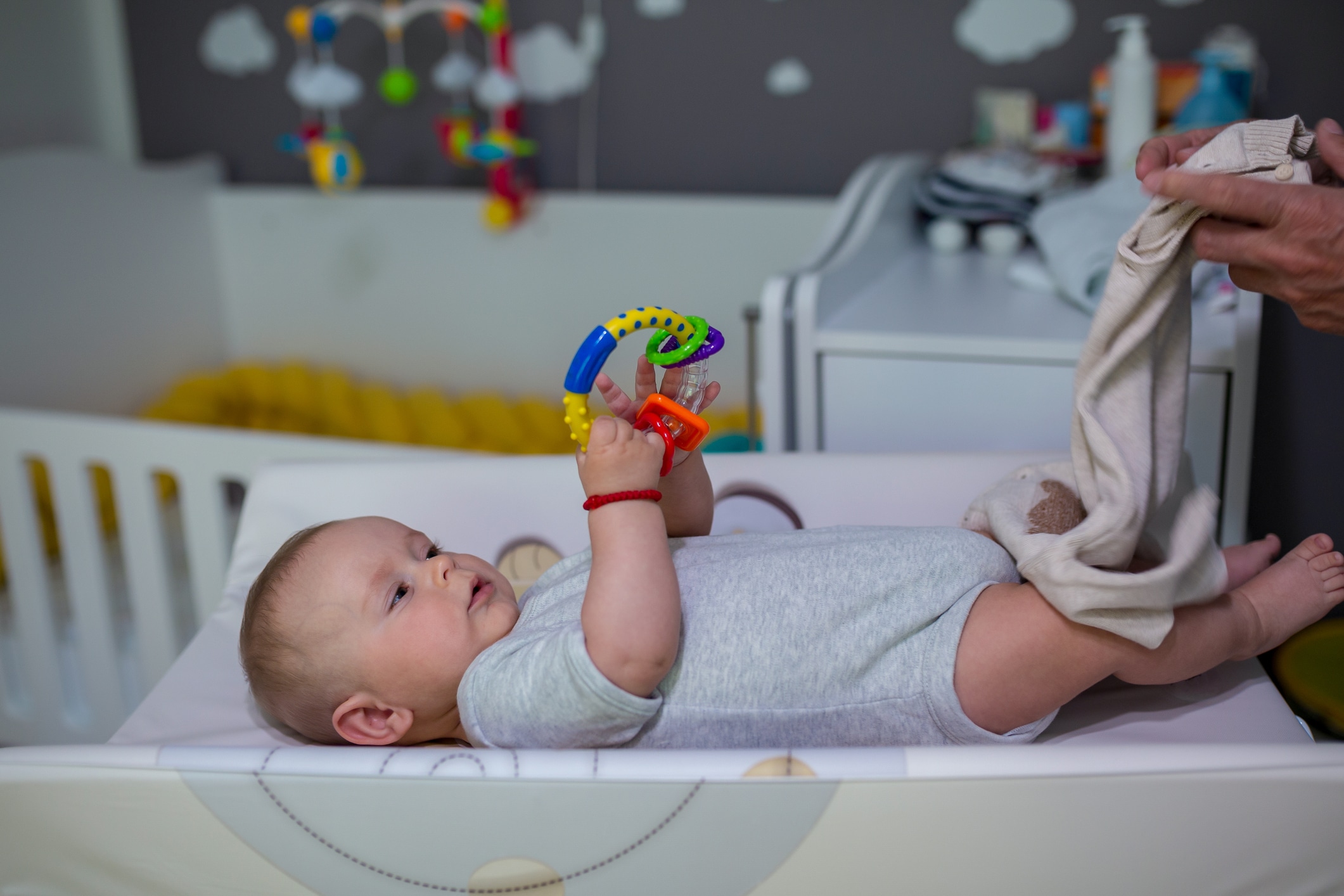
Fine motor skills involve the ability to make small movements, usually with the fingers. By six months, your baby might start holding toys with a firmer grip. This is a big step forward from the initial swipes and grabs. Have you handed your baby a rattle only to see them shake it with purpose? That's fine motor skills in action!
Offering toys that require manipulation can help nurture this skill. Toys with buttons, knobs, or textures are excellent choices. They provide challenges that require concentration and control. You might find your baby engrossed in figuring out how to press or pull, signaling their growing dexterity.
Gross Motor Skills
Gross motor skills are all about large muscle movements. As your baby nears nine months, they might start picking up toys while sitting or even crawling to reach them. It’s an exciting phase where their curiosity fuels their mobility. Have you seen the determination in their eyes as they crawl towards a toy? That's gross motor skills propelling them forward.
Encouraging movement with toys placed slightly out of reach can be beneficial. Consider setting up a small obstacle course with soft toys. This setup can motivate your baby to move, crawl, or stretch towards their goal. Watching them navigate these obstacles can be as thrilling for you as it is for them.
Each baby is unique, and their progression in motor skills can vary. As a parent, your role in supporting these skills is vital. How are you planning to help your baby grasp the world around them?
Factors Influencing Toy Grasping
As your baby begins to explore the world, grasping toys becomes an exciting milestone. But when should you expect this to happen? Many factors influence a baby's ability to grasp toys. Understanding these can help you support your baby’s development more effectively. Let’s explore some of these factors to give you a clearer picture.
Individual Variations
Every baby is unique, and their developmental timeline is no exception. Some babies may start grasping toys as early as three months, while others might take a little longer. It’s important to remember that these variations are perfectly normal.
As a parent, you might worry if your baby isn’t following the same timeline as others. But consider this: even siblings can have different developmental speeds. The key is to observe your baby and notice their progress without unnecessary comparisons.
Environmental Influences
The environment plays a significant role in how quickly a baby learns to grasp toys. A stimulating environment with a variety of textures and colors can encourage your baby to reach out and explore.
Simple changes like placing toys within reach or using play mats with different materials can make a difference. Have you tried using toys that make sounds or light up? These can capture your baby's attention and motivate them to practice grasping.
Parental Support
Your involvement as a parent is crucial in your baby's grasping development. Engaging in playtime and offering toys directly can motivate your baby to try grasping. Are you spending enough time interacting with your baby during play?
Using activities like gently placing toys in their hand or guiding their hand towards a toy can also help. Remember, your encouragement and enthusiasm can boost their confidence and curiosity.
As your baby grows, take note of these factors and adjust your approach accordingly. What new methods can you try today to support your baby’s grasping skills?
Encouraging Grasping Skills
Babies typically start grasping toys around three to four months old. Their tiny fingers begin exploring textures and shapes, enhancing coordination. Offering safe, colorful toys can stimulate their curiosity and aid development.
Encouraging your baby's grasping skills is a delightful journey filled with curiosity and discovery. As little hands reach out to explore the world, they're not just playing; they're building a foundation for future learning. You can play a vital role in this process by offering the right tools and creating engaging play experiences.
Choosing Appropriate Toys
Selecting the right toys can make a big difference in your baby's grasping development. Opt for toys that are easy to hold, like soft blocks or rattles with handles. Toys with various textures can also stimulate your baby's sense of touch and encourage them to reach out more. Consider toys that make gentle noises or have bright colors. These elements can capture your baby's attention, prompting them to grasp and investigate. Remember, every baby is unique, so observe what captivates your child's interest.
Interactive Playtime
Interactive play is essential for nurturing grasping skills. Spend time playing with your baby, showing them how to hold and explore toys. Babies love mimicking adults, so your involvement makes a big impact. Try simple games like passing a toy back and forth. This not only encourages grasping but also introduces the concept of sharing and cooperation. Your encouragement will boost their confidence and eagerness to try new things.
Safety Considerations
Safety is paramount when encouraging grasping skills. Always choose toys that are free of small parts, ensuring they don’t pose a choking hazard. Ensure toys are made from non-toxic materials. Regularly inspect toys for any signs of wear and tear. A broken toy can become a safety risk, so replace or repair them as needed. Keeping the play area clean and organized can also prevent accidents and create a safe space for exploration. In your experience, what toys have you found most effective in encouraging your baby's grasping skills? Engaging with your little one in these ways not only supports their development but also strengthens your bond.
Signs Of Developmental Delays
As your little one grows, you'll notice them reaching out to grasp toys, a milestone that brings joy to many parents. However, some babies might take longer to reach this stage, which can be a sign of developmental delays. It's crucial to recognize these signs early to ensure your baby gets the support they need. You might wonder what to look for and when to act.
Consider if your baby is not showing interest in toys or if their movements seem less coordinated than other babies their age. These signs could indicate a delay. Trust your instincts as a parent. If something feels off, it might be worth investigating further.
Consulting A Pediatrician
Don't hesitate to reach out to a pediatrician if you're concerned. They are trained to identify early signs of developmental delays. Share your observations, no matter how small they seem. Your insights are valuable in forming a complete picture of your baby's health.
During your visit, ask questions. Understand the milestones your baby should be reaching. A pediatrician can provide guidance on what's typical for their age. They might suggest a wait-and-see approach or further evaluation, depending on their assessment.
Early Intervention Options
If your pediatrician confirms a developmental delay, early intervention can make a significant difference. Programs are designed to support babies in reaching milestones. Explore options available in your area. They can include physical therapy, occupational therapy, or speech therapy, tailored to your child's needs.
Engage with professionals who specialize in child development. They will work with you to create a plan that supports your baby's growth. You can be an active participant in their progress. Early intervention empowers you to help your child thrive.
Are you observing subtle signs in your baby that concern you? It's a question worth asking yourself, as early action can pave the way for your child's healthy development.

Credit: weeandcharming.com
Frequently Asked Questions
When Do Babies Start To Grasp Toys?
Babies typically start grasping toys around 3 to 4 months old. At this stage, their motor skills begin developing. You may notice them reaching out and grabbing objects, often with a tight grip. This milestone marks an exciting phase in their exploration and interaction with the world around them.
How Can You Encourage Toy Grasping?
Encourage grasping by offering colorful, lightweight toys. Place them within easy reach to stimulate interest. Gentle hand-over-hand guidance can help. Praise and positive reinforcement boost their confidence. Always supervise playtime to ensure safety and prevent choking hazards.
What Toys Are Best For Grasping?
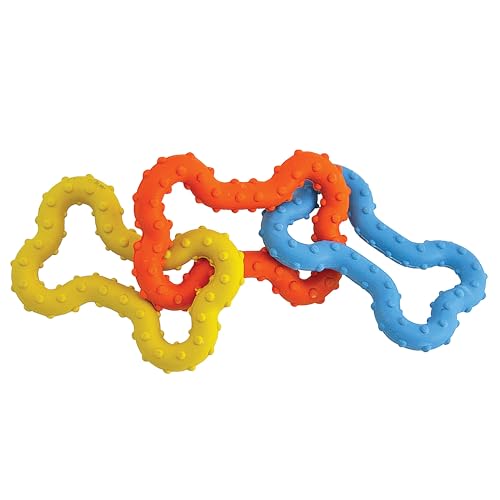
Ideal toys are soft, lightweight, and easy to hold. Choose toys with varied textures and bright colors. Rattles, soft blocks, and teething rings are excellent options. These stimulate sensory exploration and improve fine motor skills. Ensure all toys are safe and age-appropriate.
Are There Signs Of Delayed Grasping?
Signs of delayed grasping include lack of interest in objects. Difficulty holding toys may also indicate delays. If no progress is seen by 6 months, consult a pediatrician. Early intervention can address potential developmental concerns. Regular pediatric check-ups are essential for monitoring milestones.
Conclusion
Babies naturally begin to grasp toys between three to six months. This milestone varies for every child. Parents should provide safe, colorful toys to encourage development. Toys with different textures stimulate curiosity. Remember, each baby grows at their own pace.
Patience is key. Celebrate every small success and enjoy this special time. Interaction with your baby strengthens your bond. Observe them closely. Support their learning through playful experiences. Their progress will surprise and delight you. Keep nurturing their curiosity. Always choose age-appropriate toys.
Safety comes first. Your attention and love make a big difference. Happy parenting!