


As a parent, ensuring your baby's safety is your top priority. You carefully choose what they eat, wear, and play with.
But when it comes to toys, do you know what's really in them? Polyester, a common material in many baby toys, often raises questions about safety. You might wonder, "Is polyester in baby toys safe for my child? " This is a question many parents like you are asking.
Your child's health and happiness depend on making informed choices. We'll explore the truth about polyester in baby toys. We'll look at what experts say and help you decide what's best for your little one. Stay with us, because this information could change the way you look at your child's toy box.
Polyester In Toy Manufacturing
Polyester, a synthetic fiber, is a popular choice in toy manufacturing due to its durability, affordability, and versatility. In the realm of baby toys, it’s crucial to understand how this material is used and its implications for safety. As a parent, you might wonder if polyester is the right choice for your little one's toys, especially given its synthetic nature.
Why Polyester Is Used In Baby Toys
Polyester offers several advantages in toy manufacturing. It's lightweight, making toys easy for babies to handle. Its resilience means toys can withstand rough play, which is a must for active toddlers.
Moreover, polyester is cost-effective. This allows manufacturers to produce affordable toys without compromising on design or function. It's also easy to clean, which is a big win for parents managing messy playtimes.
Safety Considerations Of Polyester
Safety is a top priority when it comes to baby toys. Polyester, while durable, raises questions about chemical exposure and allergies. Ensure toys are marked as non-toxic and free from harmful chemicals.
Always check for any safety certifications on the toy packaging. If a toy is labeled with compliance to international safety standards, this is a good sign. It means the toy has passed rigorous safety tests.
Personal Experience: Choosing Safe Toys
When my daughter was born, I meticulously selected her first toys, opting for those with clear safety certifications. Polyester toys were among her favorites due to their bright colors and soft texture. Knowing they were safe allowed me to focus on enjoying playtime with her.
As a parent, you learn to balance safety with fun. Polyester toys, when chosen carefully, can offer both. It's about making informed choices and trusting your instincts.
Making Informed Decisions
When selecting toys, consider their long-term impact. Are they not only safe but also environmentally friendly? Polyester, while durable, is not biodegradable, which can be a concern for eco-conscious parents.
Look for toys made from recycled polyester or those that come with recycling options. This way, you're ensuring safety and sustainability. Ask yourself, does this toy align with your values?
Ultimately, your choices can set a standard for manufacturers to follow. By opting for safe and sustainable toys, you contribute to a market that prioritizes both child safety and environmental health.
Common Uses Of Polyester In Baby Toys
Polyester is widely used in baby toys for its durability and easy cleaning. This material is generally considered safe when used appropriately in toys. Always check for safety certifications to ensure the toys meet quality standards for your child's health.
Polyester is a popular material in the toy industry. Its versatility and durability make it a go-to choice for many manufacturers. For baby toys, polyester offers several benefits, including softness and easy maintenance. Parents often wonder about the common uses of polyester in baby toys. Understanding its applications can help reassure them of its safety and functionality.
Stuffed Animals
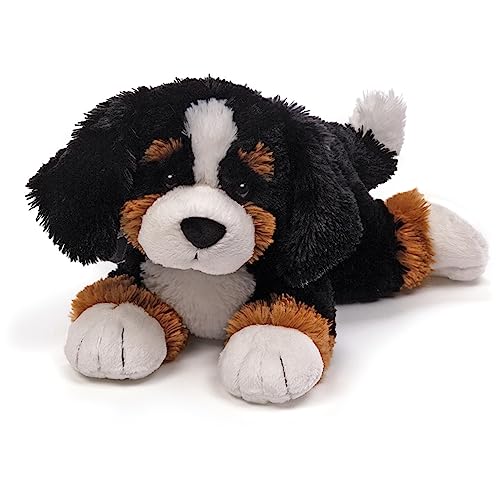
Polyester is commonly used in stuffed animals. It provides a soft and fluffy texture. This makes it ideal for cuddling. The material also retains shape well. It withstands frequent hugs and squeezes from babies.
Plush Dolls
Plush dolls often contain polyester filling. This gives them a lightweight and huggable quality. Polyester helps maintain their structure. It ensures the dolls remain appealing over time.
Blankets And Comforters
Many baby blankets use polyester. This fabric is soft against sensitive skin. It is also easy to wash and dry. Polyester blankets are durable and last through many washes.
Play Mats
Play mats often incorporate polyester. It provides a comfortable surface for babies. Polyester mats are easy to clean. They resist stains and spills effectively.
Rattles And Soft Toys
Polyester is used in the outer fabric of rattles. It feels gentle to touch. This fabric choice ensures safety during play. Polyester's durability supports long-term use. Understanding these common uses helps clarify polyester's role in baby toys. Parents can feel more confident in their choices.
Health Concerns
Polyester in baby toys raises safety concerns. Parents worry about chemicals and allergies. Checking for non-toxic labels is essential.
When it comes to choosing toys for your baby, safety is always a top priority. Polyester, a common material found in many baby toys, often raises questions about its safety. Understanding the potential health concerns associated with polyester is crucial for making informed decisions. Let's explore some of these concerns and see how they might impact your little one.
Potential Chemical Exposure
Polyester is a synthetic material, which means it's made from chemicals. Some parents worry about the possibility of these chemicals leaching out of the toys and being absorbed by their babies. Consider how often babies put toys in their mouths. This behavior increases the chance of chemical exposure. Studies have shown that polyester can release volatile organic compounds (VOCs). These compounds can contribute to indoor air pollution and might pose risks to your child's health. Are you comfortable with the potential exposure your baby might face? It's important to weigh these factors when selecting toys.
Allergic Reactions
While not common, some babies may have allergic reactions to polyester. These reactions can manifest as skin rashes or respiratory issues. Imagine your baby developing a rash after playing with their favorite stuffed animal. This could be a sign of sensitivity to the material. To minimize risks, keep an eye on how your baby reacts to new toys. If you notice any irritation, it might be worth considering alternatives. As a parent, you know your child's needs best. Use this knowledge to guide your choices and ensure their safety.

Credit: www.amazon.com
Regulations And Standards
When selecting toys for your baby, safety is a top priority. Polyester, a common material used in toys, often raises questions about its safety. Understanding the regulations and standards that govern the use of polyester in baby toys can help you make informed choices. By knowing what these standards entail, you can ensure that your baby's toys are safe and reliable.
International Safety Standards
Safety standards for baby toys are not universal. Different countries have different regulations. In the United States, toys must meet the Consumer Product Safety Commission (CPSC) standards. These standards ensure toys are free from harmful chemicals and choking hazards.
Europe has its own set of rules, known as the EN71 standards. These standards are stringent and cover various safety aspects, including flammability and chemical composition. If you’re purchasing toys from international sellers, check if they comply with these standards.
Are you aware that some countries have even stricter guidelines for toy safety? While this might mean fewer options, it could offer peace of mind knowing those toys meet higher safety criteria.
Labeling Requirements
Labels on baby toys are more than just a tag—they’re a gateway to understanding what you’re giving to your child. You might notice labels indicating compliance with specific safety standards. Look for labels that mention ASTM or EN71 compliance, as these signify adherence to recognized safety guidelines.
Labels should also mention age recommendations. These guidelines aren't just suggestions; they’re based on developmental safety considerations. Younger babies might need toys without small parts to prevent choking hazards.
Have you ever found labels lacking this crucial information? It’s a red flag. A toy without proper labeling might not be safe, and it's best to choose toys from reputable brands that provide clear and comprehensive labeling.
By understanding these regulations and standards, you can confidently select toys that are both fun and safe for your little one. Remember, while polyester is a common material, its safety depends heavily on adherence to these guidelines. So next time you’re shopping, ask yourself: Does this toy meet the safety standards necessary for my child's well-being?
Benefits Of Polyester In Toys
Polyester has become a popular material in baby toys, raising questions about its safety and benefits. While safety is paramount, understanding the advantages of polyester can help you make informed choices. This synthetic fabric offers several perks that may surprise you, enhancing both the functionality and appeal of your child's playthings.
Durability And Longevity
Polyester is known for its strength, making toys resistant to wear and tear. Have you ever had a toy that fell apart after just a few play sessions? Polyester toys can withstand vigorous play and last longer, saving you money in the long run.
Think about how often your little one drops, drags, or tosses their toys around. Polyester's resilience ensures the toy maintains its shape and appearance, even after numerous adventures. This durability means fewer replacements and less waste.
Ease Of Cleaning
Kids are notorious for making messes. Polyester toys are often easy to clean, which is a blessing for busy parents. A simple wipe-down or wash can remove spills, stains, and dirt, keeping toys looking fresh.
Imagine your child accidentally spilling juice on their favorite teddy bear. Polyester's stain-resistant properties make cleaning straightforward, allowing you to maintain hygiene effortlessly. This ease is particularly useful for toys that are favorites and see daily use.
Wouldn't you prefer spending more time playing with your child rather than scrubbing away stubborn stains? Polyester toys make this possible, ensuring fun isn't interrupted by tedious cleaning sessions.

Credit: abracadabrakids.com
Alternatives To Polyester
Parents often wonder about the safety of polyester in baby toys. Natural alternatives like cotton and wool offer safer choices. These materials reduce chemical exposure, ensuring a healthier playtime experience for infants.
When selecting toys for your baby, safety is a top priority, and the materials used in the toys play a crucial role. Polyester, a common fabric in toys, often raises concerns due to its synthetic nature. Fortunately, there are plenty of alternatives that are both safe and sustainable. Let's explore some options that ensure your little one can play safely and you can have peace of mind.
Natural Fiber Options
Natural fibers are excellent alternatives to polyester. Cotton is a popular choice due to its softness and breathability. It’s gentle on a baby’s sensitive skin and is less likely to cause irritation. Organic cotton goes a step further by ensuring no harmful pesticides were used during its growth, making it an even safer option. Wool is another natural fiber that provides warmth and is naturally flame-resistant. Its durability makes it ideal for toys that need to withstand a lot of handling. Bamboo fabric is gaining popularity for its eco-friendly properties. It’s naturally antibacterial and biodegradable, providing a sustainable choice for your baby’s toys. When choosing natural fibers, consider their benefits and how they align with your baby’s needs and sensitivities.
Eco-friendly Materials
Eco-friendly materials not only ensure safety for your child but also promote a healthier planet. Recycled materials are a fantastic way to reduce waste. Toys made from recycled plastic, for instance, help minimize environmental impact while maintaining durability. Wooden toys are making a comeback. They are sturdy, non-toxic, and can be beautifully crafted. Look for toys made from sustainably sourced wood to ensure they’re as green as they are fun. Natural rubber provides another eco-friendly option. It’s flexible, durable, and safe for babies who love to chew on their toys. Plus, it’s biodegradable. Have you ever noticed how certain toys just feel better to touch and play with? Often, these are the ones made from natural or eco-friendly materials. By choosing such options, you’re not only making a safer choice for your child but also supporting sustainable practices. When selecting toys, consider these alternatives to polyester. They not only provide peace of mind regarding safety but also contribute to a greener environment. What better way to start teaching your child about caring for the planet than with their very first toys?
Expert Opinions
Experts weigh in on the safety of polyester in baby toys. Many say it is safe but stress choosing quality products. Some advise parents to stay informed about materials and potential risks.
When you’re shopping for toys for your little one, safety is your top priority. You might ask, "Is polyester safe in baby toys?" To answer this, let’s dive into what the experts say about polyester materials used in toys.
What Pediatricians Say About Polyester In Baby Toys
Pediatricians often look at the potential for allergies and irritations. Polyester is generally considered hypoallergenic, meaning it’s less likely to cause allergic reactions. However, it's important to observe your baby's skin. If you notice any redness or irritation, consider switching to a different material.
Environmental Specialists’ Perspective
Environmental specialists focus on the production and disposal of polyester. Polyester is a synthetic material derived from petroleum, which raises concerns about its environmental impact. Choosing toys made from recycled polyester can reduce the environmental footprint. This option supports sustainability without compromising on safety.
Toy Manufacturers’ Insights
Toy manufacturers highlight the durability and affordability of polyester. These toys are easy to clean, which is a plus for busy parents like you. Manufacturers undergo rigorous testing to ensure safety standards are met. Always check for certifications like ASTM and CE on polyester toys.
Consumer Safety Experts’ Recommendations
Consumer safety experts emphasize monitoring your child’s interaction with toys. Polyester toys are generally safe, but keep an eye on any loose threads or parts that could pose a choking hazard. Inspect toys regularly. Your vigilance ensures that your baby is playing safely with their polyester toys.
Can Personal Experiences Guide Your Choices?
Reflect on your own experiences with polyester products. Have you found them durable and safe? Consider discussing with other parents. Shared experiences can offer practical insights into toy choices. In the end, informed decisions come from understanding expert opinions and observing your child's unique needs. What toy material have you found to be the best fit for your baby?
Tips For Safe Toy Selection
Selecting safe toys for babies involves thoughtful consideration. Parents often worry about materials like polyester. Understanding safety standards helps ensure toys are suitable. Following some guidelines can aid in making informed choices.
Checking Certifications
Always check for safety certifications on toys. Look for labels such as ASTM or CE. These indicate the toy meets safety standards. Certified toys undergo testing for harmful substances. This adds an extra layer of assurance for parents.
Read product descriptions carefully. Manufacturers often list certifications there. This information can guide your purchase decision. Avoid toys without visible certification marks. They might not meet safety requirements.
Monitoring Child’s Interaction
Observe how your child interacts with toys. Notice if they chew or suck on them. Polyester fibers can pose risks if ingested. Keep an eye out for loose threads or small parts.
Ensure toys are appropriate for your child's age. Toys meant for older children may have small parts. Supervise playtime to prevent accidents. Regularly check toys for wear and tear. Replace damaged toys promptly to maintain safety.

Credit: www.amazon.com
Frequently Asked Questions
Is Polyester Safe For Baby Toys?
Polyester is generally safe for baby toys. It is durable and easy to clean. However, ensure toys meet safety standards. Check for non-toxic dyes and finishes. Always supervise playtime to prevent choking hazards.
Can Polyester Cause Allergies In Babies?
Polyester is unlikely to cause allergies in babies. It is hypoallergenic and resists dust mites. However, some babies may have sensitivities. Always monitor for skin irritation or discomfort. Consult a pediatrician if concerns arise.
How To Clean Polyester Baby Toys?
Cleaning polyester baby toys is simple. Use mild soap and warm water. Gently scrub and rinse thoroughly. Air dry completely before use. For machine-washable toys, follow care label instructions. Regular cleaning ensures hygiene and safety.
Are Polyester Toys Durable For Babies?
Polyester toys are durable and withstand rough play. They resist wear and tear, making them long-lasting. However, inspect regularly for damage. Replace toys if they show signs of wear. Safety is a priority in toy durability.
Conclusion
Polyester in baby toys offers durability and affordability. Parents often worry about safety. Choosing toys from reputable brands helps ensure quality. Regular checks for wear and tear are essential. Avoid toys with loose fibers or small parts. Clean toys regularly to maintain hygiene.
Reading labels carefully aids informed decisions. Polyester can be safe with proper care. Trust your instincts when selecting toys for your child. Safety and comfort come first. Always prioritize your child's well-being. Stay informed and make wise choices. Your attention to detail makes a difference.