



When choosing toys for your little one, safety is always a top priority. You might find yourself wondering about the materials used in baby toys, especially when it comes to polyester.
Is polyester safe for baby toys? It's a question that many parents ask, and for a good reason. The answer could impact your child's health and well-being. In the following lines, we'll unravel the truth about polyester, so you can feel confident in making informed decisions.
Let's explore why understanding this common material matters to your child's playtime safety and your peace of mind.
Polyester In Baby Toys
Polyester is a common material in baby toys. Parents often wonder about its safety. Polyester is durable and easy to clean, making it a popular choice. Understanding its benefits and potential risks helps make informed decisions.
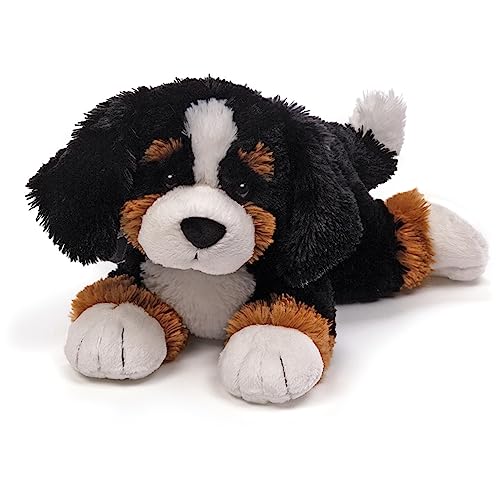
Polyester is often used in stuffed animals and plush toys. It provides a soft and cuddly texture, ideal for babies. Manufacturers favor polyester for its long-lasting quality. It withstands rough handling and frequent washing. This means toys stay in good condition longer.
Benefits Of Polyester
Polyester is resistant to wrinkles and shrinking. This ensures toys maintain their shape and appearance. The material dries quickly, reducing the risk of mold. It is lightweight, making it easy for babies to handle. Polyester's affordability makes it accessible for many families.
Potential Risks
Some parents worry about chemicals in polyester. It is made from synthetic fibers, which could contain additives. These might pose risks if not properly managed. Ensuring toys are free from harmful chemicals is crucial. Always check for safety certifications and standards.
Safe Use Recommendations
Choose toys with clear safety labels. Look for brands with good reputations. Regular cleaning is important to maintain hygiene. Inspect toys for damage or wear. Replace any worn or damaged items promptly.
Polyester in baby toys offers many benefits. Yet, understanding potential risks is essential. With proper precautions, polyester toys can be safe for babies.
Chemical Composition
Polyester is a common material used in baby toys. It is durable and easy to clean, which makes it popular. Safety concerns arise from chemical treatments, but most polyester toys meet safety standards for children.
Polyester is a common material used in many baby toys, but have you ever wondered about its chemical composition? Understanding what goes into polyester can help you make informed decisions for your little one’s safety. Let's explore the key components that make up this widely used fabric.
What Is Polyester Made Of?
Polyester is a synthetic fabric made from petroleum-based products. It is created through a chemical reaction involving coal, petroleum, air, and water. This process results in long chains of polymers, which are then spun into fibers.
The Role Of Polyethylene Terephthalate (pet)
Polyethylene terephthalate, or PET, is the primary component of polyester. You might recognize PET from plastic bottles, but it's also used to make fibers for fabrics. PET is known for its durability and resistance to various environmental factors, making it a popular choice for toys.
Are Additives Used In Polyester?
Manufacturers often add various chemicals to polyester to improve its properties. These can include flame retardants, dyes, and softeners. While these additives enhance the fabric's performance, they can also raise questions about safety, especially for baby toys.
Potential Concerns With Polyester In Baby Toys
The synthetic nature of polyester means it is not biodegradable. This raises environmental concerns. Additionally, the use of chemicals in its production can lead to potential skin irritations in sensitive babies. It's worth considering how often your child will interact with these toys.
Choosing Safe Polyester Toys
When selecting polyester toys, check for certifications such as OEKO-TEX, which ensures the absence of harmful substances. Look for brands that prioritize safety and transparency in their manufacturing process. You can also reach out to companies for more detailed information if needed. Understanding the chemical composition of polyester can help you make safer choices for your child’s toys. What steps do you take to ensure the materials in your child's toys are safe?
Safety Standards For Baby Products
Polyester is often used in baby toys due to its durability and softness. Safety standards ensure that polyester used in toys is free from harmful chemicals. Always check labels for safety certifications to keep your child safe.
When choosing toys for your baby, safety is likely your top priority. Knowing that the materials are safe and non-toxic gives you peace of mind. Polyester is a common material in baby toys, but is it safe? Understanding the safety standards for baby products can help you make informed decisions. Let's explore what regulations and testing are in place to ensure the safety of polyester in baby toys.
Regulations And Certifications
Manufacturers must adhere to strict regulations when creating baby toys. These rules ensure that toys do not pose any health risks to your child. In the United States, the Consumer Product Safety Commission (CPSC) sets these standards. Toys made from polyester must meet specific safety criteria. They undergo testing for harmful substances like lead and phthalates. Products that pass these tests receive certifications, such as the ASTM F963 standard for toy safety. Globally, different countries have their own regulations. The European Union, for instance, uses the EN71 standard. When buying toys, look for these certifications to ensure they meet safety guidelines.
Testing And Quality Assurance
Quality assurance processes play a vital role in toy safety. Manufacturers conduct rigorous testing to ensure their products are safe for children. This includes checking for small parts that could be a choking hazard. Polyester toys are tested for flammability and chemical composition. This ensures they won't easily catch fire and are free of harmful chemicals. These tests are essential to ensure the toy is safe for your baby to play with. As a parent, you can also take extra steps to ensure safety. Inspect toys regularly for wear and tear. If you notice any damage, it's best to remove the toy from your child's collection. Have you ever considered how a simple tear or loose thread could pose a danger? Regular checks can prevent accidents and keep your baby safe. By understanding these safety standards, you can make better choices when selecting toys. Prioritizing safety ensures that playtime is fun and worry-free for both you and your little one.

Credit: tumama-kids.com
Potential Risks Of Polyester
Polyester in baby toys may pose risks like allergic reactions and overheating. The fabric can irritate sensitive skin. It's crucial to ensure toys are safe and non-toxic for babies.
Polyester is a common material found in many baby toys. While it is popular for its durability and affordability, it's essential to understand the potential risks it may pose to your child's health. Polyester can sometimes lead to allergies and skin irritation, as well as pose inhalation and ingestion hazards. Knowing these risks can help you make informed choices for your little one's safety.
Allergies And Skin Irritation
Polyester fibers can cause skin reactions in some babies. If your child has sensitive skin, polyester toys might lead to rashes or redness. I remember buying a cute polyester stuffed toy for my niece. She loved it, but soon developed a rash. It was a wake-up call for me to check materials more carefully. Have you noticed unexplained skin irritation after introducing a new toy? It might be worth considering the material. Polyester can trap heat, potentially causing discomfort or aggravating existing skin conditions.
Inhalation And Ingestion Hazards
Small polyester fibers can become airborne, especially if the toy is worn or damaged. This may lead to inhalation risks, as tiny fibers could be breathed in by your baby. Imagine your child playing with a toy that releases fibers into the air. You might not see them, but they could pose a threat to your baby’s developing lungs. Polyester stuffing, often found in plush toys, can also be a choking hazard if your baby manages to tear the toy apart and ingest it. Are the toys within your child's reach secure and intact? Regularly checking toys for wear and tear can prevent accidental ingestion or inhalation of polyester fibers. Ultimately, the decision to choose polyester toys involves weighing these potential risks. Consider your child's unique sensitivities and needs when selecting toys to ensure a safe and enjoyable playtime experience.
Benefits Of Polyester In Toys
Polyester offers durability and easy cleaning, making it a popular choice for baby toys. Its soft texture ensures comfort, while being lightweight for little hands. Parents appreciate its quick-drying and low-maintenance nature, providing peace of mind for busy caregivers.
Polyester has become a popular choice for baby toys, offering numerous advantages that make it a favorite among parents and manufacturers alike. Understanding the benefits of polyester can help you make informed decisions when selecting toys for your little one.
Durability And Washability
Polyester is celebrated for its resilience. Toys made from this material can withstand rough handling, chewing, and tugging, which are common with active babies. This means fewer instances of toys tearing or breaking, offering a longer lifespan. Ever had to clean up after a messy play session? Polyester toys simplify this task. They're easy to wash, often machine-washable, saving you time and effort. Imagine tossing a toy into the washer and having it come out as good as new.
Cost-effectiveness
Budget is often a concern when shopping for baby toys. Polyester offers an affordable option without compromising quality. Its production costs are lower, translating to savings for you. Consider this: with polyester toys, you can buy a variety without breaking the bank. This means more fun and learning opportunities for your baby, all while keeping your expenses in check. Polyester toys provide a balance between cost and quality. Are you willing to invest in toys that are both durable and affordable?
Alternatives To Polyester
Parents often seek safe materials for baby toys. Polyester, while common, raises concerns. Many parents now prefer alternatives that are safer and eco-friendly. This guide explores materials for baby toys that are kind to both your child and the planet.
Natural Fiber Options
Natural fibers offer safe alternatives to polyester. Cotton is a popular choice. It is soft and breathable. Organic cotton is even better. It has no harmful chemicals. Wool is another option. It is durable and warm. Wool can be a bit more expensive. But it is worth the peace of mind.
Bamboo is growing in popularity. It is soft and eco-friendly. Bamboo grows quickly. It requires fewer resources. Linen is also a natural fiber. It is strong and absorbent. Linen toys are long-lasting and safe.
Eco-friendly Materials
Eco-friendly materials minimize environmental impact. Recycled fabrics are a great option. They use less energy and resources. Many companies now offer recycled polyester. It is a better choice than new polyester. But still, consider natural options first.
Biodegradable materials are another eco-friendly choice. They break down naturally. This reduces waste. Some companies use cornstarch-based materials. They are safe and biodegradable. Plant-based plastics are emerging too. They offer an eco-friendly alternative to traditional plastics.
Consumer Guidance
Parents often wonder about the safety of polyester in baby toys. Polyester is a common material in many toys due to its durability. But is it safe for little ones? Understanding consumer guidance can help make informed decisions. This section explores choosing safe toys and offers care tips.
Choosing Safe Toys
Choose toys made from non-toxic materials. Polyester is generally safe if it meets safety standards. Check for labels indicating non-toxic dyes and finishes. Avoid toys with small parts that could pose choking hazards. Look for toys that are easy to clean.
Inspect toys for sharp edges or loose threads. These can be dangerous for babies. Ensure the toy has a secure design. Sturdy stitching prevents stuffing from coming out. Opt for toys that are soft and cuddly. Comfort is important for babies.
Maintenance And Care Tips
Regular cleaning keeps toys safe for babies. Check the care label on polyester toys. Many are machine washable, which is convenient. Use mild detergent to avoid skin irritation. Air dry toys to maintain their shape and texture.
Inspect toys regularly for wear and tear. Remove any damaged toys immediately. Loose threads or broken parts can be unsafe. Keep toys stored in a clean, dry place. This prevents the growth of bacteria and mold. A clean toy is a safe toy.

Credit: www.amazon.com

Credit: abracadabrakids.com
Frequently Asked Questions
Is Polyester Safe For Baby Toys?
Polyester is generally safe for baby toys. It's a durable and hypoallergenic material. However, ensure it's non-toxic and free from harmful chemicals. Always check for safety certifications on the toy label to ensure it's suitable for babies.
Can Polyester Cause Allergies In Babies?
Polyester is hypoallergenic and rarely causes allergies. It's often used in baby products for its safety. However, if your baby shows signs of irritation, consult a pediatrician. Always monitor your baby with new toys to ensure they don't have a reaction.
How Do I Clean Polyester Baby Toys?
Polyester baby toys are usually easy to clean. Most can be hand-washed with mild soap and water. Some are machine washable; always check the label instructions. Regular cleaning helps maintain hygiene and keeps your baby safe from germs.
Are Polyester Toys Durable For Babies?
Polyester toys are durable and withstand rough play. They are resistant to wear and tear, making them ideal for babies. Their long-lasting nature ensures they can be passed down or kept as keepsakes. Always ensure the toy is well-constructed for safety.
Conclusion
Polyester in baby toys has pros and cons. It's durable and affordable. But safety concerns exist, especially with chemicals used. Parents should check labels for safety standards. Avoid toys with sharp edges or loose parts. Regular cleaning helps reduce risks.
Always supervise playtime for added safety. Seek expert advice if unsure about materials. Trust your instincts when choosing toys. Safety should always come first. Make informed decisions to protect your child's health. Engage with your little ones safely and joyfully.
Remember, every small choice counts in nurturing their growth.