
As a parent, you want the very best for your baby, and that includes finding the perfect time to introduce toys into their world. You might wonder, "When should I offer my baby toys?"
This simple yet crucial question is one that many new parents ponder. Toys aren't just a source of entertainment; they're vital tools for your baby's development, sparking curiosity and nurturing essential skills. You'll discover the ideal timing and types of toys to offer, ensuring you give your baby the best start in life.
Dive in, and let's unlock the secrets to making playtime both fun and beneficial for your little one!

Credit: www.amazon.com
Importance Of Toys For Babies
Babies benefit from toys as early as a few weeks old. Soft, colorful toys stimulate their senses and promote development. Offering toys at this stage encourages exploration and learning.
Introducing toys to your baby might seem like a simple task, but it's much more than just handing them a colorful object. Toys are vital to your baby's growth and development, serving as tools that aid in their learning and understanding of the world. But why are toys so crucial, and what benefits do they offer?
Developmental Benefits
Toys help babies develop essential skills. As your baby reaches for a rattle or crawls towards a colorful block, they are honing their motor skills. These movements help strengthen their muscles and improve hand-eye coordination. Imagine watching your baby puzzle over how to stack rings or fit shapes into the right holes. These toys challenge their problem-solving abilities, encouraging cognitive development. Babies learn cause and effect, sharpening their ability to think critically. Playing with toys also introduces basic concepts such as colors, shapes, and sizes. When you see the look of concentration on your baby's face as they explore, it's clear that these toys are laying the groundwork for future learning.
Emotional Growth
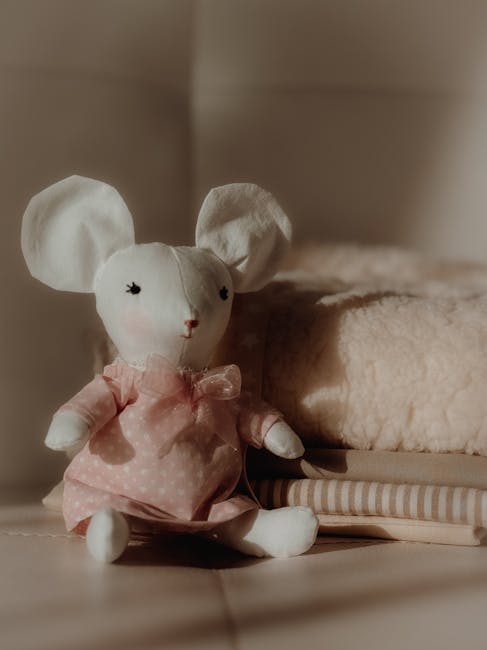
Toys play a significant role in your baby's emotional development. A soft plush toy can provide comfort and a sense of security, becoming a beloved companion during nap time. This attachment helps babies learn to soothe themselves and manage feelings of anxiety or fear. When babies play with toys that involve role-playing, like dolls or action figures, they begin to understand social interactions. They mimic what they see, practicing empathy and understanding different emotions. This can be a first step in developing emotional intelligence. Consider the joy you see in your baby's eyes when they succeed in a task, like stacking blocks without them falling. This success builds confidence and a sense of accomplishment, fostering a positive self-image from an early age. Have you ever noticed how your baby lights up when presented with a new toy? This excitement isn't just about the toy itself but the endless possibilities it presents. What toys have you found to be the most beneficial for your baby's development? Your insights could spark inspiration for other parents navigating this important phase of growth.

Credit: blog.lovevery.com
Age-appropriate Toys
Choosing the right toy for your baby can be confusing. Age-appropriate toys can help your child develop essential skills. It's important to match the toy with your child's age and abilities. This ensures safety and maximizes the developmental benefits. Let's explore suitable toys for different age groups.
Newborn Toys
Newborns explore the world through their senses. Soft, colorful toys attract their attention. Consider toys with different textures. These stimulate touch. Rattles and soft mobiles are great choices. They provide visual and auditory stimulation. Keep safety in mind. Avoid small parts that could be a choking hazard.
Toys For Infants
Infants are curious about their surroundings. They enjoy toys that make sounds. Musical toys captivate their interest. They also love toys they can grasp. Think of stacking rings or soft blocks. These toys help develop motor skills. Sensory balls engage their senses further. Choose bright colors to boost visual development.
Toys For Toddlers
Toddlers are full of energy and love to explore. They need toys that challenge their growing skills. Simple puzzles can stimulate problem-solving. Building blocks encourage creativity. Push and pull toys are excellent for physical activity. They support walking and coordination. Consider role-play toys. They spark imagination and creativity.
Signs Your Baby Is Ready For Toys
Babies show interest in toys by reaching out, grasping objects, and making eye contact. Smiling or giggling at colorful or noisy toys signals readiness. Exploring surroundings and responding to sounds indicate curiosity for playtime activities. Offering toys stimulates development and encourages interaction.
Recognizing when your baby is ready for toys is a delightful milestone in parenting. Babies exhibit specific signs that signal their readiness to interact with toys. By observing your baby's behavior, you can introduce them to toys at the right time, enhancing their development and joy.
Motor Skill Development
One of the first indicators your baby is ready for toys is the development of their motor skills. If your baby starts reaching out for objects or tries to grab your fingers, it's a sign their hand-eye coordination is improving. Offering toys like soft blocks or rattles can help them practice these new skills. As their grip gets stronger, you might notice them trying to hold onto objects for longer. This is the perfect opportunity to introduce toys that encourage grasping and holding. Remember the excitement when your baby first held a toy and smiled? That’s a moment of discovery worth cherishing.
Curiosity And Exploration
A curious baby is ready to explore the world around them. You'll see this curiosity when they start looking around more intently or focus on moving objects. Toys can serve as a safe and engaging way to satisfy their curiosity. Have you ever noticed your baby staring at colorful objects or trying to follow sounds? These are cues that they are eager to explore different textures, colors, and sounds. Introduce toys that stimulate their senses, like colorful plush toys or musical toys, to keep their inquisitive minds engaged. Your baby's journey into the world of toys is not only about play but also about learning and development. Are you ready to watch them grow and explore? Every toy you offer is a step towards their bright future.
Safety Considerations
As a new parent, you want the best for your baby, and toys are no exception. But before you start filling the nursery with colorful playthings, there are crucial safety considerations you should keep in mind. Ensuring your baby's toys are safe is not just about choosing the right ones but also about understanding potential risks that could arise during playtime. Are you aware of the dangers lurking in your baby’s toy box?
Choking Hazards
Babies explore the world with their mouths, which makes choking hazards a significant concern. Any toy with small parts can pose a risk. Always check the recommended age on toy packaging. Manufacturers often indicate age appropriateness based on safety tests. It’s not just about maturity; it's about safety.
Consider using a small parts tester, which is a simple tool to determine if a toy is a choking hazard. If the toy fits inside, it's too small for your baby. I once discovered a seemingly harmless toy had detachable eyes that fit right into the tester. Would you have thought of checking that?
Material Safety
The materials toys are made of can greatly impact safety. Babies have sensitive skin and tend to chew on toys, so materials should be non-toxic. Look for toys labeled BPA-free or made from natural materials. Avoid toys with paint or finishes that could chip or flake.
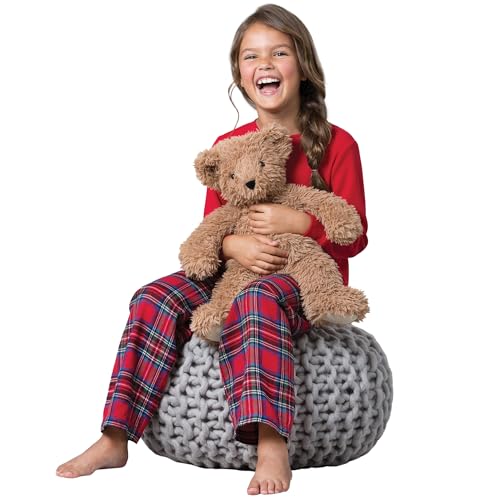
Soft toys can be comforting, but they can also harbor allergens and bacteria. Ensure they are washable and regularly clean them. Have you ever wondered what lurks beneath that cute stuffed bear?
Ensuring your baby's toys are safe is an ongoing process. Regularly inspect toys for damage, and be ready to discard anything that seems risky. Your vigilance can turn playtime into a safe and joyful experience for your little one. What steps will you take today to ensure your baby's playtime is both fun and safe?
Choosing The Right Toys
As your baby grows, offering toys isn't just about keeping them occupied. It's about choosing the right toys that can help them learn and develop. You might wonder how to pick toys that are both fun and beneficial. Let's dive into the types of toys that can make a difference.
Educational Toys
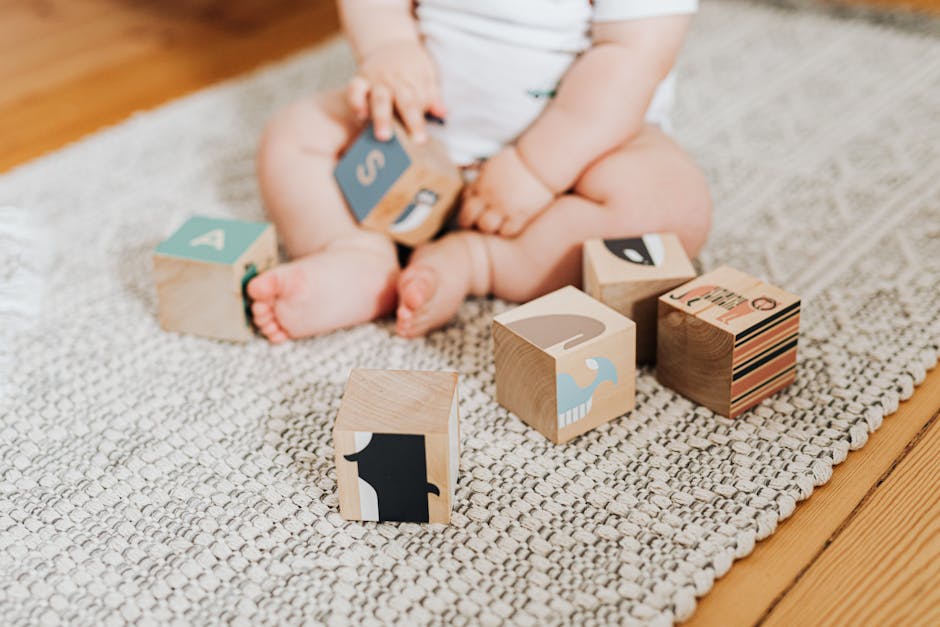
Educational toys are a great way to introduce learning in a playful manner. Think of toys that encourage problem-solving, like simple puzzles or stacking blocks. These toys can help your baby develop motor skills and understand basic concepts like shapes and colors.
Remember that the best educational toys are ones that grow with your child. A toy that challenges them today can still be relevant tomorrow as they learn new skills. Have you ever seen the joy on a child's face when they figure out how to stack blocks just right?
Sensory Toys
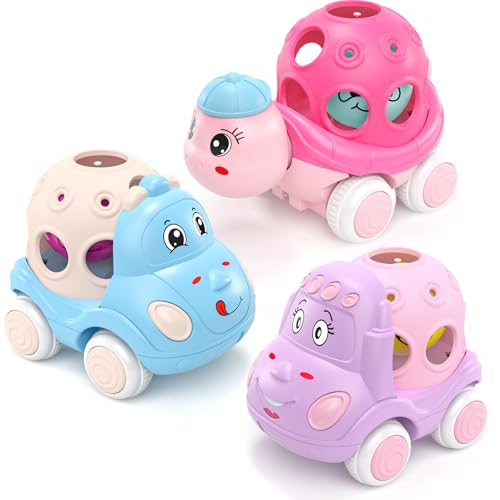
Sensory toys stimulate your baby's senses, enhancing their ability to explore the world around them. Toys with different textures, sounds, and colors can be fascinating for your little one. Rattles, soft toys, or toys with varied surfaces are excellent choices.
These toys can help your baby understand cause and effect. When they shake a rattle, it makes a noise, sparking curiosity. Have you noticed how a toy with bright colors can capture a baby's attention and encourage them to explore further?
Choosing the right toys for your baby is a journey of discovery. It's about seeing what captivates them and encourages their growth. What toys have you found to be most engaging for your baby?

Credit: www.mysweetmuffin.com
Expert Opinions
Experts suggest introducing toys when babies show interest in surroundings. This could be around 3 months old. Toys help develop senses and coordination. Choose safe and colorful options to stimulate their curiosity.
When deciding the right time to introduce toys to your baby, expert opinions provide invaluable guidance. Experts offer insights based on years of research and experience. These insights ensure that your baby gets the best start in life.
Pediatric Recommendations
Pediatricians suggest introducing toys around three months. At this age, babies begin to explore their surroundings. Simple, colorful toys capture their attention. Soft rattles and teething toys are favorites. They help in developing sensory skills. Always choose toys that are safe and non-toxic. Pediatricians stress the importance of supervision during playtime.
Child Development Specialist Tips
Child development specialists emphasize the role of toys in learning. They recommend toys that promote motor skills. Toys like stacking blocks and soft books are ideal. They encourage interaction and curiosity. Specialists advise rotating toys to maintain interest. This keeps learning fresh and engaging. Balance is key in choosing the right toys. Select toys that match your baby's developmental stage. Listening to experts can make a big difference. Their advice helps in nurturing your baby's growth.
Frequently Asked Questions
When Can My Baby Start Playing With Toys?
Babies can start playing with toys around 2 to 3 months old. At this age, they begin to develop hand-eye coordination. Soft, colorful toys that make sounds are ideal. They stimulate their senses and encourage interaction. Always ensure toys are safe and suitable for their age.
How Do Toys Benefit A Baby's Development?
Toys play a crucial role in a baby's development. They enhance motor skills, cognitive abilities, and social interaction. Interactive toys encourage problem-solving and creativity. They also help in sensory development through different textures and sounds. Ensure toys are appropriate for your baby's developmental stage.
Which Toys Are Safe For Newborns?
For newborns, choose toys that are soft, lightweight, and easy to grasp. Rattles, plush toys, and teething rings are excellent choices. Ensure they are made of non-toxic materials and have no small parts. Regularly check toys for wear and tear to maintain safety.
How Often Should I Introduce New Toys?
Introduce new toys gradually, every few weeks. Rotating toys keeps your baby engaged and stimulates their curiosity. Observe which toys they favor and offer similar ones to support their interests. Ensure the toys are age-appropriate to match their developmental milestones.
Conclusion
Offering toys at the right time boosts your baby's development. Start with simple, colorful toys that engage their senses. Observe your baby’s reactions and interests. Gradually introduce toys that match their growing skills. Interactive toys encourage exploration and learning. Safety is crucial, so always choose age-appropriate toys.
Regular play strengthens your bond with your baby. It also helps them discover new abilities. Keep their playtime fun and varied. This supports their healthy growth and happiness. Remember, every baby is unique. Adjust toy choices as your baby grows and changes.
Enjoy these precious play moments together.