


Have you ever wondered about the role of toys in shaping a child’s future? Toys are more than just playthings; they are powerful tools for learning and development.
When you choose the right toys, you're not just giving a child a way to pass the time. You’re gifting them skills that will last a lifetime. This article delves into who benefits from educational toys, what makes a toy educational, and why these toys are crucial for a child's development.
By understanding the impact of educational toys, you can make informed choices that nurture creativity, problem-solving, and social skills in children. Discover how you can transform playtime into an enriching educational experience. Curious about how toys can become your child’s first teachers? Read on to unlock the secrets of education in toys.

Credit: www.amazon.com
Educational Value Of Toys
Toys hold significant educational value by sparking curiosity and creativity in children. They help develop problem-solving skills and enhance learning through play. Understanding the role of toys in education shapes a child's mind, encouraging exploration and discovery.
Toys have long been a staple in childhood, but have you ever considered their educational value? Toys are more than just playthings; they are tools that can shape a child’s future. By engaging with toys, children learn essential skills that prepare them for life.
Role In Child Development
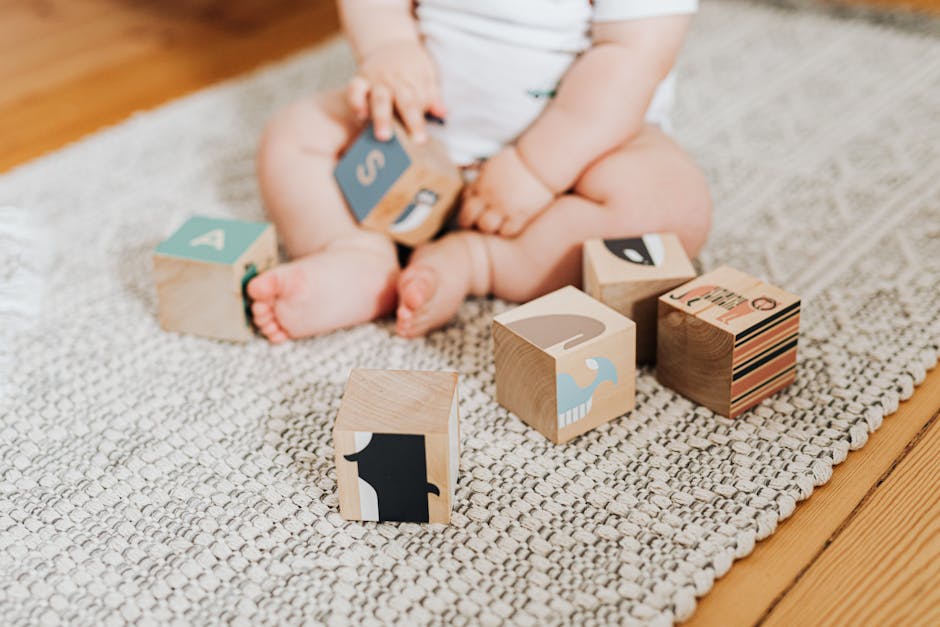
Toys play a crucial part in a child's growth and learning. They stimulate curiosity and encourage exploration, which are key components of cognitive development. When you see a child figuring out how to stack blocks or fit shapes into a sorter, you witness firsthand the power of toys in action. Social skills also develop as children play together. Sharing toys and taking turns teach patience and empathy. Toys can turn a simple playdate into a learning experience without children even realizing it.
Skill Building Opportunities
Different toys offer various skill-building opportunities. Puzzles and building blocks enhance problem-solving skills and spatial awareness. These are not just fun activities but vital exercises for the brain. Musical toys introduce children to rhythm and melody, aiding in auditory development. They also lay the groundwork for future interests in music and the arts. Consider toys that encourage creativity. Art supplies and craft kits allow children to express themselves and think outside the box. These skills can translate into innovative thinking later in life. Are the toys in your home unlocking these skill-building opportunities? Look at them not just as playthings but as stepping stones for your child's development. By choosing the right toys, you are investing in your child’s future. What skills do you want your child to learn today?
Types Of Educational Toys
Educational toys are more than just fun playthings; they are tools that can help shape your child's learning and development. Understanding the different types of educational toys can help you make informed choices that benefit your child’s growth. Let's dive into some key categories and discover what they offer.
Stem Toys
STEM toys are designed to spark curiosity in science, technology, engineering, and mathematics. They encourage problem-solving skills and logical thinking. Think of building blocks that challenge your child to create complex structures. Or, consider interactive robot kits that teach coding basics. These toys make learning math and science concepts exciting and accessible. Have you ever seen a child’s face light up when a robot they built starts to move?
Artistic And Creative Toys
Artistic and creative toys nurture imagination and self-expression. They include items like paints, clay, and musical instruments. Such toys provide a canvas for your child’s creativity to flourish. Watching your little one craft a masterpiece with simple crayons can be a heartwarming experience. These toys can also improve hand-eye coordination and fine motor skills. What will your child create next?
Language And Literacy Toys
Language and literacy toys help develop communication skills and vocabulary. Storytelling kits and phonics games can make learning language engaging. These toys often include interactive books that bring stories to life. Picture a child giggling as they hear a story read aloud by a friendly toy character. Playing with these toys can enhance reading skills and boost confidence in speaking. How will your child’s stories unfold?
By selecting the right educational toys, you can turn playtime into a productive learning experience. What type of toy will you choose to inspire your child’s next learning adventure?
Choosing The Right Toy
Selecting toys involves understanding who will play with them, what their interests are, and why educational value matters. This ensures that children enjoy playtime while learning essential skills. Thoughtful choices foster creativity and development, making play both fun and beneficial.
Choosing the right toy for your child can feel like navigating through a maze. With countless options available, it’s easy to feel overwhelmed. But selecting the perfect toy doesn’t have to be a daunting task. By focusing on key aspects like age appropriateness, safety, and your child's interests, you can make informed decisions that benefit your child's development.
Age Appropriateness
Understanding age appropriateness is crucial in selecting a toy that matches your child's developmental stage. Toys that are too advanced might frustrate your child, while those too simple might not hold their interest. Think about a toddler trying to solve a complex puzzle. It's not just difficult; it's discouraging. Check the age recommendations on toy packaging. These guidelines are often based on safety and the developmental skills typical for each age group.
Safety Considerations
Safety is non-negotiable when it comes to your child's toys. Imagine the peace of mind knowing your child is playing with a toy free from hazards. Always look for toys made from non-toxic materials and check for small parts that might pose choking risks. Inspect toys regularly for damage or wear. A broken toy can quickly become a safety hazard. Prioritize toys with a strong build quality and consider those that meet recognized safety standards like ASTM or EN71.
Interest-based Selection
A toy that aligns with your child’s interests can spark joy and engagement. Recall the excitement in your child's eyes when they receive a toy related to their favorite cartoon character. It’s a connection that goes beyond playtime. Observe what captivates your child’s attention. Do they love building things, or are they drawn to music? Tailoring toy choices to their passions not only enhances playtime but also supports their growth in areas they naturally gravitate towards. Choosing the right toy involves more than picking the first appealing item on the shelf. It's about making thoughtful choices that cater to your child's unique needs and interests. What toy will you choose next to inspire your child's imagination and learning?
Integrating Toys Into Learning
Toys are more than fun. They are powerful learning tools. Integrating toys into education boosts creativity and cognitive skills. Children learn better with hands-on experiences. Toys provide these experiences. They make learning interactive and enjoyable. Let's explore how toys help both at home and in the classroom.
Home Learning Strategies
Parents can use toys to teach. Puzzles improve problem-solving skills. Building blocks enhance spatial awareness. Dolls and figurines develop social skills. Educational toys make learning at home effective. They keep children engaged. Simple games teach complex ideas. Toys turn lessons into play. This encourages lifelong learning.
Classroom Applications
Teachers use toys to explain concepts. Science kits help understand experiments. Math games simplify calculations. Language toys improve vocabulary. Toys create an interactive classroom environment. They stimulate curiosity and imagination. Group activities with toys teach teamwork. Students learn better through play. Incorporating toys makes lessons memorable.
Benefits Of Learning Through Play
Learning through play offers many benefits for children. It enhances their development in a natural way. Play is not just fun. It’s a critical part of childhood learning. Toys serve as tools that help children explore the world around them. Through play, children develop vital skills that shape their future.
Cognitive Advantages
Play boosts brain development. It encourages problem-solving and creativity. When children engage with toys, they learn to think critically. They explore cause and effect. They discover how things work. Play strengthens memory and attention span. It also enhances language and numeracy skills. Educational toys make learning engaging and interactive. These toys challenge young minds. They encourage exploration and curiosity.
Social Skills Development
Play fosters social interaction. Children learn to share and cooperate. They develop communication skills. Playing with others teaches empathy. It helps children understand different perspectives. Social play encourages teamwork and leadership. Children learn to express themselves. They also learn to resolve conflicts. These skills are essential for future success.
Emotional Growth
Play supports emotional development. Children express feelings through play. They learn to manage emotions. Play builds self-esteem and confidence. It provides a safe space to explore emotions. Children learn resilience through challenges in play. They develop patience and perseverance. Play teaches emotional regulation. It helps children face real-life situations.
Challenges In Educational Toy Industry
The educational toy industry faces unique challenges. These toys must educate and entertain children. Striking this balance can be tough. Parents seek toys that support learning. But children want fun and excitement. Toy makers must blend these needs creatively. They must also keep up with changing market demands. This industry constantly evolves, driven by technology and innovation.
Market Trends
The educational toy market sees rapid shifts. Technology affects how children learn and play. Digital toys are becoming popular. These toys offer interactive learning experiences. Parents show interest in STEM-based toys. These toys build skills in science, technology, engineering, and math. Eco-friendly toys also gain traction. Many parents want sustainable products. Meeting these diverse needs can be challenging for toy makers.
Balancing Fun And Education
Toy creators face the challenge of balancing fun with learning. Too much focus on education might bore children. Too much fun might lack educational value. A well-designed toy combines both. It should offer engaging play. Yet, it must provide learning opportunities. Toys can teach problem-solving, creativity, and social skills. The challenge lies in integrating these elements seamlessly. Successful toys make learning enjoyable.
Future Of Educational Toys
Educational toys are shaping future learning by blending play with education. These toys teach skills like problem-solving and creativity. They engage children, making learning fun and interactive. Through educational toys, children explore subjects like science and math naturally. This approach prepares them for future challenges.
The future of educational toys is evolving rapidly, driven by advancements in technology and a heightened awareness of sustainability. As parents and educators seek tools that not only entertain but also educate, toys are becoming more sophisticated and environmentally friendly. It's crucial to consider how these changes will impact our children's learning experiences. Are today's toys preparing your kids for tomorrow’s world?
Technological Innovations
Technological innovations are reshaping educational toys in fascinating ways. Imagine toys that adapt to your child's learning pace or those that simulate real-world experiences through augmented reality. Interactive robots teach coding to kids as young as five, making complex subjects accessible and fun. You might have seen toys with AI capabilities that engage children in conversations, answering questions and sparking curiosity. These innovations aren’t just cool; they’re transforming how kids learn, making education hands-on and exciting.
Sustainability Concerns
Sustainability is becoming a priority in toy production. As a parent, you want toys that are safe for your child and the planet. The push for eco-friendly materials means toys are increasingly made from recycled plastics and biodegradable components. Consider wooden toys sourced from sustainable forests or those using non-toxic dyes. These options reflect a growing demand for environmentally responsible products. Would you choose a toy that teaches values like conservation alongside math or science? As you explore educational toys for your child, think about these innovations and sustainability efforts. They not only enhance learning but also instill important values from an early age. What's your vision for educational toys in your child's future?
Credit: edxeducation.com

Credit: www.amazon.com
Frequently Asked Questions
What Are Educational Toys?
Educational toys are designed to stimulate learning and development. They help children develop cognitive, physical, and social skills. These toys often promote problem-solving, creativity, and critical thinking. Examples include puzzles, building blocks, and science kits. Educational toys can make learning fun and engaging for children of all ages.
Why Are Toys Important For Child Development?
Toys play a crucial role in child development by enhancing cognitive and motor skills. They encourage creativity, imagination, and social interaction. Through play, children learn problem-solving and decision-making skills. Toys also aid in emotional development, helping children express feelings. Overall, they provide a foundation for lifelong learning.
How Do Toys Influence Learning?
Toys influence learning by engaging children in interactive and hands-on activities. They stimulate curiosity and motivation to explore. Educational toys encourage critical thinking and problem-solving skills. They also promote language and communication development. By providing diverse learning experiences, toys can enhance a child’s educational journey effectively.
What Factors To Consider When Choosing Educational Toys?
Consider the child’s age, interests, and developmental stage when choosing educational toys. Look for toys that encourage creativity and problem-solving. Safety and durability are essential factors. Choose toys that promote social interaction and teamwork. Ensure the toy is engaging and can hold the child’s attention for effective learning.
Conclusion
Toys are more than just fun for children. They educate and inspire. Through play, kids develop skills and creativity. Parents can choose toys that teach and entertain. Quality toys make learning enjoyable and memorable. These experiences shape young minds and prepare them for the future.
Every toy holds a lesson, a chance to grow. With thoughtful choices, toys can enrich childhood. So, let toys be the tools of learning. Encourage play that challenges and delights. After all, the best education often comes disguised as play.
Let's nurture curiosity and wonder with every toy.