

When Do Babies Chew on Toys?
As a parent, you might be wondering when your little one will start chewing on toys. It’s a common milestone that sparks curiosity and sometimes a bit of concern.
You want to ensure your baby is developing normally, and understanding their chewing habits can offer valuable insights. It’s more than just a quirky behavior; it’s a crucial part of their growth and development. Imagine being able to predict when your baby will start this fascinating phase, giving you the confidence to provide them with the safest and most suitable toys.
This knowledge not only eases your mind but also enhances your bond with your child. It’s this anticipation, this readiness to be the best parent you can be, that keeps you searching for answers. We’ll dive into the world of baby chewing habits, helping you understand the why and when. You’ll discover the signs to watch for, and how to prepare for this exciting stage. Stay with us, and you’ll gain the peace of mind that comes from being informed and prepared for your baby’s next big step.
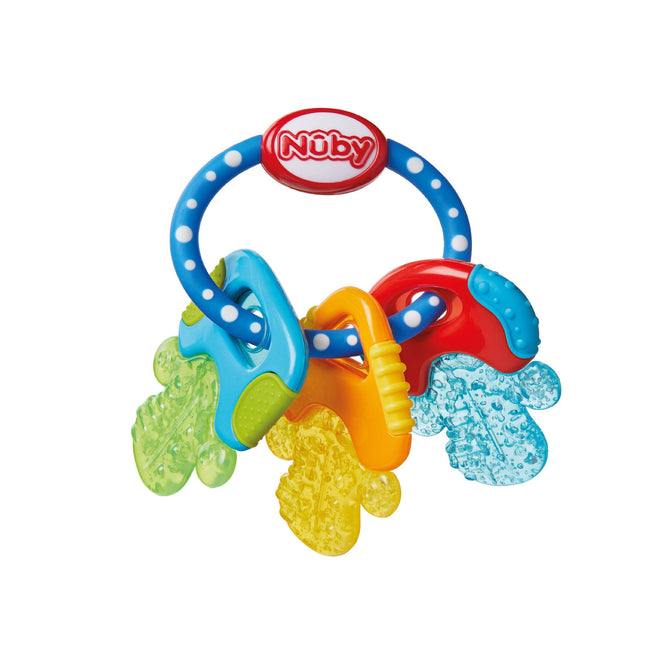
Credit: uk.nuby.com
Teething Timeline
Understanding the teething timeline helps parents prepare for their baby's needs. Babies often chew on toys during teething. This behavior signals the beginning of an important developmental phase. Parents can notice specific signs and patterns as teething progresses.
Early Signs Of Teething
Drooling increases significantly. Babies might rub their gums more often. Irritability can become more frequent. Sleep may be disrupted. Some babies refuse to eat. These signs often appear before teeth break through.
Common Teething Ages
Teething usually starts around six months old. Some babies begin teething as early as three months. Others might start closer to twelve months. Each baby has a unique teething schedule. The first teeth to appear are typically the bottom front teeth. Top front teeth often follow shortly after.

Credit: www.healthline.com
Reasons For Chewing
Babies have a natural instinct to chew on toys. It's a common behavior driven by several reasons. Each reason plays a role in their development. Understanding these reasons can help parents choose the right toys.
Exploring The World
Babies use their mouths to explore new objects. Chewing helps them learn about textures and shapes. It's their way of understanding the world. The mouth is sensitive, making it a perfect tool for discovery.
Through chewing, babies build sensory skills. It supports cognitive development and encourages curiosity. Chewing is a safe way for them to interact with their environment.
Soothing Discomfort
Teething can cause discomfort for babies. Chewing helps soothe sore gums. The pressure from chewing reduces pain. It acts like a natural massage for tender gums.
Chewing offers relief and comfort during teething. It helps distract from the discomfort. Parents notice less fussiness when babies have suitable toys to chew on.
Choosing Safe Toys
Choosing safe toys is crucial for your baby's development and safety. Babies love to explore the world by chewing on toys. Ensuring these toys are safe is important for their health.
Materials To Avoid
Some materials can be harmful to babies. Avoid toys made from lead-containing materials. Lead can cause serious health issues. Also, steer clear of toys with small parts. These can be choking hazards. Plastic toys with harmful chemicals like BPA should be avoided too.
Recommended Toy Types
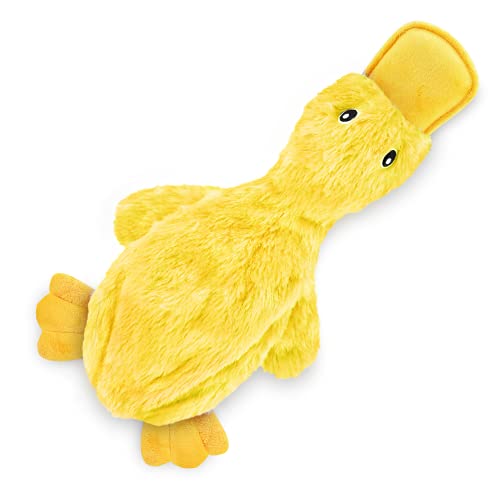
Choose toys made from natural materials. Wooden toys are a great option. They are safe and durable. Soft, fabric toys are also excellent. Ensure they are washable and free from small parts. Silicone teething toys are another safe choice. They are soft and easy for babies to chew.
Always check for safety labels on toys. Look for non-toxic certifications. Regularly inspect toys for wear and tear. Damaged toys should be discarded immediately.
Monitoring Chewing Habits
Babies often start chewing on toys around six months of age. Chewing helps soothe teething discomfort and promotes oral development. Monitoring these habits is essential to ensure safety and prevent choking hazards.
Monitoring your baby's chewing habits can be an insightful yet simple task. As your little one grows, their interest in gnawing on toys is a natural part of development. But how can you tell when chewing becomes excessive? Understanding the signs can help you determine if it's time to intervene or consult a pediatrician.
Signs Of Excessive Chewing
Babies typically chew on toys to soothe their gums and explore their world. However, if your baby is constantly chewing on everything within reach, it might be excessive. Look for signs like constant drooling, chapped lips, or red, irritated gums. Is your baby chewing on toys even when they aren't teething? Pay attention to these clues, as they might indicate more than just curiosity.
Potential Health Concerns
Excessive chewing can sometimes lead to health issues. If your baby is chewing too hard or too frequently, it could harm their developing teeth or gums. Chewing on dirty or unsafe objects can introduce bacteria or choking hazards. Ensure toys are clean and appropriate for their age, and regularly check for wear and tear. Have you noticed changes in your baby's eating habits or discomfort? These could be signs that their chewing habits are affecting their health. Consulting a healthcare professional might provide clarity and reassurance.
Monitoring your baby's chewing habits doesn't have to be daunting. With a keen eye and a little attention, you can ensure your baby's exploration is both safe and healthy. How closely do you monitor your baby's chewing habits? Are there any other signs you've noticed that could indicate excessive chewing?
Supporting Healthy Development
Supporting a baby's healthy development involves various activities. Chewing on toys is one of them. It plays a vital role in their growth. Babies start chewing when they are around 4 to 7 months old. This behavior is not random. It has significant benefits for their overall well-being.
Promoting Oral Health
Chewing helps in the development of strong jaws and gums. It prepares babies for future eating habits. This activity reduces discomfort during teething. Soft, safe toys offer relief to sore gums. Chewing increases saliva production, which helps clean their mouth. It also reduces bacteria, keeping their oral health in check.
Encouraging Sensory Exploration
Babies use their mouths to explore the world. Chewing on toys helps them learn new textures. It stimulates their sensory development. Different toys provide varied experiences. This exploration enhances their understanding of surroundings. It helps in cognitive growth and builds curiosity. Sensory play supports their emotional and social skills too.

Credit: www.amazon.com
Frequently Asked Questions
When Do Babies Start Chewing On Toys?
Babies typically begin chewing on toys around 4 to 6 months. This behavior often coincides with teething. Chewing helps soothe their gums. Offering safe, soft toys can provide comfort. It's important to ensure toys are free from small parts. Always supervise playtime to prevent choking hazards.
Why Do Babies Chew On Toys?
Babies chew on toys primarily to soothe their gums during teething. The pressure relieves discomfort. Chewing also helps in sensory exploration. It aids in developing oral motor skills. Toys should be safe and free from toxins. Regularly check for wear and tear.
How To Choose Safe Teething Toys?
Choose toys made from non-toxic, durable materials. Look for ones labeled BPA-free. Ensure they have no small detachable parts. Soft, textured surfaces are ideal for soothing gums. Regularly clean toys to maintain hygiene. Always supervise your baby during playtime to prevent accidents.
Is Chewing On Toys Beneficial For Babies?
Yes, chewing on toys is beneficial. It helps soothe teething pain and aids sensory development. Chewing promotes oral motor skills essential for eating and speaking. It encourages hand-eye coordination. Ensure toys are safe and appropriate for your baby’s age and developmental stage.
Conclusion
Babies start chewing toys as they explore the world around them. This behavior usually begins around three to six months of age. Chewing helps with teething and sensory development. Parents should offer safe and clean toys to encourage this natural habit.
Always monitor your baby to ensure toy safety. Recognize the signs of teething and provide comfort. Toys play a crucial role in their growth. Remember, each baby develops at their own pace. Be patient and attentive during this exciting time.
Enjoy watching your baby grow and learn through play.