




Have you ever looked at electronic toys and wondered if you could make one yourself? You might think it’s complicated, but crafting your own electronic toys can be easy and fun.
Imagine the satisfaction of seeing a toy come to life, powered by your creativity and hands-on skills. This guide is designed just for you, breaking down the process into simple steps that anyone can follow. You don't need to be an expert to dive into this exciting world.
With a few basic materials and a bit of guidance, you'll be amazed at what you can create. Keep reading to discover the secrets to making easy electronic toys that will not only entertain but also inspire the inventor in you.

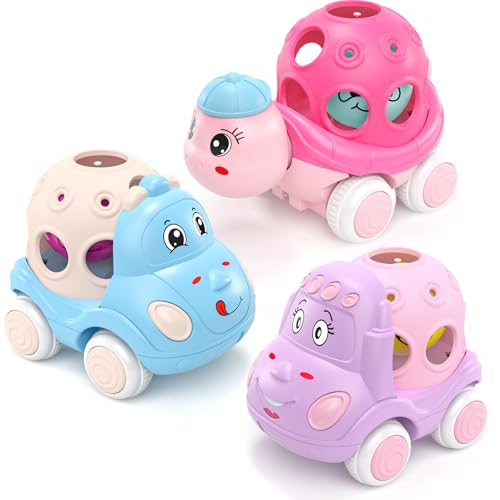
Credit: www.amazon.com
Choosing Materials
Selecting the right materials is crucial for making easy electronic toys. Opt for basic components like wires, batteries, and simple circuits. These choices ensure the project remains uncomplicated and enjoyable for beginners.
Choosing the right materials is crucial when making easy electronic toys. The materials you select can greatly influence the toy's performance, durability, and safety. Whether you're a hobbyist or crafting with kids, understanding the basics of what you need can make the process smoother and more enjoyable.
Basic Components
Start with the essentials. Batteries are the power source for most electronic toys. Choose between AA, AAA, or coin-cell batteries depending on your toy's size and power needs. Wires are necessary for connecting components; go for flexible ones that are easy to manipulate. LEDs add visual appeal, and selecting different colors can make your project more exciting. Switches allow you to control the toy's functions easily. Lastly, consider using a breadboard for assembling circuits without soldering. It’s reusable and perfect for beginners.
Safety Considerations
Safety should always be a top priority. Opt for materials that are non-toxic and safe to handle, especially if you’re working with children. Ensure that your wires are well-insulated to prevent any accidental shocks. Use battery holders to secure batteries firmly and avoid loose connections. It's also wise to include a fuse in your circuit to protect against short circuits. Always test your toy in a controlled environment before letting kids play with it. Can you imagine the peace of mind knowing your toy is not only fun but also safe? By carefully choosing the right materials, you can create electronic toys that are not just functional but also secure and enjoyable. What will your next project be?

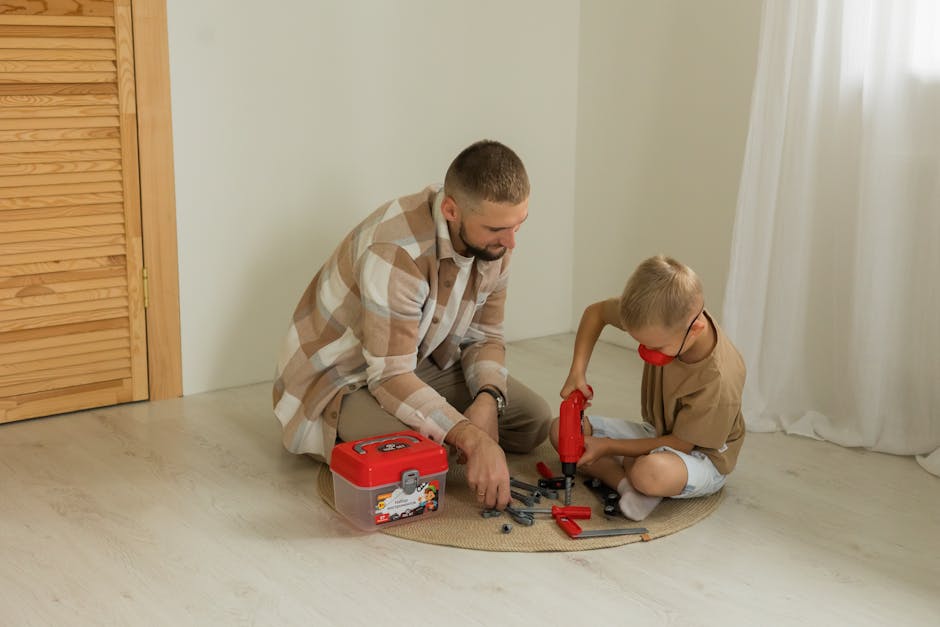
Credit: blog.adafruit.com
Simple Circuit Concepts
Dive into simple circuit concepts and discover how to make easy electronic toys at home. Explore basic electronic components and steps to create fun, interactive toys. Perfect for beginners eager to learn and experiment with electronics.
Creating electronic toys can be a thrilling journey into the world of circuits. Understanding simple circuit concepts is your first step in bringing your toy ideas to life. With a little curiosity and basic knowledge, you can create toys that light up, buzz, or even move!
Series And Parallel Circuits
In a series circuit, components are connected one after another, forming a single path for the current to flow. Imagine a line of people passing a ball from one to the next. If one person drops the ball, the flow stops. Similarly, if a single component in a series circuit fails, the entire circuit stops working. This might not be ideal for your toy if reliability is crucial. Conversely, a parallel circuit offers multiple paths for the current. Think of it like several lanes on a highway. If one lane closes, cars can still use the others. In your toy, using a parallel circuit means if one component fails, the rest can still function. This could be perfect for toys with multiple lights or motors.
Understanding Voltage And Current
Voltage is like the pressure that pushes electrical current through a circuit. Higher voltage means more "push," making components work harder. But, too much voltage can damage your toy. Always check the voltage rating of your components to ensure they match your power source. Current, on the other hand, is the flow of electrical charge. It’s measured in amperes (amps). Imagine it as the number of cars on a road. More cars mean more current. If your circuit demands more current than your power source can provide, the components might not work properly, or worse, they could overheat. When I first started making electronic toys, I underestimated the importance of balancing voltage and current. My first toy car was sluggish because I used a low-current battery. Once I switched to a higher current battery, it zoomed across the room! This taught me that understanding these concepts can dramatically impact your toy's performance. Think about the toy you want to create. Do you need a simple series circuit, or would a parallel setup be better? How will voltage and current affect your design? By grasping these concepts, you're well on your way to crafting a successful electronic toy.
Essential Tools
Creating electronic toys can be a thrilling adventure, especially when you have the right tools at your disposal. The magic begins with understanding and gathering essential tools that make the process smooth and enjoyable. Think about it: wouldn't it be frustrating to start a project and then realize you're missing a key tool? Let's dive into the essentials you need to build your own electronic toys effortlessly.
Soldering Iron
The soldering iron is your best friend when it comes to connecting components. It's like the glue that holds your electronic parts together. A good quality soldering iron ensures strong, reliable connections. Choose one with a comfortable grip, especially if you plan on spending hours working on your toy projects. A temperature-controlled soldering iron can be a game changer, allowing precision soldering and preventing damage to sensitive components.
Once, when I was working on a toy robot, my cheap soldering iron failed to keep the connections intact. I learned the hard way the importance of investing in a quality tool. Have you ever had that moment when a small upgrade made a huge difference?
Multimeter Use
A multimeter is essential for diagnosing and ensuring your circuits work correctly. It measures voltage, current, and resistance, helping you troubleshoot issues before they become problems. Imagine you're assembling a toy car, and it doesn't move. A multimeter can quickly check if the motor is receiving power, saving you hours of frustration.
Using a multimeter is like having a detective on your team. It uncovers mysteries in your circuit and guides you toward solutions. I once found a hidden wiring issue in a project thanks to my trusty multimeter. Consider it as your electronic toy’s health checker. Would you skip regular health checks? Then why skip a tool that ensures your project’s success?
Embrace these tools and watch your electronic toy creations come to life with ease. Have the right tools ever saved your project at the last minute? Share your story or ask questions below, and let’s keep the conversation going!
Beginner Projects
Getting started with electronic toys can be fun and educational. Beginner projects are perfect for those new to electronics. They require minimal components and basic skills. You'll learn how circuits work and gain confidence. These projects are simple, engaging, and a great introduction to the world of electronics.
Led Blinkers
LED blinkers are a fantastic first project. They teach you basic circuit concepts. You need a few components: an LED, a resistor, and a battery. Connect these components on a breadboard. Use a simple circuit diagram for guidance. The LED will blink, showing you the magic of electronics. Experiment with different resistors. Change the blink rate and see the effect. This project helps you understand current flow and resistance.
Buzzing Doorbell
Create a buzzing doorbell with a few simple parts. You need a buzzer, a switch, a battery, and some wires. Set up the circuit on a breadboard. Connect the buzzer to the battery through the switch. Press the switch to make the buzzer sound. This project introduces you to switches and sound generation. Modify it by adding a light bulb. Make it light up along with the buzz. This enhances the learning experience.
Intermediate Creations
Discover simple steps to create electronic toys at home. Intermediate Creations guides enthusiasts through easy projects, perfect for sparking creativity. Learn basic components and techniques, making toy-building accessible and fun.
Creating electronic toys can be a thrilling journey, especially when you step into the realm of intermediate creations. This is where you can challenge yourself and see your skills truly shine. These projects are not just about putting parts together; they're about bringing your imagination to life with a bit more complexity. As you dive into these projects, you'll learn how to solve problems creatively. Ready to take your electronic toy-making skills to the next level? Let's explore some exciting projects you can tackle.
Remote-controlled Car
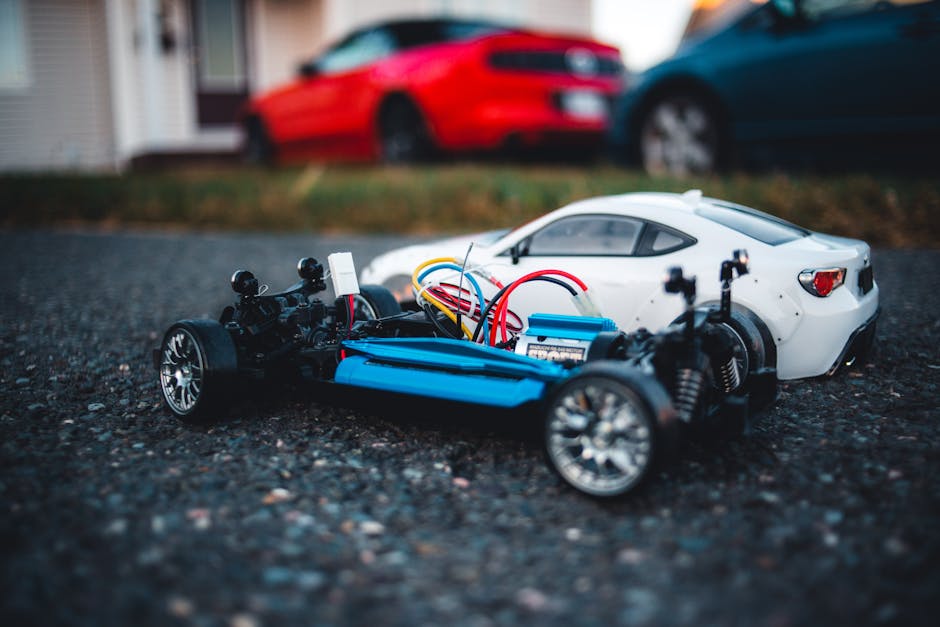
Building a remote-controlled car is a rewarding project. It combines creativity with technical skills, allowing you to see the immediate results of your efforts. Start by gathering essential components like a basic chassis, a small motor, and a simple remote-control system. Think about how you want your car to move and what features it should have. Do you want it to go fast, or should it be able to turn sharply? By focusing on specific goals, you can better design the car to meet your expectations. Once you have a plan, assemble the car carefully. Test it in different environments to see how it performs. This is a great opportunity to learn about troubleshooting and making adjustments. Each challenge you face helps you grow and makes the next project even more exciting.
Simple Robots
Creating simple robots can be a fascinating endeavor. These projects allow you to experiment with basic programming and automation. Start with a small robot kit, which typically includes all the necessary parts and instructions. Consider what tasks you want your robot to perform. Should it follow a line, avoid obstacles, or dance around? By setting clear objectives, you give your project a sense of purpose. As you build, you'll work with sensors and motors, learning how they interact. Programming the robot is where the magic happens. It can be as simple or complex as you like. Use simple code to instruct your robot on how to behave. This is a great way to see the direct impact of your coding skills. Remember, the joy of building a robot is in watching it come to life. Every movement it makes is a testament to your effort and creativity. What will your robot do next? Let your imagination lead the way.
Advanced Ideas
For those ready to explore beyond simple electronic toys, advanced ideas await. Creating more complex projects can be exciting and rewarding. These projects challenge your skills and creativity, offering unique and functional gadgets. Let’s dive into some fascinating advanced ideas.
Smart Home Gadgets
Smart home gadgets can transform ordinary tasks into automated experiences. Building a smart light switch is a great start. It can turn lights on or off using voice commands. A smart thermostat can learn your preferred temperatures and adjust accordingly. These projects often use microcontrollers like Arduino or Raspberry Pi. They require coding, but many resources help simplify the process.
Interactive Art Pieces
Interactive art pieces blend creativity with technology. They engage viewers through interaction. An LED matrix can create dynamic, colorful displays. Sensors can detect motion and change the display based on movement. Another idea is a musical instrument that responds to touch or light. These projects allow artistic expression while learning about circuits and programming. They offer a unique way to mix art with technology.
Troubleshooting Tips
Building electronic toys can sometimes lead to unexpected issues. Simple errors can stop progress. Knowing how to troubleshoot is essential. It saves time and effort. Here are some tips for common problems. Learn effective solutions to fix them.
Common Mistakes
Loose connections often cause many problems. Wires not properly attached can lead to device failure. Incorrect component placement is another frequent error. Parts must be in the right order. Misreading circuit diagrams is also common. This can cause short circuits.
Effective Solutions
Check all connections first. Ensure wires are secure and tight. Use a multimeter to test continuity. This helps find broken connections. Double-check component positions on the board. Follow the circuit diagram closely. Use a magnifying glass for small parts.
Look for damaged components. Burnt or broken parts need replacing. Inspect batteries for leaks or low charge. Replace them if needed. Keep a toolkit handy. Basic tools help fix minor issues quickly.
Resources And Community
Discover resources and join communities that simplify creating electronic toys. Access guides, tutorials, and forums for support and inspiration. Engage with fellow enthusiasts to share ideas and solve challenges together.
Embarking on the journey of creating electronic toys is both exciting and rewarding. One of the most essential aspects of this journey is knowing where to find the right resources and connecting with a supportive community. This not only enhances your learning but also keeps you motivated and inspired. Let's dive into some invaluable resources and communities that can help you in making easy electronic toys.
Online Tutorials
The internet is a treasure trove of online tutorials that cater to every skill level. Websites like YouTube and Instructables provide step-by-step guides with visual aids, making complex projects easier to tackle. Have you ever tried following a video tutorial? It feels like having a personal mentor walking you through each step, ensuring you don't miss any crucial detail. Many creators share their tips and tricks, offering insights that can save you time and effort. You can pause, rewind, and replay parts as needed, learning at your own pace.
Diy Forums
DIY forums are vibrant hubs where enthusiasts and experts converge to share ideas, troubleshoot problems, and celebrate successes. Communities like Reddit's r/DIY or specific electronics forums can be goldmines of information. Imagine having a question at 2 AM and finding someone across the globe who has the perfect solution. These forums are not just places to find answers but also to connect with like-minded individuals who share your passion. Engaging with such a community can turn a solitary hobby into a collaborative adventure. Consider joining discussions or simply browsing through threads. You might stumble upon innovative ideas or solutions to problems you didn't even know you had. Have you ever been stuck on a project and found a forum post that perfectly addressed your issue? It's like a lightbulb moment that propels you forward. By diving into online tutorials and DIY forums, you harness a wealth of knowledge and community support. What’s stopping you from starting your next electronic toy project today?
Credit: store.doverpublications.com
Frequently Asked Questions
What Materials Are Needed For Electronic Toys?
To make electronic toys, you'll need basic materials like batteries, wires, LEDs, and motors. Additionally, components such as resistors, capacitors, and microcontrollers are essential. You can find these materials at electronics shops or online. Gather all components before starting your project to ensure smooth construction.
How Do I Start Making Electronic Toys?
Begin by understanding basic electronic components and circuits. Research simple toy designs for inspiration. Follow step-by-step tutorials available online or in books. Start with simple projects to build confidence. Practice soldering and connecting components. Experiment with different designs to enhance your skills.
Are Electronic Toys Safe For Kids?
Yes, if constructed properly, electronic toys can be safe for children. Ensure all components are securely connected. Use low-voltage batteries to prevent electric shocks. Avoid small parts that could be choking hazards. Always supervise young children while playing with electronic toys to ensure safety.
Can I Make Electronic Toys At Home?
Absolutely, you can make electronic toys at home with basic tools and materials. Many online resources provide step-by-step instructions for beginners. You’ll need a soldering iron, multimeter, and pliers for assembly. Ensure you have a clean, organized workspace to avoid mistakes.
Conclusion
Creating electronic toys is a fun and rewarding activity. These simple projects spark creativity and learning. You gain skills while enjoying the process. Anyone can start with basic materials at home. Experiment and watch your ideas come to life. Share your creations with friends and family.
Inspire others to try their hand at building toys. Remember, patience and practice are key. Enjoy every step and keep exploring new ideas. Crafting toys isn't just a hobby; it's a journey of innovation. Dive into the world of electronics and let your imagination lead the way!


