


Imagine the thrill of taking control of a miniature helicopter as it soars through the sky. Flying a remote control toy helicopter offers an exciting mix of fun and skill.
Whether you're a beginner or looking to refine your flying skills, mastering this hobby can be incredibly rewarding. In this guide, you'll discover the secrets to flying your toy helicopter with confidence and precision. From understanding the controls to making those smooth landings, we've got you covered.
Get ready to unlock a new level of enjoyment as you transform your backyard into a mini airfield. Dive into the details, and soon you'll be piloting like a pro, impressing friends and family with your newfound expertise.

Credit: www.rchelicopterfun.com
Choosing The Right Toy Helicopter
Choosing the right toy helicopter is the first step to a thrilling remote-controlled flying experience. It's not just about picking the coolest looking one on the shelf; different helicopters offer varied experiences based on your preferences and skill level. Whether you're a beginner or an expert pilot, understanding what each type offers will help you make the best choice.
Types Of Remote Control Helicopters
Remote control helicopters come in different types, each designed for specific uses and flying conditions. If you're new, you might want to start with a coaxial helicopter. These are stable and easy to control, perfect for indoor use. For those looking for more excitement, consider a single rotor helicopter. They offer more agility and speed but require some practice to master.
Then there's the collective pitch helicopter, designed for advanced users. They offer full control over the pitch of the blades, allowing for aerobatic maneuvers. Each type offers a different flying experience, so think about where and how you want to fly before making a choice. Have you ever watched a helicopter do flips? That's a collective pitch in action!
Key Features To Consider
Before you purchase, consider key features that impact performance and usability. A vital factor is the control range. If you plan to fly outdoors, look for helicopters with a longer control range. This ensures you can fly without losing signal.
Another feature to pay attention to is the battery life. Short battery life can cut your fun short, so choose a helicopter with a battery that lasts at least 10-15 minutes. Some models offer easily swappable batteries for longer playtime.
Don't forget about the durability. Crashes happen, especially when you're learning. Look for helicopters made with durable materials or those that come with spare parts. This way, you can quickly fix any damage and get back to flying.
Finally, consider the remote controlitself. A user-friendly remote can make all the difference, especially for beginners. You'll want one that's comfortable to hold with intuitive controls. Have you ever tried flying with a complex controller? It's like trying to learn a new language mid-air.
These factors will guide you to the right choice, ensuring a fun and rewarding flying experience. As you navigate through these options, think about your needs and how each feature aligns with your flying ambitions. What kind of pilot do you want to be? Choose wisely, and the sky is your playground.
Credit: www.heliguy.com
Preparing For Flight
Flying a remote control toy helicopter is an exciting hobby. Before taking off, ensure your helicopter is ready for flight. Proper preparation enhances the flying experience and prevents accidents. Focus on checking the battery and inspecting helicopter parts. These steps are crucial for a safe and enjoyable flight.
Checking Battery And Power
Start by ensuring the battery is fully charged. A drained battery can cause mid-flight interruptions. Check the battery connection. It should be secure and free from corrosion. If you use rechargeable batteries, verify they are in good condition. Replace any damaged batteries. Check the power switch on the helicopter. Make sure it's functional. A faulty switch can lead to flight issues.
Inspecting Helicopter Parts
Examine the rotor blades. They should be intact and free from cracks. Damaged blades affect flight stability. Inspect the landing skids. They should be firmly attached. Loose skids can result in rough landings. Check the body of the helicopter. Look for any visible damage. Cracks or dents can affect aerodynamics. Ensure the remote control is working properly. Test all buttons and controls. A malfunctioning remote hinders flying precision.
Understanding Controls
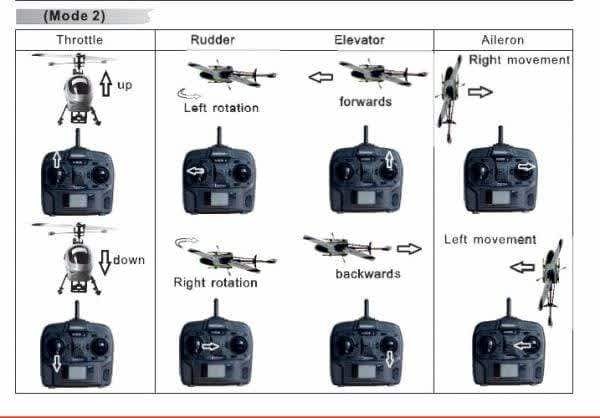
Flying a remote control toy helicopter involves understanding basic controls for smooth operation. Learn to manage throttle, pitch, and yaw. Practice these to achieve stable flight and enjoy your helicopter's performance.
Flying a remote control toy helicopter can be thrilling. Whether you’re a beginner or have a bit of experience, understanding the controls is crucial. The controls are your gateway to mastering the skies, transforming a simple toy into a mesmerizing flight experience. Once you grasp the basic functions, you'll be equipped to try advanced maneuvers that are both fun and challenging.
Basic Control Functions
The remote control usually has two sticks. One stick controls the throttle. Pushing it up makes the helicopter rise. Pulling it down lowers it. The other stick handles direction. Move it left or right to turn the helicopter accordingly. Forward and backward movements adjust the pitch. A friend of mine once tried flying a toy helicopter without understanding these basics. It ended up crashing into a tree. Learning the controls first prevents frustrating mishaps. Some remotes have additional buttons or switches for trimming. Trimming helps stabilize flight when your helicopter tends to drift. The key is to practice gently. Start with small movements to get a feel for how the helicopter responds.
Advanced Maneuvers
Once you’re comfortable with basic controls, it’s time to try advanced maneuvers. Ever tried hovering in one spot? It’s harder than it looks. You have to balance the throttle and directional controls carefully. Consider attempting a pirouette. Rotate the helicopter in a circle using the direction stick. Keep the throttle steady to maintain altitude. Flying in a figure-eight pattern is challenging and fun. It improves your coordination and control. Remember that practice makes perfect. Each maneuver you master brings a sense of achievement. How about trying to land precisely on a marked spot? It sharpens your control and precision. With advanced maneuvers, patience and persistence are key. What new trick will you try next?

Credit: www.youtube.com
Mastering Flight Techniques
Flying a remote control toy helicopter can be thrilling. To truly enjoy it, mastering flight techniques is essential. These skills transform basic flying into a graceful aerial dance. With practice, you can enhance your control and precision. Let's explore crucial techniques that will elevate your flying skills.
Takeoff And Landing
Takeoff is the first step in flying a helicopter. Begin by placing the helicopter on a flat surface. Gradually increase the throttle to lift off smoothly. Avoid sudden movements to prevent instability. For landing, reduce the throttle gently. Bring the helicopter down with a steady hand. Practicing these steps ensures a safe flight.
Hovering And Maneuvering
Hovering involves keeping the helicopter steady in the air. Achieve this by balancing the throttle and controls. Practice makes perfect. Begin by hovering at a low height. Use small adjustments to maintain stability. Once comfortable, progress to maneuvering. This involves directing the helicopter in different directions. Practice smooth turns and gentle movements. These techniques enhance control and precision in flight.
Troubleshooting Common Issues
Flying a remote control toy helicopter can be thrilling. But sometimes, issues arise. Understanding common problems helps ensure smooth flights. Whether it's flight instability or control issues, troubleshooting is key. Let's explore ways to address these challenges.
Addressing Flight Instability
Flight instability can frustrate even seasoned pilots. Check the helicopter's balance first. Ensure the rotor blades are clean and intact. Damaged blades cause wobbling during flight. Inspect the rotor head for loose screws. Tighten any that need adjustment.
Consider environmental factors too. Windy conditions disrupt stability. Fly in calm weather for better control. If the helicopter drifts, recalibrate the gyroscope. Follow the manual for precise instructions. Regular maintenance ensures stable flights.
Fixing Control Problems
Control issues often stem from interference. Check the transmitter's batteries. Weak batteries weaken signal strength. Replace them if needed. Ensure the antenna is fully extended. A retracted antenna reduces range.
Check for radio interference. Other electronic devices might disrupt signals. Move to a different location to test. If the helicopter does not respond, inspect the receiver. It might need resetting. Follow the manual for guidance.
Keep the helicopter within visible range. Flying too far may cause loss of control. Regular practice improves handling skills. Troubleshooting enhances your flying experience. Enjoy seamless flights with these simple checks.
Safety Precautions
Flying a remote control toy helicopter can be thrilling. Yet, safety precautions are vital. Ensuring a safe experience keeps both pilot and bystanders protected. Adhering to safety guidelines helps prevent accidents. Let's explore essential safety measures for a fun flight.
Safe Flying Environments
Choose open spaces for flying. Parks or large fields are ideal. Avoid crowded areas and busy streets. Ensure the area is free from obstacles. Trees and power lines pose risks. Flying indoors requires caution. Avoid rooms with fragile items or low ceilings.
Protective Gear And Measures
Wearing protective gear is wise. A helmet can prevent head injuries. Eye protection shields from debris. Gloves offer grip and protect hands. Consider setting boundaries with cones or markers. This keeps onlookers at a safe distance. Always keep a first-aid kit nearby. It’s better to be prepared.
Maintenance And Care
Keeping your remote control toy helicopter in good shape extends its life. Proper maintenance is key. It ensures smooth flying and prevents damage.
Simple care practices can make a big difference. Always treat your helicopter gently. Pay attention to cleaning and storage.
Regular Cleaning Practices
Dirt and dust can affect performance. Clean your helicopter often. Use a soft brush or cloth. Gently wipe the blades and body. Avoid using water or harsh chemicals. These can damage the parts.
Check the rotor blades for dirt. Clean them carefully. This keeps them in top condition. Regular cleaning keeps your helicopter flying high.
Storing Your Helicopter
Proper storage is essential for your helicopter. Keep it in a cool, dry place. Avoid direct sunlight and high humidity. These can harm the electronics.
Use a protective case if possible. This prevents dust accumulation. Always remove the batteries before storing. It prevents damage and extends battery life.
Ensure the helicopter is dry before storage. Moisture can lead to rust and corrosion. Follow these steps for a healthy and ready-to-fly helicopter.
Frequently Asked Questions
How Do I Start A Toy Helicopter?
To start a remote control toy helicopter, ensure it's fully charged and switched on. Next, activate the remote control by turning it on. Gradually push the throttle stick upward to lift off. Always follow the manufacturer's instructions for specific startup procedures to ensure a smooth operation.
What Are Basic Flying Controls?
Basic flying controls include throttle, pitch, roll, and yaw. Throttle adjusts altitude, pitch moves the helicopter forward or backward, roll tilts it side to side, and yaw rotates it. Mastering these controls is essential for stable flight and maneuverability.
How Can I Safely Land A Toy Helicopter?
To safely land a toy helicopter, gently reduce the throttle to lower it smoothly. Ensure a clear landing area free from obstacles. Gradually decrease altitude while maintaining control. Before touching down, stabilize the helicopter to prevent tipping over.
What Is The Ideal Flying Environment?
The ideal flying environment is a spacious, open area free from obstacles. Indoor spaces should be clear of furniture and fragile items. Outdoor areas must be calm, with minimal wind interference. Avoid crowded places to ensure safety and prevent accidents.
Conclusion
Flying remote control helicopters is fun and rewarding. Start with understanding the basics. Practice regularly in open spaces. Avoid windy days for smooth flights. Check your equipment before taking off. Be patient; skills improve with time. Control the helicopter with steady hands.
Safety matters, so keep a safe distance. Enjoy learning new maneuvers. Share experiences with fellow enthusiasts. Flying toys can be a great hobby. Explore different models and features. Challenge yourself with new techniques. Above all, enjoy the thrill of flying.
With practice, you'll fly like a pro. Keep exploring and have fun!


