




Imagine the excitement on your child's face when they first unbox their remote control toy car. The thrill of zooming it around the living room or backyard can be endless fun.
But what happens when that excitement comes to a screeching halt because the car stops working? Frustration sets in, and you're left wondering how to fix it. The good news is, you don’t need to be a tech wizard to get your remote control toy car back on track.
In this guide, you'll discover simple, step-by-step solutions to common problems. Whether it's a glitchy remote, a sluggish car, or a stubborn battery issue, we've got you covered. Ready to bring that toy car back to life and see your child’s eyes light up again? Let’s dive into how you can easily repair your remote control toy car and restore the fun.

Credit: www.gettyimages.com
Common Issues With Remote Control Toy Cars
Remote control toy cars are a source of endless joy for both kids and adults. However, they often face issues that can dampen the fun. Understanding these common problems can help you troubleshoot and repair your toy car effectively. Let's dive into some frequent issues that might be causing your remote control car to stall.
Battery Problems
Batteries are the lifeline of your toy car. If your car isn't moving or seems sluggish, the battery might be the culprit. Ensure your batteries are charged and correctly placed. Sometimes, it's not about replacing them but making sure they fit snugly.
Have you ever wondered if your battery is draining too fast? Check if the terminals are clean and free from corrosion. A simple wipe can make a difference.
Signal Interference
Remote controls operate on specific frequencies. If your car isn't responding, there might be interference from other devices. Try operating your car in a different area.
Consider switching off nearby devices that might be causing interference. You’ll be surprised how often a microwave or Wi-Fi router disrupts your toy's performance.
Motor And Gear Issues
Does your car make unusual sounds or refuse to move? It might be due to motor or gear problems. Inspect these parts for wear and tear. Lubricating the gears can often resolve minor issues.
Think about the last time your car ran smoothly. Regular maintenance can prevent motor burnout, keeping your car racing for longer.
Wheel Alignment
Is your car veering off course? Misaligned wheels could be the problem. Check if the wheels are securely attached and aligned properly. Adjust them for a straight path.
Imagine the thrill of seeing your car race in a straight line. Proper alignment not only improves performance but also enhances your driving experience.
Loose Connections
Loose wires or connections can halt your car unexpectedly. Inspect the internal wiring for any disconnections. Secure loose wires to ensure uninterrupted play.
Ever experienced sudden stops in the middle of a race? Fixing these connections can prevent frustrating interruptions.
Are there other challenges you face with your remote control toy car? Share your experiences and solutions. Your insights might help others enjoy their toy cars without a hitch.
Tools And Materials Needed
Repairing a remote control toy car requires basic tools like a screwdriver, pliers, and a multimeter. Gather materials such as replacement batteries, wires, and small screws to ensure a smooth fix.
Repairing a remote control toy car can be a fun and rewarding experience, especially if you have the right tools and materials at your disposal. Gathering the necessary items before starting ensures a smoother repair process and increases your chances of success. Imagine the satisfaction of watching that toy car zoom across the floor again, all because of your handiwork. Let's dive into what you'll need to get started.
Basic Tools
Start with a screwdriver set. Remote control toy cars often use small screws that require precision tools. A set with various sizes and types, like Phillips and flathead, will cover most needs. A soldering iron is essential if you need to repair any electrical connections. It's handy for fixing broken wires or reattaching components on the circuit board. Don't forget a multimeter. This tool helps check for electrical continuity and can diagnose problems like dead batteries or faulty connections.
Materials Needed
You’ll need some replacement parts. Depending on what's broken, this might include gears, wheels, or even a new motor. Check the model of your car to find compatible parts. Soldering wire is necessary if you're using a soldering iron. Ensure you have a spool of thin wire, suitable for delicate electronics. Keep a pair of pliers nearby. They’re useful for gripping, bending wires, or snapping components into place.
Safety Gear
Safety should never be an afterthought. A pair of safety goggles protects your eyes from solder splashes or flying debris. Consider wearing heat-resistant gloves when using a soldering iron. This reduces the risk of burns during repairs.
Organizational Tools
A magnetic tray or small container can be your best friend. It keeps screws and small parts from rolling away. Use labels or small bags to keep track of parts. It’s easy to forget where each piece belongs during a complex repair.
Personal Experience Insight
I once spent hours searching for a tiny screw that went missing mid-repair. Since then, I always use a magnetic tray. Have you ever faced a similar situation? Keeping everything organized not only saves time but also reduces frustration. By having these tools and materials ready, you're setting yourself up for a successful repair session. Each item has its purpose, and together, they make the task achievable. What else might you add to your toolkit to prepare for unexpected repairs?
Diagnosing The Problem
Repairing a remote control toy car begins with diagnosing the problem. Identifying the issue saves time and effort. It also helps in finding the right solution. Let's explore common issues.
Battery Issues
Dead batteries are common in toy cars. Check the battery compartment first. Ensure the batteries are inserted correctly. Sometimes, cleaning the battery contacts helps. Use a soft cloth for cleaning. Replace old batteries with fresh ones. This often solves power-related issues.
Signal Interference
Signal interference can disrupt toy car operations. Check for nearby electronic devices. Devices like TVs or microwaves may interfere. Maintain a clear line of sight. Ensure no objects block the remote signal. Adjusting the antenna can improve reception.
Mechanical Failures
Mechanical failures affect toy car movement. Listen for unusual sounds. Clicking or grinding noises indicate gear issues. Examine the wheels for obstructions. Remove debris that might hinder movement. Tighten loose screws and parts. Regular maintenance prevents mechanical problems.
Fixing Battery Problems
Repairing a remote control toy car often involves fixing battery problems. Start by checking the battery connections for any corrosion. Replace old batteries with fresh ones to ensure smooth operation.
Fixing battery problems in your remote control toy car can be a straightforward task if you know where to look. Batteries are often the lifeline of these miniature vehicles, and when they aren't working, it can put a halt to the fun. It's common to encounter issues like poor connections or simply old batteries that need replacing. By focusing on these areas, you can get your toy car zooming across the floor again. Let's explore how you can tackle these battery-related problems effectively.
Checking Battery Connections
Before jumping to conclusions that your batteries are dead, ensure they're connected properly. A loose connection can easily disrupt the flow of power. Open up the battery compartment and inspect the connections. Are the terminals clean, or are they covered in rust or dirt? Use a small brush or a cotton swab dipped in vinegar to clean any corrosion. Sometimes, gently bending the contacts can help create a tighter fit.
Replacing Old Batteries
If cleaning the connections doesn't work, the batteries might simply be too old. Batteries have a limited lifespan, and as they age, their ability to hold a charge diminishes. Remove the old batteries from the compartment and check their type and size. Are they AA, AAA, or another type? Make sure to replace them with fresh, new ones of the same kind. When purchasing new batteries, consider investing in rechargeable ones. They might cost a bit more upfront, but they can save you money in the long run. Doesn't it feel empowering to solve a problem on your own? By tackling these battery issues, you not only save money but also learn more about how your toy car operates. Next time your car stops working, you’ll know exactly where to start. What's the first thing you'll check?
Addressing Signal Interference
Fixing remote control toy cars often involves addressing signal interference. Start by checking the batteries and antenna alignment. Ensure no nearby devices disrupt the signal.
Addressing signal interference can be crucial for remote control toy cars. Interference often disrupts the connection between the car and its remote. This can lead to unexpected stops and frustrating play experiences. Understanding how to address this issue can enhance your toy car experience.
Testing The Remote Control
Check the remote control for any visible damage. Ensure batteries are fresh and properly placed. Test the remote within short distances first. Move closer to the car and try various commands. If the car responds, the issue might be external interference.
Adjusting Antenna Position
The antenna plays a key role in signal transmission. Adjust the antenna to a vertical position for better reception. Keep it straight and extend it fully if possible. Avoid bending or twisting the antenna. Ensure it is not blocked by objects or other electronics. Proper antenna positioning can reduce interference effectively. Solving signal interference can transform your toy car experience. Follow these steps to ensure smooth and fun playtime.
Repairing Mechanical Issues
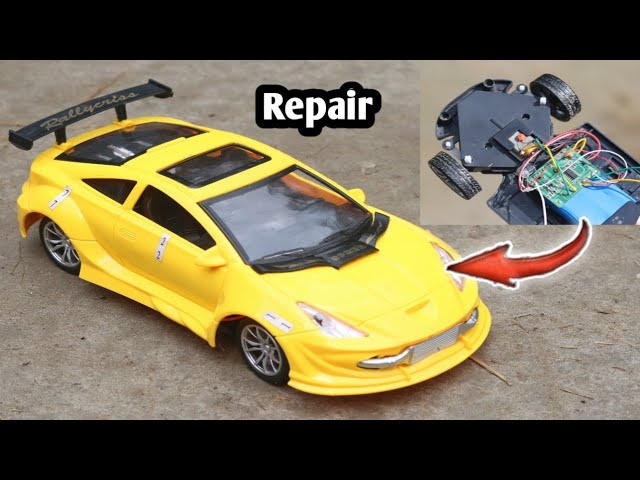
Fixing a remote control toy car involves checking the battery connection and inspecting the motor. Ensure wires are securely attached, and replace damaged parts. Test the car on different surfaces to identify persistent issues.
Repairing mechanical issues in remote control toy cars can be rewarding. It brings broken toys back to life, offering satisfaction. This section focuses on common mechanical problems and simple solutions.
Inspecting Wheels And Axles
Start by checking the wheels for dirt or blockages. Dirty wheels can affect performance. Use a brush to clean them gently. Next, examine the axles for bends or breaks. Bent axles cause the car to wobble. Replace any damaged axles with new ones. Ensure wheels rotate freely after fixing.
Fixing Broken Parts
Broken parts can stop a toy car from working. Identify the broken part first. It could be a bumper, gear, or body panel. Use glue for plastic parts. Let it dry completely before testing. For metal parts, consider soldering. Ensure all parts fit snugly in their place. Securely fastened parts ensure smooth operation.
Maintenance Tips For Longevity
Learn how to repair remote control toy cars easily. Check connections and tighten loose screws. Replace damaged parts for smooth performance.
When it comes to keeping your remote control toy car running smoothly, maintenance is key. Regular upkeep not only ensures that your toy performs at its best but also extends its lifespan. You don't want your favorite toy to gather dust or, worse, break down just when the fun is getting started. Let's explore some practical maintenance tips to help your remote control car last longer and continue to zoom across your living room floor effortlessly.
Regular Cleaning
Dirt and dust are the silent enemies of any remote control toy car. After each use, it's essential to wipe down your car to remove any grime. A soft cloth or a small brush can work wonders in reaching those tiny nooks and crannies. If your car has been on an outdoor adventure, consider a slightly damp cloth to clean more stubborn dirt. Avoid soaking the car or using harsh chemicals, as these can damage the electronic components. Remember, a clean car is a happy car!
Proper Storage
The way you store your remote control car can significantly impact its longevity. Always store your car in a cool, dry place to prevent moisture from damaging the electronics. Consider a dedicated shelf or a storage box to avoid accidental knocks or falls. Keep the car away from direct sunlight, which can warp plastic parts over time. Also, remember to remove the batteries when the car is not in use for extended periods. This prevents battery leakage, which can ruin the internal circuits. Do you have a special spot for your car that keeps it safe and sound? By paying attention to regular cleaning and proper storage, you're not just maintaining your remote control toy car—you're investing in countless hours of enjoyment and adventure.

Credit: www.shutterstock.com
When To Seek Professional Help
Experiencing persistent issues with your remote control toy car? Professional help is vital when DIY solutions fall short. Complex electronic problems may require skilled repair services to ensure your toy's longevity and optimal performance.
Repairing a remote control toy car can be an exciting DIY project, but sometimes the issues go beyond what you can handle at home. Knowing when to seek professional help is crucial to avoid further damage and ensure your toy car runs smoothly again. It's not just about handing over the problem; it's about recognizing the value a professional can bring to complex repairs. Let's explore the instances when reaching out to an expert becomes necessary and how it can save you time and hassle.
Understanding The Complexity Of The Problem
When the toy car stops working despite replacing batteries or checking wires, it might indicate a deeper issue. Internal components like motors or circuit boards can be tricky to fix without proper tools and expertise. If the car exhibits erratic movements or fails to respond to commands, it might be time to consider professional assistance.
Assessing Your Skills And Tools
While you might be handy with a screwdriver, some repairs require specialized tools and knowledge. Ask yourself if you're equipped to handle intricate parts or electronic components. Without the right skills, you might risk damaging the toy further. Professionals have the expertise and tools to diagnose and fix issues efficiently.
Evaluating The Cost Of Repair Vs. Replacement
Consider the cost implications of attempting a repair on your own. If the toy car is expensive or holds sentimental value, professional repair might be worth the investment. On the other hand, if the repair costs exceed the price of a new toy car, it might be more practical to replace it. Weighing these options helps you make a wise decision.
Learning From Past Experiences
Reflect on previous repair attempts. Were they successful, or did they lead to more problems? If you’ve struggled with similar issues before, seeking professional help could provide a learning opportunity. Understanding what went wrong in the past can guide your decisions today, ensuring a smoother repair process.
Deciding When To Call In The Experts
Ultimately, the decision to seek professional help hinges on a few factors: the complexity of the problem, your confidence and tools, and the value of the toy car. Trust your instincts—if something feels beyond your capabilities, don't hesitate to consult a professional. Remember, it's not a failure to ask for help; it's a smart way to ensure your remote control toy car gets the care it needs. Are you ready to make that call?
Credit: m.youtube.com
Frequently Asked Questions
How To Identify Issues With Remote Control Toy Car?
First, check the batteries and ensure they are fully charged. Inspect for loose wires or damaged components. Test the remote's signal by trying it with another toy. If the car doesn't move or respond, consider seeking professional help or referring to the manufacturer's manual for guidance.
What Tools Are Needed For Toy Car Repair?
You'll need a basic toolkit including screwdrivers, pliers, and a multimeter. Replacement parts like wires or batteries may also be necessary. Having a soldering iron can be helpful for fixing any loose connections. Keep a clean workspace to prevent losing small parts during the repair process.
How To Fix Non-responsive Remote Control?
First, ensure the batteries are fresh and properly installed. Check for any damage or loose connections in the remote. Test the remote with another compatible toy to rule out issues. If it still doesn't work, consider replacing the remote or seeking professional repair assistance.
Why Is My Toy Car Not Moving Forward?
Check the battery and ensure it's charged and properly connected. Inspect the wheels for obstructions or damage. Look for any loose or disconnected wires inside the car. If the problem persists, the motor or gearbox may require examination or replacement by a professional.
Conclusion
Repairing a remote control toy car is simple with the right steps. Check the batteries first. They often cause problems. Inspect the wires for damage or loose connections. Tighten screws and replace any broken parts. Test the remote control after making repairs.
Ensure everything works smoothly. Regular maintenance helps avoid future issues. Keep your toy car in a safe place. Enjoy more playtime with a well-functioning car. Fixing it yourself saves money and time. Happy repairing, and enjoy endless fun with your toy car!


