

As a parent, you know that keeping your baby safe and healthy is a top priority. Toys are a big part of your little one's life, and they're constantly in tiny hands and mouths.
But have you ever wondered how you can ensure these toys are free from harmful germs? This is where a sterilizer for baby toys steps in. Imagine the peace of mind that comes with knowing your baby’s favorite playthings are not just visibly clean, but truly sanitized.
Intrigued? Read on to discover how a sterilizer works its magic, turning a quick routine into a powerful ally in your parenting toolkit.

Credit: www.amazon.com
Sterilizer Types
Sterilizers clean baby toys using heat or chemicals to kill germs. Steam sterilizers use high-temperature steam to sanitize. Chemical sterilizers soak toys in a disinfectant solution, ensuring safe play for little ones.
Choosing the right sterilizer for baby toys can feel overwhelming with various options available. Understanding the different types can help you make an informed decision that suits your needs. Each type of sterilizer has unique features and benefits, ensuring you keep your child's toys clean and safe.
Steam Sterilizers
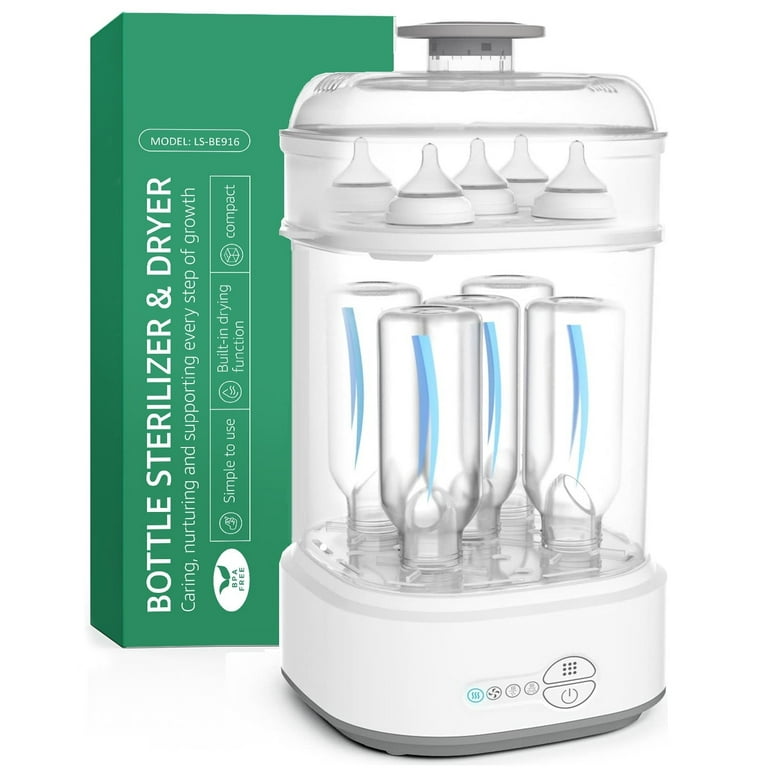
Steam sterilizers are a popular choice among parents. They work by using high-temperature steam to kill germs and bacteria. This method is effective and quick, often taking just a few minutes to sanitize toys. Many steam sterilizers are electric and come with auto shut-off features for safety. They're versatile, too, suitable for bottles and other baby items. Have you ever wondered how steam can clean so thoroughly? It's the heat that gets into every nook and cranny, ensuring complete sanitation.
Uv Sterilizers
UV sterilizers use ultraviolet light to eliminate germs. This method is chemical-free and doesn't require heat, making it ideal for heat-sensitive toys. These sterilizers are compact and portable, perfect for travel or small spaces. Do you have an electronic toy that can't withstand steam? UV sterilizers might be the solution you need.
Microwave Sterilizers
Microwave sterilizers utilize the power of your microwave to produce steam. They're budget-friendly and convenient for busy parents. Simply add water, load the toys, and microwave for a few minutes. The simplicity of this method is its biggest advantage. Imagine saving time and effort while ensuring your baby's toys are germ-free.
Chemical Sterilizers
Chemical sterilizers use a disinfectant solution to clean toys. They're handy for items that can't be exposed to heat or UV light. This method involves soaking the toys in a chemical solution, making it crucial to rinse thoroughly afterward. Are you often concerned about residues? Proper rinsing ensures toys are safe for your little one to play with. Choosing the right sterilizer depends on your lifestyle and the type of toys you need to clean. Have you found the perfect match for your needs?

Credit: www.reddit.com
Key Components
Sterilizer baby toys work by using steam or UV light to eliminate germs on the toys' surfaces. These devices ensure safe play by effectively removing bacteria and viruses, providing a hygienic environment for infants. Simple operation makes them user-friendly and essential for maintaining clean toys.
When it comes to keeping your baby's toys germ-free, understanding the key components of a sterilizer can give you peace of mind. These devices are designed to ensure that toys are safe for your little one, using a few essential parts that work together seamlessly. Let's dive into the main components that make a sterilizer effective and user-friendly.
Heating Element
The heating element is the heart of a sterilizer. It heats the water to produce steam, which is crucial for killing bacteria and germs. Think of it like the engine of a car—it gets things moving. Ever wondered why steam is so effective? It's because it reaches high temperatures that are deadly to most microorganisms. A reliable heating element ensures that the steam reaches every nook and cranny of your baby's toys.
Water Reservoir
The water reservoir is where the magic begins. It's where you add water to generate the steam needed for sterilization. Make sure it's filled to the recommended level for optimal performance. A well-maintained reservoir prevents mineral build-up. Regular cleaning ensures your sterilizer works efficiently every time you use it.
Sterilization Chamber
This is where the actual sterilization process happens. The sterilization chamber holds the toys and exposes them to the steam. It's designed to evenly distribute steam around the toys. This ensures that every surface is sterilized, leaving no room for germs to hide.
Uv Lamps
Some sterilizers feature UV lamps as an added layer of protection. They use ultraviolet light to kill bacteria and viruses that might survive the steam process. UV lamps offer a chemical-free way to sanitize toys. They're especially useful for toys that might be sensitive to heat. Have you ever considered the importance of each part? Understanding these components not only helps you appreciate your sterilizer but also ensures you're using it effectively. Next time you pop those toys in for a clean, you'll know exactly what's happening behind the scenes.
Sterilization Process
The sterilization process for baby toys ensures cleanliness and safety for your child. This process eliminates germs and bacteria that can accumulate on toys. A sterilizer uses heat, UV light, or steam to achieve this. Understanding how each component works is crucial for effective sterilization.
Preparation And Setup
Before starting, clean the toys to remove visible dirt. Place them inside the sterilizer carefully. Ensure that each toy is positioned correctly for full exposure. Check the sterilizer's manual for specific instructions. Proper setup guarantees optimal sterilization.
Cycle Duration
The sterilization cycle varies by machine. Most devices offer a range between 10 to 30 minutes. This duration is essential for killing harmful microorganisms. Longer cycles ensure thorough sterilization. Follow the manufacturer's guidelines for the best results.
Temperature Control
Temperature plays a key role in effective sterilization. Most sterilizers operate at high temperatures to eliminate germs. Adjust settings based on toy materials. Some toys may require lower temperatures. Always verify temperature settings before starting.
Uv Light Exposure
UV light is a powerful disinfectant. It penetrates bacteria and viruses, destroying them. Ensure toys are fully exposed to UV rays. Proper exposure leads to complete sterilization. UV light is safe and chemical-free. It's effective for non-waterproof toys.
Credit: www.walmart.com
Safety Features
Baby toy sterilizers ensure toys remain clean and safe for children. These devices incorporate advanced safety features to protect both the user and the toys. Understanding these features can help parents choose the best sterilizer for their needs.
Auto Shut-off
Auto shut-off prevents overheating by switching the sterilizer off when the cycle ends. This feature saves energy and ensures the device doesn't run unnecessarily. It gives peace of mind, knowing the sterilizer won't overheat or damage the toys.
Child Lock
Child lock keeps curious little hands from tampering with the sterilizer. It secures the settings and prevents accidental opening during operation. This feature is crucial for homes with active toddlers. It ensures safety while the device is in use.
Overheat Protection
Overheat protection guards against excessive temperature build-up. The sterilizer monitors internal heat levels and shuts down if they rise too high. This prevents damage to toys and maintains the integrity of the sterilizer. It also reduces the risk of fire hazards, making it safe for household use.
Maintenance Tips
Sterilizer baby toys use steam or UV light to kill germs and bacteria. Regular cleaning keeps toys safe for babies. Follow manufacturer guidelines for effective sterilization and maintain hygiene.
Maintaining your sterilizer for baby toys is crucial to ensure it keeps functioning effectively. Regular upkeep can extend its lifespan and guarantee that your child's toys are always germ-free. These maintenance tips will help you keep your sterilizer in top shape without any hassle. Dive into these practical steps and make your sterilizer a reliable tool for keeping your baby’s toys safe and clean.
Cleaning The Device
Keeping your sterilizer clean is the first step in maintenance. After each use, wipe the exterior with a damp cloth to remove any dust or residue. If you notice any build-up inside, use a soft brush to gently clean it. Don't forget to check for hidden corners where dirt might accumulate. Regular cleaning prevents malfunction and maintains hygiene standards. Have you ever thought about how a neglected sterilizer might affect its performance?
Descaling Procedures
Descaling is essential to ensure your sterilizer runs efficiently. Minerals in water can build up over time, causing your device to work harder. To descale, mix equal parts of water and vinegar, and run a sterilization cycle without any toys. This solution breaks down mineral deposits effortlessly. Rinse thoroughly afterward to eliminate any vinegar smell. How often do you descale to preserve your sterilizer’s efficiency?
Replacing Uv Lamps
UV lamps are key components that need periodic replacement. They lose effectiveness over time, impacting sterilization quality. Check your sterilizer’s manual to know the recommended replacement frequency. It’s usually every six months to a year, but regular checks can prevent lapses in performance. When replacing, ensure the new lamps are compatible with your device. Have you considered keeping spare lamps for uninterrupted operation? These tips are not only easy to follow but also essential for the longevity and effectiveness of your sterilizer. Regular attention can prevent common issues and keep your baby’s toys safely sanitized. Implement these habits today and enjoy a worry-free sterilization process!
Choosing The Right Sterilizer
Sterilizer baby toys work by using heat or steam to kill germs. They ensure toys are safe for infants. This process removes harmful bacteria, keeping your baby healthy.
Choosing the right sterilizer for baby toys is essential. It ensures toys remain germ-free and safe for little hands. There are several factors to consider when selecting a sterilizer. These factors help in making an informed decision.
Capacity Needs
Consider the size of the sterilizer. It should fit all toys you want to sterilize. Large toys need a spacious sterilizer. If you have many toys, a bigger unit might be better. Check the dimensions before buying. Capacity impacts efficiency and convenience.
Compatibility With Toys
Not all sterilizers suit every toy. Some toys are made of materials sensitive to heat. Check if the sterilizer is suitable for plastic, rubber, and fabric toys. Some units use steam, while others use UV light. Choose a sterilizer that matches the toy materials.
Budget Considerations
Sterilizers vary in price. Determine your budget before shopping. Affordable options exist with good features. Higher-priced models might offer additional functionalities. Compare prices and features to find the best value. Your budget should align with your needs.
Frequently Asked Questions
How Does A Toy Sterilizer Clean Toys?
A toy sterilizer uses steam or UV light to kill germs. The heat or light eliminates bacteria and viruses. This process ensures toys are safe for babies. Regular use helps maintain hygiene. It's a simple, effective method to keep toys germ-free.
Is Uv Light Effective In Sterilizing Toys?
Yes, UV light effectively sterilizes toys by destroying bacteria and viruses. It penetrates and disrupts microbial DNA, ensuring thorough sanitization. UV sterilizers are quick and safe. They offer a chemical-free way to sanitize toys. Many parents prefer UV for its efficiency.
How Often Should Baby Toys Be Sterilized?
Sterilize baby toys weekly or after illness exposure. Regular sterilization prevents germ buildup and maintains hygiene. Toys frequently used by sick children need extra care. It's crucial for health and safety. Adjust frequency based on toy usage and environment.
Can Steam Sterilizers Damage Baby Toys?
Steam sterilizers are generally safe and don't damage most toys. However, check toy material compatibility first. Some toys may warp or discolor. Always follow manufacturer instructions. Proper use ensures effective sterilization without damage. It's a reliable method for many toys.
Conclusion
Sterilizing baby toys keeps them clean and safe. It's simple. Use a sterilizer to eliminate harmful germs effectively. These devices use heat or steam. This method ensures hygiene without harsh chemicals. Parents can rest easy knowing toys are germ-free. Regular sterilization helps maintain a healthy environment.
It's a straightforward process. No complicated steps. Just peace of mind for you and your baby. Keep the toys clean. Keep them safe. Enjoy worry-free playtime every day. Prioritize your child's health with consistent sterilization practices.