
How to Clean Baby Toys before First Use?
Welcoming a new baby into your home is a joyful experience, filled with excitement and love. As a parent, you want to ensure that everything your little one touches is safe and clean, especially their toys.
You might be wondering how to clean baby toys before first use to protect your baby from germs and bacteria. The good news is, you're not alone in this concern. Many parents share your desire to keep their baby’s environment as hygienic as possible.
In this guide, we'll explore effective and simple methods to clean baby toys, ensuring your child can play safely. You'll discover practical tips that will give you peace of mind and help you create a healthy space for your baby. Stay with us to learn how easy it is to make sure your baby's toys are ready for their first adventure.
Importance Of Cleaning Baby Toys
Babies explore the world with their mouths. Toys often end up there. Cleaning baby toys before first use is crucial. It removes germs, dirt, and manufacturing residues. This helps keep your baby safe and healthy. Understanding the importance of cleaning is vital for new parents. Let's dive into why this step shouldn't be skipped.
Importance Of Hygiene For Babies
Babies have developing immune systems. They are more vulnerable to germs and bacteria. Clean toys reduce the risk of infections. This simple step can protect their health. Parents should prioritize hygiene to ensure safety.
Manufacturing Residues And Chemicals
Toys may contain residues from manufacturing. Chemicals and dust can linger on surfaces. These can be harmful if ingested. Cleaning removes potential toxins. Ensure toys are safe for little hands and mouths.
Reducing Allergens
New toys can carry allergens like dust and pet dander. Cleaning helps remove these particles. This is important for babies with sensitivities. A clean toy means fewer allergy risks.
Preventing Mold And Mildew
Moisture in packaging can lead to mold growth. Mold can be harmful when inhaled or ingested. Cleaning toys prevents such growth. Keep toys dry and safe for play.
Building A Routine For Future Cleaning
Starting with clean toys sets a standard. It encourages regular cleaning habits. This routine keeps toys in good condition. A consistent cleaning schedule is beneficial. It prolongs the life of toys and ensures ongoing safety.
Types Of Baby Toys
When you first welcome toys into your home for your baby, it's important to know how to clean them before they get their tiny hands on them. Baby toys come in various types, each requiring specific cleaning methods to ensure they are safe and hygienic for your little one. Let's explore the different types of baby toys and how to clean them effectively.
Soft Toys
Soft toys, like plush animals and fabric dolls, are beloved by babies for their cuddly nature. However, they can easily harbor dust and bacteria. Washing them in a gentle cycle with mild detergent is a great way to clean them.
You can also use a pillowcase to protect them during the wash. Air-drying them under the sun helps to eliminate any remaining germs. Have you noticed how a freshly washed soft toy smells like a warm embrace?
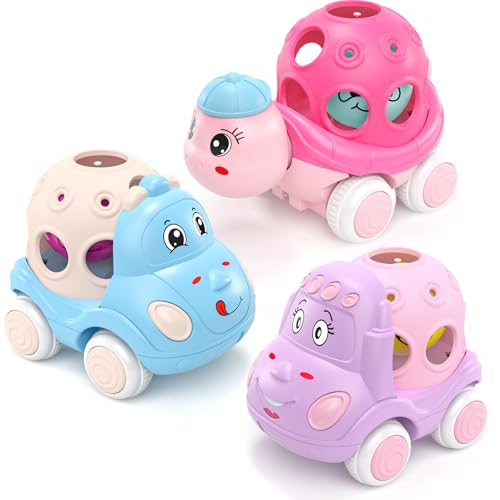
Plastic Toys
Plastic toys are popular for their durability and vibrant colors. They are often tossed around and can accumulate grime. A simple solution of warm water and mild dish soap works wonders for cleaning them.
For a deeper clean, you can use a mixture of water and white vinegar. Immerse the toys and let them soak for about 15 minutes. Don't forget to rinse thoroughly to ensure all soap or vinegar residues are gone. Have you ever marveled at how new they look afterward?
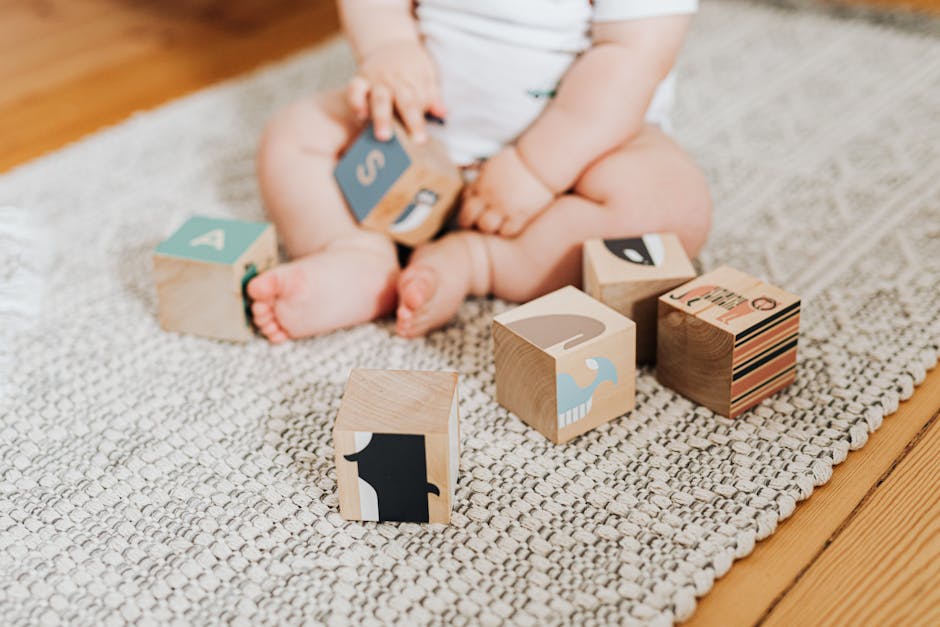
Wooden Toys
Wooden toys have a timeless charm and are eco-friendly, but they need special care. Avoid soaking them in water as it can cause the wood to swell. Instead, wipe them with a damp cloth and mild soap.
For stubborn stains, a little bit of baking soda on a damp cloth can do the trick. Dry them immediately with a clean towel. Isn't it amazing how a simple wipe can preserve their natural beauty for years?
Electronic Toys
Electronic toys, with their lights and sounds, captivate babies' attention. Cleaning them requires caution due to their sensitive components. Use a dry microfiber cloth to dust off any surface dirt.
If necessary, lightly dampen the cloth with a bit of water or alcohol for tougher spots, but ensure no liquid seeps into the electronics. Are you surprised at how a gentle touch can make these toys as good as new?
Cleaning baby toys before first use is crucial in ensuring your child's safety. Which type of toy does your baby adore the most, and how do you plan to clean it?
Materials Needed For Cleaning
Gather mild soap, warm water, a soft brush, and a clean cloth. These are essential for cleaning baby toys. Safe cleaning ensures a healthy environment for your child.
Cleaning baby toys before their first use is essential to ensure your little one's safety and health. You might be surprised by the number of germs that can hitch a ride on new toys. As a parent, you want to make sure every toy is pristine before it finds its way into your baby's curious hands and mouth. Knowing the right materials needed for cleaning can make this task easy and effective.
Water And Mild Soap
A simple combination of warm water and mild soap is your first line of defense. This duo can effectively eliminate most germs and dirt. Choose a soap that is gentle and free from harsh chemicals.
White Vinegar
White vinegar is a fantastic natural disinfectant. It's a great alternative if you prefer to avoid chemical cleaners. Mix it with water in equal parts to create a safe cleaning solution.
Cleaning Cloths And Brushes
Microfiber cloths are excellent for wiping down toys without leaving lint behind. For toys with intricate designs or small crevices, soft brushes can reach places cloths might miss. They help ensure thorough cleaning.
Baking Soda
Baking soda is another effective and non-toxic cleaner. It works wonders on stubborn stains and odors. You can create a paste by mixing it with water and gently scrubbing the toys.
Dishwasher Or Washing Machine
For toys that are dishwasher or washing machine safe, these appliances can do the heavy lifting for you. Be sure to check the toy's care instructions first. Imagine the relief of knowing the toys are being cleaned thoroughly while you manage other tasks.
Soft Towels For Drying
Proper drying is crucial to prevent mold and mildew. Use soft towels to pat toys dry after washing. Ensure they are completely dry before you hand them back to your eager child.
Storage Bins
Once the toys are clean and dry, storing them in clean bins can help maintain their cleanliness. Consider bins with lids to keep dust and dirt away. How much easier would it be to find that favorite toy if everything was neatly organized? Cleaning baby toys doesn’t have to be a chore. With the right materials, it becomes a simple routine that protects your baby’s health. What materials do you find indispensable for cleaning your baby’s toys?

Credit: www.amazon.com
Cleaning Soft Toys
Cleaning soft toys before a baby's first use is important for hygiene. Use mild soap and warm water to gently wash the toy. Rinse thoroughly and let it air dry to ensure it's safe for your child.
Cleaning soft toys is essential before they touch your baby's hands. These cuddly companions often attract dust and germs. Proper cleaning ensures a safe playtime for your child. Here, we'll explore effective methods to clean soft toys.
Machine Wash Instructions
Check the toy's label for washing instructions. Place the toy in a pillowcase or laundry bag. This protects delicate features. Use a gentle cycle with cold water. Add mild detergent suitable for babies. Avoid bleach or harsh chemicals. After washing, inspect the toy for any damage.
Hand Wash Techniques
Not all toys are machine washable. Fill a basin with lukewarm water. Add a small amount of mild detergent. Submerge the toy and gently scrub with a soft brush. Pay attention to stains and dirt spots. Rinse thoroughly to remove soap residue. Squeeze out excess water gently.
Drying Methods
Proper drying prevents mold and mildew. For machine-washed toys, choose low heat in the dryer. Add a few dry towels to speed up drying. For hand-washed toys, lay them flat on a towel. Avoid direct sunlight or heat sources. Fluff the toy occasionally to maintain its shape.
Cleaning Plastic Toys
Ensure baby toys are safe by cleaning them before first use. Use mild soap and warm water to remove dust and germs. Dry thoroughly to prevent moisture build-up.
Cleaning baby toys before their first use is crucial to ensure your little one's safety. Plastic toys, in particular, are popular due to their durability and bright colors. However, they can harbor germs and dust from manufacturing and packaging. Let's dive into some effective ways to clean plastic toys using common household items.
Using Soap And Water
Soap and water is a simple yet effective way to clean plastic toys. Start by filling a basin with warm water and adding a few drops of mild dish soap. Use a soft cloth or sponge to scrub the toys thoroughly, paying attention to crevices where dirt can hide. Rinse the toys under running water to remove soap residue. Then, lay them on a clean towel to air dry. Ensuring toys are thoroughly dry prevents mold buildup.
Sanitizing With Vinegar
Vinegar is a natural sanitizer that’s safe for babies. Mix equal parts of white vinegar and water in a spray bottle. Lightly spray the solution on the toys, ensuring all surfaces are covered. Let the vinegar sit for about 10 minutes to kill bacteria. Wipe down the toys with a clean, damp cloth to remove any remaining vinegar smell.
Disinfecting Wipes
Disinfecting wipes are convenient for quick clean-ups. Choose wipes that are free from harsh chemicals. Wipe down each toy, making sure to reach all areas, especially those that come into contact with your baby's mouth. Let the toys air dry completely after wiping. This method is especially useful for hard-to-clean toys with electronic components where water might be risky. Have you ever thought about how many hands touched that toy before it reached your baby? Taking a little time to clean ensures peace of mind and safety for your child. What cleaning method will you try first?

Credit: m.facebook.com
Cleaning Wooden Toys
Wooden toys are a timeless choice for your little one. They are durable and have a natural charm. Before letting your baby play, ensure they are clean and safe.
Gentle Cleaning Solutions
Use mild soap and warm water for cleaning. Mix a small amount of soap with water in a bowl. Dip a soft cloth into the solution. Wring it out until damp, not wet. Carefully wipe the toy's surface. The soap removes dirt without harsh chemicals.
Avoiding Water Damage
Wood absorbs water easily. Excess moisture can cause swelling or cracks. Avoid soaking wooden toys or running them under water. After cleaning, dry them with a clean towel. Allow them to air dry completely in a ventilated area.
Cleaning Electronic Toys
Cleaning electronic toys is crucial for your baby's safety and health. Electronic toys can harbor germs and bacteria. They have delicate parts needing careful handling during cleaning. Proper cleaning ensures your baby enjoys playtime safely. Electronic toys have unique cleaning requirements compared to regular toys.
Battery Safety Precautions
Remove batteries before cleaning electronic toys. This prevents damage and ensures safety. Avoid water entering the battery compartment. Use a dry cloth to clean the battery area. Check for battery leaks. Replace if necessary. Ensure battery covers are secure before use.
Surface Cleaning Tips
Use a damp cloth for surface cleaning. Avoid soaking the toy. Wipe gently to remove dirt and grime. Use mild soap for stubborn stains. Dry with a soft towel. Keep electronic parts dry. Ensure no moisture remains on the toy. Use a cotton swab for small crevices.
Drying And Storing Cleaned Toys
Cleaning baby toys before first use ensures safety and hygiene. After cleaning, toys should be dried thoroughly to prevent mold. Store them in a clean, dry space to keep them free from dirt and germs.
Drying and storing baby toys after cleaning is crucial. Proper drying prevents mold and bacteria growth. Storing them correctly ensures they remain safe for your baby. This process helps maintain the longevity of the toys. It also keeps them in good condition for future use. Let's dive into the steps for drying and storing cleaned baby toys.
Proper Drying Methods
Spread out a clean towel on a flat surface. Place each toy on the towel. Ensure they are not touching each other. This allows air to circulate around each toy. Use a fan to speed up the drying process. Avoid direct sunlight, which can damage some toys. Check for any leftover moisture before storing.
Choosing The Right Storage Spot
Select a clean, dry place to store toys. A toy box or a dedicated shelf works well. Make sure the area is free from dust. Avoid damp locations, like basements. This prevents mold and mildew from forming.
Organizing Toys Efficiently
Group toys by type or size. This makes finding them easier later. Use small bins or baskets for tiny pieces. Label the bins for easy identification. Keep frequently used toys within easy reach. Store others higher up or farther away.
Maintaining Cleanliness Over Time
Regularly inspect stored toys for dust. Wipe them with a damp cloth as needed. Rotate toys to ensure all are used. This prevents some from becoming forgotten. Regular cleaning keeps them fresh and safe.
Regular Maintenance Tips
Regular maintenance of baby toys keeps them clean and safe. Germs and dirt accumulate quickly on toys, especially those frequently used. Establishing a regular cleaning routine ensures your baby's health. Let’s explore some simple tips for maintaining toy cleanliness.
Inspect Toys Regularly
Check toys for damage or wear. Broken parts can be harmful. Regular inspection ensures toys remain safe for your baby. Discard damaged toys immediately.
Wipe Toys After Use
Use a damp cloth to wipe toys after each play session. This prevents dirt buildup. Quick wipes help maintain hygiene between deep cleans.
Use Natural Cleaning Solutions
Avoid harsh chemicals. Opt for vinegar or baking soda solutions. These natural alternatives clean effectively without harming your baby.
Wash Stuffed Toys
Place stuffed toys in a pillowcase before washing. Use a gentle cycle and mild detergent. This keeps them clean and prolongs their lifespan.
Air Dry Toys
After washing, allow toys to air dry completely. Avoid using a dryer. Heat can damage materials, reducing toy life.
Store Toys Properly
Store toys in a clean, dry place. Avoid clutter to prevent dust accumulation. Proper storage keeps toys ready for safe play.

Credit: www.amazon.com
Frequently Asked Questions
What Is The Best Way To Clean Baby Toys?
The safest method is using mild soap and warm water. Gently scrub the toys to remove dirt. Rinse thoroughly and let them dry completely. For fabric toys, check labels for washing instructions. Always ensure toys are clean and dry before giving them to your baby.
Can I Use Bleach To Sanitize Toys?
It's not recommended to use bleach directly on toys. Bleach can be harsh and leave residue. Instead, opt for a diluted solution, if necessary. Ensure the toys are rinsed well and dried completely. Always prioritize child-safe cleaning methods to protect your baby's health.
How Often Should I Clean Baby Toys?
Cleaning frequency depends on usage and exposure. Toys used daily should be cleaned weekly. If your baby is sick, clean them more frequently. Regular cleaning prevents germ buildup and keeps toys safe. Always maintain a clean environment for your baby’s playtime to ensure their health and safety.
Are Natural Cleaners Safe For Baby Toys?
Yes, natural cleaners are often safer for baby toys. Opt for vinegar or baking soda solutions. These are non-toxic and effective for cleaning. Ensure thorough rinsing to remove any residues. Natural cleaners reduce chemical exposure, making them a preferred choice for cleaning baby items.
Conclusion
Cleaning baby toys is crucial for safety. Start by checking materials. Use mild soap and water. Avoid harsh chemicals. Rinse thoroughly. Air dry completely. Ensure no small parts detach. Sterilize in hot water if needed. Soft toys can be machine washed.
For electronic toys, wipe with damp cloth. Regular cleaning prevents germs and dirt. It ensures your baby plays safely. Always follow manufacturer's instructions. Clean toys regularly for peace of mind. A clean toy means a happy baby. Make cleaning a habit.
Keep playtime safe and fun. Happy cleaning!