
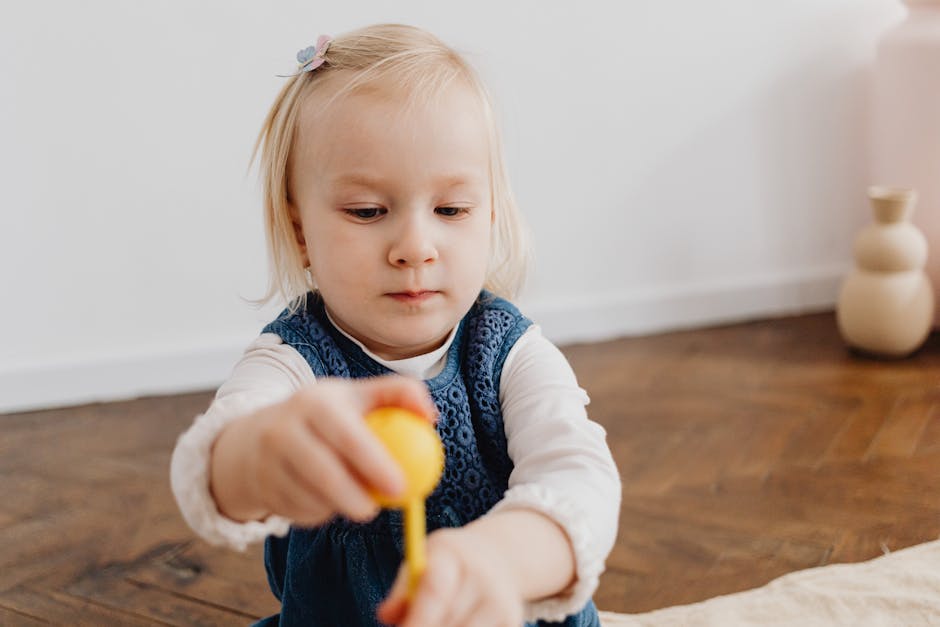
Watching your baby grow and reach new milestones is one of the most rewarding experiences for any parent. One such moment is when your little one first grasps a toy, marking a significant step in their development.
But when exactly does this magical moment happen? If you're eager to know when your baby will start grabbing toys and exploring the world with those tiny fingers, you're in the right place. Understanding this milestone not only helps you better support your baby's growth but also brings you closer to their exciting journey of discovery.
Let's delve into the fascinating world of baby development and find out when you can expect your little one to start grasping toys.

Credit: www.candokiddo.com
Early Reflexive Actions
Babies usually begin grasping toys around three to four months old. Their tiny hands start reaching and holding objects. These early reflexive actions help develop motor skills.
Early reflexive actions in infants are fascinating to observe. These initial movements are crucial as they help babies interact with their world. During the first few months, babies exhibit reflexes that lay the groundwork for voluntary actions. Understanding these reflexive responses can provide insight into a child's development. Parents often marvel at how these early actions evolve into deliberate movements. This transition marks an essential phase in a baby's growth.
Understanding Reflexive Grasping
Reflexive grasping is one of the first reflexes observed in newborns. When a baby feels something in their palm, they instinctively close their fingers around it. This response is called the palmar grasp reflex. It emerges soon after birth and indicates healthy neurological development. While this grasp is involuntary, it shows the baby's ability to respond to stimuli.
The Role Of The Moro Reflex
The Moro reflex is another significant early action. It occurs when a baby is startled by a sudden movement or loud sound. The infant's arms extend outward, then quickly retract. This reflex is essential for assessing an infant's nervous system health. It often diminishes by the time the baby is six months old. Parents might notice this reflex during routine activities.
From Reflex To Voluntary Actions
As babies grow, reflexive actions gradually become voluntary. Around three to four months, infants start reaching for objects intentionally. This shift from reflexive to voluntary grasping is a developmental milestone. Parents can encourage this progression by offering toys within reach. Such interactions help strengthen the baby's hand-eye coordination. Watching a baby reach and grasp is a rewarding experience for caregivers. Understanding these early reflexive actions is key to supporting a baby's development journey.
Hand-eye Coordination
Babies often start grasping toys around 3 to 4 months old. This marks an essential step in hand-eye coordination development. As they reach out, they learn to control their movements better. These early interactions help refine their motor skills. Parents can support this growth by providing safe, colorful toys.
Hand-eye coordination is a fascinating milestone in a baby's development. It's the skill that allows them to use their eyes to direct their hands, enabling them to grasp and explore toys. Watching your baby reach for that colorful rattle for the first time can be a magical moment, marking the beginning of their journey in interacting with the world around them.
Understanding Hand-eye Coordination
Hand-eye coordination doesn't happen overnight. It begins developing around the age of 3 to 4 months. At this stage, babies start reaching out for objects, attempting to bring their hands and eyes in sync. The process is gradual, and each baby progresses at their own pace. You might notice your baby clumsily batting at a toy initially. However, with time and practice, their movements become more deliberate and precise.
Encouraging Development Through Play
You can play an active role in nurturing your baby's hand-eye coordination. Provide them with a variety of toys that are easy to grasp and safe to explore. Brightly colored toys can capture their attention, encouraging them to reach out and grab. Consider using toys with different textures and shapes. This diversity not only stimulates their senses but also challenges their coordination skills as they learn to manipulate various objects.
Interactive Activities To Try
Engage your baby in simple games to boost their coordination. Play peek-a-boo with a small toy, slowly revealing and hiding it to encourage reaching. You can also dangle a toy just out of reach, prompting them to stretch their arms and improve their accuracy. Another effective activity is to place toys at different distances during tummy time. This encourages babies to shift their weight and reach, enhancing both their motor skills and hand-eye coordination.
Monitoring Progress And Celebrating Achievements
As you observe your baby's development, celebrate each small success. Notice how their ability to grasp toys improves over time. This not only builds their confidence but also strengthens your bond as you share in these joyful moments. If you have concerns about your baby's progress, consult your pediatrician. They can provide guidance and reassurance, ensuring your baby is on the right track. How have you encouraged your baby’s hand-eye coordination? Have you found any particular toys or activities that sparked their interest? Share your experiences in the comments!
Voluntary Grasping
Voluntary grasping is a significant milestone in a baby's development. It marks the transition from reflexive to intentional actions. Babies initially grasp toys involuntarily. Over time, they develop control over their movements. This voluntary control allows them to explore the world around them. Understanding how grasping develops can help parents support their child's growth.
Palmar Grasp Development
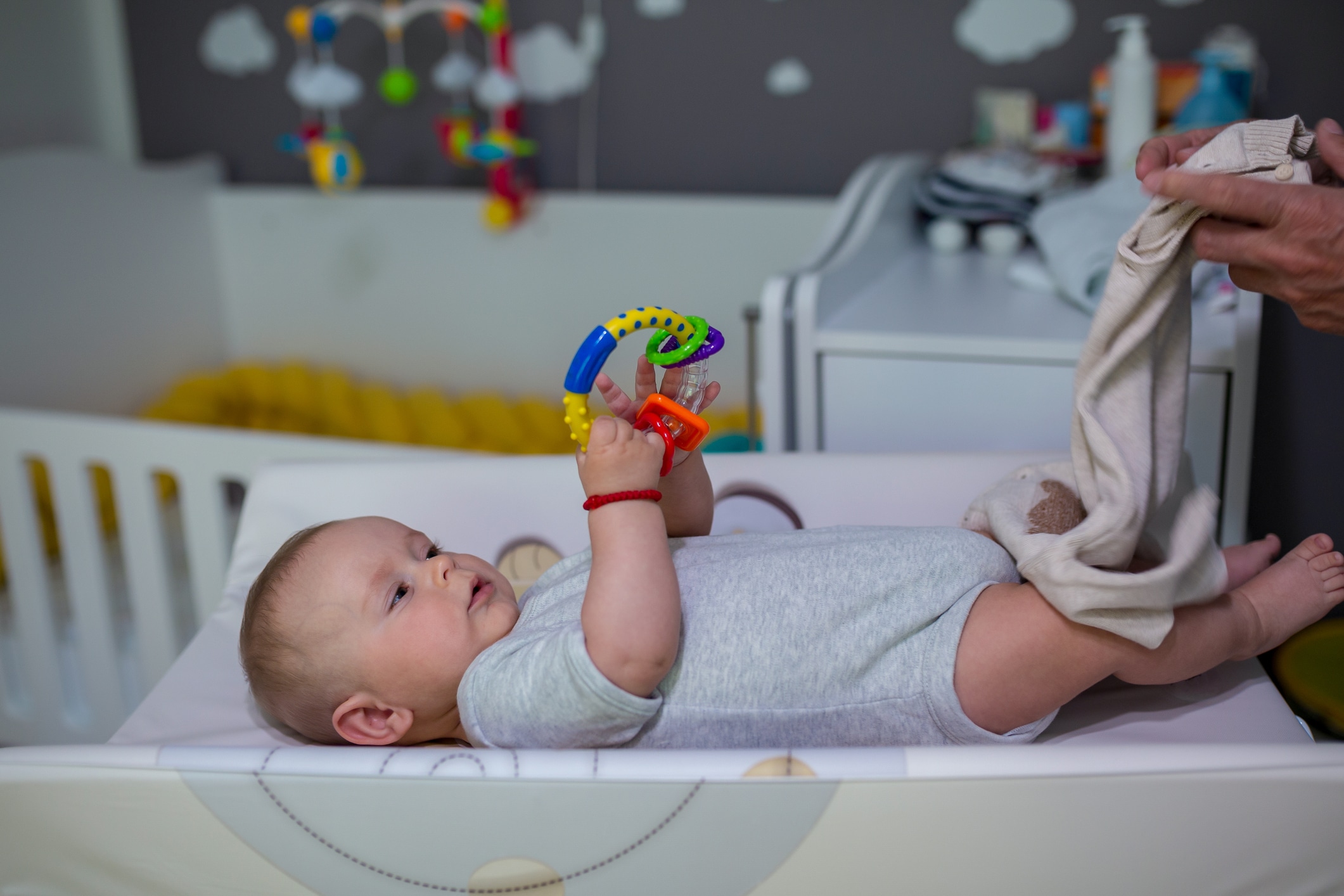
The palmar grasp starts around three to four months of age. Babies use their entire hand to hold objects. This is a broad, sweeping motion. The thumb does not yet oppose the fingers. This grasp helps babies feel different textures. Holding toys with a palmar grasp strengthens hand muscles. It also improves hand-eye coordination.
Raking Grasp Emergence
The raking grasp emerges around six to seven months. Babies use all fingers to pull objects toward them. This action resembles a raking motion. At this stage, the thumb starts to play a role. The raking grasp helps babies pick up smaller objects. It enhances their ability to explore. This grasp is a precursor to more refined movements.
Credit: circlecare4kids.com
Pincer Grasp
Babies start grasping toys around 6 to 9 months. This skill, known as the pincer grasp, involves using the thumb and index finger. It's an important step in developing hand-eye coordination and fine motor skills.
The pincer grasp is a significant milestone in your baby's development, marking the transition from basic reflexes to more refined motor skills. This ability involves using the thumb and forefinger to pick up small objects, like toys or bits of food. It's a fascinating process that typically begins to emerge around 9 to 12 months of age.
Fine Motor Skills
Your baby's fine motor skills are crucial for the development of the pincer grasp. Initially, they might grab objects using their whole hand, often referred to as the "palmar grasp." As they grow, their hand-eye coordination improves, and they start to use their fingers more precisely. Encourage this development by offering toys of various sizes and textures. Simple actions like picking up blocks or turning the pages of a board book can significantly enhance these skills. You might notice your baby attempting to pick up small bits of food during mealtime, which is a perfect opportunity for practice.
Importance Of Practice
Practice is key to mastering the pincer grasp. You can create engaging activities that encourage your baby to use their thumb and forefinger. Consider placing small toys or snacks within reach for them to pick up. Don't worry if it seems challenging at first—this is all part of learning. Remember, every attempt, whether successful or not, strengthens their motor skills. What small, everyday objects can you introduce to encourage your baby's pincer grasp? Perhaps a rubber ducky during bath time or a soft, safe rattle during playtime. Observing your child's progress can be a rewarding experience, filled with opportunities for bonding and growth.
Sensory Exploration
Babies are naturally curious about their surroundings. Sensory exploration plays a vital role in their early development. Through grasping toys, babies begin to understand the world around them. This exploration helps them develop essential skills and senses.
Texture And Shape Perception
Babies love to touch and feel different surfaces. Soft, rough, or smooth textures fascinate them. Each texture offers a new sensation. By grasping varied shapes, they learn about edges and curves. This aids in developing their tactile awareness. Babies start distinguishing between shapes and textures early on. Their tiny hands explore everything they can reach.
Visual And Auditory Stimulation
Bright colors attract a baby's attention. Toys with vibrant patterns are especially captivating. Babies focus on objects with bold contrasts. Visual stimulation helps in understanding colors and patterns. Auditory stimulation is equally important. Toys that make sounds can be intriguing. Bells, rattles, and chimes capture their interest. Sounds encourage babies to listen and respond. These experiences enhance their sensory skills.
Role Of Toys In Development
Have you ever watched a baby grasp a toy and wondered about its impact on their development? Toys are not just objects for play; they are essential tools that contribute to a child's growth. From enhancing motor skills to fostering creativity, toys play a crucial role in nurturing various aspects of development. But how do you choose the right toys for your little one, and how can you use them to encourage interactive play? Let's dive in!
Choosing Age-appropriate Toys
Choosing the right toy is like picking the right outfit for an occasion—it can make all the difference. Babies go through different stages, and each stage calls for toys that match their developmental needs.
For newborns, consider toys that engage their senses. Soft rattles or bright mobiles can capture their attention and stimulate sensory development.
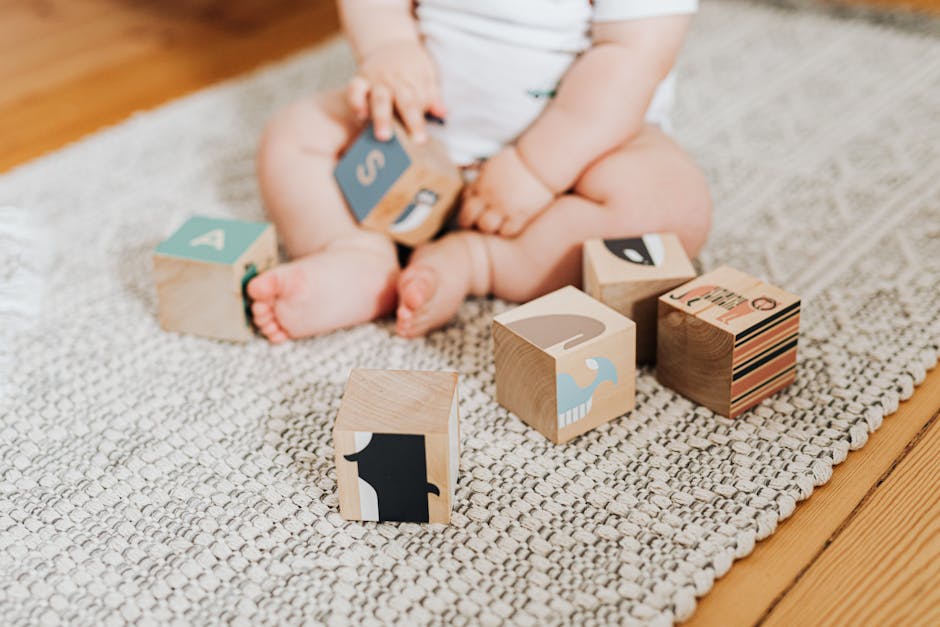
As they grow, introduce toys that promote hand-eye coordination, like stacking rings or soft blocks. These toys challenge babies to grasp, hold, and explore, laying the groundwork for further development.
Before you buy a toy, think about what skills it will help develop. Is it too simple or too complex for your baby’s age? Finding the balance is key to fostering growth.
Encouraging Interactive Play
Interactive play is not just about the toys—it’s about the experiences they create. When babies play with toys, they learn to communicate, solve problems, and express themselves.
Simple toys like a ball can encourage crawling and coordination. When you roll a ball to your baby, they learn cause and effect, and it’s a fun way to bond.
Playtime can be a collaborative adventure. Join your baby in stacking blocks or naming colors. These moments of shared discovery boost their confidence and deepen your connection.
Ask yourself: How can you make playtime more engaging today? Sometimes, it’s the simplest actions that create lasting memories and significant learning opportunities.
So, next time you watch your baby grasp a toy, remember the profound role it plays in their development. Choose wisely, play creatively, and enjoy the journey together!
Parental Support
Babies often start grasping toys around 3 to 4 months of age. This is a key developmental milestone. Parental support through encouragement and providing safe toys enhances their motor skills.
As your baby begins to explore the world with tiny hands, your role in supporting their grasping milestones becomes crucial. Parental support is about more than just buying toys. It’s about being present, attentive, and proactive in your baby's development journey. So, how can you effectively support your little one in this exciting phase?
Creating A Safe Environment
First and foremost, safety should be your top priority. Make sure that the toys are non-toxic and free of choking hazards. A clean, clutter-free play area allows your baby to explore without unnecessary risks. Position toys within easy reach to encourage your baby to stretch and grasp. This setup not only aids motor skills but also builds confidence.
Monitoring Progress And Encouragement
Keep a close eye on your baby's progress. Notice how they react to different textures and shapes. Celebrate small victories, like when they successfully hold a toy for the first time. Encouragement can be as simple as clapping or giving a cheerful "Well done!" Your positive reinforcement plays a significant role in boosting their self-esteem. Are you observing your baby's attempts to grasp toys? Encourage them by gently guiding their hands towards the toys. This subtle nudge can make a big difference. Remember, every baby develops at their own pace. If you have concerns about your child's grasping skills, consult your pediatrician for personalized advice. Your involvement doesn't have to be perfect, just consistent and loving. What small changes can you make today to support your baby's grasping journey?

Credit: www.youtube.com
Frequently Asked Questions
When Do Babies Start Grasping Toys?
Babies typically begin to grasp toys around 3 to 4 months. At this stage, their hand-eye coordination improves, and they start to explore objects. As they grow, their grip becomes stronger and more precise, allowing them to hold toys for longer periods.
How Can I Encourage My Baby To Grasp?
Encourage your baby to grasp by offering various toys. Place toys within their reach and encourage exploration. Soft, colorful, and textured toys can stimulate their senses. Playtime with toys helps develop their fine motor skills and strengthens their grip.
What Toys Are Best For Grasping Development?
Soft, colorful, and lightweight toys are ideal for grasping development. Choose toys that are easy to hold and have different textures. Rattles and teething rings can also be great options. These toys help enhance sensory experiences and improve hand-eye coordination.
Why Is Grasping Important For Babies?
Grasping is crucial for developing fine motor skills. It helps improve hand-eye coordination, which is essential for various activities. As babies learn to grasp, they also explore their environment, enhancing their cognitive development. This skill lays the foundation for future tasks like writing and self-feeding.
Conclusion
Babies start grasping toys at different ages. It's usually around 3 to 4 months. Each baby develops at their own pace. Parents should encourage this skill with safe toys. Soft toys work best for tiny hands. Keep playtime fun and interactive.
Observe your baby's progress closely. Celebrate small milestones. Offer new textures and shapes often. This helps with sensory growth. Remember, patience is key. Growth takes time and practice. Enjoy watching them learn and explore. It's a beautiful journey.