

Ever notice how your little one seems to want to taste everything in sight? You’re not alone.
Babies have a fascinating way of exploring the world around them, and one of their favorite methods is through their mouths. But you might be wondering, when exactly do babies start putting toys and other objects in their mouths? Understanding this behavior not only satisfies your curiosity but also helps you ensure your child's safety and development.
Get ready to dive into this intriguing phase of your baby’s growth, where every chew and slobber holds a deeper meaning. Stick around to discover the signs, reasons, and tips to navigate this essential milestone with ease and confidence.

Credit: blog.lovevery.com
Developmental Milestones
Babies go through a fascinating journey of growth and learning. Developmental milestones are key markers in this journey. They help caregivers understand a child's progress. Recognizing these milestones is crucial. It allows parents to support their child's development effectively. One significant milestone is oral exploration. This is when babies start putting toys in their mouths. Let's explore why this happens during early development.
Sensorimotor Stage
Babies enter the sensorimotor stage from birth. This stage lasts until about two years old. During this time, infants learn through their senses. Touch, taste, and sight are vital. Putting toys in their mouth helps them explore textures. It also introduces them to different tastes. This sensory exploration aids brain development. It helps babies understand the world around them.
Role Of Oral Exploration
Oral exploration plays a critical role in learning. Babies use their mouths to explore objects. This is a natural part of development. It helps them differentiate between items. This exploration also builds coordination skills. Babies learn how to grasp and manipulate toys. Oral exploration contributes to sensory development. It enhances their understanding of the environment.
Age And Behavior
Understanding when babies start putting toys in their mouths is essential. This behavior is a natural part of their development. It is both a sensory and exploratory activity. Babies use their mouths to learn about the world. Let's explore how this behavior evolves with age.
Newborn To Three Months
During the newborn phase, babies focus on basic needs. They mostly sleep, eat, and need comfort. Their hands are usually clenched in fists. At this age, they rarely grab toys. Instead, they respond to sounds and faces. Mouth exploration is minimal. They rely on sucking for comfort. This phase is more about observing the world.
Four To Six Months
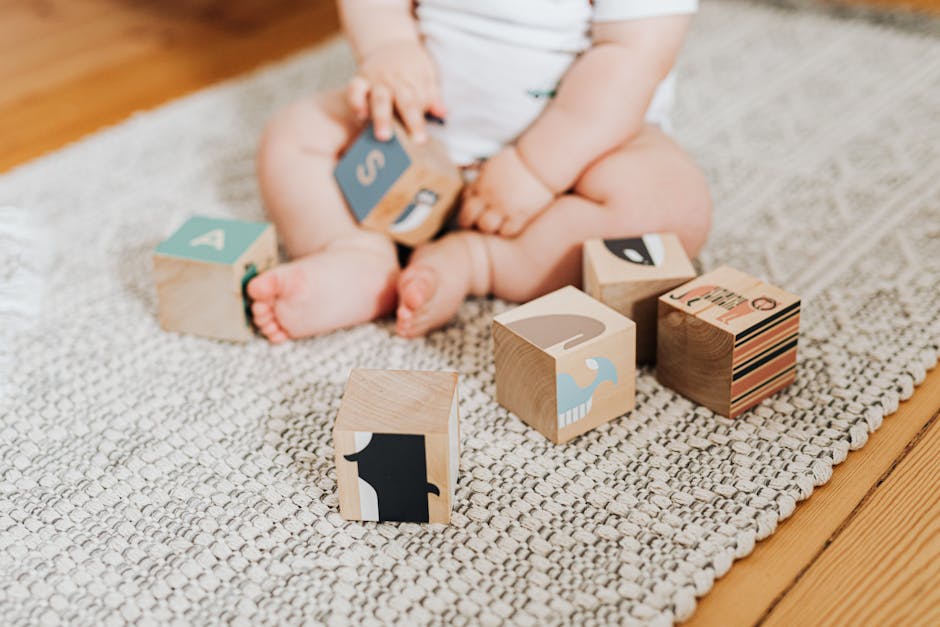
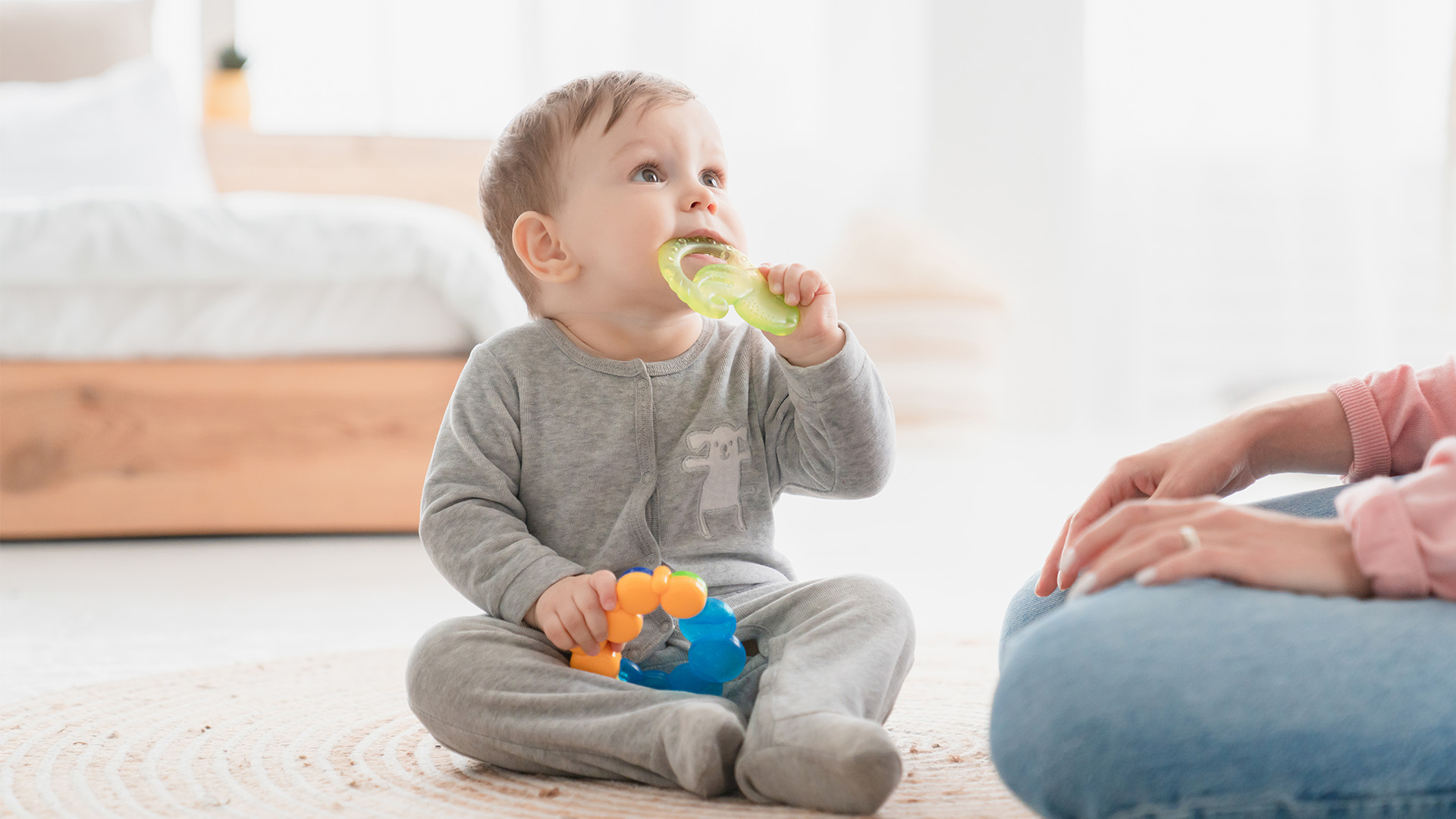
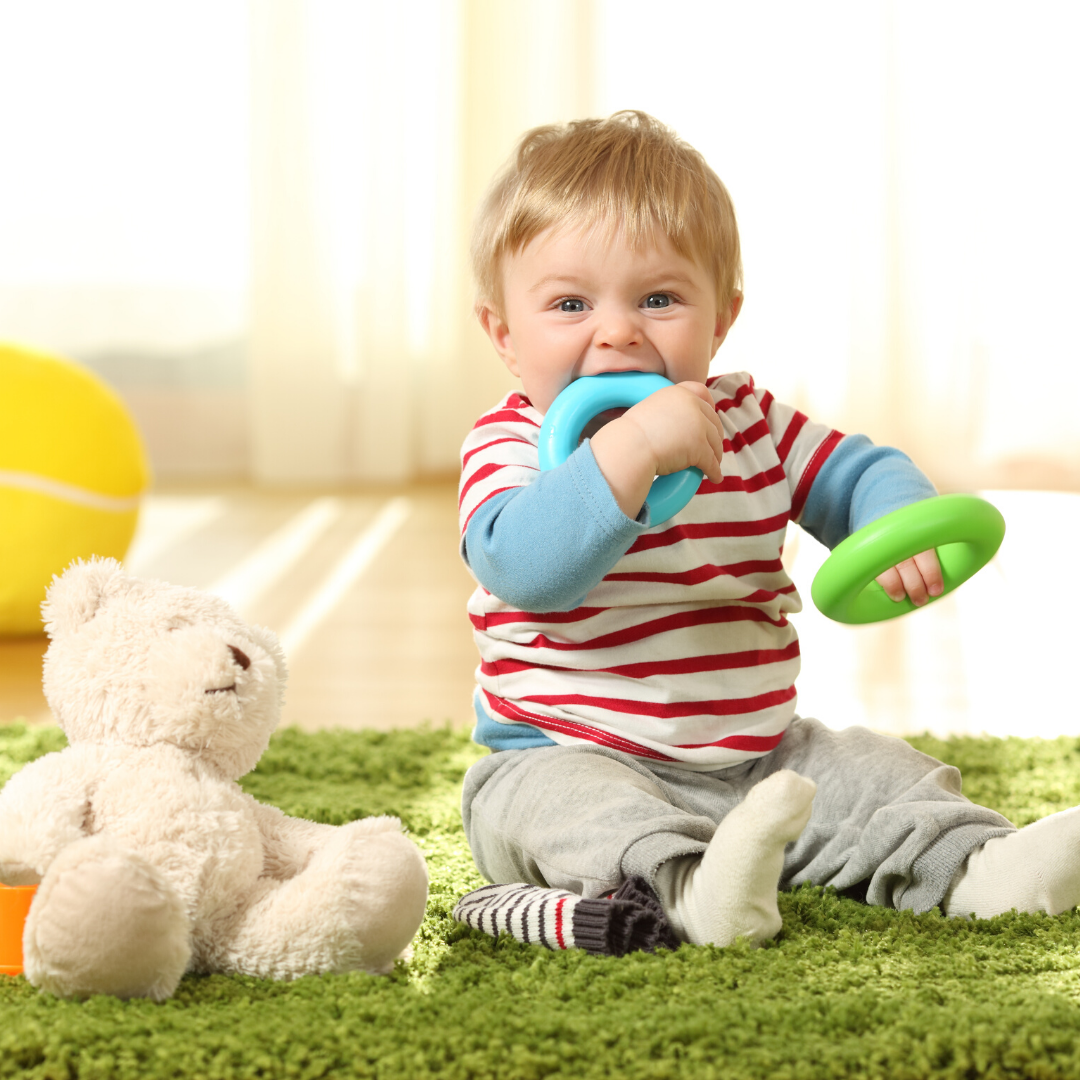
Babies start to develop better hand-eye coordination. They begin reaching for objects. This is when they first grasp toys. The mouth becomes a key tool for exploration. Babies start putting toys and fingers in their mouths. This helps them understand textures and shapes. It also soothes teething gums. Parents notice more drooling during this phase.
Seven To Nine Months
In this stage, babies are more active and curious. They have better control over their hands. Toys often go straight to their mouths. This is a natural part of learning. They are discovering tastes and sensations. Babies also recognize familiar objects. This period includes more diverse mouthing activities. Parents should ensure toys are safe and clean.
Reasons For Mouthing Toys
Babies explore the world in fascinating ways. One common method is mouthing toys. This behavior is more than a simple habit. It serves several important functions in a baby's development. Understanding these reasons helps caregivers provide safe and appropriate toys.
Teething Process
Teething is a major reason babies mouth toys. Around six months, teeth begin to emerge. This process can cause discomfort and irritation. Babies instinctively place objects in their mouths. It soothes their gums and provides relief. Soft and textured toys are especially appealing. They massage sore gums effectively.
Exploratory Learning
Babies are natural explorers. They learn about objects through their senses. Mouthing toys is a way to gather information. By placing toys in their mouths, they feel textures and shapes. This helps them understand the world around them. It’s a key part of their sensory development.
Toys with different materials enhance this experience. Babies distinguish between smooth and rough surfaces. They enjoy the varied sensations and learn in the process.
Safety Considerations
Babies often start putting toys in their mouths around three to six months. It helps them explore and learn about their environment. Always choose toys that are safe and free from small parts to prevent choking hazards.
When babies start putting toys in their mouths, safety is crucial. This exploration helps babies learn about their world. But it also comes with risks. Ensuring toys are safe is a top priority for parents. This section will guide you through essential safety considerations.
Choosing Safe Toys
Select toys made from non-toxic materials. This ensures your baby's safety. Check for labels that confirm toys are free from harmful chemicals. It's important to avoid toys with sharp edges. These can harm your baby's delicate skin. Always choose toys that are easy to clean. Babies' immune systems are still developing.
Preventing Choking Hazards
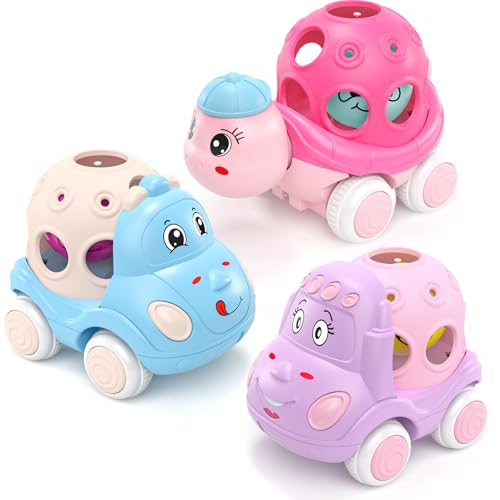
Choking is a serious risk for babies. Choose toys larger than your baby's mouth. This minimizes the risk of choking. Avoid toys with small parts that can break off. Inspect toys regularly for wear and tear. Damaged toys can pose hidden dangers. Always keep an eye on your baby during playtime. This ensures they play safely. `
Encouraging Healthy Play
Babies usually start putting toys in their mouths around 4 to 7 months old. This behavior is part of their exploration and learning process. It helps them understand textures and shapes, while also soothing their gums during teething.
Encouraging your baby's healthy play is a critical part of their development. As they grow, babies explore the world around them in fascinating ways. One of the most common methods is by putting toys in their mouths. This might seem odd, but it’s a natural and important stage in their development. Understanding this behavior helps you support their growth while ensuring safety.
Stimulating Sensory Development
Mouthing toys is a powerful way for your baby to stimulate their senses. Through taste, texture, and temperature, they learn about their environment. You might notice them spending a lot of time with a particular toy—often it's because it offers a unique sensory experience. Choose toys with varying textures and materials. Rubber, cloth, and wood toys can provide different sensations. Consider how each toy can help your baby discover the world in new ways. Sensory play isn't just beneficial; it's essential. It lays the foundation for cognitive development. As they explore, they’re also building neural connections in their brains.
Promoting Safe Exploration
Safety is always a priority as your baby explores. Ensure toys are large enough that they can’t be swallowed or choke on them. Avoid toys with small parts or those that can break easily. Inspect toys regularly for wear and tear. A little vigilance now can prevent accidents later. Always choose age-appropriate toys designed specifically for mouthing. Introduce toys that are made from non-toxic materials. Babies will inevitably taste their toys, so ensuring they’re safe is crucial. This step supports not just play, but peace of mind for you as a parent. What toys have been a hit with your baby? Often, simple toys can become favorites. Let your baby guide you in understanding their preferences for safe and healthy play.
Credit: www.arnoldpalmerhospital.com
Credit: www.banterspeech.com.au
Frequently Asked Questions
When Do Babies Start Mouthing Toys?
Babies typically start mouthing toys around 4 to 6 months old. This behavior is part of their exploration and sensory development. Mouthing helps them learn about texture, taste, and shape. It's important for their oral motor skills and teething process.
Is Mouthing Toys Safe For Babies?
Yes, mouthing toys is generally safe for babies. Ensure toys are clean, non-toxic, and free from small parts. Regularly inspect toys for damage to prevent choking hazards. Choose age-appropriate toys designed for teething to ensure safety and durability.
Why Do Babies Put Toys In Their Mouths?
Babies put toys in their mouths to explore their world. This behavior helps with sensory development and teething relief. Mouthing allows them to understand different textures and tastes. It's a natural part of their learning and growth process.
How Can I Ensure Toy Safety For My Baby?
Choose toys that are age-appropriate, non-toxic, and durable. Regularly clean toys to prevent germ buildup. Inspect toys for sharp edges or small parts. Follow manufacturer guidelines and supervise playtime to ensure your baby's safety.
Conclusion
Babies explore the world with their mouths. It's a natural phase. This behavior typically starts around 4-6 months. Toys help develop their senses. Parents should choose safe toys. Avoid small parts and sharp edges. Supervise playtime closely for safety. Encourage exploration with colorful, textured toys.
This supports learning and growth. Remember, each baby develops differently. Watching them learn is a joy. Always consult your pediatrician for concerns. Enjoy this curious stage with your baby. Cherish these moments of discovery.